# Why Did Mr. Darcy Secretly Pay for Lydia's Wedding?
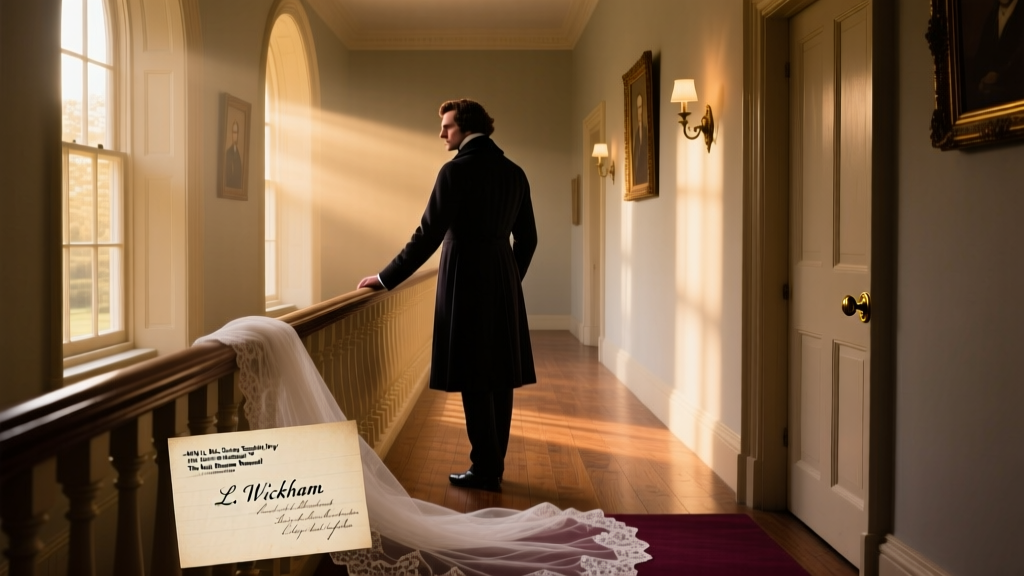
One of the most pivotal moments in Jane Austen's *Pride and Prejudice* is the revelation that Mr. Darcy — not the Bennet family — secretly financed Lydia's scandalous elopement with George Wickham. But why would a proud, reserved aristocrat spend a fortune rescuing a family he once deemed beneath him? The answer cuts to the heart of Darcy's transformation and his love for Elizabeth Bennet.
---
## The Crisis: Lydia's Elopement and Its Consequences
When sixteen-year-old Lydia Bennet runs off with the charming but unscrupulous George Wickham, the Bennet family faces social ruin. In Regency England, an unmarried woman living with a man outside of wedlock brought disgrace not just on herself, but on her entire family — including her unmarried sisters.
Wickham had no intention of marrying Lydia. He was deeply in debt and had pursued her purely for amusement. Without intervention, Lydia would have been ruined, and Jane and Elizabeth's prospects for respectable marriages would have been destroyed.
**Key facts about the financial arrangement:**
- Darcy tracked down Wickham and Lydia in London through his own investigation
- He paid off all of Wickham's considerable debts
- He provided Wickham with an additional sum (estimated at several thousand pounds) to agree to the marriage
- He arranged a commission for Wickham in the regulars, removing him from the militia
---
## Darcy's True Motivations: Love, Guilt, and Honor
Darcy's reasons were layered and deeply personal.
### 1. Love for Elizabeth
Darcy had already proposed to Elizabeth and been rejected. Yet his feelings had not diminished. He understood that Lydia's ruin would devastate Elizabeth and destroy any future possibility between them. By saving Lydia, he was, in part, acting out of profound love — with no expectation of reward or even acknowledgment.
### 2. A Sense of Personal Guilt
Darcy felt directly responsible for the situation. Years earlier, he had chosen *not* to publicly expose Wickham's true character — his attempted elopement with Darcy's own sister, Georgiana, and his general dishonesty. Darcy had stayed silent to protect Georgiana's reputation. Had he warned others, Wickham's predatory behavior might have been checked before Lydia became his victim.
As Darcy himself tells Elizabeth: *"I am now convinced that I ought to have made my concerns known to your family."*
### 3. Genuine Moral Character
Austen uses this act to demonstrate that Darcy's pride, while real, does not override his sense of duty and decency. He acts not for public praise — he insists the arrangement remain secret — but because it is the right thing to do.
---
## What This Reveals About Darcy's Character Arc
Darcy's intervention is the clearest proof of his growth throughout the novel. At the story's opening, he famously dismisses Elizabeth as "not handsome enough to tempt" him and looks down on her family's lack of social standing.
By the time he pays for Lydia's wedding, he has:
- Genuinely reflected on Elizabeth's criticism of his arrogance
- Rewritten his behavior toward those he once considered beneath him
- Placed another family's welfare above his own pride and financial comfort
This is not a small gesture. The sum involved — paying Wickham's debts plus a marriage incentive — would have been enormous by the standards of the time, likely equivalent to tens of thousands of pounds in today's money.
---
## Common Mistakes: Two Myths About Darcy's Payment
**Myth 1: Darcy did it purely to win Elizabeth's hand.**
This oversimplifies his motivation. Darcy explicitly kept the arrangement secret, meaning he did not expect Elizabeth to find out. Mrs. Gardiner only discovered the truth by accident and wrote to Elizabeth. If Darcy had acted solely to impress Elizabeth, secrecy would have been counterproductive. His act was genuinely selfless.
**Myth 2: The Bennet family could have handled it themselves.**
Mr. Bennet and Mr. Gardiner did travel to London to search for Lydia, but they had no leverage over Wickham. Wickham's debts were staggering, and he had no incentive to marry Lydia without significant financial inducement. Only someone with Darcy's wealth and knowledge of Wickham's history could have resolved the situation — and Darcy was uniquely positioned on both counts.
---
## Conclusion: A Defining Act of Love and Redemption
Mr. Darcy paid for Lydia's wedding because he loved Elizabeth, felt genuine guilt over Wickham's unchecked behavior, and had grown into a man of true moral integrity. It is the novel's most powerful demonstration that character is revealed not in grand declarations, but in quiet, costly action taken without expectation of recognition.
Austen rewards this transformation: once Elizabeth learns the truth, her remaining resistance to Darcy dissolves entirely.
If you're exploring *Pride and Prejudice* for the first time or revisiting it, pay close attention to this subplot — it is the emotional and moral turning point of the entire novel. Share this article with a fellow Austen reader who deserves the full story.
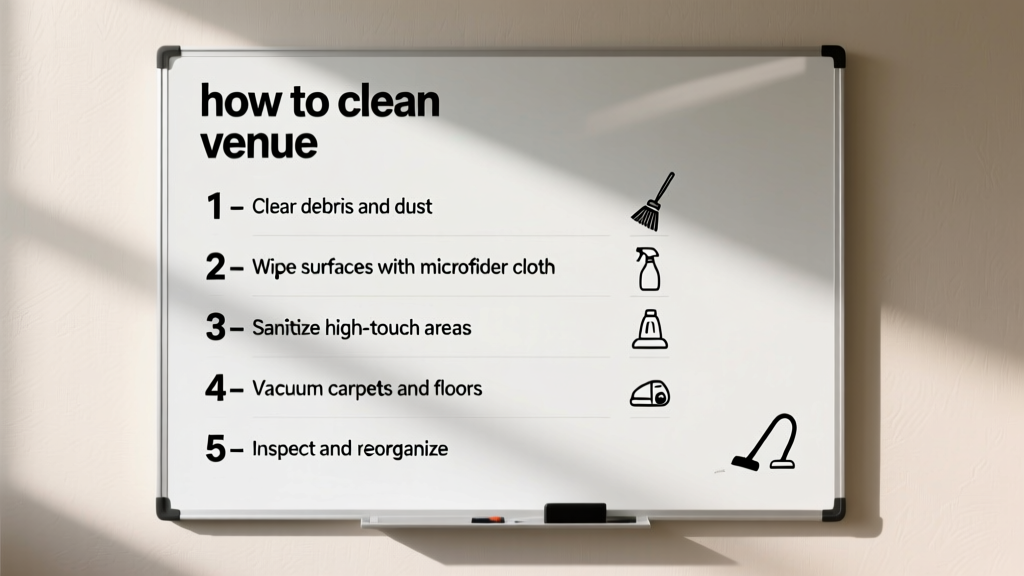 How To Clean a Venue: A Practical, Step-by-Step Protocol for Event Professionals
 Anniversary Themes: Timeless Ideas for Every Milestone
 Year Planning: Wedding Budget Framework
 How Much Do You Pay a Pastor for a Wedding in 2026
 Wedding Catering Cost
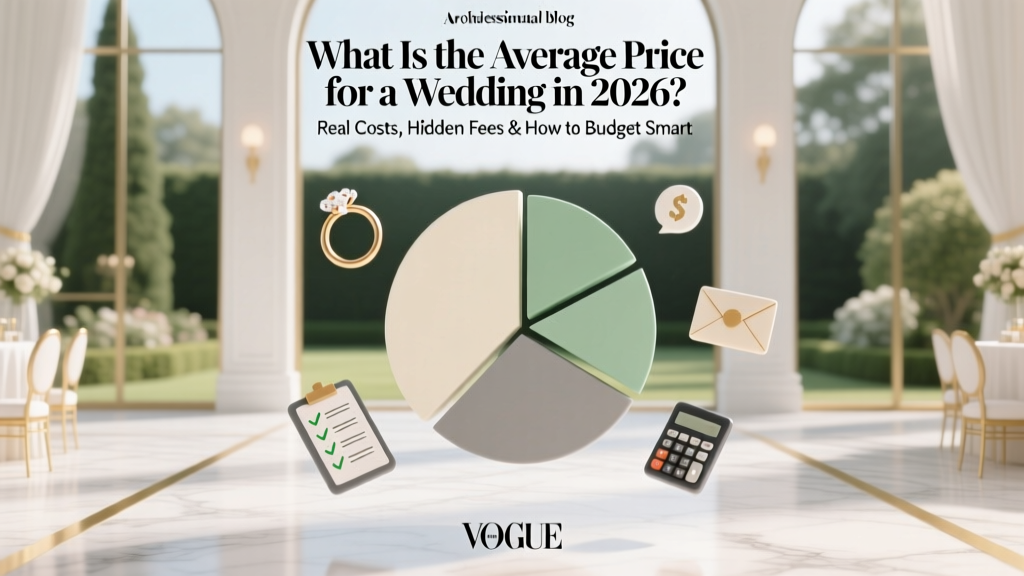 2026 Wedding Cost: Average Price & Budget Tips
 How Much Did Porsha Williams Wedding Cost: Full Breakdown
 How to Raise Money for Your Wedding Without Going Broke
 How to Split Wedding Costs With Parents: A Fair Guide
 Do You Tip the Priest at a Wedding? The Honest Answer