Average Dating Length Before Engagement (2026)
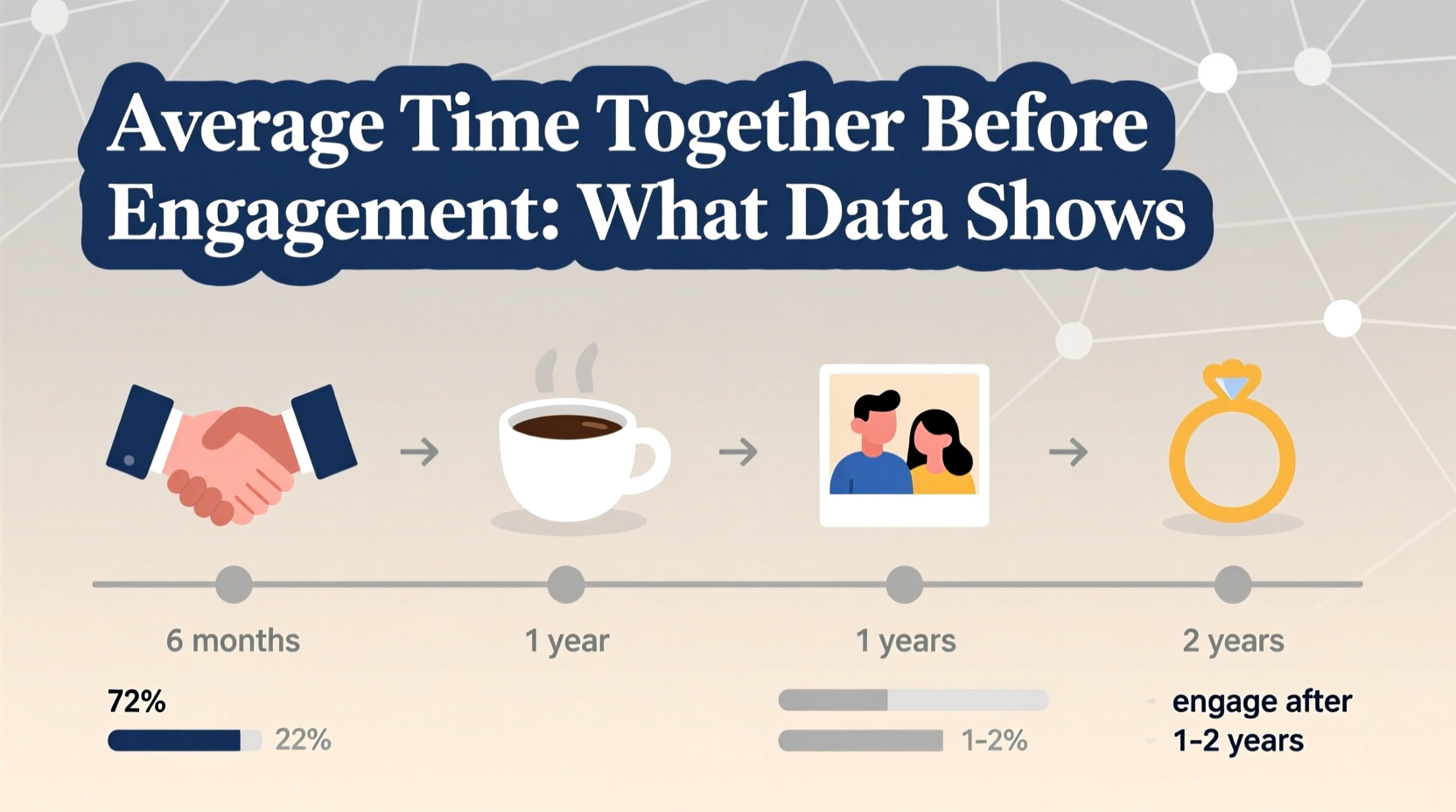
The average couple is together for about 3.3 years before getting engaged, according to recent relationship studies and surveys conducted across North America and Western Europe. This figure represents a common benchmark for couples navigating the journey from dating to engagement, often influenced by age, cultural expectations, financial stability, and relationship milestones. Understanding how long most couples date before engagement can help individuals assess their own relationship timelines without undue pressure or comparison.
What the Research Says About Pre-Engagement Relationship Length
Multiple studies have explored the duration of romantic relationships prior to engagement, offering valuable context for those wondering how long should you be in a relationship before getting engaged. A comprehensive 2022 survey by The Knot, which collected data from over 15,000 engaged or newly married couples in the United States, found that the median time spent together before popping the question was 39 months—just over three years.
Additional research published in the Journal of Social and Personal Relationships supports this timeline, noting that couples who dated between two and four years before engagement reported higher marital satisfaction during the first five years of marriage. This suggests that while there’s no universal rule, spending a moderate amount of time building a foundation can contribute positively to long-term success.
It's important to note that these averages vary significantly based on demographic factors such as:
- Age at the start of the relationship
- Educational background
- Religious or cultural beliefs
- Geographic location (urban vs. rural)
- Financial independence
Factors That Influence How Long Couples Wait to Get Engaged
While statistics provide a general idea of the average length of a relationship before engagement, real-life decisions are deeply personal and shaped by numerous internal and external factors. Below are key influences that determine when couples decide to take the next step.
1. Age and Life Stage
Younger couples, particularly those in their early 20s, tend to have shorter courtship periods before engagement. However, these relationships also face higher rates of dissolution post-engagement due to evolving identities and career uncertainties.
In contrast, couples who begin serious relationships in their late 20s or 30s often move toward engagement more deliberately. They may already be financially independent, emotionally mature, and clearer about long-term compatibility, leading to more stable transitions into marriage.
2. Financial Stability
One of the most practical considerations is financial readiness. Planning a wedding, combining households, and potentially starting a family require economic preparedness. Many couples delay engagement until both partners are secure in their careers or have saved enough for shared goals.
A 2023 Pew Research Center report indicated that 68% of adults believe financial stability is an essential prerequisite for engagement. This mindset especially affects millennials and Gen Z, who often prioritize debt reduction—such as student loans—before committing formally.
3. Cultural and Religious Expectations
Cultural norms play a significant role in determining appropriate timing. In some communities, engagements follow shortly after meeting, especially in arranged or semi-arranged marriage contexts. For example, in certain South Asian cultures, couples may only date for several months before engagement if introduced through family networks.
Conversely, Western secular societies generally encourage longer dating phases to ensure emotional connection and mutual understanding. In Scandinavian countries like Sweden and Norway, cohabitation without formal engagement is increasingly common, further altering traditional timelines.
4. Cohabitation Before Engagement
Living together before engagement has become increasingly normal. According to U.S. Census Bureau data, nearly 70% of unmarried couples live together at some point before marrying.
Couples who cohabit often use this period to test daily compatibility, manage finances jointly, and discuss future plans. As a result, they might engage after 1–2 years of living together, even if the total relationship duration exceeds four years.
5. Previous Relationship Experiences
Individuals who’ve been through divorce or long-term breakups may approach new relationships cautiously. Some prefer extended dating periods—sometimes five years or more—to rebuild trust and avoid repeating past mistakes.
On the other hand, those with positive prior experiences may recognize long-term potential earlier and choose to propose sooner, confident in their emotional judgment.
Trends Shaping Modern Engagement Timelines
Societal changes continue to reshape how couples think about commitment and engagement. Here are current trends influencing how long couples date before getting engaged.
Rise of 'Slow Love' Relationships
The concept of “slow love”—taking time to build deep emotional intimacy before making big commitments—is gaining traction among younger generations. Rather than rushing into labels or milestones, couples focus on communication, shared values, and personal growth.
This trend correlates with slightly longer pre-engagement durations, particularly among college-educated individuals in urban areas.
Impact of Online Dating
Dating apps have changed how people meet and progress in relationships. While some connections form quickly, many users report spending 6–18 months getting to know someone before considering engagement.
Interestingly, a 2023 study in Computers in Human Behavior found that couples who met online had similar average engagement timelines (3.1 years) compared to those who met offline (3.4 years), suggesting that digital beginnings don’t necessarily accelerate commitment.
Changing Views on Marriage Itself
Marriage is no longer seen as an inevitable milestone but rather a conscious choice. With rising acceptance of alternative relationship models—including singlehood, cohabitation, and open partnerships—many couples take extra time to confirm that marriage aligns with their values.
This reflective approach often extends the dating phase, making it less unusual for couples to wait four or more years before engagement.
How to Know If You're Ready for Engagement
Instead of focusing solely on how long the average couple dates before engagement, ask whether your relationship exhibits signs of long-term viability. Consider the following indicators:
- You communicate openly about difficult topics: Finances, parenting styles, religious beliefs, and conflict resolution.
- You’ve weathered major challenges together: Illness, job loss, family issues, or relocation.
- Your goals align: Career aspirations, where to live, having children, lifestyle preferences.
- You feel emotionally safe and respected: There’s mutual support, not control or resentment.
- You’ve discussed marriage realistically: Not just romance, but logistics, roles, and expectations.
If these elements are present, you may be ready—even if your timeline differs from the average. Conversely, if major disagreements persist or one partner feels rushed, it may be wise to extend the dating phase.
Common Misconceptions About Engagement Timing
Misunderstandings around engagement timing can create unnecessary stress. Let’s clarify a few myths:
Myth 1: You Should Be Engaged Within Two Years
No rule mandates engagement within a specific timeframe. While some couples feel ready earlier, others need more time. Rushing due to social pressure increases the risk of mismatched expectations.
Myth 2: A Long Courtship Means Trouble
Some assume that dating for five years without engagement signals avoidance or lack of seriousness. But extended relationships aren’t inherently problematic—if both partners agree on the pace and share a vision for the future.
Myth 3: Living Together Removes the Need for Engagement
While cohabitation provides insight into daily compatibility, engagement remains a symbolic and legal transition for many. Skipping engagement entirely may leave unresolved questions about commitment level, especially when discussing weddings or inheritance.
| Relationship Duration Before Engagement | Percentage of Couples (U.S. Survey Data) |
|---|---|
| Less than 1 year | 18% |
| 1–2 years | 27% |
| 2–3 years | 22% |
| 3–4 years | 17% |
| 4–5 years | 9% |
| More than 5 years | 7% |
Regional and Generational Differences
Engagement timelines aren't uniform across regions or age groups. Key variations include:
- Urban vs. Rural: Urban dwellers often date longer before engagement due to higher education levels and career focus. Rural populations may marry earlier due to community traditions and religious influence.
- Generation Z (born 1997–2012): Tends to delay engagement until mid-to-late 20s, prioritizing self-discovery and financial autonomy.
- Millennials (born 1981–1996): Average engagement around age 27–29, after establishing careers.
- Gen X and Baby Boomers: More likely to engage earlier in life, often before age 25, reflecting different societal norms.
When Is It Too Soon—or Too Late—to Get Engaged?
There’s no universally correct answer, but here are guidelines to consider:
Too Soon? Signs You Might Be Rushing
- You haven’t met each other’s families or close friends.
- Major life decisions (e.g., moving, finances) are made unilaterally.
- One partner feels pressured or uncertain.
- You’re using engagement to fix relationship problems.
Too Long? When Delaying May Signal Hesitation
- One partner consistently avoids conversations about marriage.
- There’s a pattern of broken promises or excuses.
- Friends or family express concern about imbalance in commitment.
- You’re waiting for a “perfect” moment that never comes.
In such cases, honest dialogue is crucial. Sometimes, differing timelines reveal fundamental incompatibilities.
Final Thoughts: Focus on Readiness, Not Just Time
While the average couple spends approximately 3.3 years together before engagement, this number should serve as context—not a deadline. Every relationship evolves uniquely, shaped by personality, history, values, and life circumstances.
Rather than comparing yourself to statistical norms, focus on whether you and your partner are emotionally, financially, and logistically aligned for lifelong partnership. Open communication, mutual respect, and shared vision matter far more than how many months or years you’ve dated.
Ultimately, engagement isn’t about reaching a time-based milestone—it’s about choosing to build a future together with intention and clarity.
Frequently Asked Questions
Is it normal to get engaged after one year?
Yes, it’s normal for some couples. About 18% of couples get engaged within the first year. If both partners are emotionally mature, communicate well, and share core values, a shorter timeline can still lead to a healthy marriage.
What is the ideal age to get engaged?
Research suggests that engaging between ages 25 and 30 correlates with lower divorce rates. This window allows for greater emotional maturity and life experience, though exceptions exist.
Do long engagements increase divorce risk?
Not necessarily. However, studies show that engagements lasting longer than three years may carry slightly higher risks if the delay stems from indecision or external pressure rather than thoughtful preparation.
Should we set an engagement timeline?
Only if both partners agree. Some find comfort in discussing a rough timeline (e.g., “let’s reevaluate in two years”), while others prefer letting the relationship unfold organically.
Does living together shorten the path to engagement?
Not always. While cohabitation helps assess compatibility, many couples continue dating for years after moving in together before deciding to engage.
More Articles
 How to Plan a Proposal During the Holidays
 How to Plan a Proposal at a Planetarium
 Surfing Proposal Catch the Wave of Love
 Proposal During a Meteor Shower Celestial Moment
 Proposal at a Waterfront Pier Ocean Breeze Romance
 How to Plan a Proposal at a Rooftop Piano Lounge
 Premium Alternatives To Data: When Human Insight Outperforms Algorithms
 How to Plan a Proposal That Reflects Your Relationship
 Engagement Photo Outfit Ideas for Fall
 Engagement Timeline in Your 40s: What’s Right?