
How to Handle Proposal Nerves and Stay Calm
The funny thing about planning a proposal is that even the most confident people suddenly find themselves googling “how to not shake while proposing” at 1 a.m. Your heart is in the right place—you’re about to ask your favorite person to build a life with you—so of course your body reacts like you’re about to walk onstage.
Proposal nerves are normal. They’re also kind of beautiful. They mean this matters. The goal isn’t to feel nothing; it’s to feel everything and still stay steady enough to say the words you’ve been carrying around for weeks (or years). With a little planning and a few calming strategies, you can keep the moment romantic, meaningful, and true to you.
Here’s how to stay calm, feel present, and create an engagement story you’ll both love retelling—whether it’s an intimate at-home proposal, a big surprise proposal with friends, or a modern “just us” moment captured by a hidden photographer.
Why Proposal Nerves Happen (and Why You’re Not Alone)
When you plan a marriage proposal, you’re juggling a lot at once: timing, the engagement ring, whether they’ll suspect something, and that tiny voice asking, “What if I mess it up?” Add the pressure of wanting it to be perfect, and your brain starts sprinting.
Most proposal anxiety comes from three places:
- Performance pressure: You want a “movie moment,” but real love is rarely scripted.
- Logistics overload: Coordinating a location, a surprise, a photographer, and a backup plan can feel like planning a mini wedding.
- Big feelings: This isn’t just an event—it’s a life step, and your body takes that seriously.
The good news: nerves don’t ruin proposals. Unmanaged nerves do. A calm plan and a few simple rituals can make you feel grounded and ready.
Step-by-Step: A Calm Proposal Plan That Actually Works
Step 1: Choose a proposal style that fits your relationship
The fastest way to quiet nerves is to plan a proposal that feels like you. Proposal trends right now lean toward meaningful, personalized experiences rather than huge public spectacles—think private proposals with a photographer at a distance, “weekend getaway” engagements, or a cozy at-home proposal with candles and a playlist.
Ask yourself:
- Do they love attention, or do they prefer intimacy?
- Would they want family and friends involved, or would that overwhelm them?
- What setting feels most “us”—a favorite park, the kitchen, a beach at sunrise, a rooftop after dinner?
Quick calming win: The more aligned the plan is with your partner’s personality, the less you’ll worry about the reaction. You’re not guessing—you’re honoring them.
Step 2: Pick a “steady” time and location
Nerves spike when you add unpredictable elements. A windy cliffside at sunset sounds dreamy until you’re chasing a ring box with numb fingers. Choose romance with stability.
Timing tips:
- Golden hour (about an hour before sunset) is timeless and flattering for photos.
- After a relaxing activity (massage, brunch, slow walk) can keep your body calm.
- Avoid rushed windows between reservations and arrivals—you’ll feel pressured.
Location tips:
- Prioritize a spot where you can comfortably kneel or stand close without an audience hovering.
- Do a quick visit the day before if you can—know where you’ll stand, where the light falls, and what the background looks like.
- If you’re proposing in public, choose a quieter corner that still feels special.
Step 3: Write a “three-line proposal speech”
You don’t need a monologue. You need something real. When nerves hit, long speeches vanish. A three-line script keeps you steady and present.
Try this format:
- Line 1: “I love you because…” (something specific)
- Line 2: “My favorite part of our life is…” (a shared memory or daily ritual)
- Line 3: “Will you marry me?”
Example: “I love you because you make home feel like a person, not a place. My favorite part of our life is how we turn ordinary Tuesdays into something worth laughing about. Will you marry me?”
Write it down, practice it once or twice, then stop. Over-rehearsing can make it feel like a performance instead of a moment.
Step 4: Build a simple “proposal day” checklist
Calm is confidence, and confidence comes from not forgetting the basics.
- Ring box (yes, really check)
- Clean hands and trimmed nails (photos happen fast)
- Mints or gum
- Phone charged (or photographer confirmed)
- Reservation confirmations / tickets
- Weather check + backup plan
- Outfit you can move in (kneeling shouldn’t feel like a stunt)
Real-World Scenarios (and How to Stay Calm in Each)
If you’re doing a surprise proposal with a photographer
This is a huge current trend: a “hidden” engagement photographer capturing a candid moment, followed by a mini engagement shoot. It’s romantic, modern, and it takes pressure off you because someone else is quietly managing the timeline.
Stay calm by:
- Creating a simple signal (adjusting your watch, fixing a jacket) so the photographer knows it’s happening.
- Picking a clear meeting point and a “stand here” spot.
- Planning one minute of stillness after they say yes—hold them, breathe, let it land. The best photos happen then.
Authentic example: You plan a “Saturday coffee walk” to your favorite bookstore. Outside, you pause at a little side street with string lights. Your photographer is “just taking city photos.” You ask the question, and afterward you step into the bookstore to browse rings of a different kind: travel guides for your next chapter.
If you’re proposing at home
At-home proposals are timeless, intimate, and incredibly calming. They also let you personalize everything—music, food, lighting, meaningful objects. This can be one of the most romantic engagement ideas because it centers your real life together.
Stay calm by:
- Planning a “reason” for the moment (a special dinner, a movie night with your first-date film, a slow Sunday breakfast).
- Setting the ring somewhere safe but accessible (not buried under cushions at the critical moment).
- Keeping the scene simple: candles + playlist + one intentional detail (framed photo, handwritten note, or dessert from a favorite bakery).
Authentic example: You recreate the meal from your first trip together. When dessert comes out, you hand them a small envelope: “Three things I want to keep doing with you forever.” The last line leads to the ring.
If you’re proposing in a public place
Public proposals can be thrilling—especially at festivals, city landmarks, or after a meaningful event. The key is to make sure your partner would genuinely enjoy it. If they would, your confidence rises instantly.
Stay calm by:
- Choosing a semi-public spot (a scenic overlook off the main path, a quiet corner of a botanical garden).
- Keeping the ring secure (avoid loose jacket pockets).
- Having a short, clear line ready if you freeze: “I’ve been waiting for this moment. Will you marry me?” is enough.
Personalization Tips That Make the Moment Feel Like Yours
- Use shared language: A phrase you always say (“You’re my favorite,” “Same team,” “Home”) can be more powerful than formal vows.
- Bring in a meaningful object: Ticket stubs, a map with a marked spot, a recipe card from a grandparent, or a letter you wrote on your first anniversary.
- Music matters: A playlist that tells your story is a modern romantic gesture that never feels forced.
- Plan the “after”: Champagne in the car, a reserved table, a call list, or a quiet walk—knowing what comes next keeps you grounded.
Things to Consider: Timing, Location, and Backup Plans
- Weather: Have an indoor alternate (a cozy café, hotel lobby, covered patio, at-home setup).
- Ring safety: Keep it on your person in a secure inner pocket; avoid bags you might set down.
- Privacy vs. surprise: If you’re including friends and family, decide whether they’ll be present for the “yes” or join afterward.
- Photographer logistics: Confirm arrival time, exact spot, and what to do if the area is crowded.
- Emotional pacing: Don’t stack too many events before the proposal—stress builds. Leave breathing room.
Common Proposal Mistakes to Avoid (So You Don’t Spike Your Own Nerves)
- Chasing perfection instead of meaning: The best engagement stories are about authenticity, not flawless choreography.
- Overcomplicating the plan: Too many moving pieces increases the chance of something slipping.
- Picking a ring style without any clues: If you haven’t talked preferences, ask a best friend, check their jewelry, or consider a temporary setting with a design date afterward.
- Forgetting comfort: Uncomfortable shoes, hunger, or being cold will make you both distracted.
- Making it a total surprise when you haven’t talked about marriage: The proposal can be a surprise; the decision to get engaged shouldn’t be. A calm proposal often starts with a few loving conversations beforehand.
- Not having a simple line ready: Nerves can blank your brain. A three-line speech saves the moment.
Conclusion: Calm Isn’t the Absence of Nerves—It’s Love Leading Anyway
If your hands shake a little, if your voice wobbles, if you forget half of what you planned to say—none of that will matter as much as the look on your partner’s face when they realize you’re choosing them, on purpose, forever. The most romantic proposals aren’t the ones with perfect weather and perfect timing. They’re the ones that feel honest, personal, and full of heart.
Take a deep breath. Keep the plan simple. Hold the ring like it’s a promise, not a prop. And trust that the love you’ve built together already knows what to do next.
For more engagement ideas, proposal planning tips, and inspiration for the season you’re stepping into, explore more heartfelt guides on weddingsift.com.
More Articles
 Proposal at a Secret Cove Hidden Coastal Gem
 Proposal at a Coral Garden Underwater Garden
 Engagement Ring on Right Hand: Why It’s Okay
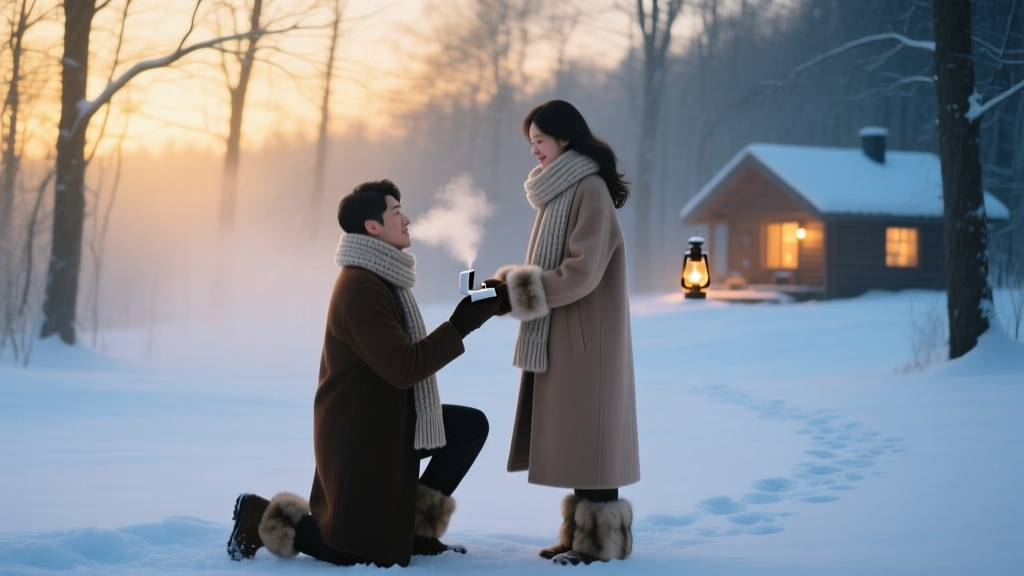 Romantic Proposal Ideas for Winter Season
 Best Themes for Sunset
 Do You Really Need Both an Engagement Ring and Wedding Ring?
 Budget Wedding Decisions: Value Guide
 How to Plan a Proposal at a Flower Market
 7th Year Anniversary
 Proposal Stories That Will Inspire Your Own