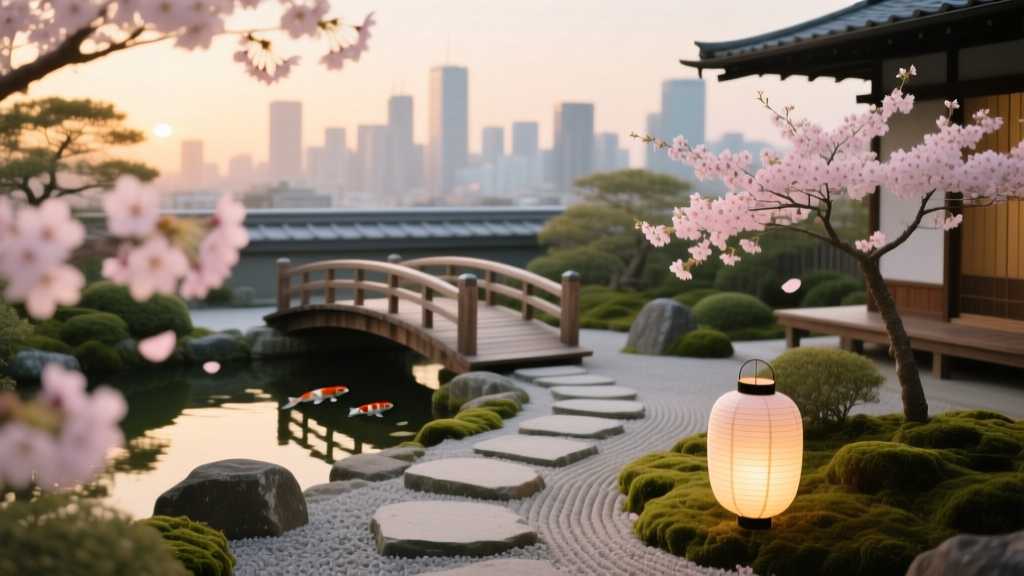
How to Plan a Proposal at a Rooftop Japanese Garden
There’s something quietly thrilling about a rooftop Japanese garden. You’re above the city—traffic and deadlines still exist somewhere down there—but up here, everything slows down. Gravel paths, lanterns, koi ponds, bamboo, and that calm, intentional beauty make the moment feel private even when you’re in the middle of a skyline. It’s the kind of setting that makes a proposal feel like a scene you’ll both replay for years.
If you’re planning an engagement proposal and you want romance without chaos, a rooftop garden checks all the boxes: stunning backdrop, built-in ambiance, and a natural “pause” that invites you to be present. The best part? You can keep it intimate and simple, or layer in thoughtful details—without turning the day into a production.
Here’s how to plan a rooftop Japanese garden proposal that feels authentic, personal, and perfectly timed—plus real-world scenarios, practical tips, and a few mistakes you’ll be glad you avoided.
Why a Rooftop Japanese Garden Is a Proposal Sweet Spot
Rooftop proposals are trending for a reason: they feel elevated (literally), they photograph beautifully, and they offer a natural sense of “we escaped for a moment.” Japanese gardens add another layer: symbolism. Bridges for crossing into a new chapter. Stones and lanterns for steady light. Water for flow and connection. Even if you don’t say any of that out loud, you’ll feel it.
It also fits two popular proposal trends right now:
- Meaningful minimalism: fewer gimmicks, more intention—great lighting, a heartfelt speech, a beautiful ring.
- Experience-led engagement: proposals that feel like a date you’d actually go on, not a staged performance.
Step-by-Step: Planning Your Rooftop Japanese Garden Proposal
Step 1: Choose the Right Garden (and Learn the Rules)
Not all rooftop gardens are created equal. Some are part of hotels, museums, restaurants, or office buildings with public access hours. Others are semi-private event spaces. Before you fall in love with the vibe, confirm:
- Access: Can you enter without being a guest? Do you need reservations?
- Photography rules: Some places require permits for professional photographers.
- Decor policies: Confetti is usually a no. Candles often aren’t allowed. Tripods may be restricted.
- Privacy options: Can you reserve a corner or book a small event package?
Real scenario: One couple planned a sunset proposal at a hotel rooftop garden—only to learn on arrival it was closed for a private event. A quick phone call earlier in the week would’ve saved them. If you want a specific date, ask about blackout dates and event schedules.
Step 2: Pick a Moment That Matches Your Partner
Timing is more than lighting. It’s energy. If your partner loves quiet mornings, a sunrise or early opening-hour proposal feels natural. If they’re a “golden hour” person, aim for the last hour before sunset when the garden glows and the city lights start to wake up.
Think through the crowd level, too. Some people dream of a public engagement moment; others freeze when strangers are watching. A rooftop garden can do both—just plan the time accordingly.
- Most private: right at opening, weekdays, or during off-season weather (with a backup plan)
- Most cinematic: golden hour into twilight
- Most relaxed: late morning on a weekday—good light, fewer crowds
Step 3: Map Your Exact Proposal Spot
Visit in advance if you can. Walk the paths and choose a spot with:
- a naturally “framed” view (torii-style gate, arched bridge, lantern-lined path)
- enough space to pause without blocking traffic
- soft background noise (water feature is perfect for calming nerves)
Tip: If you can’t visit, use photos, reviews, or a quick video walk-through online. Then arrive 20–30 minutes early to scout in person.
Step 4: Decide on Your Proposal Style (Simple, Styled, or Story-Driven)
Here are three approaches that work beautifully in a rooftop Japanese garden:
1) The Simple, Heartfelt Ask
You take a walk, stop at the bridge, share a few honest sentences, and propose. It’s timeless and often the most emotionally powerful.
2) The Styled Moment (But Still Tasteful)
A small bouquet, a handwritten note, and a photographer hidden at a distance. Think elegant, not overproduced. Japanese gardens already have visual magic—don’t fight it.
3) The Story-Driven Proposal
Build in meaning: a note about “crossing into our next chapter,” a charm that references your first trip together, or a tiny book of memories. This is ideal if your partner loves sentimental details.
Step 5: Plan the Ring and the “After”
One of the biggest engagement planning wins is thinking beyond the question. What happens immediately after they say yes?
- Champagne or dessert: Reserve a table nearby (hotel restaurant, rooftop bar, or a favorite sushi spot).
- Mini photo session: Even 10 minutes is enough for gorgeous engagement photos.
- Phone call plan: Decide who you’ll call first—parents, best friends, siblings—so you’re not standing there scrolling while adrenaline is high.
Creative Proposal Ideas That Feel Personal (Not Copy-Paste)
A Lantern Note Trail (Low-Key Version)
If the venue allows, place 3–5 small notes along the path (no tape—use discreet clips or ask staff). Each note is one reason you love them. The final note leads to you waiting at the proposal spot.
Koi Pond “Make a Wish” Moment
Stand by the koi pond and ask, “Want to make a wish for us?” Let them go first, then you say yours out loud: a life together. Then propose. It’s sweet, simple, and surprisingly emotional.
A Quiet “We Made It” Toast
Bring a small flask of non-alcoholic sparkling tea (if allowed) or plan it right after: “I wanted to celebrate us in a place that feels peaceful.” Then propose.
Photographer-as-a-Tourist Setup
Many couples want proposal photography, but not the pressure of a staged shoot. Hire a photographer who blends in—pretending to take skyline shots—then captures the moment candidly.
Practical Tips for Execution (So It Actually Goes Smoothly)
- Have a simple script: Not a memorized speech—just 3 bullet points: what you love, what you promise, what you’re asking.
- Plan where the ring is: Inside pocket with a secure box, zipped compartment, or a dedicated ring holder. Avoid loose jacket pockets.
- Coordinate with staff: If it’s a hotel or venue, staff can help you find the quietest moment or hold flowers until you arrive.
- Dress for rooftop wind: Rooftops can be chilly even in warm months. Layers photograph well and keep you relaxed.
Real scenario: Someone planned a rooftop engagement proposal with a violinist—romantic, yes—but the wind made the sound travel oddly and the musician struggled with sheet music. The fix? A small speaker with a pre-selected playlist (approved by the venue) kept the vibe consistent and still felt special.
Things to Consider: Timing, Location, Personalization, Backup Plans
Timing and Weather
Rooftops are weather’s playground. Check the forecast, but also prepare for surprises: wind, light drizzle, sudden temperature drops. Have a Plan B location nearby—an indoor conservatory, hotel lobby with a view, a quiet corridor with floor-to-ceiling windows, or even a reserved table at a restaurant.
Privacy vs. Audience
If your partner would hate a crowd, pick a weekday or early time, and avoid event-heavy nights. If they love an audience, choose golden hour and plan a celebratory dinner where friends can “accidentally” show up afterward.
Personalization That Feels Like You
The most memorable proposals aren’t the biggest—they’re the truest. Personalize with:
- a phrase you always say to each other
- a song tied to your first trip or first apartment
- a tiny object from your relationship (ticket stub, postcard, a pressed flower)
Common Proposal Mistakes to Avoid (and Early Engagement Missteps)
- Overplanning the “show” and underplanning the comfort: If your partner is cold, hungry, or anxious, no skyline will save the mood.
- Forgetting the venue restrictions: Drones, open flames, and scattered petals often break rules. Ask first.
- Choosing a spot with too much foot traffic: You don’t want strangers bumping into you during the knee-drop moment.
- Not practicing the ring box: It’s easy to fumble. Open it a few times at home so your hands know what to do.
- Announcing before you two savor it: Right after “yes,” take two minutes alone together—then call everyone.
- Early engagement overwhelm: The day after, you don’t need to book venues. Celebrate, take a few photos, and enjoy being newly engaged before the planning begins.
Conclusion: Your Rooftop Garden Moment Is Waiting
A rooftop Japanese garden proposal is romantic in the most grounded way. It’s not just pretty—it invites you to slow down, breathe, and choose each other on purpose. Whether you go simple with a heartfelt question by a stone lantern or plan a thoughtful path of notes and a hidden photographer, the magic comes from intention.
You’re not just planning a proposal—you’re starting a story you’ll tell forever. When you’re ready for more engagement ideas, proposal planning tips, and real-life inspiration, explore more guides and resources on weddingsift.com.
More Articles
 How to Plan a Proposal at a Botanical Garden
 What to Do If You Drop the Ring During the Proposal
 How to Plan a Proposal on a Boat or Yacht
 Best Venue for Real: Data-Driven Criteria, Real-World Case Studies, and Measurable ROI
 Best Planning for Framework: A Practical, Evidence-Based Approach to Strategic Execution
 Engagement Ring on Right Hand: Why It’s Okay
 How to Plan a Surprise Proposal: 2026 Guide
 Proposal Ring vs Wedding Ring: Save $1,200+ (2026)
 What to Wear When You Propose Style Guide
 What to Do After the Proposal Announcement Guide