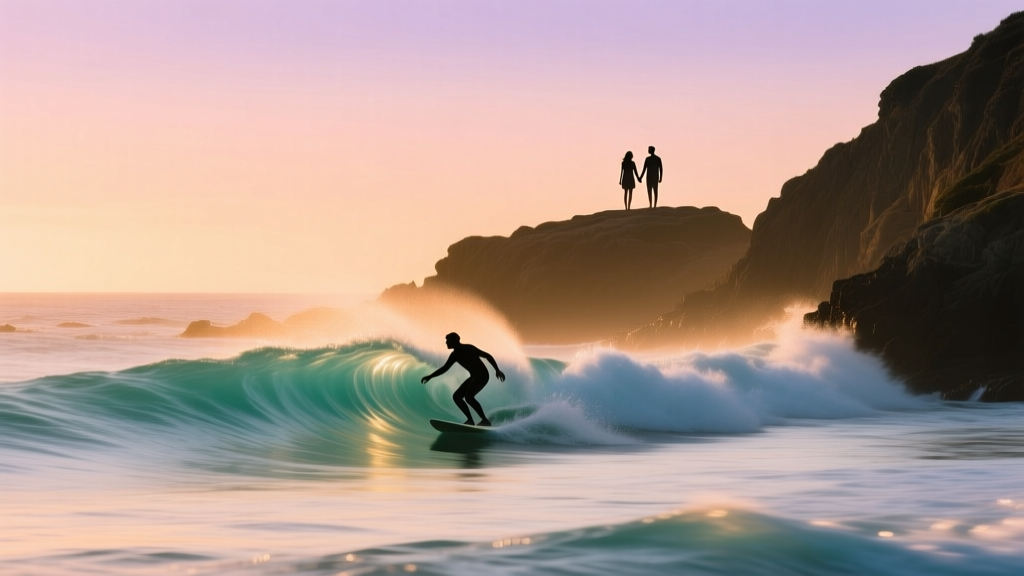
Surfing Proposal Catch the Wave of Love
Some proposals feel like fireworks—loud, bright, over in a flash. A surfing proposal is different. It’s a slow build: the salt air, the hush before you paddle out, the rhythm of the ocean, and that shared grin you only get after you’ve caught something together. If you and your partner love the sea (or even just love a good beach day), a surfing engagement can feel less like a performance and more like a moment that fits who you are.
There’s also something wildly romantic about choosing the ocean as your “yes” backdrop. Waves don’t rush. They keep coming back. That steady, natural promise is the kind of symbolism people try to manufacture with grand gestures—except here, it’s real. And with the right planning, you can make it practical, safe, and unforgettable.
Whether you’re both experienced surfers, total beginners, or a “one surfs, one cheers from the shore” couple, this guide will help you plan a surfing proposal that feels personal, stays calm under pressure, and ends with the best kind of wipeout: the happy, laughing kind.
Why a Surfing Proposal Works (Even If You’re Not a Pro)
A beach proposal is already a classic, but a surfing proposal adds a story. It becomes the kind of engagement tale friends actually want to hear: the early morning paddle-out, the secret signal, the waterproof plan, the beach picnic waiting after. It’s romantic, but it’s also active—very on-trend with recent proposal styles that lean into experiences over staged moments.
Recent engagement trends show couples choosing proposals that match their real routines: travel proposals, outdoor adventure proposals, intimate “just us” moments, and low-key celebrations that still feel meaningful. A surfing proposal hits that sweet spot. It can be private without being boring, spectacular without being showy, and it builds a memory around something you’ll do again—because you’ll always have that beach.
Choose Your Surf Proposal Style
1) The “Paddle Out, Pop the Question” Proposal
This one is for couples who surf together or at least feel confident in the water. You time a calm day, paddle out to a gentle break, and propose either on your board (not recommended unless you’re extremely steady) or after you paddle back in, when adrenaline is high and smiles are easy.
2) The “Message on the Board” Proposal
A timeless romantic gesture with a surfing twist: write “Will you marry me?” on a surfboard. You can use removable vinyl lettering, a waterproof marker on a board sock, or a custom-painted board if you want a keepsake. The key is to reveal it naturally—like flipping the board over after a session.
3) The “Beach Crew Surprise” Proposal
You surf (or pretend you’re going for a quick paddle), and your friends set up a simple shoreline scene: candles in hurricane jars, a blanket, flowers, maybe a sign made from driftwood. When you come back in, it’s waiting. This works well if your partner prefers solid ground and you want a photographer nearby without it feeling obvious.
4) The “Sunrise Lesson” Proposal (Beginner-Friendly)
Book a private surf lesson while traveling or on a weekend getaway. After the lesson, when you’re both sandy and proud of yourselves, propose during a quiet beach walk. This is perfect for newer surfers because it keeps the actual proposal out of the waves but still tied to the surfing experience.
Step-by-Step: Planning a Surfing Engagement Proposal
Step 1: Pick the Right Beach (Not Just the Prettiest One)
Look for a spot that matches your comfort level: gentle waves, easy access, and a beach that isn’t packed if you want privacy. A picturesque point break might look stunning, but if it’s crowded with surfers and spectators, you’ll be stressed.
- Accessibility: Parking, restrooms, and a place to change matter more than you think.
- Cell service: Helpful if you’re coordinating a friend, photographer, or post-proposal dinner reservation.
- Meaning: Your “first surf together” beach beats a trendy spot you’ve never visited.
Step 2: Time It Like a Local
For a surfing proposal, timing is everything—tide, wind, crowd level, and lighting.
- Golden hour: Sunset is gorgeous, but sunrise is usually calmer, less windy, and less crowded.
- Check surf reports: A smaller, friendlier swell can be more romantic than a dramatic one.
- Weekdays win: If you can, propose on a weekday for a more intimate moment.
Step 3: Choose a Ring Strategy You Trust
Water and engagement rings are not best friends. If you’re proposing near the ocean, plan the ring like you’re planning a tiny, sparkly mission.
- Safest option: Keep the ring off the beach until the proposal moment—secured in a zipped pocket or bag with a trusted friend.
- Beach-safe presentation: Consider proposing with a ring box inside a waterproof pouch, then doing formal ring photos later.
- Alternative: Use a simple placeholder band for the beach and present the real ring afterward at dinner.
Step 4: Decide Who’s In On It
Some couples love an audience; others want a private proposal. Either can be perfect.
- Private: Just you two, plus a discreet photographer far down the shoreline with a long lens.
- Semi-private: One trusted friend to hold the ring, cue music, or capture video.
- Group celebration: A few close friends waiting with towels, hugs, and a picnic after.
Step 5: Build a “Yes Day” After the Question
The best engagement proposals don’t end at “yes.” They flow into a little celebration that feels like you.
- Simple: Beach picnic with pastries, fresh fruit, and a bottle of bubbly tucked in a cooler.
- Classic: A reservation at a waterfront restaurant (request a quiet table and mention it’s an engagement).
- Memory-maker: Book a couple’s massage or a cozy staycation nearby.
Creative, Personal Touches That Make It Yours
Personalization is what turns a cool proposal idea into your engagement story. A few meaningful details go a long way.
- Custom board art: A small painted wave with your initials and the proposal date. Subtle, timeless, and frame-worthy.
- Playlist that fits the day: Not a loud speaker situation—think a small speaker for after, during the picnic.
- Love-letter in a bottle (modern version): Write a note you read aloud after the proposal. Keep it in a waterproof pouch, not literal glass.
- Photo plan: A “first engaged photo” with sandy feet and boards in the background can feel more authentic than a posed close-up.
Real-World Scenarios (Because Ocean Plans Get Real Fast)
Scenario A: You Both Surf, But Your Partner Hates Attention
Plan a sunrise session at your usual beach. Tell your partner you want a “quick paddle and coffee after.” Leave the ring with a friend in a hoodie on the sand. After your last wave, walk up together, towel off, and propose near the waterline while it’s still quiet. Celebrate with coffee and pastries from your favorite spot—low-key, totally you.
Scenario B: Only One of You Surfs
If you surf and your partner doesn’t, make them the priority—not the spectator. Book a private beginner lesson for both of you, or plan a beach day where the surfing is a small part of the bigger experience. Propose after you’re both back on shore, warm and comfortable, maybe during a short walk where you can talk and breathe.
Scenario C: You’re Proposing on Vacation
Vacations are popular for engagement proposals, but they can feel rushed. Keep it simple: pick one beach day, scout the spot the day before, and choose a time with good light and fewer people. Have a backup plan like a covered lanai or a quiet lookout if the weather turns. Afterward, go to dinner and ask the restaurant to bring dessert with “Just Engaged” written in chocolate—timeless, sweet, and not overdone.
Things to Consider: Timing, Weather, Safety, and Backup Plans
- Weather changes fast: Wind can pick up, clouds can roll in, and conditions can shift. Have a Plan B location nearby (a café, a scenic overlook, even your rental’s balcony).
- Safety first: If surf is rough, skip the water portion. The best proposal is the one where everyone stays safe and relaxed.
- Privacy vs. crowd: A popular beach can still work if you choose early morning or a quieter stretch of sand.
- Keep valuables secure: Bring only what you need, and keep the ring protected and out of sight.
- Clothing matters: Plan for what happens after. Have dry clothes, a warm layer, and a towel ready so you’re comfortable for photos and celebrating.
Common Mistakes to Avoid (Proposals + Early Engagement)
- Trying to propose mid-wave: It sounds epic, but it’s risky, distracting, and easy to fumble. Save the ring for solid ground.
- Overcomplicating the surprise: If you need ten people, three props, and perfect timing to pull it off, stress will steal the joy. Keep the plan simple and meaningful.
- Forgetting what your partner actually wants: Some people love a public proposal; others would rather melt into the sand. The best engagement is one that matches their personality.
- No post-proposal plan: Even a small celebration counts. A plan helps you soak it in rather than wondering what to do next.
- Early engagement overwhelm: After the “yes,” don’t feel pressured to announce everything immediately or start wedding planning that night. Enjoy the moment, tell your closest people, and let it land.
Catch the Wave, Keep the Feeling
A surfing proposal is romantic because it’s alive—full of motion, anticipation, and that heart-thumping feeling when you commit to something bigger than you. It’s also practical when you plan it well: the right beach, the right timing, a safe ring strategy, and a backup plan that keeps the day sweet no matter what the ocean decides.
When your partner says “yes,” you’ll remember the details you can’t stage: the way the air smelled, how your hands shook a little, the sand stuck to your skin, and the relief and joy that came rolling in like the next set. That’s the kind of engagement story you’ll tell for years—warm, specific, and unmistakably yours.
If you’re planning your proposal or newly engaged and looking for more real-life ideas, timing tips, and meaningful ways to celebrate, explore more engagement content on weddingsift.com.
More Articles
 Engagement Photo Outfit Guide: What to Wear
 How to Plan a Proposal at a Rooftop Piano Lounge
 How to Plan a Proposal That Reflects Your Relationship
 How to Plan a Proposal at a Historic Windmill
 How to Plan a Proposal at a Private Island
 Propose With Wedding Ring? The Truth (2026)
 How to Propose at a Concert or Live Event
 How to Handle Proposal Nerves and Stay Calm
 Proposal During a Tulip Field Walk Dutch Romance
 Engagement Ring Shopping Timeline