## The Ring Order Question Every Bride Asks
You've said yes, you've planned the wedding, and now you're standing at the altar wondering: which ring goes on first? It sounds like a small detail, but getting it wrong can feel awkward — and you'll be wearing these rings every day for the rest of your life. The good news is there's a clear tradition, a practical reason behind it, and plenty of room to make it your own.
---
## The Traditional Order: Wedding Ring First, Closest to the Heart
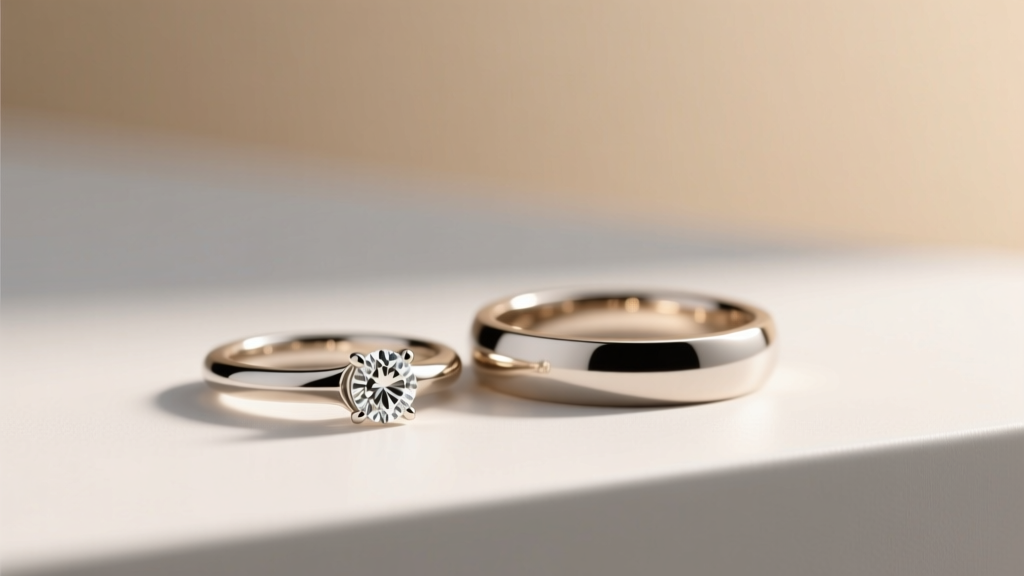
The widely accepted tradition is to wear your **wedding ring on the inside** (closest to your heart) and your **engagement ring on the outside**. This means:
1. **On your wedding day**, move your engagement ring to your right hand before the ceremony.
2. **During the ceremony**, your partner places the wedding band on your bare left ring finger.
3. **After the ceremony**, slide your engagement ring back on top of the wedding band.
This order keeps the wedding ring — the symbol of your vow — nearest to your heart. It also has a practical origin: in many cultures, the ring finger was believed to contain the *vena amoris* (vein of love) running directly to the heart.
**Why it matters practically:** Wearing the wedding band on the inside protects it from slipping off, since the engagement ring acts as a guard ring above it.
---
## How to Switch Rings on Your Wedding Day (Step-by-Step)
Many brides forget to plan this transition and end up fumbling at the altar. Here's how to handle it smoothly:
- **The night before:** Practice moving your engagement ring to your right hand so it feels natural.
- **Morning of the wedding:** Move the engagement ring to your right ring finger before you leave for the venue.
- **During the ceremony:** Your left ring finger is bare and ready for the wedding band.
- **After the ceremony (or at the reception):** Slide the engagement ring back onto your left hand, on top of the wedding band.
Some brides ask a bridesmaid or maid of honor to hold the engagement ring during the ceremony as a backup plan — a smart move if you're worried about losing it in the excitement.
---
## Modern Alternatives: Rules Are Yours to Break
Not everyone follows the traditional engagement ring and wedding ring order, and that's perfectly fine. Here are popular alternatives:
- **Engagement ring on top, wedding band below:** Some people simply prefer the look of the engagement ring sitting on the outside. There's no rule against it.
- **Soldered or welded rings:** Many couples choose to have both rings permanently joined by a jeweler after the wedding. This eliminates the order question entirely and prevents the rings from spinning or separating.
- **Separate hands:** Wear the engagement ring on the right hand and the wedding band on the left — common in several European and Latin American countries.
- **Stacked sets:** Some engagement rings are designed as a *bridal set* with a matching contoured wedding band that fits flush underneath, making the traditional order the only comfortable option.
The "correct" order is ultimately the one that feels right and looks best on your hand.
---
## Common Myths About Wearing Engagement and Wedding Rings
**Myth 1: You must wear both rings at all times.**
Not true. Many people remove their rings during exercise, cooking, cleaning, or sleeping to protect the metal and stones. What matters is that you wear them when it counts — not that they never leave your finger.
**Myth 2: The engagement ring always goes on top.**
This is actually backwards from the traditional rule. The *wedding band* goes closest to the finger (on the inside), with the engagement ring sitting above it. The confusion likely comes from the fact that the engagement ring is often the more prominent, decorative piece — but prominence doesn't mean it goes first.
---
## Your Simple Next Step
The traditional order — **wedding band inside, engagement ring outside** — exists for good reason and works beautifully for most people. If you're getting married soon, practice the ring swap before your wedding day so it's second nature at the altar.
Not sure the traditional order suits your ring style? Talk to your jeweler about a contoured wedding band or soldering option. A five-minute conversation can save you years of rings that don't sit right.
Wear them in whatever order makes you happy — because at the end of the day, both rings represent the same commitment.
 How to Plan a Proposal at a Museum or Gallery
 Ski Lift Proposal High Altitude Romance
 Engagement Party Planning: Everything You Need to Know
 Proposal Etiquette Asking Parents for Blessing in 2026
 Beach Proposal Ideas for Sunset Romance
 Creative Proposal Ideas That Will Sweep Her Off Her Feet
 Engagement Photo Session: Planning Guide
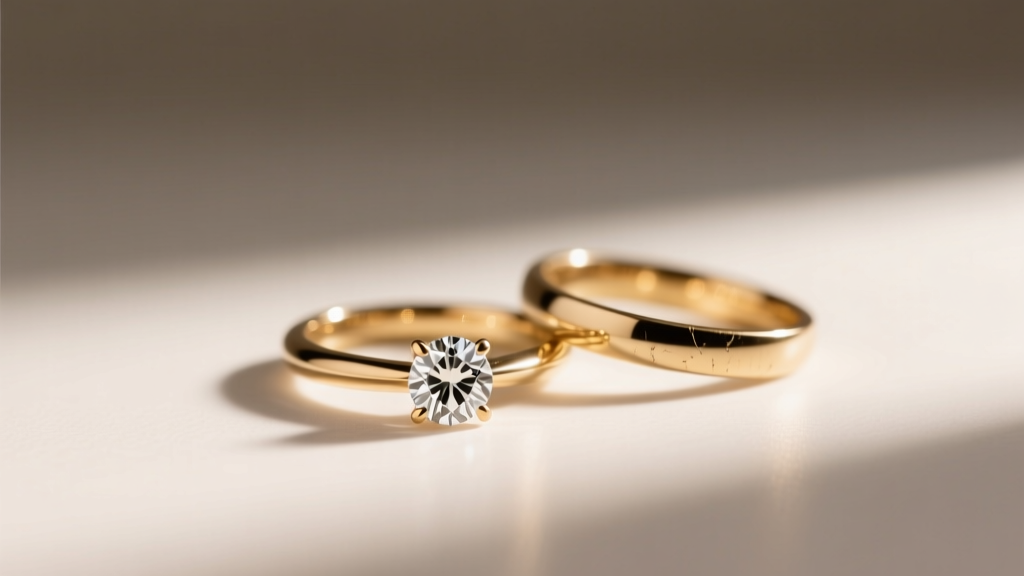 Engagement vs Wedding Ring: What to Know Before Proposing
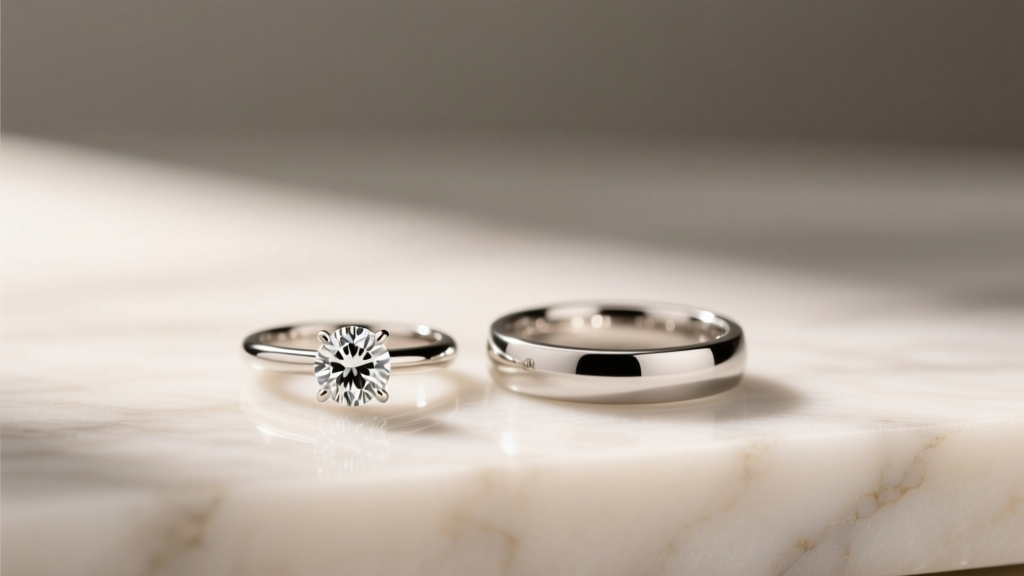 Do You Wear Your Engagement Ring or Wedding Ring First?
 Engagement Party Etiquette: Modern Rules