## The Wedding Ring Finger: Everything You Need to Know
You're about to make one of the most symbolic gestures of your life — sliding a ring onto your partner's finger. But which finger is the wedding ring finger, exactly? And does it actually matter? Whether you're planning your ceremony or just curious, getting this right means understanding centuries of tradition, cultural variation, and a little anatomy.
---
## The Traditional Answer: The Fourth Finger, Left Hand
In most Western countries — including the United States, the United Kingdom, Canada, and Australia — the wedding ring is worn on the **fourth finger of the left hand**, commonly called the "ring finger."
This tradition dates back to ancient Rome and the belief in the *Vena Amoris*, or "Vein of Love" — a vein thought to run directly from that finger to the heart. While modern anatomy has debunked this (all fingers have similar vascular connections), the romantic symbolism stuck and shaped centuries of Western wedding custom.
**Key facts about the left-hand tradition:**
- The fourth finger sits between the middle finger and the pinky
- Most Western jewelers size engagement and wedding rings for this finger
- The engagement ring is typically worn on the same finger, either stacked above or below the wedding band
- On the wedding day, many brides temporarily move the engagement ring to the right hand so the wedding band can be placed first, closest to the heart
---
## Right Hand Traditions Around the World
Not every culture follows the left-hand rule. In fact, a significant portion of the world wears the wedding ring on the **right hand**.
**Countries where the right hand is traditional:**
- **Germany, Austria, Norway, and Spain** — the right hand is the standard wedding ring hand
- **Russia, Greece, and Ukraine** — Eastern Orthodox Christian tradition places the ring on the right
- **India** — in many Hindu ceremonies, the right hand is considered more auspicious
- **Brazil and Colombia** — couples wear engagement rings on the right hand, switching to the left after marriage
The right-hand tradition often has religious or cultural roots. In Orthodox Christianity, the right hand is associated with oaths and blessings. In some Hindu traditions, the left hand is considered inauspicious for sacred rituals.
**Practical takeaway:** If you or your partner come from a different cultural background, discuss which hand feels most meaningful. There is no universally "correct" answer.
---
## Same-Sex Couples and Modern Variations
Contemporary couples increasingly personalize which finger the wedding ring goes on. Same-sex couples may choose either hand based on personal preference, cultural background, or simply what feels right. Some couples wear rings on necklaces or on different fingers entirely due to work constraints (medical professionals, athletes, and tradespeople often cannot wear rings safely).
**Common modern alternatives:**
- Silicone rings worn on the traditional ring finger for active lifestyles
- Tattooed ring bands as a permanent, wearable alternative
- Wearing the ring on a chain necklace when hand-based wearing isn't practical
- Thumb rings or middle finger rings chosen purely for aesthetic reasons
The meaning comes from the commitment, not the specific finger.
---
## Stacking: Engagement Ring and Wedding Band Together
A common question is how to wear both the engagement ring and the wedding band on the same finger. The traditional Western approach:
1. **Before the ceremony:** wear the engagement ring on the left ring finger
2. **During the ceremony:** move the engagement ring to the right hand temporarily
3. **After the ceremony:** slide the wedding band onto the left ring finger first (closest to the heart), then return the engagement ring on top
This stacking order — wedding band closest to the hand, engagement ring on top — is the most widely followed convention, though many couples reverse it or wear them on separate fingers based on ring design or comfort.
---
## Common Myths About the Wedding Ring Finger
**Myth 1: There is one universally correct finger for a wedding ring.**
Fact: Tradition varies significantly by country, religion, and culture. The left fourth finger is dominant in Western countries, but the right fourth finger is equally traditional across much of Europe, Eastern Europe, and parts of Asia. Neither is more "correct" — both are deeply rooted in legitimate cultural practice.
**Myth 2: The Vena Amoris (Vein of Love) is a real anatomical structure.**
Fact: Ancient Romans believed a vein ran directly from the left ring finger to the heart, which is why they chose that finger. Modern anatomy shows this is not accurate — the vascular structure of all fingers is essentially the same. The tradition persisted not because of biology, but because of the enduring power of the romantic idea behind it.
---
## What to Do Next
Now that you know which finger the wedding ring traditionally goes on — and that tradition varies more than most people realize — the best next step is simple: **have the conversation with your partner.** Decide together whether you'll follow the Western left-hand convention, a right-hand tradition from your cultural background, or forge your own path entirely.
Once you've decided on the finger, get both rings properly sized by a jeweler for that specific hand and finger. Sizing can differ slightly between left and right hands, and between fingers, so don't assume your engagement ring size automatically applies to your wedding band.
The finger matters far less than the meaning behind the ring. Choose what feels right for you both.
 Scavenger Hunt Proposal Fun and Personal
 Proposal During a Sunrise Over the Ocean New Dawn
 Will You Marry Me" Proposal Mistakes to Avoid (2026)
 Proposal During a Rainforest Walk Tropical Romance
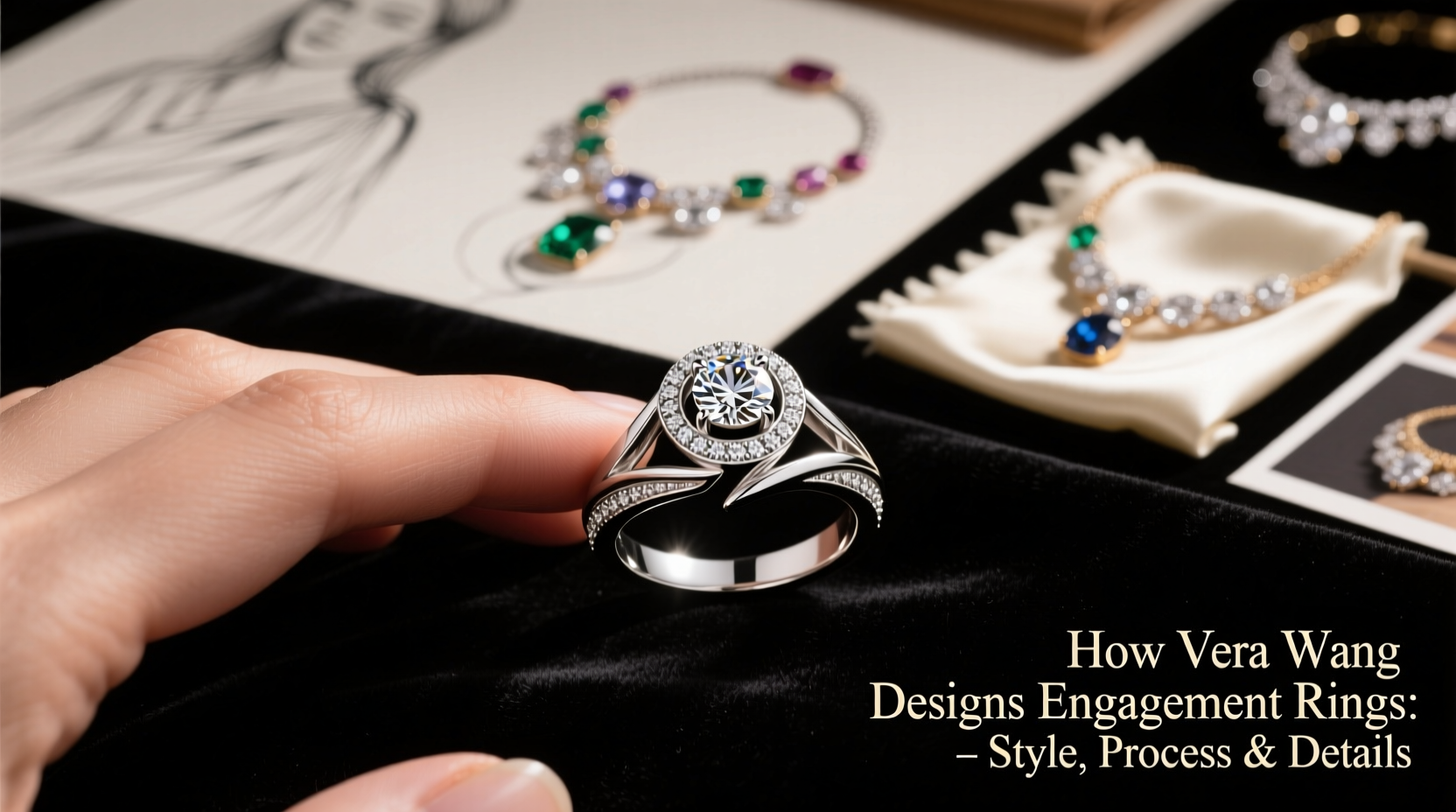 Vera Wang Engagement Rings: How They’re Designed
 Best Planning for World: A Practical, Evidence-Based Framework for Global Impact
 How to Plan a Proposal at a Rooftop Piano Lounge
 Ski Lift Proposal High Altitude Romance
 Best Venue for Real: Data-Driven Criteria, Real-World Case Studies, and Measurable ROI
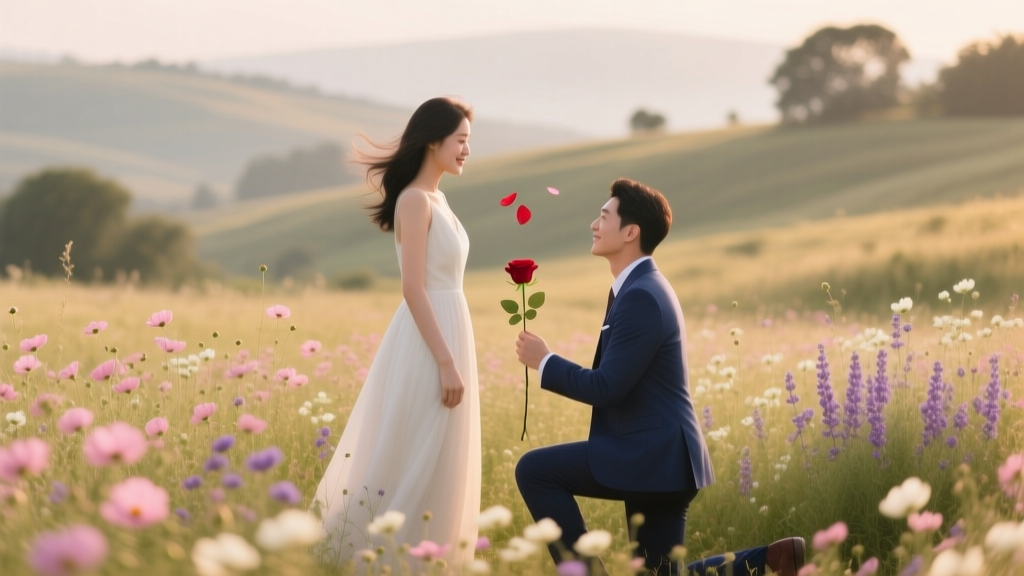 Proposal at a Wildflower Meadow Natural Splendor