## Which Hand Is the Wedding Ring Finger? The Truth Revealed
You're standing at the altar, ring in hand, and suddenly you're not sure — left or right? You're not alone. Millions of couples second-guess this moment every year. The answer depends on where you live, your cultural background, and even your personal beliefs. Here's everything you need to know so you never hesitate again.
---
## The Western Tradition: Left Hand, Fourth Finger
In the United States, the UK, Canada, and Australia, the wedding ring goes on the **fourth finger of the left hand** — commonly called the "ring finger." This tradition dates back to ancient Rome and the belief in the *Vena Amoris*, or "Vein of Love" — a vein thought to run directly from that finger to the heart.
While modern anatomy has debunked the vein myth, the tradition stuck. Today, wearing the wedding band on the left ring finger is the dominant custom across most English-speaking and Western European countries.
**Actionable tip:** If you're getting married in the US or UK, plan to wear your engagement ring on your right hand during the ceremony, then move it back over the wedding band afterward — or stack them in whichever order feels comfortable.
---
## Right-Hand Traditions Around the World
Not every culture follows the left-hand rule. In many countries, the **right hand** is the traditional wedding ring hand:
- **Germany, Austria, Norway, Spain, India, Greece** — couples wear wedding rings on the right ring finger
- **Russia, Poland, Ukraine, Colombia** — right hand is standard
- **Jewish tradition** — the ring is placed on the right index finger during the ceremony, then often moved afterward
The right-hand tradition often stems from religious or cultural symbolism. In many Orthodox Christian and Catholic traditions, the right hand is associated with oaths and sacred vows.
**Actionable tip:** If you or your partner comes from a different cultural background, discuss which hand feels most meaningful *before* the wedding day. There's no universal rule — only the one that matters to you.
---
## Same-Sex Couples and Modern Choices
For same-sex couples, there is no single prescribed tradition, which many find liberating. Most couples in Western countries follow the left-hand convention, but others choose the right hand, matching fingers, or even alternative fingers based on personal preference.
Some couples choose to wear rings on **both hands** — one for the engagement ring, one for the wedding band — as a personal statement.
**Actionable tip:** Choose the hand and finger that feels right for your relationship. Jewelers and officiants have seen every variation — there's no wrong answer.
---
## Stacking Engagement and Wedding Rings
A common question alongside *which hand is the wedding ring finger* is: **which ring goes on first?**
Traditionally, the wedding band is placed closest to the heart (innermost), with the engagement ring stacked on top. To achieve this:
1. Move your engagement ring to your right hand before the ceremony
2. Receive the wedding band on your left ring finger
3. After the ceremony, slide the engagement ring back on top
Alternatively, many couples solder or weld the two rings together for a seamless look.
---
## Common Myths About the Wedding Ring Finger
**Myth 1: There's one universal rule for which hand to use.**
Fact: There is no global standard. Left hand is common in Western countries; right hand dominates in much of Europe, Latin America, and parts of Asia. Your cultural background and personal preference are what matter.
**Myth 2: The Vena Amoris (Vein of Love) is real.**
Fact: Ancient Romans believed a vein ran directly from the left ring finger to the heart. Anatomically, this is not true — all fingers have similar vascular connections. The tradition persisted long after the myth was disproven, simply because it became culturally embedded.
---
## The Bottom Line
The wedding ring finger is most commonly the **fourth finger of the left hand** in Western countries, but the right hand is equally valid and traditional in many cultures worldwide. What matters most is the meaning you and your partner attach to the gesture.
**Your next step:** Talk with your partner today about which hand feels right for both of you — and if you come from different traditions, consider honoring both. The ring is a symbol; the hand it's on is your choice.
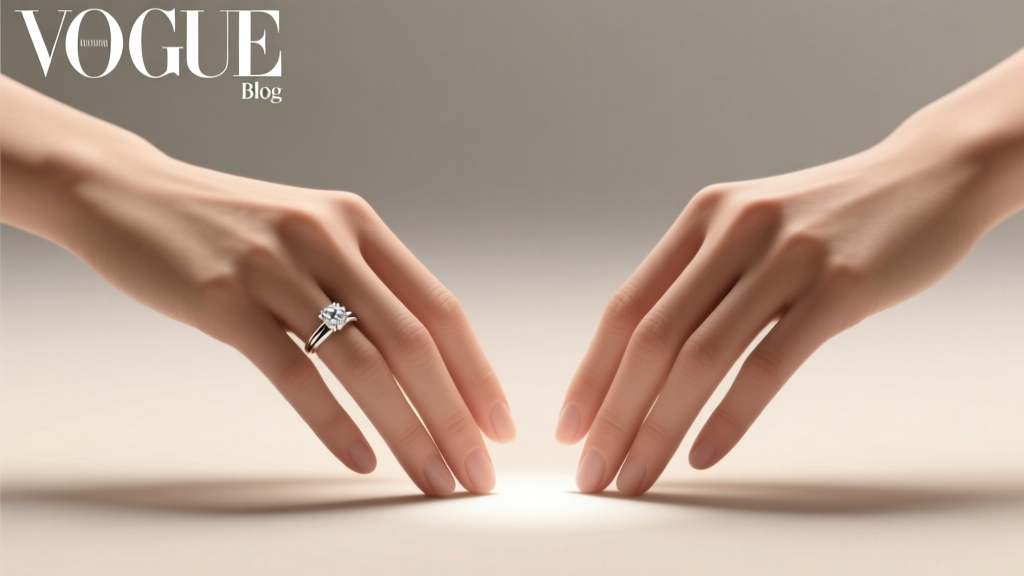
 Proposal at a Wildflower Meadow Natural Splendor
 Traditional Care and Maintenance: Time-Tested Practices That Still Deliver Results
 Proposal During a Firefly Night Magical Summer
 How to Plan a Proposal at a Rooftop Fire Pit
 How to Plan a Proposal at a Historic Castle
 12 Unique Engagement Photo Ideas for 2026
 Proposal at a Secret Cove Hidden Coastal Gem
 Match vs. Tested: A Rigorous, Data-Driven Comparison of Two Leading Engagement Platforms
 Proposal at a Botanical Garden at Dusk Twilight Magic
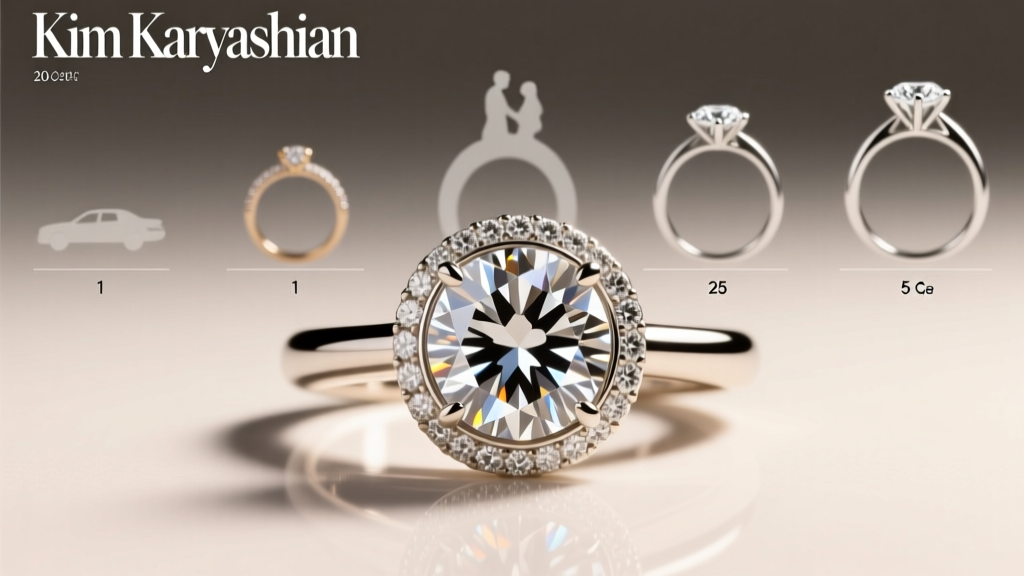 Kim K’s Wedding Ring Carats: Truth vs. Illusion (2026)