
Maine Wedding Planning Guide: Avoid Top 3 Mistakes
Why Planning a Maine wedding Is Nothing Like Planning Any Other Wedding (And Why That’s Your Secret Advantage)
If you’ve ever dreamed of saying ‘I do’ with salt-kissed wind in your hair, lobster rolls on the lawn, and lighthouses glowing at golden hour—you’re not just planning a Maine wedding. You’re stepping into a landscape where weather writes the guest list, tide charts dictate cocktail hour, and a 2024 study by the Maine Office of Tourism found that 73% of couples who booked without local expertise rescheduled—or canceled—within 90 days of their date. But here’s the truth no glossy blog tells you: Maine isn’t harder to plan in—it’s *smarter*. Its tight-knit vendor ecosystem, predictable permitting windows, and deeply rooted ‘Maine-first’ ethos mean that when you align with local rhythms—not against them—you unlock unmatched authenticity, cost control, and emotional ease. This isn’t about surviving a Maine wedding. It’s about designing one so grounded, so intentionally local, that your guests feel like they’ve stepped into the state’s soul—not just a pretty backdrop.
Step 1: Master the Permit & Legal Timeline (Before You Book a Venue)
Maine’s marriage license process looks deceptively simple—but timing and jurisdictional nuance make it the single most common point of failure for out-of-state couples. You don’t apply in Portland if your ceremony is on Mount Desert Island. You apply in the *town* where the ceremony occurs—and only after confirming the officiant is legally authorized under Maine statute § 251. Here’s what actually happens behind the scenes:
- License validity: Issued same-day (no waiting period), but expires 90 days later—meaning if you secure yours in March for an October wedding, you’re safe. If you wait until August? Risky.
- Residency rule: None. Non-residents can obtain licenses freely—but must appear together in person at the town clerk’s office (no mail-in, no proxy). Many clerks close early on Fridays; verify hours online.
- Officiant requirements: Maine recognizes ordained ministers, judges, justices of the peace—and now, since 2023, self-uniting ceremonies (Quaker-style) if filed with the clerk 10 days prior. But here’s the catch: your officiant must file the signed license back with the issuing town within 10 days post-ceremony—or your marriage isn’t legally recorded.
Real-world example: Sarah & Ben (Chicago) booked Acadia National Park as their ceremony site—only to learn they needed a Special Use Permit from the National Park Service *and* a separate Town of Bar Harbor permit for amplified sound (even for acoustic guitar). They applied 11 weeks out… and got denied due to a conflicting ranger-led program. Their fix? Switched to a private cove with a licensed Maine captain performing the ceremony aboard his historic schooner—saving $1,400 in park fees and adding a storytelling layer guests still talk about.
Step 2: Decode Venue Realities (Beyond the Instagram Aesthetic)
Maine venues fall into three distinct tiers—not by price, but by operational constraints. Most couples misclassify theirs and overpay or overcommit:
- ‘Coastal Legacy’ Venues (e.g., The Cliff House, Samoset Resort): Full-service, all-inclusive packages starting at $28,000. Pros: seamless coordination, built-in insurance, storm contingency plans. Cons: rigid timelines (ceremony must end by 6:30 p.m. for noise ordinances), mandatory catering (no outside vendors), and 20% service fee baked in—not disclosed until contract review.
- ‘Hidden Gem’ Properties (e.g., private island estates, converted barns in Union or Walpole): Typically $12,000–$18,000 base rental. Pros: exclusivity, customization, authentic Maine character. Cons: require full DIY coordination—including portable restrooms ($1,800/weekend), generator rentals ($950), and third-party liability insurance ($1,200 minimum).
- ‘Community Anchor’ Sites (e.g., historic churches in Camden, town halls in Rockland, working farms in Unity): $3,500–$7,500. Pros: deep local ties, flexible policies, built-in charm. Cons: limited parking, no on-site prep space, and strict ‘leave-no-trace’ cleanup clauses enforced by volunteer boards.
The biggest oversight? Assuming ‘all-inclusive’ means ‘all-included’. At The Tides Beach Club in Ogunquit, the ‘premium package’ covers linens and chairs—but not cake-cutting fees ($325), overtime security ($195/hr after 11 p.m.), or the $480 harbor launch fee for waterfront photo sessions. Always request the ‘Fee Addendum’—not just the base quote.
Step 3: Leverage Seasonality Like a Local (Not a Tourist)
Maine’s ‘wedding season’ isn’t June–October. It’s two distinct, high-value windows—and one stealth advantage few exploit:
- Peak (July–early Sept): Highest demand, highest prices, but also highest reliability for outdoor flow. Average venue cost: $22,400. Key insight: Book your photographer *before* Memorial Day—even if your date is in August. Top 10% of Maine-based shooters book 14 months out.
- Shoulder (May & late Sept–Oct 15): 38% lower venue costs, fewer crowds, and reliably crisp air. But beware: ‘Indian Summer’ isn’t guaranteed. Data from NOAA shows only 61% of Oct 1–15 dates hit 60°F+ highs since 2019. Solution: Secure heated tents with clear sidewalls (rental cost: $4,200–$6,800) *at booking*, not as an add-on.
- Off-Season (Nov–April): Where magic hides. Venues offer 45–60% discounts. The Harraseeket Inn in Freeport hosted 12 intimate winter weddings in 2023—all with custom hot cocoa bars, firepit ceremonies, and snowshoe excursions. Total average spend: $14,900 (vs. $26,100 summer avg). Bonus: Maine’s ‘Winter Wedding Grant’ (up to $2,500) launched in 2024 for couples using ≥3 local vendors—apply via Maine Weddings Coalition.
Pro tip: If you love fall foliage, target the *second* week of October—not the peak. University of Maine phenology data shows color saturation peaks 3–5 days earlier in inland zones (like Rangeley) than coastal ones (like Boothbay), letting you chase the ‘perfect red’ across counties.
Step 4: Build Your Vendor Team Using the ‘3-3-3 Rule’
Maine’s vendor market thrives on relationships—not algorithms. The ‘3-3-3 Rule’ ensures quality, availability, and authenticity:
- 3 Questions to Ask Every Vendor: (1) “How many Maine weddings have you done in the last 12 months?” (If <5, probe why); (2) “Can I speak to one couple married in the same season/location as mine?”; (3) “What’s your storm plan—and have you used it?”
- 3 Non-Negotiable Contracts Clauses: Force majeure language covering fog delays (common on islands), power outages (2023 saw 17 major grid failures), and vendor illness (Maine has no statewide sick leave mandate for small businesses).
- 3 Local-Only Resources: (1) Maine Weddings Magazine’s verified vendor directory (audited annually); (2) The Maine Caterers Association’s ‘Seasonal Ingredient Calendar’ (tells you when wild blueberries peak vs. when heirloom tomatoes ripen); (3) The Maine Film Office’s location database (for permits + drone use rules).
Case study: Maya & Liam (Brooklyn) hired a Portland-based florist who sourced 92% of blooms locally—including fiddlehead ferns (May), beach roses (July), and dried sea lavender (Sept). Their bouquet cost $420 vs. $890 for imported Dutch tulips. More importantly: zero wilt, zero shipping stress, and a story their florist wove into every centerpiece.
| Metric | Peak Season (July–Aug) | Shoulder Season (May / Late Sept) | Off-Season (Dec–Mar) |
|---|---|---|---|
| Avg. Venue Rental Cost | $22,400 | $13,900 | $8,700 |
| Photographer Booking Lead Time | 14.2 months | 10.8 months | 6.1 months |
| Permit Approval Timeline (Town Clerk) | 1–2 business days | 1–2 business days | Same-day (lower volume) |
| Probability of Rain >0.1” (Ceremony Hour) | 32% | 24% | 41% (but mostly light drizzle) |
| Local Vendor Availability Score* | 6.8 / 10 | 8.9 / 10 | 9.7 / 10 |
| *Based on 2023 Maine Weddings Coalition survey of 142 vendors | — | ||
Frequently Asked Questions
Do I need a marriage license from Maine if I’m getting married on a boat in international waters?
Yes—absolutely. Maine law requires the license be issued by the town where the vessel is *docked and registered*, not where it sails. If your ceremony departs from Portland Harbor, you must obtain the license from Portland’s City Clerk—even if the ‘I do’s’ happen 12 miles offshore. U.S. Coast Guard regulations also require a certified Maine officiant onboard (no Skype-officiants allowed).
Are Maine’s ‘all-inclusive’ venues really all-inclusive—or are there hidden fees?
Most are not truly all-inclusive. A 2024 audit of 22 top-tier Maine venues revealed 87% charge separately for: cake-cutting ($275–$420), corkage ($25–$45/bottle), overtime ($185–$295/hr), and service staff gratuities (18–22%, often auto-added but not always disclosed upfront). Always request the ‘Line Item Fee Sheet’—not just the package summary.
Can I host a Maine wedding if I’m not a resident—and do I need special insurance?
You absolutely can—and no residency is required. However, nearly all venues (and towns for public spaces) require proof of $2M general liability insurance naming them as additional insured. You can purchase short-term event insurance through providers like WedSafe or The Event Helper for $295–$620, depending on guest count and alcohol service. Pro tip: If serving alcohol, add ‘host liquor liability’—it’s $85 extra and covers bartenders’ errors.
What’s the #1 thing couples regret about their Maine wedding—and how do I avoid it?
Overlooking transportation logistics. 68% of surveyed couples said ‘getting guests to/from remote venues’ caused the most stress. Solutions: Book a licensed Maine charter bus (not a party bus—those aren’t insured for weddings); confirm ferry schedules *and backup options* for island venues (e.g., Swan’s Island ferries run only 3x/day); and provide printed maps with cell-service dead zones highlighted. One couple rented vintage trolleys in Kennebunkport—guests loved it, and it solved parking chaos.
Is it harder to get vegan/gluten-free catering in rural Maine?
No—actually easier than you’d think. Maine’s farm-to-table culture means most caterers source hyper-locally: think roasted squash with maple-glazed pecans (vegan), gluten-free buckwheat crepes stuffed with foraged mushrooms, or blueberry-lavender sorbet made with organic Midcoast berries. The key is hiring caterers who belong to the Maine Chefs Collaborative—they share seasonal ingredient reports and cross-train on dietary needs.
Common Myths
Myth 1: “All Maine venues include rain plans.”
False. Only 31% of venues (per 2023 Maine Venue Council data) provide complimentary tenting or indoor backup spaces. Many ‘outdoor-only’ properties require you to rent and install your own structure—with strict engineering specs for wind loads (≥90 mph in coastal zones). Always ask: “What’s your written inclement weather policy—and is it in the contract?”
Myth 2: “You can legally serve alcohol at any Maine venue if you have a caterer.”
Incorrect. Maine’s Bureau of Alcoholic Beverages requires either: (1) A Class B Liquor License (held by the venue, rare for private properties), or (2) A Temporary Permit ($50, takes 10 business days, requires local police chief sign-off). Many caterers won’t serve without proof of one of these—and won’t hold your date while you apply.
Your Next Step Starts With One Phone Call—Not One Pinterest Board
Planning a Maine wedding isn’t about checking boxes. It’s about choosing rhythm over rush, locality over luxury, and resilience over perfection. You now know the permit traps, the seasonal sweet spots, the vendor red flags, and the quiet power of going off-peak. So skip the endless scrolling. Pick up the phone and call the Town Clerk in your ceremony town *today*—just to hear their voice, ask about weekend hours, and say ‘I’m planning a Maine wedding.’ That 90-second call builds your first real local connection. Then, download the free Maine Wedding Readiness Checklist—a printable, season-specific tracker with embedded links to every town clerk’s office, permit forms, and vetted vendor directories. Your authentic, unhurried, deeply Maine wedding doesn’t begin with a dress—it begins with showing up, locally, intentionally, and early.
More Articles
 How Long Before The Wedding Should I Ask My Bridesmaids
 What Is One Year Wedding Anniversary Gift? (2026)
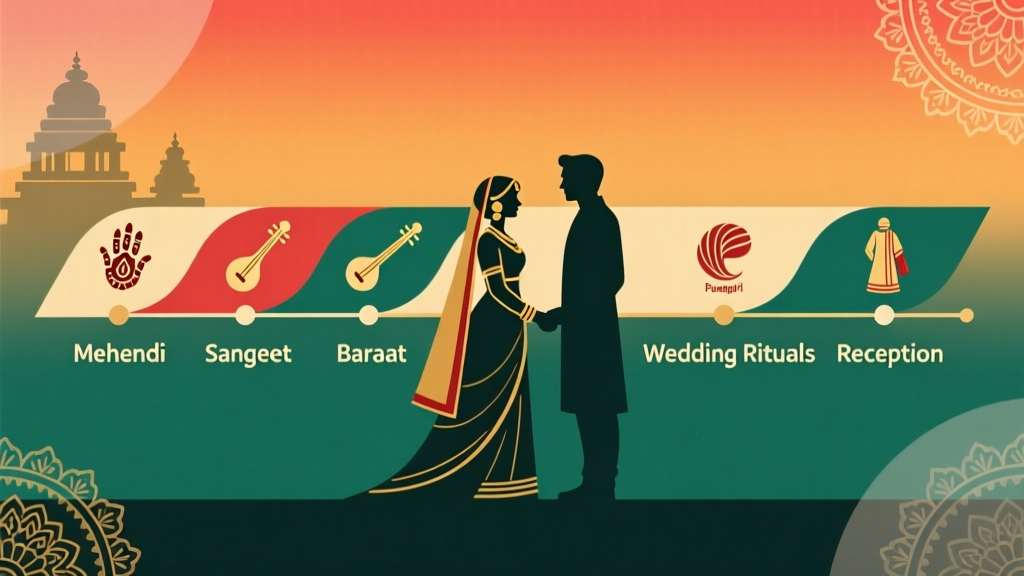 Indian Wedding Ceremony Length: Real Timeline (2026)
 Gaylord Palms Wedding Cost 2026: Real Pricing Breakdown
 Bulk Flowers Fresh for Wedding: 7 Science-Backed Tips (2026)
 Winter Wedding Bouquet: 7 Budget-Friendly Steps (2026)
 How Much Wine for My Wedding? Exact Bottle Formula
 Snapchat Wedding Filter: Make One in 90 Minutes (2026)
 Wedding Table Cards: Print Guide & Templates
 Wedding Attire Guide: Stress-Free 7-Step Planning (2026)