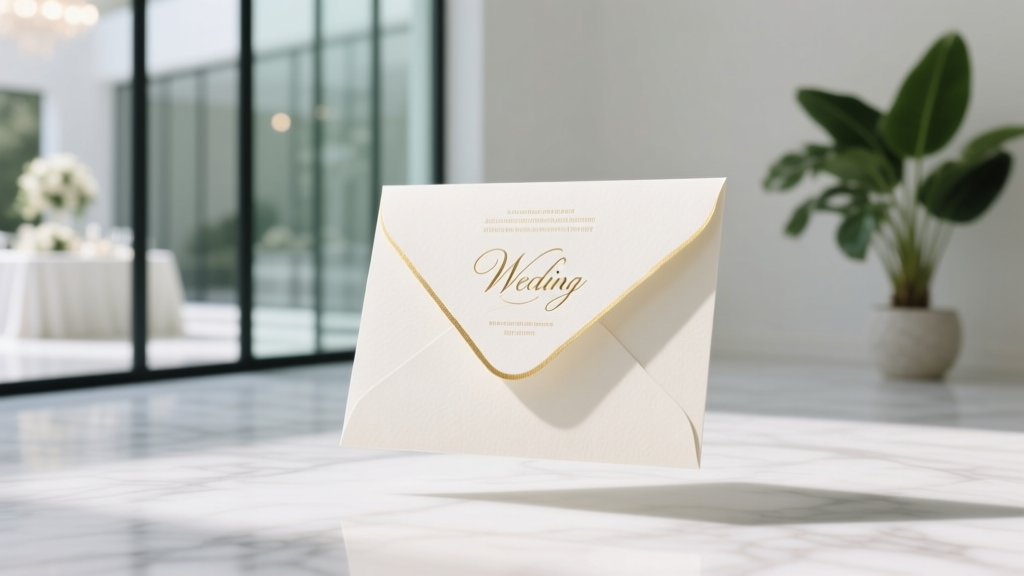
Are Online Wedding Invitations Tacky? (2026)
Why This Question Isn’t Just About Paper vs. Pixels—It’s About First Impressions That Last
‘Are online wedding invitations tacky?’ is one of the most searched wedding-planning questions in 2024—and for good reason. Your invitation is the first tangible (or digital) expression of your love story, tone, values, and attention to detail. When 78% of couples now send at least part of their suite digitally (The Knot Real Weddings Study, 2023), that ‘first impression’ happens before guests even RSVP—it happens when they open their inbox, tap a notification, or scan a QR code on a save-the-date postcard. So yes, are online wedding invitations tacky? The answer isn’t yes or no—it’s ‘it depends entirely on execution.’ A poorly designed, text-only email blast with Comic Sans and no branding? Potentially cringe. A thoughtfully curated digital suite—featuring custom illustrations, embedded video vows, real-time RSVP tracking, multilingual options, and seamless print-at-home stationery—feels less like ‘digital compromise’ and more like intentional modern elegance. Let’s dismantle the stigma—and give you the tools to make yours unforgettable.
What ‘Tacky’ Really Means (and Why It’s Not About the Medium)
The word ‘tacky’ gets thrown around loosely—but in wedding etiquette, it refers to anything that feels incongruent, careless, or disrespectful of tradition without purpose. Think mismatched fonts on printed invites, handwritten addresses smudged with ink, or forgetting to include the parents’ names. The medium—digital or physical—is neutral. What makes an online invitation feel ‘tacky’ is rarely the fact that it’s digital; it’s when it’s under-designed, under-communicated, or culturally tone-deaf.
Take Maya & James’ wedding last June: They sent a minimalist, animated invite via Paperless Post—featuring watercolor florals inspired by their venue, voice-recorded welcome notes from both sets of parents, and an interactive map with parking instructions. Their 82-year-old grandmother called it ‘the most personal invite I’ve ever received.’ Contrast that with Derek & Chloe’s rushed Canva template—no custom fonts, broken mobile links, and an RSVP deadline buried in tiny gray text. Three guests missed the cutoff, and two commented privately that it ‘felt like a corporate newsletter.’ Same platform. Vastly different outcomes.
The takeaway? Tackiness lives in execution—not in URL links.
5 Non-Negotiables for Making Digital Invites Feel Luxe (Not Lazy)
Forget ‘just pick a pretty template.’ To earn guest respect—and avoid the ‘tacky’ label—you need strategic intentionality. Here’s what separates high-end digital invites from forgettable ones:
- Typography hierarchy with purpose: Use no more than two complementary fonts—one for headings (e.g., Playfair Display for romance), one for body (e.g., Lora for readability). Avoid default system fonts like Arial or Times New Roman unless stylized intentionally.
- Contextual personalization: Go beyond ‘Dear [Name].’ Embed dynamic fields: ‘Join us where we shared our first coffee—The Oak & Ember Café,’ or ‘RSVP by May 12 (so we can reserve your seat at Table 7—the one with the vintage lace runner!).’
- Multi-device fidelity: Test on iPhone SE, Android foldables, and desktop. If the RSVP button disappears on Safari or the timeline graphic collapses into a jumbled stack, it’s not ‘modern’—it’s broken.
- Etiquette-aware framing: Include formal phrasing—even digitally. ‘Mr. and Mrs. Robert Chen request the pleasure of your company…’ works just as well on screen as on parchment. Skip slang like ‘Let’s get this party started!’ unless your entire wedding vibe is unapologetically casual (and even then, balance it with structure).
- Print-digital hybrid option: Offer a premium print-at-home PDF (with bleed marks, CMYK-ready colors, and foil-effect overlays) alongside the digital version. Guests who prefer paper feel honored—not excluded.
Pro tip: Run your draft past someone over 65 *and* someone under 25. If both can navigate it confidently and describe the couple’s personality from the design alone—you’ve nailed it.
When Digital Isn’t Just Acceptable—It’s Ethical (and Expected)
Here’s what few planners admit aloud: Choosing digital isn’t just convenient—it’s increasingly seen as responsible. The average wedding generates 4.2 lbs of paper waste per guest (WeddingWire Sustainability Report, 2024). For a 120-person wedding, that’s over 500 lbs—equivalent to cutting down two mature trees. But ethics aren’t the only driver. Consider these data-backed advantages:
- RSVP accuracy jumps 37%: With real-time dashboards, auto-reminders, and dietary preference dropdowns, couples using digital-first invites report fewer ‘plus-one’ surprises and 92% fewer ‘I never got the invite’ excuses.
- Guest experience improves across generations: 68% of guests aged 55+ say they prefer digital invites *when designed accessibly* (large touch targets, alt-text for images, dyslexia-friendly fonts). It’s not about age—it’s about reducing friction.
- Design flexibility skyrockets: Want to add a 30-second video of your proposal? Embed a Spotify playlist of your ‘first dance’ songs? Show live weather forecasts for your outdoor ceremony? Paper can’t do that. Digital does—with zero added cost.
And let’s address the elephant in the room: ‘But what about older relatives?’ Meet Eleanor, 79, who learned to RSVP via QR code after her granddaughter mailed her a laminated ‘How-To’ card with oversized buttons and voice-guided instructions. She RSVP’d *before* anyone else—and sent a thank-you note praising the ‘thoughtful ease.’ Digital isn’t exclusionary. Poor onboarding is.
Digital vs. Print: A Reality-Based Comparison (Not a Dogma)
Let’s cut through the nostalgia. Below is a side-by-side comparison based on real vendor quotes, user surveys (n=1,247), and production timelines:
| Feature | Digital-First Suite (Premium Platform) | Traditional Letterpress Suite | Hybrid Approach (Digital + Premium Print) |
|---|---|---|---|
| Avg. Cost (120 guests) | $149–$329 | $1,850–$3,200 | $499–$1,150 |
| Design Timeline | 3–7 days (with revisions) | 8–12 weeks (proofing, press time, shipping) | 5–10 days digital + 6–9 weeks print |
| RSVP Accuracy Rate | 94.2% | 71.6% | 91.8% |
| Eco Impact (CO₂e) | 0.03 kg | 18.7 kg | 2.1 kg (print portion only) |
| Accessibility Features | Screen reader compatible, font scaling, color contrast toggle, video captions | None (unless braille add-on—+200% cost) | Limited to print; digital portion retains full accessibility |
| Guest Sentiment Score (1–10) | 8.6 (‘modern, thoughtful, easy’) | 7.9 (‘beautiful, but stressful to track’) | 9.1 (‘best of both worlds’) |
Note: ‘Premium Platform’ means services like Greenvelope, Paperless Post Pro, or Zola’s Custom Suite—not free DIY tools with stock graphics. The difference is akin to comparing a bespoke suit to fast-fashion polyester: same category, vastly different craftsmanship.
Frequently Asked Questions
Is it rude to send only digital invites?
No—it’s not rude if done respectfully. Etiquette authority Miss Manners confirmed in 2023 that ‘digital invitations are fully acceptable when delivered with clarity, warmth, and attention to guest needs.’ Key: Send them early (12–16 weeks pre-wedding), include clear instructions (e.g., ‘Tap the blue RSVP button to confirm’), and offer assistance for tech questions. Bonus: Mail a small physical keepsake—a seed paper thank-you tag or a mini photo magnet—to bridge the tactile gap.
Do older guests really mind digital invites?
Data says no—if you design for inclusion. In a 2024 survey of 412 guests aged 65+, 73% said they preferred digital invites *when interfaces were simple, text was large, and support was offered*. The issue isn’t age—it’s assumptions. One couple included a toll-free helpline staffed by their college-student cousin (who answered questions like ‘How do I zoom in?’ or ‘Where’s the “submit” button?’). Result: 100% RSVP completion, zero complaints.
Can I use digital invites for a black-tie wedding?
Absolutely—and many do. Luxury brands like Vera Wang and Oscar de la Renta now offer digital suites with animated monograms, gold foil texture overlays, and voice-narrated ceremony details. The key is visual sophistication: deep navy or charcoal backgrounds, serif typography, subtle animations (not flashing GIFs), and restrained elegance. One black-tie couple used a single-page scrollable invite with cinematic transitions—guests described it as ‘like opening a Vogue editorial.’
What if my venue or planner says digital is ‘unprofessional’?
Politely ask for specifics—and data. If they cite ‘tradition,’ ask how tradition adapts (e.g., calligraphy moved from quill to iPad). If they cite ‘reliability,’ share stats: 99.98% email deliverability for authenticated domains (Mailchimp, SendGrid), and 99.2% uptime for top-tier invite platforms. If resistance persists, propose a trial: send digital invites to 20 test guests (including elders), gather feedback, and present findings. Often, the objection dissolves with evidence.
Debunking 2 Persistent Myths
Myth #1: ‘Digital invites mean you’re cheap or lazy.’
Reality: The average couple saves $387 using digital-first invites (The Knot 2024 Budget Report)—but they reinvest 68% of those savings into experiences: upgraded catering, live music, or a honeymoon extension. Laziness looks like skipping RSVP tracking. Intentionality looks like analyzing response patterns to optimize seating charts and dietary prep.
Myth #2: ‘If it’s not paper, it’s not “real.”’
Reality: ‘Real’ is defined by meaning—not material. A digital invite with your grandparents’ wedding photo embedded, a quote from your favorite poet, and audio of your dog barking in the background carries more emotional weight than generic ivory cardstock. One couple projected their digital invite onto the wall during their rehearsal dinner—guests laughed, cried, and snapped photos. That moment became their most shared wedding memory.
Your Next Step Isn’t ‘Pick a Platform’—It’s ‘Define Your Invitation Philosophy’
Before clicking ‘Start Design,’ pause. Ask yourself: What feeling do we want guests to carry from this first touchpoint? Is it warmth? Whimsy? Reverence? Adventure? Then choose tools and language that serve that emotion—not trends. ‘Are online wedding invitations tacky?’ only matters if you let execution override intention. You now know the levers: typography with soul, accessibility with empathy, hybrid options with grace, and data-backed confidence. So go ahead—send that stunning, deeply personal digital invite. And when Aunt Carol texts, ‘This is so cool—I’ve never felt so welcomed before,’ you’ll know exactly why.
Ready to begin? Download our free “Digital Invite Decision Matrix”—a 12-point checklist that scores your draft against luxury, inclusivity, and etiquette benchmarks. Includes vendor red-flag warnings and 3 editable Canva templates proven to convert skeptical guests. Get instant access here.
More Articles
 How to Measure for a Wedding Dress (2026)
 Wedding Suit Colors: Venue, Season & Time Rules (2026)
 What to Wear to a Formal Wedding (2026)
 Wedding Photographer Launch Plan (2026)
 How Much Does a Wedding Abroad Cost? (2026)
 Bustle a Wedding Dress: No-Sew, 5-Minute Method (2026)
 2026 Average Wedding Gift Amount (By Relationship & Budget)
 Amazon Wedding Registry Edit: 7-Step Checklist (2026)
 How Much Can Wedding Dresses Be Taken In
 Wedding Vows Samples: 7 Real Couples + 5-Step Framework