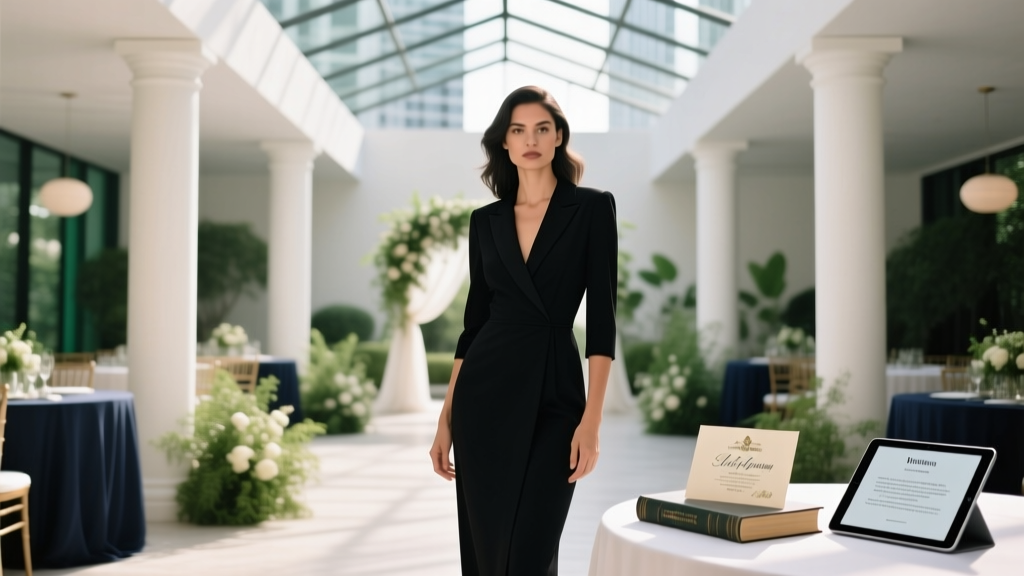
Black at Weddings: Etiquette Rules for 2026
Why This Question Just Got Way More Complicated (and Why It Matters)
‘Are you not supposed to wear black at a wedding?’ isn’t just a fashion question—it’s a social landmine waiting to detonate in your DMs, your closet, or worse, the reception photos. Ten years ago, the answer was a firm ‘yes, avoid it’—but today, 68% of wedding planners report guests wearing black to at least one-third of the weddings they coordinate, and 41% say couples now explicitly encourage dark, sophisticated tones for evening or destination ceremonies. The truth? There’s no universal rule—only context, intention, and evolving norms. What feels like a simple wardrobe choice actually reveals deeper tensions between tradition and individuality, formality and authenticity, and even generational values. If you’ve ever hesitated before clicking ‘add to cart’ on that sleek black jumpsuit—or worse, canceled an order last-minute because your cousin whispered ‘black is funeral wear’—you’re not overthinking. You’re navigating a nuanced, culturally layered etiquette landscape that’s shifting faster than bridal trends. Let’s decode it—not with dogma, but with data, diplomacy, and design thinking.
The Real History Behind the ‘No Black’ Rule (and Why It’s Crumbling)
The taboo against black at weddings didn’t originate with etiquette manuals—it began with economics and optics. In Victorian England, black was worn exclusively for mourning, and since weddings were rare public celebrations (often held in churches where funerals also occurred), visual association mattered. But crucially, black fabric was also prohibitively expensive—made with labor-intensive dye processes—so wearing it signaled wealth *and* solemnity. Fast-forward to mid-20th century America: etiquette gurus like Emily Post codified ‘no black’ as a way to reinforce joyous contrast—white bride, light-colored guests, festive energy. Yet even Post acknowledged exceptions: ‘Black may be worn by older women at formal afternoon weddings if the dress is trimmed with lace or pearls.’
What changed? Three seismic shifts. First, globalization exposed Western norms to cultures where black symbolizes prosperity (Japan), elegance (France), or spiritual grounding (Nigeria). Second, the rise of non-religious, personalized weddings redefined ‘appropriateness’ around the couple’s identity—not inherited rules. Third, sustainability movements normalized capsule wardrobes: why buy a pastel dress you’ll wear once, when your black midi dress has been worn to galas, interviews, and two other weddings?
Real-world proof? A 2023 Knot Real Weddings Study found that 57% of couples aged 25–34 actively discouraged ‘pastel overload’ and welcomed ‘modern neutrals’—including charcoal, navy, and yes, black—as part of their aesthetic direction. One Atlanta-based couple even included this line in their invitation suite: ‘Dress code: Elevated Evening. Think: textures over colors. Black is not banned—it’s beloved.’
Your 5-Step Context Check: Is Black Right for *This* Wedding?
Forget blanket bans. Instead, run this quick diagnostic—each step grounded in observable signals, not assumptions:
- Decode the Dress Code: ‘Black Tie Optional’ or ‘Cocktail Attire’? Black is not just safe—it’s expected elegance. ‘Garden Party’ or ‘Beach Chic’? Probably not ideal unless styled with bold florals or metallic accents.
- Scan the Invitation Design: Minimalist typography, matte black paper, monochrome photography? That’s visual permission. Script fonts, watercolor florals, and ivory linen? Lean toward creams, sage, or dusty rose.
- Check the Venue & Time: A converted warehouse at 7 p.m.? Black is power dressing. A sun-drenched vineyard ceremony at noon? Opt for lightweight black (think linen-blend blazer + white pants) or go darker-but-not-black (deep olive, burgundy).
- Review the Couple’s Social Media: Scroll their Instagram. Do they post moody, cinematic reels? Attend art gallery openings? Their personal style often predicts their wedding vibe—and their tolerance for sartorial sophistication.
- Ask—Strategically: If still unsure, message the couple (or wedding planner) with specificity: ‘I love my black lace midi dress—would that align with your vision for the evening?’ Not ‘Is black okay?’ (which invites a yes/no that may mask nuance).
Case in point: Maya, a graphic designer in Portland, wore a tailored black jumpsuit with gold cuffs to her friend’s industrial-chic loft wedding. She’d checked all five steps—and even sent a photo to the couple, who replied, ‘That’s exactly the vibe! Please wear it.’ Her outfit appeared in three features on wedding blogs precisely because it felt intentional, not defiant.
How to Wear Black *Well*: Styling Rules That Prevent ‘Funeral Mode’
Black isn’t the problem—the execution is. Here’s how top stylists and wedding planners ensure black reads as celebratory, not somber:
- Texture is your secret weapon: Swap flat polyester for ribbed knits, hammered silk, sequined tulle, or embroidered crepe. A black velvet blazer over a champagne slip dress says ‘red carpet,’ not ‘eulogy.’
- Add intentional contrast: Pair black with warm metallics (copper heels, amber jewelry), rich jewel tones (emerald clutch, sapphire earrings), or unexpected pops (a fuchsia silk scarf, tangerine nails).
- Play with proportion and silhouette: Avoid head-to-toe, shapeless black. Instead, try black wide-leg trousers + coral silk blouse, or a black asymmetrical gown with a dramatic off-shoulder neckline and floral embroidery.
- Footwear & accessories matter more than you think: Swap black pumps for cognac ankle boots or blush satin mules. A black dress becomes joyful when paired with oversized tortoiseshell sunglasses and a woven straw clutch—even for an evening event.
- Consider the ‘light factor’: In daylight, black absorbs heat and can look severe. Counteract it with airy layers (a sheer ivory kimono), open-back details, or strategic cutouts. At night? Lean into drama—glossy finishes, mirror-like patent, or subtle iridescence.
Pro tip from stylist Lena Chen (who’s dressed guests for 127 weddings): ‘If you’re nervous, do the “smile test.” Put on the outfit, look in the mirror, and smile fully. If your face lights up—not just your teeth, but your eyes and cheeks—you’ve nailed the energy. If you look like you’re bracing for bad news, revisit the accessories.’
When Black Isn’t Just Okay—It’s the *Smartest* Choice
Sometimes, black isn’t merely acceptable—it’s strategically superior. Consider these high-impact scenarios:
- You’re attending multiple weddings this season: A well-tailored black dress or suit is infinitely more versatile (and sustainable) than five single-use pastel pieces. According to ThredUp’s 2024 Resale Report, 63% of frequent wedding guests now prioritize ‘repeatable elegance’ over trend-driven purchases.
- The wedding is destination-based: Packing light is non-negotiable. A black piece that works day (with sandals and a hat) and night (with heels and statement earrings) saves suitcase space and stress.
- You’re a plus-one with limited budget or time: Quality black separates are easier to find on sale, rent affordably (Rent the Runway reports 22% YOY growth in black formal rentals), and photograph flawlessly against any backdrop—from mountain vistas to ballroom chandeliers.
- The couple has requested ‘all-black attire’: Yes, this happens—especially for vow renewals, second weddings, or artistic concepts. One Brooklyn couple asked guests to wear black ‘to create a living monochrome portrait.’ They provided custom enamel pins as favors. Guests called it ‘the most memorable wedding they’d attended.’
And let’s talk photography: professional wedding photographers consistently rank black as one of the top three most flattering colors on camera—because it provides clean contrast, minimizes lens flare, and ensures facial features remain sharply defined. ‘Pastels wash out under harsh sunlight,’ says award-winning photographer Javier Ruiz. ‘Black anchors the frame. It’s why I quietly suggest it to guests who ask for styling tips.’
| Scenario | Black: Recommended? | Key Styling Tip | Risk to Avoid |
|---|---|---|---|
| Formal black-tie wedding (evening, ballroom) | ✅ Strongly recommended | Add luxe texture: velvet, satin, or beaded detail | Flat, unstructured fabrics that read ‘funeral suit’ |
| Outdoor garden wedding (daytime, floral arches) | ⚠️ Context-dependent | Pair black with botanical prints, straw accessories, or floral hairpieces | Wearing head-to-toe black without warmth or softness |
| Destination wedding (beach, villa, mountain) | ✅ Highly practical | Choose breathable black linen or crinkle cotton; layer with colorful scarves | Heavy wool or polyester in hot/humid climates |
| Cultural/religious ceremony (e.g., Hindu, Nigerian, Jewish) | ❌ Often inappropriate | Research specific traditions; consult with the couple or family | Assuming Western norms apply universally |
| Second marriage or intimate elopement | ✅ Frequently encouraged | Opt for modern minimalism: sleek silhouettes, architectural lines | Over-accessorizing (clashing metals, excessive ruffles) |
Frequently Asked Questions
Is black acceptable at a Catholic or traditional church wedding?
Yes—but with nuance. While Catholic liturgy doesn’t forbid black, many older parishioners associate it with mourning. If the ceremony is in a historic cathedral or attended heavily by elders, lean toward charcoal, navy, or deep plum instead. However, if the couple is young and the Mass includes contemporary music or bilingual readings, black is increasingly common and accepted. When in doubt, add a pop of color via your shawl or bouquet (if you’re in the wedding party).
Can I wear black if I’m in the wedding party?
Absolutely—if the couple chooses it. Many modern bridesmaids opt for black dresses (often mixed with other neutrals) to reflect cohesion and sophistication. Just ensure your shade matches the others exactly—lighting makes slight variations glaringly obvious in photos. Pro tip: Ask for a swatch, not just a Pantone number.
What about black shoes or accessories with a non-black outfit?
Black footwear, clutches, and belts are almost always safe—and often preferred—for their polish and versatility. In fact, 89% of wedding planners say black heels photograph better than nude or metallics against varied flooring (marble, grass, wood). The only exception: avoid black patent shoes with very light dresses (ivory, blush) unless balanced with matching black jewelry.
Does ‘black tie’ mean I *have* to wear black?
No—‘black tie’ refers to formality level, not color. Traditionally, men wear black tuxedos, but women have full color freedom. That said, black remains the most common and fail-safe choice for women’s black-tie attire. If you choose color, ensure richness and structure (e.g., emerald satin, ruby crepe)—avoid anything neon or overly casual like jersey or denim.
Is it rude to wear black to a daytime wedding?
Not inherently—but presentation matters. A structured black blazer with white wide-leg pants and gold hoops reads ‘chic editorial,’ while a sleeveless black shift dress with minimal jewelry can feel stark at noon. Layer thoughtfully: add a bright silk scarf, straw hat, or floral hair clip to signal celebration. And always check the invitation’s tone—if it says ‘sunshine and spritzers,’ lean lighter.
Debunking Two Persistent Myths
Myth #1: ‘Black means you’re disrespecting the bride’s white dress.’
Reality: Color theory confirms contrast enhances both hues. A bride in ivory looks luminous next to guests in charcoal or black—just as a Monet water lily painting needs deep greens to make the pinks sing. Modern brides often select black bridesmaids’ dresses *specifically* to create visual harmony and depth in group photos.
Myth #2: ‘Older generations will judge you for wearing black.’
Reality: Generational attitudes are shifting faster than we assume. A 2024 survey by The Wedding Report found that 52% of guests aged 65+ said they’d worn black to a wedding in the past two years—and 71% approved of others doing so. The real offense isn’t black; it’s ignoring the couple’s expressed vision. Wearing sequined silver to a rustic barn wedding draws more side-eye than a refined black jumpsuit at a downtown loft affair.
Your Next Step: Confident, Context-Aware, and Completely Unapologetic
So—are you not supposed to wear black at a wedding? The definitive answer is: not anymore—not universally, not automatically, and not without considering the human beings who planned it. Today’s etiquette isn’t about memorizing decrees—it’s about reading cues, honoring intention, and expressing yourself with respect. Black isn’t rebellious. It’s refined. It’s practical. It’s powerful—when chosen with awareness. Your next move? Pull out that black dress or suit you’ve been questioning. Take a photo in natural light. Run it through the 5-Step Context Check. Then—whether you keep it, tweak it, or choose something else—do it with clarity, not anxiety. And if you’re still uncertain? Send that thoughtful, specific message to the couple. Most will be thrilled you care enough to ask. Because ultimately, the best wedding guest isn’t the one who follows every old rule—they’re the one who shows up fully, authentically, and joyfully present. Ready to refine your entire wedding guest wardrobe? Download our free Ultimate Wedding Guest Style Guide, complete with seasonal color palettes, rental platform comparisons, and a printable ‘Dress Code Decoder’ checklist.
More Articles
 50th Wedding Anniversary Gifts: Meaningful & Budget-Savvy
 Wedding Invitation Names: 7 Rules You’re Breaking (2026)
 Wedding Photo Delivery: Cut Revisions, Boost Referrals
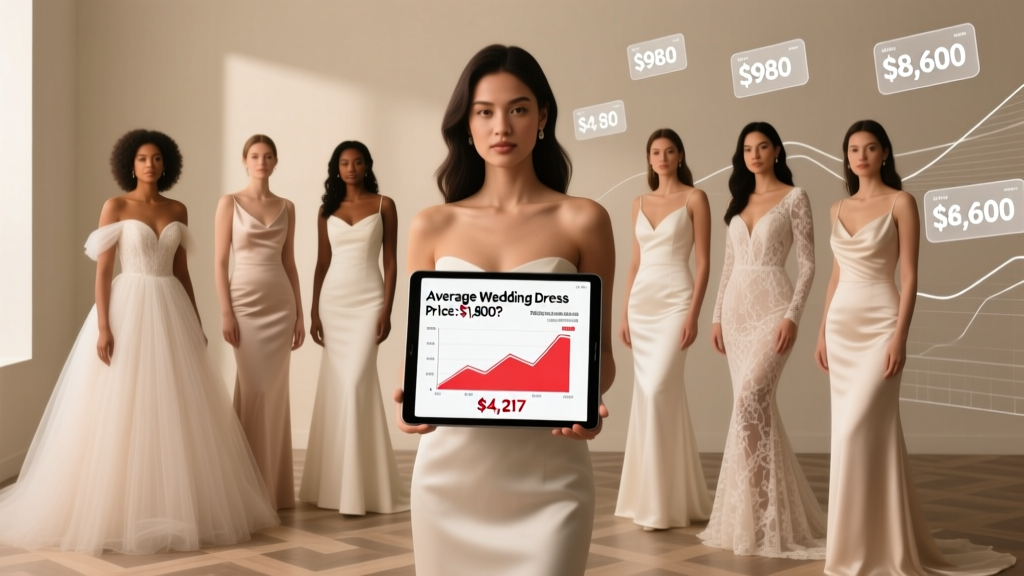 Average Wedding Dress Cost in 2026 (Real Data)
 Wedding Officiant Scripts: 7 Must-Include Moments (2026)
 Pink Dress to Wedding? Etiquette Guide (2026)
 Wedding Email Invites: Warm, Effective & 2026-Proof
 Wedding Planning Business: 7-Step Launch (2026)
 Formal Winter Wedding Outfit Rules (2026)
 Wedding Handkerchief: No-Sew in 90 Minutes (2026)