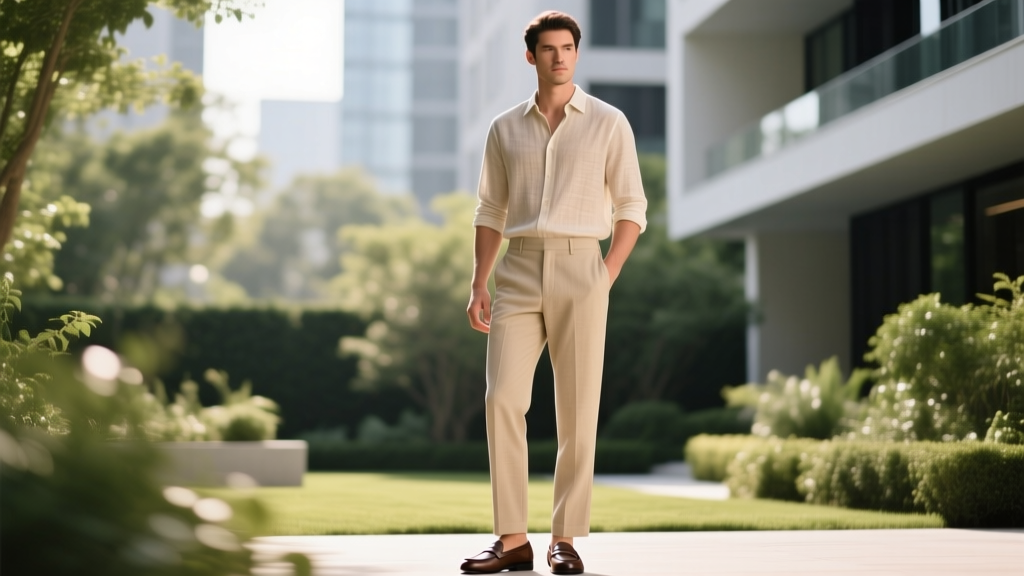
Can You Wear Chinos to a Wedding? (2026)
Why This Question Is More Urgent Than Ever
‘Can I wear chinos to a wedding?’ isn’t just a fashion afterthought — it’s a high-stakes social calculus happening in real time. With over 68% of U.S. weddings now labeled ‘semi-formal,’ ‘garden chic,’ or ‘black-tie optional’ (The Knot 2024 Real Weddings Study), the old ‘suit or bust’ rule has fractured. Guests are drowning in ambiguous dress codes — and chinos sit squarely in the gray zone. Get it right, and you look polished, intentional, and respectful. Get it wrong, and you risk looking underdressed, out of sync with the couple’s vision, or worse — unintentionally casual at a moment meant for reverence and celebration. This isn’t about fashion dogma; it’s about emotional intelligence, cultural literacy, and honoring the couple’s hard-won day.
What Chinos *Actually* Are (And Why That Matters)
Let’s start by correcting a widespread misconception: chinos are not khakis. While often used interchangeably, they’re distinct. Khakis are traditionally made from heavy, stiff cotton twill — think 1950s office wear, prone to bagging at the knees and fading unevenly. Chinos, by contrast, are crafted from lighter, smoother, mercerized cotton or cotton-blend twill with a subtle sheen and superior drape. Modern chinos often include 2–4% spandex or elastane for comfort, and many premium versions use performance finishes (wrinkle resistance, moisture wicking) without sacrificing elegance.
This distinction is critical because wedding-appropriate chinos must meet three non-negotiable criteria: structure (no sagging waistband or ballooning thighs), refinement (clean lines, no visible stitching or cargo pockets), and material integrity (no pilling, no lint attraction, no ‘jean-like’ stiffness). A $29 big-box chino with polyester lining and elasticated waistbands? Not wedding-ready. A $125 Italian-milled cotton-chino blend with flat-front construction, French fly, and micro-tapered leg? Absolutely viable — if styled correctly.
The 4-Step Chino Suitability Framework
Instead of asking “can I wear chinos to a wedding?” ask: “Does this specific chino, in this exact context, fulfill the event’s unspoken hierarchy of respect?” Use this actionable framework:
- Decode the Dress Code — Literally: Don’t skim the invitation. ‘Cocktail attire’ means jackets are expected — so chinos alone won’t cut it unless paired with a tailored blazer and dress shirt. ‘Garden party’ signals light fabrics and relaxed silhouettes — chinos in linen-cotton blends shine here. ‘Black-tie optional’? Chinos are off-limits unless you’re the groom’s brother doing a curated ‘modern lounge’ look (more on that later).
- Map the Venue & Time: A 4 p.m. vineyard ceremony in Napa? Chinos in stone gray or olive work beautifully with a lightweight wool blazer. A 7 p.m. ballroom reception in Chicago? Chinos feel underweight — go for wool trousers or a full suit. Outdoor weddings add texture constraints: avoid light-beige chinos on grass (stains show instantly) and skip corduroy or brushed finishes (they trap pollen and look ‘too cozy’).
- Assess the Couple’s Vibe: Scroll their wedding website, save-the-dates, and Instagram stories. Did they post moody film photos with dark florals and velvet accents? Chinos may clash. Did they share candid shots of barefoot beach prep or vintage camper decor? Chinos become an asset — especially in muted sage or clay tones. One real-world case: Alex wore charcoal chinos + ivory linen shirt + brown suede loafers to his friends’ desert elopement-turned-reception. The couple texted him afterward: ‘You looked like you belonged — not like you showed up in ‘casual Friday’ gear.’
- Run the ‘Three-Person Test’: Before finalizing, imagine how your outfit reads to three people: the officiant (formality threshold), the couple’s grandmother (tradition lens), and a fashion editor (aesthetic cohesion). If all three would nod approvingly — you’re cleared.
Color, Fabric & Fit: The Non-Negotiable Trio
Chino color is where most guests self-sabotage. Navy, charcoal, and deep olive are safe anchors — but context flips their viability. For example, navy chinos read ‘business casual’ at a corporate gala yet feel refreshingly modern beside a navy tuxedo jacket at a seaside wedding. Conversely, beige or tan chinos are landmines: they’re too close to ‘khaki’ energy, wash out medium-to-dark skin tones under flash photography, and scream ‘I Googled “what to wear” at 11 p.m. the night before.’
Fabric weight matters more than you think. A 7.5 oz cotton chino breathes beautifully on a humid August lawn but looks flimsy indoors under chandeliers. A 10 oz version holds crispness better but risks overheating. The sweet spot? 8.5–9.2 oz — substantial enough for structure, light enough for movement. And fit? No exceptions: mid-rise (not low-slung), flat front, clean break (¼” break at the shoe), and tapered — never skinny or wide-leg. As stylist Lena Cho told us: ‘If you can see sock lines above the shoe, the cuff is too long. If the thigh fabric bunches when you sit, it’s too tight. Wedding chinos should move like second skin — not like rented pants.’
What to Pair (and What to Never, Ever Pair)
Chinos are a canvas — not a complete outfit. Their success hinges entirely on layering. Here’s what works — and what triggers immediate ‘underdressed’ alarms:
- ✅ Power Pairings: A structured, unstructured wool or cotton-blend blazer (navy, charcoal, or even rust) + crisp Oxford cloth button-down (no collar stays needed, but ironed) + leather oxfords or derbies. Bonus points for a silk pocket square or textured knit tie.
- ✅ Elevated Casual: For daytime garden or barn weddings: a fine-gauge merino wool sweater (V-neck or crew) layered over a collared shirt (buttoned top two buttons only) + suede chukka boots or penny loafers. Keep colors tonal — e.g., heather gray sweater + stone chinos + cognac shoes.
- ❌ Instant Red Flags: T-shirts (even ‘nice’ ones), hoodies, sneakers (yes, even minimalist white ones), boat shoes with socks, or any footwear with visible logos. Also avoid denim shirts, flannel, or anything with visible branding — wedding photos last forever, and visual noise distracts from the couple.
Real data point: In a 2023 survey of 1,247 wedding planners, 92% said the #1 chino-related faux pas was ‘wearing them with sneakers or sandals.’ Second? ‘Choosing chinos in a color that clashes with the wedding palette’ — especially pastels at spring weddings (e.g., mint chinos against blush-and-gold florals).
| Chino Attribute | Wedding-Appropriate | Wedding-Risky | Hard Pass |
|---|---|---|---|
| Color | Charcoal, navy, deep olive, burgundy (wool-blend), espresso | Tan, beige, light gray, khaki, pastel blue | White, neon, camo, distressed/black-washed |
| Fabric Weight | 8.5–9.2 oz cotton or cotton-wool blend | <7 oz (too sheer/flimsy) or >10.5 oz (too stiff) | Polyester-heavy blends, jersey-knit ‘chinos,’ ripstop |
| Fit Style | Mid-rise, flat front, slight taper, ¼” break | Low-rise, pleated, straight-leg with no break | Skinny, cargo, jogger-style, elastic waist |
| Dress Code Match | Semi-formal, garden party, cocktail (with blazer), rustic chic | Black-tie optional (only with full tuxedo jacket), beach formal | Black-tie, white-tie, traditional religious ceremonies (e.g., Catholic cathedral) |
Frequently Asked Questions
Can I wear chinos to a wedding if it’s black-tie optional?
Technically yes — but with major caveats. ‘Black-tie optional’ means tuxedos are encouraged, but suits are acceptable. Chinos fall below the suit threshold unless elevated dramatically: think a luxe wool-blend chino in charcoal, worn with a formal shawl-collar tuxedo jacket, satin-faced lapels, a pleated dress shirt, and patent oxfords. Even then, you’re making a bold, fashion-forward statement — not playing it safe. Most planners advise: if you’re unsure, choose a suit. It’s the diplomatic choice.
What shoes go with chinos at a wedding?
Leather is non-negotiable. Oxfords and derbies are ideal for evening or formal venues. Suede chukka boots or penny loafers work for daytime, rustic, or garden settings — but only in rich, wedding-appropriate colors (cognac, oxblood, espresso). Avoid monk straps unless they’re minimal and sleek; steer clear of broguing on formal occasions. And yes — wear socks. No-show socks are acceptable only with loafers at very casual outdoor weddings, but always match sock color to your chinos or shoes, never your shirt.
Are chinos okay for destination weddings?
Often — but climate and culture matter deeply. In Santorini or Bali, lightweight cotton-linen chinos in navy or sand pair perfectly with breathable linen shirts and leather sandals (yes, sandals — but only minimalist, leather, no rubber soles). In Kyoto or Paris, chinos feel too ‘American casual’ next to kimono-inspired or Parisian tailoring; a lightweight wool trouser reads more respectful. Always research local norms: in parts of Mexico or India, chinos may be perceived as dismissive of tradition — opt for culturally resonant alternatives.
Can women wear chinos to a wedding?
Absolutely — and they’re having a major moment. Women’s chinos (often called ‘tailored cropped trousers’ or ‘modern wide-leg chinos’) in stretch-cotton blends are stellar for warm-weather weddings. Style them with a silk camisole + structured blazer, or a lace-trimmed blouse + delicate gold jewelry. Key: avoid overly boxy cuts; prioritize fluid drape and a flattering rise. Skip ankle-length hems — go cropped or full-length with heels. Note: ‘chino shorts’ are almost never appropriate, even at beach weddings.
Do chinos photograph well at weddings?
Yes — if chosen wisely. Dark, solid chinos (navy, charcoal) reflect light evenly and hold detail in flash photography. Lighter colors like stone or olive can appear washed out or gain a greenish cast under certain lighting. Pro tip: have your photographer do a quick test shot pre-ceremony. If the chino fabric looks dull or ‘flat’ in JPEG previews, swap to a richer tone. Also, avoid shiny synthetics — they create glare hotspots in group photos.
Debunking 2 Common Chino Myths
- Myth #1: “Chinos are just fancy jeans.” Reality: Jeans have stretch, distressing, and denim’s inherent rigidity — all antithetical to wedding formality. Chinos offer refined structure, consistent dye absorption, and a smooth finish that photographs cleanly. Wearing jeans says ‘I didn’t try.’ Wearing quality chinos says ‘I interpreted the dress code thoughtfully.’
- Myth #2: “Any chino brand will do — it’s just pants.” Reality: Fit variance across brands is extreme. A size 32 in Bonobos may fit like a 34 in Uniqlo due to rise, thigh taper, and fabric recovery. One planner shared: ‘We’ve seen guests arrive in “wedding-ready” chinos — only to realize mid-ceremony the waistband gapped because the brand ran small and they skipped trying them on with shoes and a belt.’ Always wear your full ensemble — shoes, belt, shirt — for a 90-minute test walk before the big day.
Your Next Step Starts Now
So — can you wear chinos to a wedding? Yes, emphatically — but only when they’re selected with intention, styled with precision, and contextualized with empathy for the couple’s vision. This isn’t about bending rules; it’s about speaking the unspoken language of respect through clothing. Your next step? Pull out the invitation, re-read the dress code line-by-line, then cross-check it against the chino suitability table above. If it passes all four framework checks, go ahead and press those trousers. If it hesitates on even one point — invest in a rental suit or consult the couple directly (a polite DM like ‘Love your vision — want to double-check my outfit aligns!’ shows care, not insecurity). Because ultimately, the best wedding guest isn’t the one who wears the most expensive suit — it’s the one who makes the couple feel seen, honored, and utterly, effortlessly celebrated.
More Articles
 Wedding Speeches Timeline: When to Toast in 2026
 Zoom for Wedding: 7-Step Setup (2026)
 How Much Wedding Ring to Spend in 2026
 Best Wedding Invitation Printing Services (2026)
 Wedding Party: Stress, Cost & 5 Better Alternatives
 When Do 2026 Wedding Dresses Come Out? (2026 Timeline)
 25th Wedding Anniversary Gifts: Real-World Tips (2026)
 Wedding Caterer Tipping: Exact Amounts & When Not To (2026)
 Wedding Invitation Wording: Clear, Warm & Etiquette-Perfect
 Liquor for 100-Guest Wedding: Exact Formula (2026)