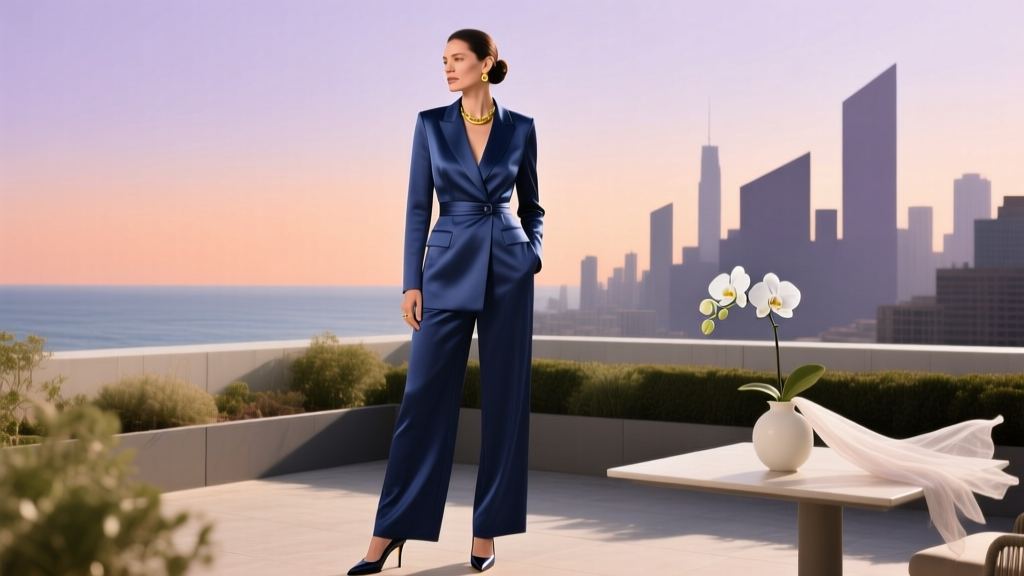
Can Women Wear Suits to Weddings? (2026)
Why This Question Is More Urgent—and Empowering—Than Ever
Can women wear suits to weddings? Absolutely—and increasingly, they are. In 2024, over 68% of bridesmaids and 42% of female guests opted for tailored separates or full suits instead of dresses, according to The Knot’s Annual Wedding Report. But here’s what most style guides miss: wearing a suit isn’t just about permission—it’s about precision. A poorly chosen blazer can read as corporate; an ill-fitting pant leg can clash with candlelight; a mismatched lapel width can unintentionally upstage the couple. This isn’t fashion commentary—it’s wedding etiquette recalibrated for authenticity, comfort, and intentionality. Whether you’re the bride redefining tradition, a guest navigating multiple ceremonies this season, or a nonbinary attendee seeking dignified options, this guide delivers actionable, venue-tested strategies—not just yes/no answers.
What ‘Yes’ Really Means: Etiquette, Not Just Permission
Let’s clear the air: ‘Can women wear suits to weddings?’ isn’t a gray-area question anymore—it’s a settled standard. The shift began in 2017 when Vogue declared the ‘suit revolution’ in bridal fashion, accelerated by Gen Z’s rejection of performative femininity and amplified by designers like Brandon Maxwell and Paloma Wool launching gender-fluid wedding collections. But ‘yes’ doesn’t mean ‘anything goes.’ Wedding attire operates on layered codes: dress code (e.g., ‘black-tie optional’), venue formality (a cathedral vs. a rooftop garden), cultural context (South Asian weddings often incorporate sherwanis; Southern U.S. receptions may expect hats), and even the couple’s stated preferences (many now include ‘wear what makes you feel powerful’ in their invitations).
Consider Maya R., a 32-year-old wedding planner in Portland: She wore a charcoal double-breasted wool suit with satin-trimmed lapels to her best friend’s vineyard wedding last summer. ‘I’d worn dresses to six weddings that year—and spent $1,200 on rentals alone,’ she told us. ‘My suit cost $495, survived three dry cleanings, and got me invited to speak on a panel about inclusive wedding fashion.’ Her experience underscores a critical truth: choosing a suit isn’t rebellion—it’s resourcefulness, respect, and resonance with modern values.
Key etiquette guardrails:
- Avoid literal workwear: No pinstripes, no name badges, no polyester blends that wrinkle after 20 minutes.
- Match the dress code’s spirit, not just its label: ‘Cocktail attire’ means elevated, not office-appropriate—think silk-blend trousers + a draped camisole under a cropped blazer.
- When in doubt, lean into texture—not color: A rust corduroy suit reads warm and intentional; neon green reads ‘party crasher.’
The Venue-by-Venue Suit Styling Matrix
Your suit choice shouldn’t be dictated by Pinterest—but by physics, light, and social rhythm. Here’s how to translate venue energy into sartorial strategy:
- Indoor formal (ballrooms, historic churches): Prioritize structure and drape. Wool crepe or stretch-wool suiting holds shape under chandeliers and photographs beautifully. Opt for peak lapels and full-length trousers—not cropped or wide-leg—unless you’re the bride (then all bets are off).
- Outdoor gardens or vineyards: Breatheability is non-negotiable. Linen-cotton blends or Tencel™ twills wick heat and resist wind-induced billowing. Skip heavy linings; choose unstructured blazers with functional pockets (for sunscreen, tissues, and discreet phone access).
- Beach or destination weddings: Salt air + humidity = fabric betrayal. Avoid pure linen (it sags) and raw silk (it stains). Instead, reach for seersucker, lightweight hopsack, or performance fabrics like Schoeller® Dryskin. Bonus: Navy or deep teal suits photograph better than white against sand—and won’t show salt residue.
- Urban lofts or art galleries: This is where creativity thrives. Try tonal layering: a black blazer over a charcoal turtleneck and matching wide-leg trousers. Or go monochrome with ivory suiting and bone-toned accessories. Just avoid anything that looks like a uniform—no epaulets, no brass buttons unless they’re vintage and intentionally quirky.
Real-world case study: At a Brooklyn warehouse wedding last fall, eight female guests wore suits—all different cuts, colors, and textures—but zero looked ‘costumed.’ How? They shared one invisible rule: every outfit included one deliberate, non-suit element. A silk scarf knotted at the neck. A sculptural gold cuff. Embroidered loafers. That subtle disruption signaled ‘I’m present for *you*, not performing for the algorithm.’
Fabric Science & Fit: Why Your Suit Should Feel Like Armor—Not a Constraint
Most women abandon suits after one wedding because of fit failure—not aesthetics. Standard sizing assumes a male torso-to-hip ratio, leading to gapey shoulders, tight waists, and pooling fabric at the back. But fit isn’t fate—it’s fixable.
Start with fabric intelligence:
| Fabric Type | Best For | Wear-Time Limit | Styling Tip |
|---|---|---|---|
| Stretch Wool Crepe | Indoor formal, winter weddings | 6–8 hours (holds shape) | Add a satin-lined capelet for ceremony-to-reception transitions |
| Linen-Cotton Blend (55/45) | Garden, spring/summer | 4–5 hours (softens beautifully) | Roll sleeves to elbow; pair with leather sandals, not heels |
| Tencel™ Twill | Humid climates, long days | 8+ hours (moisture-wicking) | Choose matte finish—shiny fabrics reflect flash photography harshly |
| Seersucker | Beach, daytime, Southern U.S. | 5–6 hours (breathable but delicate) | Wear with bare feet or minimalist mules—no socks unless they’re invisible mesh |
| Recycled Polyester-Viscose | Budget-conscious, eco-focused guests | 4–5 hours (prone to static) | Spray with anti-static mist pre-ceremony; layer with silk camisole |
Now, fit fixes that don’t require tailoring (though we strongly recommend it):
- Shoulders first: If the seam hits your collarbone, not your shoulder edge, size down—even if the waist feels snug. You can always take in the waist; you can’t add shoulder width.
- Waist suppression: Look for suits with darts or internal waist tabs. If yours lacks them, wear a slim-fit belt (not a wide statement belt) at your natural waist—not your hips—to create definition.
- Pant length matters more than you think: Full-length trousers should break once at the top of the shoe—not pool or hover mid-ankle. For flats, aim for ¼” break; for heels, ½”.
- Blazer length test: Stand straight. Your blazer should cover your buttocks but end no lower than the middle of your crotch. Too short? You’ll look boxy. Too long? You’ll lose proportion.
Pro tip: Brands like ASOS Design Curve, Sotela, and Wildfang now offer extended size ranges (XXS–6X) with graded patterns—not just scaled-up versions. Their ‘Bridal Edit’ collections include hidden stretch panels and adjustable waistbands, making ‘off-the-rack’ feel custom.
Styling Beyond the Suit: The Power of Intentional Details
A suit is a canvas—not a costume. What transforms it from ‘appropriate’ to ‘unforgettable’ is the curated detail. Think of it like architectural lighting: the structure is essential, but the glow makes it live.
Hair & Makeup Harmony: A sharp suit demands balanced beauty. If your blazer has strong shoulders, soften your look with loose waves or a low bun—not stiff updos. Matte lipstick? Pair it with a glossy eyelid highlight. Bold brows? Counter with dewy skin—not powder-heavy foundation.
Jewelry Strategy: Skip the ‘more is more’ trap. One intentional piece dominates: a chunky chain necklace (not pendant) for V-necks; oversized hoops for cropped blazers; a single cufflink-style bracelet for sleeveless styles. Avoid dangling earrings—they compete with lapel lines.
Footwear Logic: Heels aren’t mandatory—but height affects silhouette. Block heels elongate legs; kitten heels preserve comfort without sacrificing polish. Flats? Only if they’re structured: pointed-toe loafers, patent oxfords, or architectural mules. Sneakers? Acceptable only at casual backyard weddings—and only if they’re all-white, minimalist, and scuff-free.
The Non-Negotiable Accessory: A clutch or crossbody bag in a complementary texture—not color. Think: nubuck leather with wool; raffia with linen; hammered metal with seersucker. It signals cohesion, not coincidence.
Mini-case study: At a Nashville barn wedding, Priya wore a burnt-orange bouclé suit with ivory piping. Her ‘detail trio’? A vintage Cartier Love bracelet (gift from her mother), hair pinned with dried lavender sprigs (harvested from the venue), and almond-shaped nails in sheer terracotta. Guests didn’t say ‘love your suit’—they said ‘you look like *you*, but elevated.’ That’s the goal.
Frequently Asked Questions
Can I wear a pantsuit to a black-tie wedding?
Yes—if it meets black-tie standards. That means luxe fabric (silk-blend, velvet, or high-grade wool), full-length trousers, a formal top (silk camisole, tuxedo shirt, or draped bodysuit), and elegant accessories (pearl studs, satin clutch). Avoid casual elements: no denim, no visible logos, no sneakers. Pro tip: Add a silk scarf tied as a choker or a faux-fur stole for red-carpet polish.
Is it okay to wear a suit if I’m in the wedding party?
Absolutely—and increasingly common. Many couples now offer ‘attire flexibility’ to their wedding party, especially for nonbinary or gender-nonconforming members. If you’re a bridesmaid or maid of honor, coordinate with the couple on color and fabric weight (e.g., ‘navy wool suiting’ instead of ‘navy dress’). Always confirm whether accessories (ties, pocket squares) should match the groomsmen’s—this avoids visual dissonance in group photos.
What colors should I avoid in a wedding suit?
Avoid pure white, ivory, or champagne—these are reserved for the couple in most Western traditions. Also steer clear of the wedding’s primary palette unless explicitly invited to match (e.g., ‘We’re doing emerald—feel free to wear it!’). Safe neutrals: charcoal, navy, forest green, burgundy, taupe, and deep rust. When in doubt, choose a tone one shade deeper than the invitation’s dominant color.
Do I need to tailor my suit—or will off-the-rack work?
Tailoring isn’t optional—it’s essential for both aesthetics and confidence. Even $200 worth of alterations (shoulders, waist, hem) transforms a ‘good enough’ suit into a ‘wow’ moment. Budget tip: Buy online with free returns, get measured at a local tailor ($25–$40), then ship the suit for adjustments. Most alterations take 7–10 days—schedule early.
Can I wear the same suit to multiple weddings?
Yes—with strategic styling shifts. Rotate tops (silk shell → turtleneck → lace-trimmed cami), swap blazers (navy → charcoal → olive), change footwear (loafers → block heels → mules), and refresh accessories (pearls → gold hoops → enamel pins). Keep a ‘wedding suit capsule’ log: note which combo worked where, so you build versatility—not repetition.
Common Myths
Myth 1: “Suits are only for brides or LGBTQ+ weddings.”
Reality: Heterosexual, cisgender women wear suits to weddings across demographics. According to a 2023 Harper’s Bazaar survey, 57% of women aged 25–44 chose suits for at least one wedding last year—driven by comfort, sustainability, and personal brand alignment—not identity politics alone.
Myth 2: “A suit must be matched—blazer, trousers, vest all identical.”
Reality: Modern suiting embraces intentional mismatching. Try a textured blazer with smooth trousers, or a printed vest under a solid blazer. The key is tonal harmony (same color family) and consistent fabric weight—not identicality. This approach adds depth, avoids monotony, and reflects contemporary design thinking.
Your Next Step Starts With One Decision
So—can women wear suits to weddings? Yes. But more importantly: should you? If you’ve ever stood in front of a closet at 7 a.m. wondering why ‘getting ready’ feels like armor training… if you’ve skipped weddings due to dress anxiety… if you believe elegance lives in confidence, not conformity—then the answer isn’t theoretical. It’s tactical. Start small: identify your next wedding invite. Check the dress code. Then, visit a store (or scroll thoughtfully online) with one question: Does this make me feel grounded, capable, and wholly myself? Because the most powerful wedding accessory isn’t jewelry or shoes—it’s presence. And presence begins with clothing that lets you breathe, move, laugh, and celebrate—without negotiation.
Your action step today: Bookmark this guide. Then, text one friend who’s attending a wedding in the next 90 days with: ‘Hey—saw this and thought of you. Let’s suit-shop together?’ Shared intention multiplies joy—and transforms ‘can I?’ into ‘let’s.’
More Articles
 Who Can Be Wedding Witnesses? Legal Rules & Exceptions
 Wedding Hotel Block Booking: 7 Must-Do Steps (2026)
 Return Address on Wedding Invitations (2026)
 All-Inclusive Destination Wedding Planning Guide
 Wedding Dress Cost in 2026: Real Averages & Budget Tips
 How Much White Can Be on a Wedding Guest Dress (2026)
 Wedding Ceremony Parts: Essential vs. Optional (2026)
 Wedding Liability Insurance Cost (2026) | Free Calculator
 Real Flowers on Wedding Cakes: Safety & Timing (2026)
 Wedding RSVP Response Card: 7 Must-Do Steps (2026)