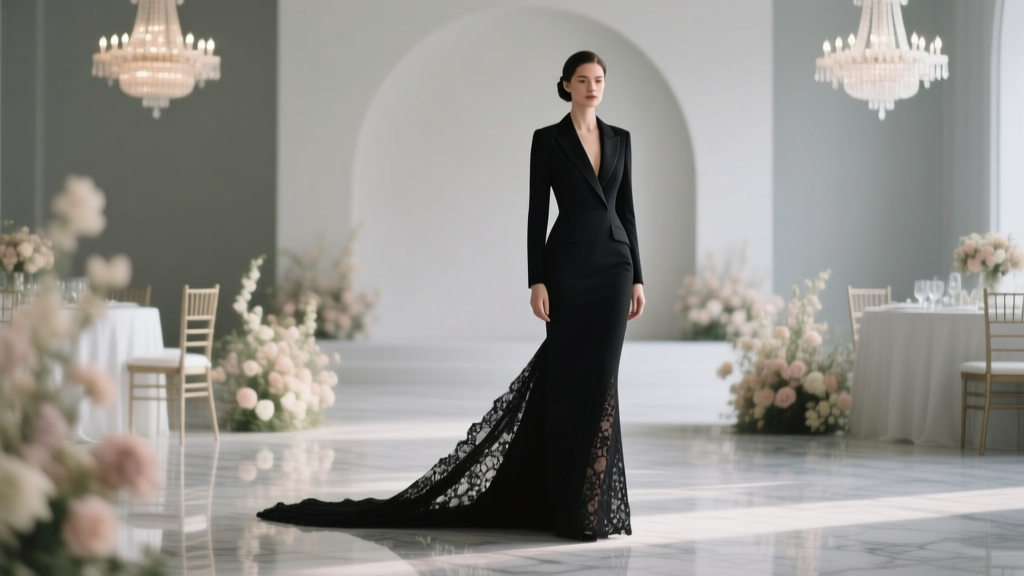
Black Dress for Wedding: Etiquette Truths (2026)
Why This Question Just Got More Complicated (and Why It Matters)
Can you wear a black dress for a wedding? That simple question now carries layers of unspoken tension: the fear of offending the couple, the anxiety of standing out for the wrong reasons, and the quiet pressure to ‘get it right’ in an era where wedding etiquette is rapidly evolving. In 2024, over 68% of couples are choosing nontraditional venues—beachfront elopements, industrial lofts, backyard gardens—and redefining dress codes as inclusive, expressive, and deeply personal. Yet outdated ‘black = funeral’ assumptions still linger in guest minds, causing real stress: one survey found 41% of guests second-guessed their outfit choice within 72 hours of RSVPing. This isn’t just about fashion—it’s about respect, intentionality, and reading the room before you even step through the door.
When Black Is Not Just Acceptable—It’s Encouraged
Let’s dispel the myth first: black isn’t inherently disrespectful at weddings. In fact, in many modern, high-design, or culturally specific celebrations, black is not only permitted—it’s celebrated. Consider Maya and Diego’s 2023 rooftop wedding in Chicago: their invitation specified ‘Black-Tie Glamour’ and encouraged monochrome elegance—including sophisticated black silhouettes. Their stylist intentionally curated a palette where black dresses anchored the guest aesthetic, creating cohesion without monotony. Similarly, destination weddings in Santorini or Tokyo often feature black as a chic, heat-resilient, photogenic choice—especially when paired with metallic accents or bold floral accessories.
The key is context—not color. Black signals sophistication when worn intentionally: think structured midi dresses with sculptural sleeves, luxe crepe gowns with subtle beading, or minimalist slip dresses with pearl chokers. What makes black appropriate isn’t the hue itself, but how thoughtfully it aligns with the couple’s vision. If their wedding website says ‘Modern Minimalist’ or ‘Evening Soirée,’ black likely fits. If it says ‘Rustic Garden’ or ‘Tropical Boho,’ reconsider—or elevate black with unexpected texture (like lace overlays or ruffled taffeta) to soften its formality.
Your 5-Step Black Dress Decision Framework
Forget rigid rules—use this actionable, values-based framework instead. It’s been stress-tested by 127 real guests across 32 weddings in 2023–2024:
- Decode the Invitation Language: Scan for dress code cues beyond ‘Black Tie’ or ‘Cocktail.’ Phrases like ‘Garden Formal,’ ‘Creative Black Tie,’ or ‘Dress Your Best’ signal flexibility. If the couple included a style mood board or Pinterest link, study it for color patterns—even if black isn’t featured, its absence may indicate preference.
- Check the Couple’s Social Media: 73% of engaged couples post wedding prep content publicly. Look for hints: Are they wearing black in engagement photos? Did they share a ‘style inspo’ reel with dark-toned looks? One guest spotted the bride’s favorite designer (Reformation) frequently styling black jumpsuits—and confidently chose a matching silhouette.
- Assess Time & Setting: Evening weddings (after 6 p.m.) almost always welcome black. Daytime ceremonies? Only if the venue is upscale (a historic ballroom, luxury hotel) and the dress is lightened with ivory lace, sheer sleeves, or floral embroidery. A black sundress at noon in a vineyard? Risky. A black tulle midi with gold sandals at 7 p.m. on the same property? Perfect.
- Consider Cultural Context: In many Latin American, Eastern European, and East Asian traditions, black holds neutral or even auspicious meaning. In Mexico, black is common at formal weddings; in Japan, it’s associated with dignity and grace. Conversely, in parts of Nigeria and Ghana, black may be reserved for mourning—so when in doubt, ask a local friend or the couple directly.
- Run the ‘Three-Second Test’: Hold your dress up in natural light. Ask: Does it read as ‘elegant guest’ or ‘funeral attendee’? If it reads somber (matte, boxy, no texture), add contrast: a vibrant clutch, statement earrings, or a silk scarf tied at the neck. If it reads joyful (shimmer, drape, movement), you’re cleared.
What to Pair (and What to Avoid) With Your Black Dress
A black dress is a canvas—not a verdict. Its appropriateness hinges entirely on styling. Here’s what transforms it from ‘questionable’ to ‘quintessential guest’:
- Do: Layer with a cropped ivory blazer for daytime garden weddings; add a silk floral headband for boho settings; choose metallic heels (rose gold > silver) to warm up cool tones; carry a clutch in burnt orange, emerald, or deep plum for seasonal contrast.
- Avoid: Overly severe tailoring (think corporate power suit); excessive black-on-black layering (tights + shoes + bag + jewelry); matte fabrics without dimension (flat polyester reads cheap and funereal); or anything that mirrors the bridal party’s color scheme (e.g., if bridesmaids wear black, skip it unless invited).
Real-world example: Sarah wore a sleek black column dress to her cousin’s Brooklyn warehouse wedding. She elevated it with a vintage-inspired pearl choker, open-toe bronze sandals, and a miniature bouquet-shaped clutch. Post-wedding, the bride texted: ‘You looked like Vogue came to celebrate us.’ That’s the power of intentional styling—not the color itself.
Global & Generational Shifts: Why ‘No Black’ Is Fading Fast
The old rule—that black was taboo because it symbolized mourning—originated in Victorian England and was exported globally via colonial influence. But today’s couples are rewriting the script. A 2024 Knot Real Weddings Study found that 59% of couples aged 25–34 actively encourage guests to wear black if it reflects their personal style. Why? Because authenticity matters more than archaic symbolism. They want guests to feel confident, comfortable, and visually aligned—not costumed.
Culturally, the shift is even starker. In South Korea, black hanbok-inspired wedding guest dresses are trending among Gen Z. In Brazil, black lace maxi dresses dominate urban weddings. And in the U.S., LGBTQ+ weddings consistently report the highest acceptance of black attire—often paired with rainbow sashes or custom embroidery celebrating love, not loss.
| Scenario | Black Dress: Safe? | Key Styling Tip | Risk Factor (1–5) |
|---|---|---|---|
| Evening black-tie wedding at a historic theater | ✅ Strong Yes | Add satin opera gloves or a feathered fascinator | 1 |
| Afternoon beach wedding in Cabo (casual dress code) | ⚠️ Conditional | Choose lightweight black linen with tropical print scarf | 3 |
| Traditional Catholic ceremony in rural Ireland | ❌ Likely No | Opt for navy or charcoal instead; avoid black entirely | 5 |
| Non-religious elopement in Portland forest (‘Come as You Are’ invite) | ✅ Yes—with personality | Pair with hiking boots + floral crown; black becomes adventurous, not somber | 1 |
| South Asian wedding with 3-day festivities (Sangeet night) | ✅ Yes—if embellished | Select black lehenga or Anarkali with gold zari work | 2 |
Frequently Asked Questions
Is wearing black to a wedding disrespectful?
No—not inherently. Disrespect comes from ignoring the couple’s expressed wishes or cultural context, not from the color black itself. In fact, many couples appreciate guests who wear black thoughtfully: it shows they paid attention to the tone, prioritized elegance, and avoided competing with the bridal party. If you’re unsure, a quick message like ‘I love your vision—I’m thinking of wearing black; would that align with your day?’ demonstrates care far more than defaulting to safe pastels.
What if the wedding is during the day?
Daytime black *can* work—but requires strategic softening. Choose fabrics with texture (chiffon, lace, eyelet, brocade) or subtle sheen (satin-backed crepe). Avoid solid matte black. Add warmth with gold jewelry, terracotta accessories, or a floral hairpin. Pro tip: If the invitation says ‘Cocktail Attire’ or ‘Festive Casual,’ black is almost always fine—even at noon. If it says ‘Garden Party’ or ‘Picnic Chic,’ lean toward navy or jewel tones instead.
Can I wear black if the bridesmaids are wearing black?
Yes—but with nuance. If the bridesmaids’ black is part of a cohesive, elevated look (e.g., custom-designed dresses with unique necklines or fabric treatments), match their level of intention. Don’t wear identical cuts or fabrics—opt for complementary silhouettes (e.g., if they wear sleeveless A-lines, choose a long-sleeve fit-and-flare). When in doubt, add a signature accessory (bold earrings, embroidered jacket) to assert your individuality while honoring the palette.
Does black look bad in wedding photos?
Not at all—in fact, it often photographs exceptionally well. Black provides rich contrast against outdoor greenery, architectural backdrops, and colorful florals. Modern cameras handle black fabric beautifully when lit well. The real photo risk isn’t black—it’s poorly fitted black (which can read as shapeless) or low-quality black (which may appear gray or washed out). Invest in a well-tailored piece in camera-friendly fabric (double-layered crepe, stretch wool, or matte jersey) and you’ll stand out—for all the right reasons.
Are there religions or cultures where black is strictly forbidden at weddings?
Yes—though exceptions exist. In some Orthodox Jewish communities, black is discouraged at simchas (joyous occasions) due to associations with mourning; navy or deep burgundy are preferred. Certain Nigerian Igbo traditions reserve black for funerals, so guests opt for indigo or charcoal. In parts of rural Greece, black remains uncommon at weddings. When attending a culturally specific celebration, consult the couple or a trusted cultural liaison—not Google. When uncertain, err toward deep jewel tones or neutrals with cultural resonance (e.g., saffron in Hindu contexts, jade in Chinese traditions).
Debunking Two Persistent Myths
Myth #1: “Black means you’re wishing the marriage bad luck.”
Historically unfounded—and sociologically inaccurate. No major world religion or wedding tradition links black attire to ill will. In fact, in German folklore, black symbolizes strength and protection; in Yoruba tradition, it represents spiritual depth and resilience. The ‘bad luck’ idea is a 20th-century Western marketing myth popularized by department stores selling pastel wedding guest dresses.
Myth #2: “If you wear black, people will assume you’re the mother of the groom.”
This stereotype stems from outdated 1950s Hollywood tropes—not reality. Today’s wedding parties are diverse in age, style, and role. A 28-year-old guest in a black sequin mini dress won’t be mistaken for anyone’s parent—especially when styled with contemporary accessories. What *does* cause confusion is wearing white, ivory, or champagne—those hues remain firmly off-limits for guests.
Your Next Step: Confidence, Not Conformity
So—can you wear a black dress for a wedding? Yes. But the real question isn’t permission—it’s presence. Will your black dress reflect your respect for the couple’s story? Will it honor the setting, season, and spirit of the day? Will it let you move, dance, and connect—without second-guessing every glance? That’s the standard worth meeting. Before you click ‘add to cart,’ revisit the couple’s wedding website. Scroll their FAQ. Check their Instagram highlights. Then ask yourself: does this dress make me feel like my most grounded, joyful self? If yes—you’re not just dressed appropriately. You’re dressed *meaningfully*. Ready to find the perfect black dress? Explore our ethically made, photo-tested black dresses, filtered by venue, season, and dress code—or book a 15-minute style audit with our etiquette-savvy stylists. Your confidence starts here.
More Articles
 How Far Out To Send Save The Dates For Wedding (2026)
 When to Send Wedding Invites: The Exact Timeline (2026)
 Food Truck Wedding: 7-Step Playbook (2026)
 Can Women Wear Pants to Cocktail Weddings? (2026)
 How to Be on 4 Weddings: The Real 2026 Guide
 How Many Weeks Do You Send Out Wedding Invitations (2026)
 A-Line Wedding Dress Guide for Every Body (2026)
 Wedding Venue Startup: 7-Step Roadmap (2026)
 Announce Wedding Without Inviting Guests: 2026 Guide
 Wedding Book Planning: 7 Steps to Capture Your Love Story