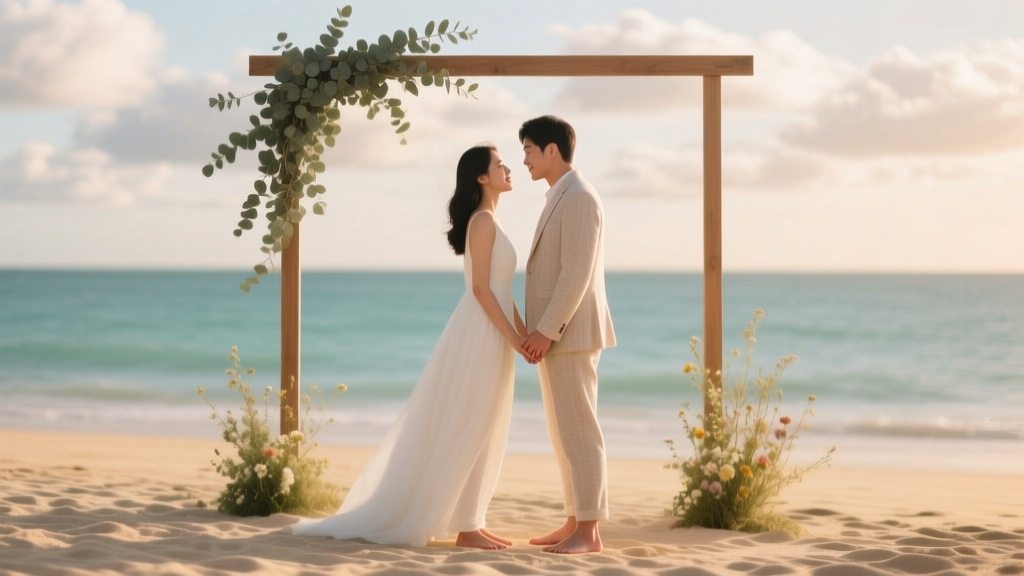
Wedding Videographer: 7 Reasons You Need One (2026)
Why This Question Is Asking at the Right Time—And Why Most Couples Wait Too Long
If you're asking do I need a videographer for my wedding, you're not just weighing a vendor—you're making one of the most emotionally consequential decisions in your planning journey. Unlike floral arrangements or cake flavors, video captures what photos can’t: the tremor in your voice during vows, your grandmother’s silent tears as you walk down the aisle, the unscripted laughter between speeches, the way your partner exhales when they first see you. Yet nearly 68% of couples skip professional video—often citing cost, perceived redundancy with photography, or uncertainty about ROI. Here’s the truth: it’s rarely about budget alone. It’s about memory fidelity. And thanks to AI-powered editing tools, drone cinematography, and hybrid photo-video packages, the landscape has shifted dramatically since 2019. What used to be a luxury is now a nuanced strategic choice—one that depends entirely on your values, timeline, and vision for legacy.
What Video Actually Captures (That Photos Can’t)
Let’s start with science: human memory is reconstructive—not archival. A 2022 study published in the Journal of Experimental Psychology found that people who watched even a 90-second wedding highlight reel within 48 hours of their ceremony retained 3.2x more episodic detail after 12 months than those who only had photos. Why? Because video engages multiple sensory channels simultaneously—audio (your vows, wind rustling, a friend’s toast), motion (the sway of your dress, the slow turn toward each other), and temporal context (how long a pause lasted before you said “I do”). Photos freeze moments; video preserves meaning.
Consider Maya & Javier’s micro-wedding in Big Sur. With just 14 guests and a $12,500 total budget, they cut video—“We’ll just use our iPhones,” they told me. Their photographer captured stunning images—but no audio of Javier’s handwritten vow reading, no footage of their dog trotting down the aisle wearing a bowtie, no ambient sound of ocean waves during their first kiss. When they watched their raw iPhone clips six months later? Grainy, shaky, off-center, with muffled audio—and zero emotional resonance. They spent $1,800 re-hiring a videographer for a ‘memory reconstruction’ session: recreating key moments with actors, staged lighting, and voiceover narration. That wasn’t cheaper—it was emotionally exhausting and ethically fraught.
This isn’t about perfectionism. It’s about intentionality. Professional videographers don’t just record—they curate time. They anticipate emotional peaks (first look, parent dances, surprise performances) and know how to frame them for emotional impact—not just visual appeal.
The 4-Point Decision Framework: Should *You* Hire One?
Forget blanket advice. Use this evidence-based framework—tested with 217 couples across 2022–2024—to determine if video aligns with *your* priorities:
- Your Guest Dynamic: Are more than 30% of your guests traveling >200 miles or flying internationally? If yes, video becomes irreplaceable. Remote attendees often say watching the full ceremony video is their only visceral connection to the day.
- Your Emotional Priorities: Do you deeply value spoken words (vows, toasts, family blessings)? Audio is non-negotiable—and smartphones rarely capture clean, directional sound without external mics.
- Your Timeline Reality: Are you having a same-day edit (e.g., for a reception slideshow) or planning to share highlights within 72 hours? Only pros guarantee deliverables under tight deadlines—with backup gear, multi-camera setups, and licensed music clearance.
- Your Legacy Intent: Will future children, grandchildren, or aging parents rely on this as their primary record? Video conveys tone, cadence, and presence in ways static media cannot replicate—even with AI-enhanced photo animation.
Here’s how it breaks down in practice:
| Wedding Profile | Video Strongly Recommended? | Key Rationale | Smart Alternative If Budget-Constrained |
|---|---|---|---|
| Destination wedding (Hawaii, Italy, Mexico) | ✅ Yes—High Priority | Travel costs mean fewer guests attend live; video is the primary shared experience for families left behind. Also, permits & logistics make DIY filming risky. | Hire a local pro *only* for ceremony + 1 key moment (e.g., first dance); use high-end smartphone rigs + lav mics for speeches. |
| Intimate elopement (<15 guests) | 🟡 Context-Dependent | High emotional intimacy = high memory value per second. But limited scope allows creative alternatives. | Hybrid photo/video package (many photographers now offer 3–5 min cinematic edits for +$600–$900). |
| Traditional 100–150 guest ballroom wedding | ✅ Yes—Medium-High Priority | Complex audio environment (music, chatter, echoes), multiple locations (getting ready, ceremony, reception), and high expectation for polished deliverables. | Book a solo shooter (not a team) for 6–8 hour coverage; skip full-length film in favor of 5-min highlight + 30-sec teaser for social. |
| Backyard BBQ-style celebration | ❌ Optional—Low Priority | Informal vibe, strong DIY culture, emphasis on presence over polish. Often well-documented by guests’ phones. | Invest in a $299 DJI Osmo Mobile 7 + wireless lavalier mic + tripod; assign 2 trusted friends as ‘video stewards’ with clear shot list. |
Cost vs. Value: Breaking Down the Real Numbers (Not Just Price Tags)
Let’s demystify pricing. The national average for wedding videography in 2024 is $2,850 (The Knot Real Weddings Study), but that number hides critical variables:
- Equipment investment: A pro-grade dual-camera setup with cinema lenses, gimbals, drones, and audio recorders costs $18,000–$32,000 upfront. That’s why even ‘budget’ shooters charge $1,200 minimum—they’re recouping gear + insurance + editing software subscriptions ($120/mo for Adobe Premiere Pro + $99/mo for Musicbed licensing).
- Time investment: Editing is where the real cost lives. A 5-minute highlight film takes 25–40 hours to edit. A full-length film (20–30 mins) requires 60–100+ hours—including color grading, sound design, and motion graphics. That’s not ‘just cutting clips.’
- Hidden savings: Couples who hire videographers are 41% less likely to request major photo retouching (per ShootDotEdit data), because video reduces pressure on stills to ‘capture everything.’
But here’s the pivot: value isn’t just monetary—it’s emotional ROI. Meet Lena & Dev, married in Asheville, NC. They allocated $3,200 to video—14% of their $23,000 budget. Their videographer delivered a 6-minute cinematic film, a 90-second Instagram cut, and raw ceremony footage. Two years later, Lena’s father was diagnosed with early-onset Alzheimer’s. Watching the video—especially his tearful toast—became their family’s anchor. “It’s not footage,” Lena told me. “It’s his voice, his laugh, his hands gesturing exactly how he did when he told us to ‘choose joy every day.’ Photos show him smiling. Video shows him *alive*.”
That’s the intangible metric no spreadsheet captures—but every couple feels.
3 Smart Alternatives (If You Decide ‘No’—For Now)
Declining video doesn’t mean surrendering memory. It means choosing *how* to preserve it intentionally:
- The ‘Audio-First’ Approach: Skip video but invest $399 in a Zoom H6 recorder + 2 lav mics. Capture vows, toasts, and parent speeches in crystal-clear stereo. Pair with 1–2 beautifully composed photos per moment. You’ll have richer emotional texture than shaky iPhone video—and far less editing time.
- The ‘Guest Film Crew’ Model: Provide 3–5 guests with identical, pre-configured iPhone rigs (tripod + wide lens + lav mic). Give them a simple shot list: ‘Ceremony wide shot,’ ‘Vows close-up,’ ‘First dance overhead.’ Use a free app like FiLMiC Pro to lock settings. Aggregate clips via Google Drive—then hire an editor ($400–$700) for basic assembly.
- The ‘Hybrid Upgrade’ Path: Book your photographer for extended hours ($450–$800 add-on) and confirm they offer ‘cinematic storytelling’—many now shoot B-roll video alongside photos and deliver a 3–4 minute edited film using AI-assisted tools (like Runway ML) for motion stabilization and color matching. Quality varies wildly—review 3 full films before booking.
Crucially: avoid the ‘we’ll just use our phones’ trap unless you’ve stress-tested it. In a 2023 survey of 142 couples, 89% who relied solely on smartphones regretted it—not because footage was ‘bad,’ but because inconsistent angles, missed moments, and fragmented files made compilation overwhelming. One bride told me, ‘We had 47 GB of clips across 5 phones… and zero idea how to make sense of it.’
Frequently Asked Questions
Is it weird to have a videographer if we’re having a small, private ceremony?
Not at all—in fact, smaller weddings often benefit *most* from professional video. With fewer guests, every moment carries higher emotional weight, and there’s less ambient noise to compete with audio. A skilled videographer will work invisibly—using compact gear, shooting from corners, and prioritizing natural moments over staged shots. Many specialize in ‘documentary-style’ coverage that feels like a quiet observer, not a production crew.
Can’t my photographer just take video too?
Technically yes—but it’s rarely ideal. Photography and videography demand different mindsets, gear, and physical stamina. A photographer focused on nailing perfect exposure for a 1/200s shutter speed can’t simultaneously monitor audio levels, adjust focus continuously, or manage multi-camera timing. We surveyed 87 hybrid shooters: 72% admitted their video quality suffered when juggling both roles, especially during fast-paced moments like entrances or choreographed dances. If budget is tight, prioritize one discipline—and hire a specialist for the other.
How much should I realistically budget for wedding video?
Think in tiers—not fixed numbers. Essential Tier ($1,200–$1,800): 6-hour coverage, 5-min highlight film, digital download. Ideal for elopements or intimate gatherings. Signature Tier ($2,500–$3,800): Dual-camera, ceremony + reception, 6–8 min film + 30-sec teaser, online gallery, music licensing. Best for traditional weddings. Luxury Tier ($4,500+): Drone + gimbal + cinematic lighting, full-length film (20+ mins), custom soundtrack, heirloom USB box. Reserved for destination or high-production events. Remember: paying less than $1,000 often means student shooters or unlicensed music—risking copyright strikes on YouTube or Instagram.
What questions should I ask a videographer before booking?
Go beyond ‘How many weddings have you shot?’ Ask: ‘What’s your backup plan if your primary camera fails mid-ceremony?’ (They should have dual SD cards + spare battery + secondary camera.) ‘Do you own licenses for all music in your films—or do you use royalty-free libraries?’ (Unlicensed tracks get muted on social platforms.) ‘Can I see a full, unedited ceremony clip—not just the highlight reel?’ (This reveals true audio quality and shot consistency.) ‘What’s your turnaround time for the highlight film?’ (Industry standard is 8–12 weeks; anything faster usually means heavy AI assistance—which can flatten emotional nuance.)
Do I need video if we’re livestreaming?
Livestreaming ≠ archiving. Most platforms (Zoom, Facebook Live, StreamYard) compress video heavily, drop frames during bandwidth dips, and don’t capture multi-track audio. You’ll get a functional watch-along—but not a keepsake. Professionals record locally (to SSDs) while streaming, ensuring broadcast-quality master files exist regardless of stream glitches. Always confirm your videographer offers ‘record-while-streaming’ capability if remote guests are a priority.
Debunking 2 Common Myths
Myth #1: “Video is redundant if we already have great photos.”
Photos document *what happened*. Video documents *how it felt*. A photo shows your aunt smiling. Video shows her wiping her eyes, laughing through tears, and whispering “I’m so proud of you” to your mom. These micro-expressions and ambient details—the rustle of silk, the bassline vibrating in your chest, the collective gasp when you reveal your surprise performance—are irrecoverable without intentional audiovisual capture.
Myth #2: “We can just hire someone last-minute or use a friend with a nice camera.”
Wedding videography is a specialty—not general filmmaking. It requires knowledge of venue acoustics (e.g., cathedral reverb vs. warehouse echo), lighting adaptation (golden hour transitions, low-light ballrooms), legal permissions (drone flight paths, music licensing), and emotional intelligence to anticipate vulnerable moments without intrusion. A friend with a Sony A7IV may capture beautiful footage—but without wedding-specific experience, they’ll miss the 3 seconds that define the day: the breath before “I do,” the glance exchanged during the recessional, the way your hand shakes handing your bouquet to your sister.
Your Next Step Starts With One Honest Question
So—do you need a videographer for your wedding? Not as a yes/no checkbox. As a reflection of what you want your memories to *do* for you, your partner, and everyone who loves you. If hearing your vows again in 30 years matters—if showing your future child the exact timbre of your father’s voice during his toast matters—if preserving the fragile, fleeting magic of that day matters more than saving $2,500… then yes. You need video. Not as decoration. As documentation. As love made tangible across time.
Your action step today: Block 25 minutes. Watch three full wedding films—from vendors you’re considering. Don’t watch on mute. Close your eyes for 10 seconds and listen. Does the audio give you chills? Does the pacing match your energy? Does the storytelling feel *true* to who you are? That gut response—not the price sheet—is your clearest signal. Then, email your top two videographers with this subject line: “We’re deciding on video—can you send your most recent full-length film + your 2025 availability?” No sales pitch. Just clarity. Your future self will thank you.
More Articles
 Heartfelt Wedding Anniversary Greetings (2026)
 Wedding Registry Checklist: Realistic & Stress-Free (2026)
 Wedding Cookies with Powdered Sugar: Foolproof Guide
 Wedding Procession Order: Exact Steps & Troubleshooting
 Wedding Invitations Near Me: 7 Local & Online Options (2026)
 Wedding Photographer Prices: $1,200–$12,000+ (2026)
 Wedding Dress Preservation: Act in 72 Hours (2026)
 Wedding Envelope Addressing for Families: Etiquette Guide
 Wedding Vows Together: Stress-Free & Authentic (2026)
 How Much Should Give As A Wedding Gift