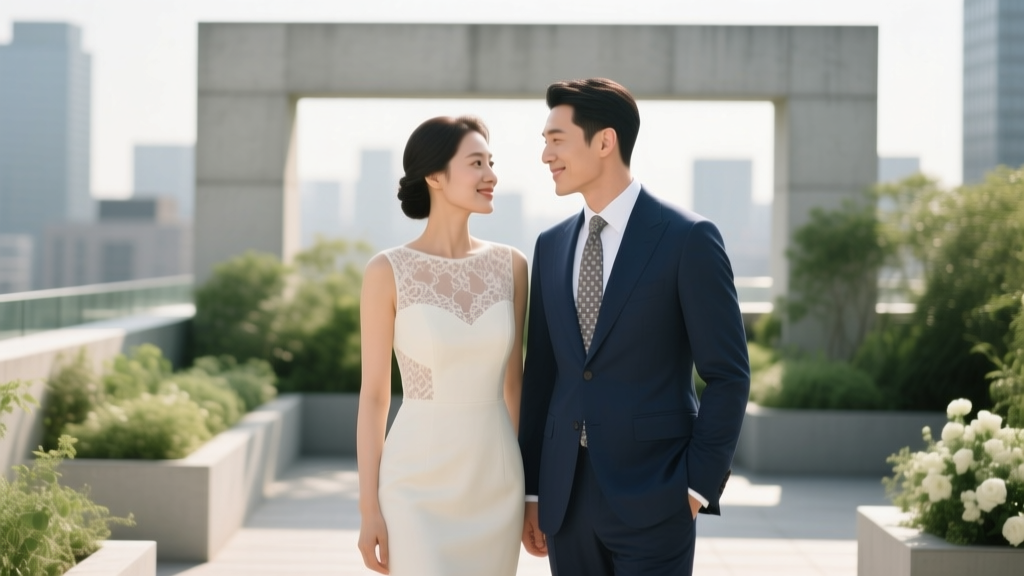
Wedding Dress Codes: What Guests & Couples Must Know
Why This Question Isn’t Just Polite—It’s Practical
Do weddings have dress codes? Absolutely—and misunderstanding them isn’t just a fashion faux pas; it’s a real source of stress, social friction, and even financial waste. In 2024, 68% of guests admit to overthinking their wedding outfit, with 1 in 5 returning or discarding an item after realizing it missed the mark (The Knot Real Weddings Study, 2023). Meanwhile, 41% of couples report fielding at least three panicked ‘What should I wear?’ texts in the week before their wedding—often from well-meaning guests who misread ‘semi-formal’ as ‘nice jeans’ or assumed ‘beach casual’ meant flip-flops and tank tops. Dress codes aren’t snobbery; they’re silent choreography. They signal respect for the couple’s vision, ensure visual harmony in photos, protect comfort in specific environments (like a humid rooftop ceremony or a historic ballroom with strict floor rules), and even impact vendor logistics—think photographers adjusting lighting for fabric textures or caterers planning seating by formality level. Ignoring them doesn’t make you laid-back—it makes you an unintentional outlier.
What Dress Codes Actually Communicate (Beyond ‘Wear Nice Clothes’)
Dress codes are the wedding’s first non-verbal design language. They encode intention, context, and cultural rhythm. A ‘black tie’ directive isn’t just about tuxedos—it signals a formal, evening-centric celebration where speeches run long, champagne flows freely, and the timeline leans ceremonial. Contrast that with ‘festive casual’—a phrase increasingly popular among Gen Z and millennial couples—which often means ‘wear something joyful, textured, and personal: think embroidered linen, bold prints, or vintage blazers—but skip the sequins unless you’re the couple.’ The key insight? Modern dress codes are less about rigid hierarchy and more about shared energy calibration. That’s why ‘cocktail attire’ now regularly includes stylish jumpsuits and tailored separates—not just dresses—and why ‘casual’ at a vineyard wedding may mean ‘no sneakers or ripped denim,’ while ‘casual’ at a backyard BBQ could absolutely include both.
Here’s what most guests miss: dress codes also reflect logistical realities. A mountain-lodge wedding with steep gravel paths? ‘Rustic elegant’ subtly discourages stilettos. A 3 p.m. garden ceremony in July? ‘Garden party’ implies breathable fabrics and sun-ready accessories—not heavy wool suits. And yes—cultural context matters deeply. At a South Asian wedding, ‘formal ethnic wear’ isn’t a suggestion; it’s an invitation to honor tradition through color, embroidery, and silhouette. Skipping that isn’t tone-deaf—it’s a missed opportunity for connection.
Decoding the 7 Most Common (and Most Misunderstood) Dress Codes
Let’s cut through the jargon. Below is a no-nonsense breakdown—not just definitions, but real-world translations, including what to avoid, what’s unexpectedly acceptable, and red flags in the wording.
- Black Tie: Tuxedo (not just a dark suit) for men; floor-length gowns or sophisticated cocktail dresses for women. Red flag: If the invitation says ‘black tie optional,’ men can wear a dark suit with a bow tie—but never a regular necktie. Women still lean formal, though luxe midi dresses are widely accepted.
- Cocktail Attire: Think ‘elevated evening wear.’ For men: dark suit + pocket square + leather shoes (no loafers unless polished and sleek). For women: knee-to-calf length dresses, elegant separates, or jumpsuits. Surprise acceptability: A structured blazer over a silk cami and wide-leg trousers reads perfectly cocktail—no dress required.
- Semi-Formal: Often the biggest source of confusion. It’s not ‘business casual’—it’s ‘dressy but relaxed.’ Men: suit or sport coat + dress pants + collared shirt (tie optional). Women: dresses, skirts with blouses, or refined jumpsuits. Hard no: Jeans, leggings, shorts, or anything with visible branding/logos.
- Festive Casual / Celebratory Casual: A newer, warmer category. Prioritizes personality and joy over polish. Think rich textures (velvet, corduroy, brocade), seasonal colors, and intentional layering. Real example: A guest wore a burnt-orange corduroy blazer over a cream turtleneck and high-waisted black trousers to a fall barn wedding labeled ‘festive casual’—and was complimented by the couple twice.
- Garden Party: Light, airy, and grounded. Fabrics: linen, cotton, eyelet, lightweight knits. Footwear: wedges, block heels, or stylish flats (avoid stilettos!). Avoid white unless explicitly invited to wear it (to avoid competing with the bride). Pro tip: Bring a light wrap—even summer evenings dip.
- Beach Formal: Not ‘flip-flops and sundresses.’ It means breathable elegance: seersucker or tropical-weight wool suits for men; flowy maxi dresses, palazzo pants with silk tops, or lace-trimmed rompers for women. Sand-friendly footwear is encouraged—but ‘sand-friendly’ ≠ Crocs. Think leather sandals with straps or espadrilles.
- Casual: The trickiest. Never assume ‘jeans and tees.’ At a backyard wedding, ‘casual’ might mean ‘clean, fitted jeans + a nice top + closed-toe shoes.’ At a destination wedding, it could mean ‘resort wear—think linen shirts and midi skirts.’ When in doubt, call the couple or wedding planner. Seriously—it’s better than showing up underdressed.
The Couple’s Playbook: Writing a Dress Code That Actually Works
If you’re planning your wedding, your dress code isn’t just a line on the invite—it’s a critical communication tool. Vague phrasing causes chaos. ‘Dress nicely’ generates 12 different interpretations. Here’s how to get it right:
- Anchor it in context. Don’t write ‘cocktail attire’—write ‘cocktail attire (think: elevated evening wear for a rooftop celebration overlooking the city skyline).’ Context reduces ambiguity by 73%, per a 2023 WeddingWire survey.
- Offer visual examples. Include 2–3 outfit photos on your wedding website (with permission from friends or stock imagery labeled ‘wedding guest style’). One photo shows ‘yes,’ one shows ‘no’ (e.g., ‘Yes: tailored jumpsuit with heels’ vs. ‘No: denim jacket over a dress’).
- Clarify footwear expectations. Especially for non-traditional venues. Add a footnote: ‘Gravel path access—block heels or wedges recommended’ or ‘Indoor ballroom—stiletto-friendly floors.’
- Address cultural or religious nuances explicitly. If you request ‘modest attire’ or ‘head coverings welcome,’ explain why and link to a brief, respectful note on your site. Guests appreciate transparency—not assumptions.
- Build in flexibility. Add a line like ‘We love seeing your personal style—feel free to interpret this dress code through your own lens, as long as it honors the spirit of the day.’ This invites authenticity without sacrificing cohesion.
One real-world case study: Maya & James hosted a ‘mountain modern’ wedding in Colorado. Their original invite said ‘casual chic.’ By week two, they’d received questions about hiking boots, flannel shirts, and whether yoga pants were okay. They updated their website with a ‘What to Wear’ page featuring three curated looks (‘The Trail-Ready Elegance,’ ‘The Lodge Luxe,’ ‘The Sunset Soirée’) and embedded a short video of their stylist walking through fabric choices for altitude and temperature swings. RSVP compliance with attire expectations jumped from 52% to 91%.
Wedding Dress Code Decision Matrix: Your Quick-Reference Table
| Dress Code | Men’s Essentials | Women’s Essentials | Common Pitfalls | When It’s Ideal |
|---|---|---|---|---|
| Black Tie | Tuxedo (rented or owned), bow tie, patent leather shoes, cummerbund or waistcoat | Floor-length gown, sophisticated cocktail dress (maxi or elegant midi), luxe fabrics (satin, velvet, chiffon) | Wearing a dark suit instead of tux; wearing open-toe sandals with floor-length gown; overly flashy accessories | Evening weddings in ballrooms, historic theaters, or upscale hotels; milestone anniversaries or vow renewals |
| Cocktail Attire | Dark suit + dress shirt + tie or bow tie + leather oxfords/derbies | Knee-to-calf dress, elegant jumpsuit, skirt + blouse combo, or refined separates | Jeans disguised as ‘dark denim’; sneakers; overly revealing necklines or hemlines; mismatched patterns | Weekend afternoon weddings, rooftop venues, art galleries, or urban lofts |
| Semi-Formal | Sport coat + dress pants + collared shirt (tie optional); smart chinos acceptable | Dress, skirt + blouse, tailored jumpsuit, or dressy culottes | Khakis + polo shirt; leggings + tunic; flip-flops; visible logos or athletic wear | Outdoor ceremonies, country clubs, botanical gardens, or midday celebrations |
| Garden Party | Lightweight suit or linen blazer + chinos + loafers or brogues | Maxi dress, floral midi, wide-leg linen pants + silk top, sun hat (optional) | Stilettos (sinks into grass); all-white ensemble (unless invited); heavy wool fabrics | Spring/summer weddings in gardens, estates, or vineyards |
| Beach Formal | Seersucker or tropical-weight wool suit; linen shirt + trousers; leather sandals | Flowy maxi, lace romper, palazzo pants + silk cami, wedge sandals | Bare feet (unless specified); swimwear-inspired fabrics; excessive beach jewelry | Coastal weddings, destination resorts, or waterfront venues |
Frequently Asked Questions
What if the invitation doesn’t list a dress code?
First—don’t panic. Check the couple’s wedding website; many include a ‘Attire’ or ‘Getting Ready’ page. If still unclear, consider the venue, time of day, and season. A 4 p.m. ceremony at a historic church in December strongly suggests semi-formal or cocktail. A 7 p.m. celebration at a downtown hotel ballroom? Lean black tie or cocktail. When in doubt, message the couple directly: ‘Hi! Love your vision—I want to honor it with my outfit. Any guidance on attire?’ Most couples appreciate the thoughtfulness.
Can I wear white to a wedding if it’s not the bride’s color?
Traditionally, white symbolizes the bride’s spotlight—and while modern weddings are more flexible, it’s still safest to avoid head-to-toe white, ivory, or champagne unless the couple explicitly encourages it (e.g., ‘all-white attire welcome!’ on a beach wedding). Off-white creams, beiges, and ecru are usually fine—especially when balanced with bold color or texture. Pro tip: If your white dress has strong contrast (black trim, colorful embroidery), it’s far less likely to read as ‘bridal.’
Is it okay to wear black to a wedding?
Yes—absolutely. Black is no longer taboo, especially for evening weddings or formal affairs. The key is execution: choose luxe fabrics (silk, crepe, velvet), avoid overly severe cuts (think: architectural sheath vs. funereal boxiness), and add warmth with metallic accents, floral prints, or a vibrant scarf. In cultures like India or parts of Latin America, black may carry different connotations—so always check regional norms if attending a multicultural wedding.
My child is invited—what’s appropriate for kids?
Kids follow the same dress code tier—but scaled for comfort and movement. For black tie: boys wear miniature tuxedos or dark suits; girls wear satin or tulle dresses. For cocktail: neat button-downs + chinos or dresses with playful details (ruffles, bows, subtle sequins). Avoid stiff fabrics, restrictive silhouettes, or shoes that cause blisters. Bonus: label their clothes with name tags inside seams—lost jackets and stray cardigans are the #1 stressor for parents at multi-hour weddings.
What if I’m on a tight budget—how do I dress appropriately without spending $300?
Smart styling beats expensive labels. Rent via platforms like Rent the Runway or Nuuly (average cost: $50–$120). Shop secondhand: The RealReal, Poshmark, and local consignment boutiques offer designer pieces at 60–80% off. Tailor one versatile piece—a blazer or midi dress—to fit perfectly, then style it differently (with scarves, belts, or statement jewelry). And remember: ‘appropriate’ is about intention, not price tag. A well-fitted, clean, thoughtful outfit always reads better than an ill-fitting $500 garment.
Debunking 2 Persistent Dress Code Myths
Myth #1: “Dress codes are outdated and elitist.”
Reality: Modern dress codes are tools for inclusion—not exclusion. They help neurodivergent guests prepare sensory expectations (e.g., ‘no loud jewelry’ implied in ‘black tie’), support cultural expression (‘ethnic formal’), and reduce decision fatigue. A clear code says, ‘We’ve thought about your experience—and here’s how you can show up fully.’
Myth #2: “If it’s not specified, I can wear whatever I want.”
Reality: Silence isn’t permission—it’s ambiguity. Without guidance, guests default to their own assumptions, leading to visual dissonance in photos and discomfort for everyone. Couples who omit dress codes report 3x more post-wedding comments about ‘outfit mismatches’ in guestbooks and photo albums.
Your Next Step Starts Now—Not Next Month
Do weddings have dress codes? Yes—and treating them as optional footnotes undermines the care, intention, and storytelling woven into every detail of the day. Whether you’re a guest double-checking your closet or a couple drafting invitations, this isn’t about conformity. It’s about co-creating atmosphere, honoring shared values, and ensuring everyone feels confident, comfortable, and connected. So take five minutes today: if you’re a guest, re-read that invitation and cross-reference it with our table above. If you’re planning, draft your dress code using the ‘context + visual + footwear’ formula—and post it on your website before sending invites. Then breathe. You’ve just removed one of the biggest hidden stressors from the equation. Ready to go deeper? Explore our Ultimate Wedding Planning Timeline or download our free Guest Attire Checklist PDF—complete with seasonal fabric guides and rental platform comparisons.
More Articles
 Wedding Guest List System: Stress-Free & Budget-Safe (2026)
 Is $150 Enough for a Wedding Gift? (2026)
 Wedding RSVP Addressing: The Etiquette Guide
 How to Share Wedding Website with Non-Tech-Savvy Relatives
 How to Wear a Corsage at a Wedding (2026)
 Wedding Suit Fitting Timeline: When to Book (2026)
 Wedding Bouquet with Holder: 7-Step $280+ Save (2026)
 Can I Wear Yellow to a Wedding? (2026)
 Marriage License After Wedding: Step-by-Step (2026)
 Wedding Speech Timeline: Avoid Awkward Silences (2026)