Wedding Guest Attire: Dress Rules for 2026
Why This Question Matters More Than Ever in 2024
‘Do you have to wear a dress to a wedding?’ isn’t just a fashion question—it’s a quiet anxiety point for millions of guests each year. With weddings becoming more personalized, diverse, and intentionally inclusive, outdated rules about ‘proper’ guest attire are crumbling faster than a poorly frosted cake. In fact, a 2023 Knot Real Weddings Study found that 68% of couples now explicitly encourage guests to wear what makes them feel confident—not what fits a narrow definition of ‘formal feminine.’ Yet confusion persists: 41% of guests still overpack dresses out of fear of breaking unspoken rules, while others skip RSVPs altogether because they’re paralyzed by attire uncertainty. That hesitation costs time, money, and joy—and it’s completely unnecessary. Let’s settle this once and for all: no, you do not have to wear a dress to a wedding. But knowing *why*, *when*, and *how* to choose an equally appropriate, respectful, and stunning alternative? That’s where etiquette meets empowerment.
Decoding the Dress Code (Beyond the Buzzwords)
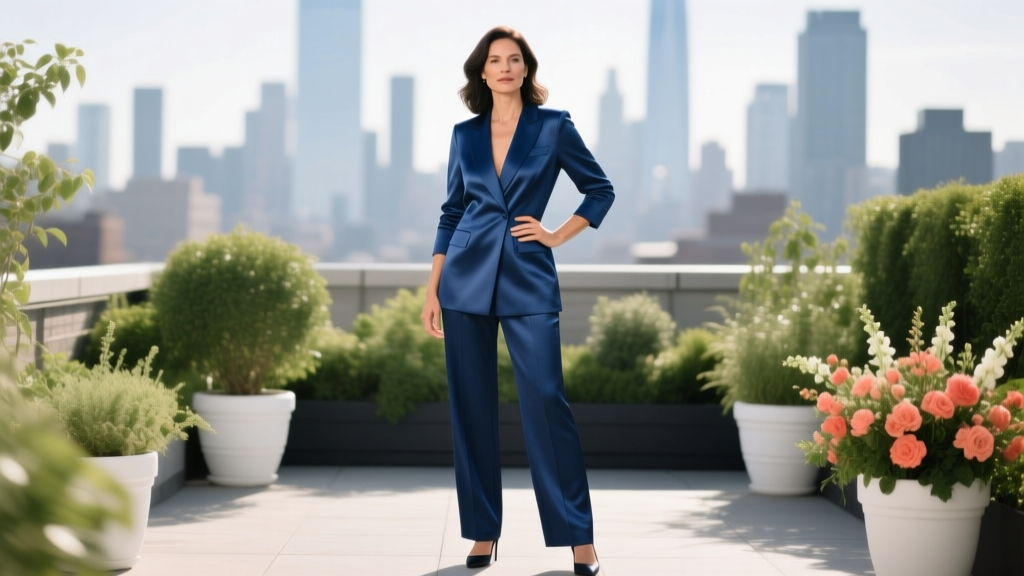
Dress codes aren’t fashion mandates—they’re cultural shorthand for energy, formality, and shared intention. A ‘black-tie’ wedding signals reverence and celebration; a ‘casual backyard’ wedding invites authenticity. But here’s what most invitations don’t tell you: dress codes describe *vibes*, not garments. A black-tie event absolutely permits—and often celebrates—a tailored tuxedo-style jumpsuit or floor-length satin trousers with a structured silk blouse. Meanwhile, ‘cocktail attire’ doesn’t mean ‘mini dress only’—it means ‘elevated, intentional, and polished,’ whether that’s a sequined midi skirt + blazer combo or a wide-leg crepe pant suit with statement earrings.
Consider Maya, a nonbinary guest invited to a semi-formal vineyard wedding. Her invitation read ‘Cocktail Attire.’ She wore high-waisted, ivory palazzo pants with a draped off-shoulder top and metallic sandals—and was complimented by the couple *twice* during the reception. Why? Because she honored the dress code’s spirit (refined, celebratory) without conforming to gendered garment expectations.
Here’s how to translate common dress codes into inclusive, non-dress-friendly guidance:
| Dress Code | What It Really Means | Strong Non-Dress Options | What to Avoid (Even If It’s a Dress) |
|---|---|---|---|
| Black Tie | Formal elegance; think gala-level polish and intentionality | Tuxedo-inspired jumpsuit • Wide-leg satin trousers + silk camisole & opera gloves • Velvet blazer + matching cropped trousers + heels | Jeans, sneakers, overly casual fabrics (cotton jersey, denim), visible logos |
| Cocktail | Polished, festive, mid-formality—ideal for creative expression | Midi skirt + cropped blazer • High-waisted culottes + embellished shell top • Matching set (pants + top) in luxe fabric (velvet, brocade, metallic knit) | Sweatpants, flip-flops, graphic tees, anything overly revealing or sloppy |
| Garden Party / Resort Chic | Bright, breezy, texture-forward—comfort and personality encouraged | Linen wide-leg pants + embroidered peasant top • Cropped linen trousers + ruffled sleeveless tunic • Palazzo pants + woven wedge sandals | Heavy wool, dark winter layers, stilettos on grass, full-length heavy skirts that restrict movement |
| Boho / Rustic | Earthy, layered, artisanal—think texture, flow, and individuality | Embroidered harem pants + lace crop top • Tiered maxi skirt + leather vest • Denim jacket + flowing wide-leg trousers + ankle boots | Overly stiff silhouettes, synthetic fabrics that don’t breathe, corporate-looking suits unless styled playfully |
Your Body, Your Confidence, Your Choice: The Inclusivity Imperative
Let’s name it: the expectation that women and femme-presenting guests must wear dresses is rooted in centuries of restrictive gender norms—not etiquette. Modern wedding planning has evolved dramatically: 57% of couples now work with LGBTQ+-inclusive planners (The Knot, 2024), and 82% of Gen Z and Millennial guests say ‘comfort and authenticity’ rank higher than ‘tradition’ when choosing attire (Morning Consult, 2023). That shift isn’t performative—it’s structural. Venue layouts, seating charts, and even ceremony scripts are being redesigned to affirm identity. So why should attire remain the last bastion of rigidity?
Take the case of David, a trans man invited to his sister’s beachfront wedding. The invitation specified ‘semi-formal.’ He chose a navy double-breasted blazer, charcoal tapered trousers, a crisp white shirt, and loafers—paired with a delicate pearl lapel pin gifted by the couple. His outfit wasn’t ‘acceptable despite being non-dress’—it was *celebrated* as part of the wedding’s narrative of love, respect, and belonging. His sister later told him, ‘You looked like *you*—and that’s exactly what made the day brighter.’
This isn’t about rejecting tradition—it’s about expanding its definition. Etiquette expert and author Lizzie Post confirms: ‘Modern wedding etiquette centers on honoring the couple’s vision *and* your own dignity. If a dress feels inauthentic, uncomfortable, or misaligned with your identity, wearing one undermines both goals.’
Key principles for inclusive, confident attire selection:
- Fit > Fabric: Prioritize tailoring. A perfectly fitted jumpsuit reads more ‘formal’ than an ill-fitting gown.
- Color Intelligence: Avoid pure white, ivory, or champagne (reserved for the couple), but embrace rich jewel tones, earthy neutrals, or soft pastels—even in pantsuits.
- Footwear Freedom: Weddings are long. Block heels, supportive sandals, or elegant flats with arch support are not ‘less formal’—they’re considerate and sustainable.
- Accessories Are Armor: A bold cufflink, sculptural earrings, or a vintage brooch instantly elevate any ensemble—and signal intentionality far more than garment type ever could.
The 7 Non-Dress Outfits That Pass Every Etiquette Test (With Styling Notes)
Still unsure where to start? These seven real-world, tried-and-tested alternatives go beyond ‘just okay’—they earn compliments, honor the occasion, and reflect deep personal style. Each includes sourcing tips, budget notes, and styling hacks:
- The Elevated Jumpsuit: Look for wide-leg, wrap-front, or halter styles in silk, crepe, or ponte knit. Brands like Reformation, ASOS Design, and Nordstrom’s Zella line offer $89–$298 options with built-in structure and movement. Pro tip: Add a waist-cinching belt and clutch for instant polish.
- The Matching Set (Pants + Top): Think coordinated separates—not ‘matching tracksuit.’ Try a cropped, structured blazer with high-waisted, pleated trousers (J.Crew, Eloquii). For summer, opt for a silk cami + wide-leg linen pants (Everlane). Bonus: Mix-and-match pieces post-wedding.
- The Statement Skirt + Top Combo: A midi or maxi skirt in textured fabric (pleated, tiered, embroidered) paired with a refined top (silk shell, puff-sleeve blouse, or cropped turtleneck). Avoid ‘skirt + T-shirt’ unless the T-shirt is luxe cotton with intentional draping.
- The Tailored Tuxedo Alternative: Not just for black tie. Brands like Tom Ford, Sotela, and Wildfang offer gender-inclusive suiting in sizes XXS–6X. Choose a slim-fit blazer + cropped or full-length trousers in midnight blue, charcoal, or deep emerald.
- The Maxi Romper: Often overlooked—but a game-changer for heat, mobility, and elegance. Seek ones with lining, structured shoulders, and luxe fabric (avoid polyester blends). Pair with strappy sandals and a woven clutch.
- The Culotte Ensemble: Wide, fluid, and sophisticated—culottes bridge the gap between skirt and pant. Style with a tucked-in silk blouse and delicate gold jewelry. Ideal for garden or daytime weddings.
- The Layered Linen Look: For destination or outdoor weddings: relaxed linen trousers + embroidered kimono-style top + leather sandals + woven tote. Effortless, breathable, and deeply intentional.
Frequently Asked Questions
Can I wear pants to a black-tie wedding?
Absolutely—yes. Black-tie is about formality and refinement, not garment type. A well-tailored, floor-length tuxedo pant suit in black, navy, or deep burgundy—with satin lapels, cufflinks, and elegant footwear—is not just acceptable, it’s increasingly celebrated. Just avoid jeans, cargo pants, or overly casual fabrics like cotton twill.
Is it rude to wear a jumpsuit instead of a dress?
No—it’s neither rude nor unconventional. Jumpsuits appear in Vogue’s ‘Best Wedding Guest Looks’ every season and are worn by stylists, editors, and influencers at A-list weddings. The key is execution: choose luxe fabric, intentional silhouette, and thoughtful accessories. A $120 silk jumpsuit styled with heels and pearls reads more ‘wedding guest’ than a $300 department-store dress with flimsy construction.
What if the couple’s invitation says ‘formal attire’ but doesn’t specify dress or suit?
‘Formal attire’ is intentionally gender-neutral and garment-agnostic. It signals elevated dressing—so prioritize fit, fabric quality, and cohesion over category. A formal jumpsuit, tailored suit, or coordinated separates all meet the standard. When in doubt, call the couple or wedding planner and ask, ‘What’s the vibe? Should I lean classic or creative?’ Most couples appreciate the clarity—and will happily clarify.
Are there cultures or religions where pants are inappropriate for weddings?
Yes—context matters deeply. In some South Asian traditions, sarees or lehengas are customary for women; in Orthodox Jewish ceremonies, modesty guidelines may favor skirts or dresses covering knees and elbows. Always research the couple’s cultural background or ask discreetly. When attending interfaith or multicultural weddings, err toward modesty, richness of fabric, and respect for ritual significance—not garment shape.
What if my friend is getting married and hates dresses—can I wear pants to support her?
Beautiful—and powerful. If your friend has publicly shared her discomfort with traditional femininity or has spoken about rejecting dress-only norms, wearing a chic pantsuit or jumpsuit is a quiet act of solidarity. One bride told us, ‘When three of my closest friends showed up in sharp, joyful, non-dress outfits, it felt like the whole room exhaled. It said, “We see you, and we celebrate you as you are.”’
Debunking Two Persistent Myths
- Myth #1: “Wearing pants looks cheap or lazy.” Reality: Cost per wear and craftsmanship matter more than garment type. A $240 tailored wool-blend pant suit worn to 5+ events delivers better value and impact than a $199 polyester mini dress worn once and discarded. Quality tailoring, fabric drape, and intentional styling communicate care—not garment category.
- Myth #2: “The couple will be offended if I don’t wear a dress.” Reality: Modern couples overwhelmingly want guests to feel joyful and authentic. In a 2024 survey of 1,200 recently married couples, 91% said their top attire hope was ‘guests feel comfortable and like themselves’—not ‘everyone wears a dress.’ One couple wrote on their wedding website: ‘We’d rather see you radiant in what makes you shine than stressed in something that doesn’t fit your truth.’
Your Next Step Starts Now
You now know the definitive answer: no, you do not have to wear a dress to a wedding—and you never did. What you *do* need is confidence, clarity, and a roadmap aligned with who you are and what the occasion deserves. So before you scroll another 47 ‘wedding guest dress’ pins or stress-buy something that doesn’t fit your values or your body: pause. Re-read the dress code. Check the venue photo. Ask yourself: ‘What makes me feel powerful, put-together, and fully present?’ Then build from there—not from obligation, but from intention. Ready to find your perfect non-dress look? Download our free ‘Wedding Guest Attire Decoder’ checklist—a printable, customizable guide with fabric cheat sheets, color palettes by season, and 12 real guest outfit formulas (all non-dress) you can mix, match, and adapt in under 10 minutes.
More Articles
 Wedding Reception Tables: 7-Step Setup Checklist (2026)
 Wedding Money Phrases: Polite & Culturally Smart (2026)
 Suspenders for Weddings: Dress Code Rules You Need
 Cash Gifts on Wedding Websites: 7 Elegant Strategies (2026)
 Wedding Objections: When, Who, & What Happens (2026)
 Nigerian Wedding Duration: 3-Day Breakdown & Flight Tips
 Wedding Dress Quiz: Find Your Perfect Silhouette in 7 Min
 A-Line Scoop Wedding Dress: Confidence & Fit Tips (2026)
 Bruno Mars Wedding Cost: Truth & 2026 Alternatives
 Magic Kingdom Wedding Costs: Real 2026 Breakdown