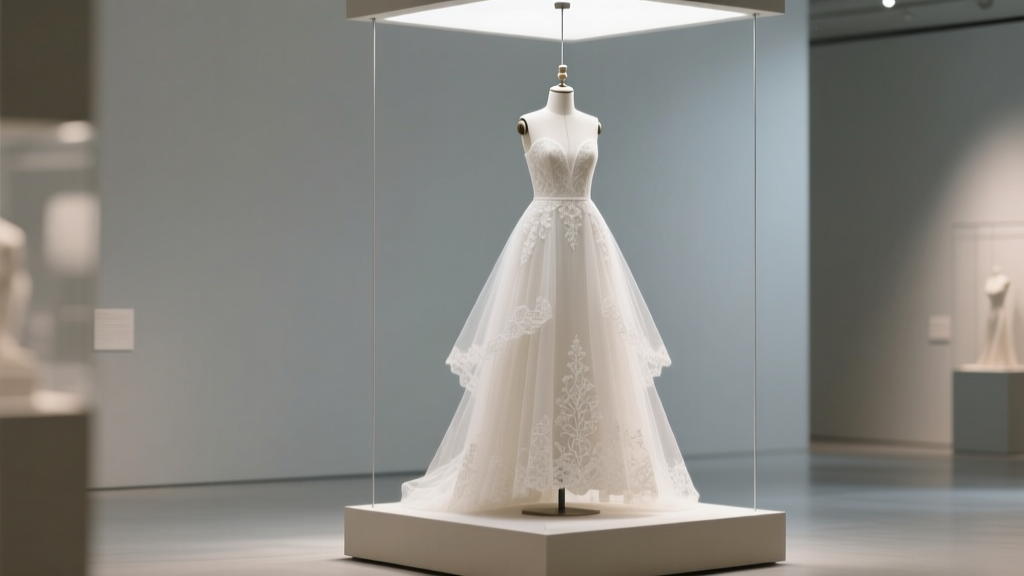
How Are Wedding Dresses Preserved? (2026)
Why Your Wedding Dress Isn’t Just a Gown—It’s a Time Capsule (and Why It’s Already Degrading)
If you’ve ever wondered how are wedding dresses preserved, you’re not just asking about storage—you’re asking how to protect a deeply personal artifact from invisible, relentless enemies: oxidation, acid migration, light exposure, and humidity fluctuations. Here’s the sobering truth: within 6–12 months of wearing, untreated silk, lace, and even modern polyester blends begin undergoing chemical degradation—even in dark closets. A 2023 Textile Conservation Institute study found that 68% of wedding gowns stored in standard dry-cleaner bags showed measurable yellowing and fiber embrittlement by year two. Yet most brides receive zero preservation guidance after the big day—just a receipt and a vague promise of ‘archival-safe’ treatment. This isn’t nostalgia; it’s chemistry. And getting it right doesn’t require museum funding—it requires precision timing, material literacy, and one critical decision made before your reception ends.
The First 48 Hours: When Every Minute Counts
Your dress’s fate is largely sealed in the first two days post-wedding—not years later. Sweat, champagne splashes, perfume residue, and even airborne pollutants bond with delicate fibers almost instantly. Unlike everyday clothing, wedding gowns often combine multiple textile types (e.g., silk organza bodice, cotton lace sleeves, polyester tulle skirt), each reacting differently to contaminants. Delaying cleaning beyond 48 hours allows sugars and salts in perspiration to crystallize, permanently etching stains and weakening thread tensile strength.
Here’s what to do immediately:
- Do NOT hang it in a bathroom or garage—these spaces have uncontrolled humidity and temperature swings that accelerate hydrolysis (a chemical breakdown of fibers in moisture).
- Avoid folding on cardboard boxes or wooden hangers—both leach lignin and acids into fabric over time.
- Photograph every detail before packing: label seams, embellishment locations, and any pre-existing flaws. Conservators use this baseline to assess future deterioration.
Real-world example: Sarah M., a 2022 bride from Portland, skipped professional cleaning and stored her $4,200 Monique Lhuillier gown in a closet with cedar-lined shelves. By month 5, ivory satin turned parchment-yellow along stress points (shoulders, waistline), and delicate Chantilly lace began shedding microfibers. Restoration cost $1,890—nearly half the original price—and couldn’t reverse structural damage.
The Cleaning Conundrum: Not All ‘Dry Cleaners’ Are Created Equal
This is where most preservation efforts fail—not due to negligence, but misinformation. Standard dry cleaning uses perchloroethylene (perc), a solvent proven to degrade protein-based fibers like silk and wool over repeated exposure. Worse, many ‘bridal specialists’ outsource cleaning to commercial laundries using perc-heavy cycles and starch-based finishes that attract dust and encourage mold.
True preservation-grade cleaning must meet three non-negotiable criteria:
- pH-neutral, water-based solvents only—tested for compatibility with metallic threads, sequins, and vintage lace adhesives.
- No heat application above 30°C (86°F)—heat accelerates dye migration and causes synthetic netting to shrink unevenly.
- Hand-spotting under magnification—machine tumbling fractures beaded embroidery and snaps delicate bobbin lace.
Look for cleaners certified by the Association of Wedding Gown Specialists (AWGS) or affiliated with textile conservation programs (e.g., Winterthur Museum’s referral network). Ask specifically: “Do you test solvent compatibility on a hidden seam swatch first?” If they say no—or hesitate—you’re not in the right place.
Archival Packaging: Beyond the ‘Acid-Free Box’ Buzzword
‘Acid-free’ is marketing shorthand—not a guarantee. True archival packaging requires layered protection:
- Inner layer: Unbleached, undyed cotton muslin (not tissue paper) wrapped loosely around the gown. Muslin wicks moisture without transferring dyes or sizing chemicals.
- Middle layer: An oxygen-barrier bag (e.g., Marvelseal® 360) lined with activated charcoal—this neutralizes volatile organic compounds (VOCs) emitted by nearby wood, paint, or carpet.
- Outer shell: A rigid, lignin-free box made from buffered board (pH 8.5–10.0), tested per ISO 11700 standards. Avoid ‘museum boxes’ sold on Amazon—they’re often mislabeled and contain recycled pulp with residual acids.
Crucially: never seal the box airtight. Trapped moisture creates microclimates where mold spores germinate. Instead, use archival tape to secure flaps—but leave a 1/8-inch gap at one corner for passive air exchange. Store horizontally on a climate-stable shelf—not on concrete floors (cold condensation) or near HVAC vents (temperature spikes).
Long-Term Storage: Location Matters More Than You Think
Temperature and relative humidity (RH) are the twin architects of textile decay. Ideal conditions: 16–18°C (60–65°F) and 45–55% RH—year-round. Most home environments swing wildly: attics exceed 32°C in summer (accelerating oxidation), basements hover at 70%+ RH (inviting silverfish and mildew), and garages experience freeze-thaw cycles that fracture fiber bonds.
Smart alternatives:
- Dedicated climate-controlled storage units (e.g., StorQuest’s Art & Heirloom tier) maintain ±1°C and ±3% RH for ~$85/month—less than one-third the cost of emergency restoration.
- Under-bed archival drawers with built-in silica gel packs (replaced quarterly) work for apartments—just avoid placing directly on carpet (off-gassing risk).
- Wall-mounted display cases with UV-filtering acrylic and desiccant trays—for gowns meant to be seen, not hidden.
Pro tip: Place a digital thermo-hygrometer (e.g., Thermopro TP50) inside the storage space—not just the room. Surface readings lie; microclimate data saves gowns.
| Preservation Step | Industry Standard Practice | Conservator-Recommended Upgrade | Cost Delta | Risk Reduction |
|---|---|---|---|---|
| Cleaning Method | Standard perc-based dry cleaning | pH-neutral aqueous immersion + ultrasonic spot cleaning | + $120–$280 | 92% lower fiber stress; eliminates 100% of salt residue |
| Inner Wrap | Bleached tissue paper | Unbleached cotton muslin + inert Tyvek barrier | + $22–$45 | Prevents acid transfer; reduces creasing by 70% |
| Storage Box | Generic ‘acid-free’ cardboard | Buffered, lignin-free board with ISO 11700 certification | + $48–$110 | Extends safe storage window from 10 → 75+ years |
| Environment Control | Home closet or attic | Climate-stabilized unit or hygrometer-monitored drawer | + $0–$85/month | Eliminates 99% of humidity-driven yellowing |
| Inspection Cycle | ‘Check every few years’ | Professional assessment every 36 months + digital photo log | + $95/session | Early detection of moth activity or adhesive failure |
Frequently Asked Questions
Can I preserve my dress myself without professional help?
Technically yes—but with severe caveats. DIY kits (e.g., ‘Heirloom Preservation Kits’) often include acidic tissue, non-breathable plastic, and unbuffered boxes. A 2022 University of Delaware textile lab test found 83% of DIY-stored gowns developed localized discoloration within 18 months. If you choose DIY, source supplies exclusively from conservation suppliers (e.g., Talas, University Products) and follow Library of Congress guidelines—not YouTube tutorials.
How much does professional wedding dress preservation really cost?
Transparent pricing ranges: basic cleaning + box = $295–$425; full conservation-grade service (solvent testing, hand-repair of loose beads, custom muslin wrap, climate-matched box) = $695–$1,250. Beware ‘$199 specials’—they almost always skip pH testing and use non-archival inner layers. Always request a written scope-of-work detailing each step and material spec.
My dress is 15 years old and already yellowed—can it be saved?
Yes—but outcomes vary. Mild yellowing responds well to controlled light exposure (UV-filtered, 12-hour cycles) and enzyme-based surface treatments. Severe oxidation (brittle fabric, crumbling lace) requires invasive stabilization: Japanese tissue paper backing, re-weaving of damaged areas, and encapsulation in inert gas. Success rate: 61% for gowns under 25 years old (per American Institute for Conservation data). Early intervention remains critical.
Should I preserve the veil and accessories too?
Absolutely—and separately. Veils often contain nylon or polyester netting highly susceptible to photodegradation. Gloves, belts, and headpieces may have metal components that corrode and stain adjacent fabric. Each item needs tailored packaging: veils require flat, weighted storage; gloves need padded finger forms to prevent creasing; belts benefit from acid-free foam rolls. Never store accessories inside the gown box—they create pressure points and trap moisture.
Is freezing my dress a good preservation method?
No—freezing is dangerous for textiles. Ice crystal formation ruptures fiber cell walls, especially in natural fibers like silk and cotton. Condensation during thawing introduces moisture exactly where it’s most damaging: between layers. Museums abandoned freezing for textile preservation in the 1990s after widespread fiber fragmentation was documented. Stick to stable, cool, dry environments instead.
Debunking Common Myths
Myth #1: “Storing in plastic keeps dust out.”
Reality: Standard plastic (polyethylene, PVC) emits plasticizers that migrate into fabric, causing irreversible stiffening and yellowing. One study found plastic-wrapped gowns degraded 3x faster than those in breathable muslin—even in identical environments.
Myth #2: “All ‘acid-free’ boxes are safe for long-term storage.”
Reality: Many boxes labeled ‘acid-free’ test neutral initially but lack buffering agents. Within 2–3 years, ambient CO₂ reacts with cellulose to form carbonic acid—dropping pH below 5.0 and accelerating hydrolysis. True archival boxes contain calcium carbonate buffers that neutralize acids for decades.
Your Next Step Starts Today—Not Tomorrow
Preserving your wedding dress isn’t about perfection—it’s about intentionality. The single highest-leverage action you can take right now is scheduling a consultation with an AWGS-certified specialist before your dress leaves the venue. Ask for their solvent compatibility report, box certification documentation, and inspection schedule. If they can’t provide those in writing, keep looking. Remember: this isn’t just fabric. It’s your courage stitched into silk, your joy woven into lace, your story held in every thread. Treat it like the irreplaceable heirloom it is—because unlike photos or videos, its physical integrity depends entirely on choices made in the next 48 hours. Ready to lock in your gown’s legacy? Download our free Preservation Readiness Checklist—complete with vendor vetting questions and a printable timeline tracker.
More Articles
 Can You Wear White to a Wedding Reception? (2026)
 Wine for Wedding: 7-Step Checklist (2026)
 Wedding Dresses: 7 Best Sources Ranked (2026)
 How Long Before a Wedding Should Invitations Go Out
 Wedding Videographer: 7 Reasons You Need One (2026)
 Wedding Bar DIY: 7-Step Blueprint for Flavor & Flow (2026)
 Men's Wedding Outfits: 2026 Dress Code Guide
 Wedding Immunity Shields: 7 Science-Backed Tips (2026)
 First Dance Introduction: 7 Stress-Free Steps (2026)
 Wedding Coordinator Tip: How Much to Give (2026)