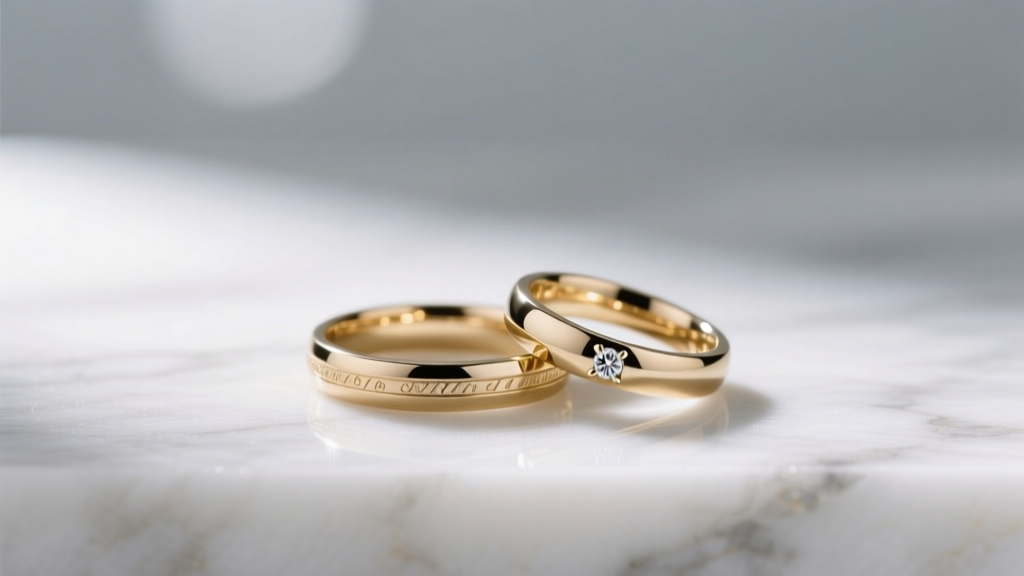
How to Buy Wedding Rings: A Stress-Free Guide (2026)
Why Getting This Right Changes Everything
If you’ve ever scrolled through endless ring galleries only to feel more confused—or worse, overwhelmed by conflicting advice—you’re not alone. How do you buy wedding rings isn’t just a logistical question; it’s one of the first tangible acts of co-creation in your marriage. Yet most couples rush it: 68% make their final purchase within 3 weeks of starting research (The Knot 2023 Real Weddings Study), and nearly half admit they didn’t know their partner’s ring size before proposing. That’s why this guide isn’t about ‘pretty options’—it’s about building confidence through clarity. Because the rings you choose will be worn every single day for decades. They’ll witness promotions, births, losses, quiet mornings, and everything in between. So let’s get it right—not perfect, but *intentional*.
Your Ring-Buying Timeline: When to Start (and Why Timing Matters)
Contrary to popular belief, you don’t need to wait until after the proposal to begin researching wedding rings—and doing so *before* can save serious time, money, and emotional friction. Here’s the reality: custom bands take 4–12 weeks to craft; resizing adds 7–14 days; and peak wedding season (May–October) means longer lead times and fewer artisan slots. A smart timeline looks like this:
- 6–9 months pre-wedding: Begin education—learn metal properties, diamond grading basics, and ethical sourcing standards. Bookmark 3–5 jewelers with transparent pricing and real customer reviews (not just glossy Instagram feeds).
- 4–5 months out: Book in-person consultations (even if you plan to buy online). Try on 10+ styles across different metals and widths. Note how each feels after wearing for 2 hours—comfort is non-negotiable.
- 2–3 months out: Finalize design, confirm engraving details, and lock in delivery dates. If ordering custom, request a wax or CAD preview before casting.
- 4–6 weeks pre-wedding: Schedule professional sizing (not at home with string!) and confirm insurance valuation documentation.
Case in point: Maya and David started research 7 months pre-wedding. They discovered early that David’s nickel allergy ruled out white gold alloys—and that platinum’s density meant his band needed extra width for durability. That insight saved them from a $1,200 re-casting fee and two stressful weeks of ringless anxiety.
The Budget Conversation: How Much *Should* You Spend (and What to Prioritize)
Forget the outdated ‘two months’ salary myth—it’s financially reckless and emotionally toxic. In 2024, the national average spend on wedding rings is $2,427 total ($1,352 for engagement + $1,075 for wedding bands), according to The Knot’s latest data. But averages lie. What matters is your financial reality and shared values.
Start with this framework: Ring budget = what you can comfortably spend without delaying student loans, retirement contributions, or emergency fund goals. Then allocate intentionally:
- For engagement rings: Prioritize cut quality over carat weight. A well-cut 0.75ct diamond looks larger and sparkles brighter than a poorly cut 1.25ct stone—and costs up to 35% less.
- For wedding bands: Invest in metal longevity over flash. Platinum won’t tarnish and holds prongs securely—but it’s 2.5x heavier and 3x pricier than 14k gold. For active lifestyles, consider palladium: hypoallergenic, lighter than platinum, and 40% less expensive.
- Hidden costs to budget for: Engraving ($50–$150), insurance appraisal ($75–$200), annual cleaning/inspection ($30–$80), and potential future resizing ($60–$120 per adjustment).
Pro tip: Ask jewelers for ‘lab-grown diamond alternatives’—they’re chemically identical to mined stones but cost 60–75% less. Over 72% of couples under 35 now choose them (McKinsey Luxury Report, 2024), not just for savings, but for traceable, conflict-free origins.
Metal, Stone & Style: Decoding the Jargon Without the Headache
Let’s demystify the three pillars of ring selection—without drowning in GIA charts or alloy percentages.
Metals: It’s Not Just About Shine
Gold isn’t ‘gold’—it’s an alloy. Pure 24k gold is too soft for daily wear. So jewelers mix it with other metals for strength and color:
- 14k gold (58.5% pure gold): The sweet spot for durability, affordability, and warmth. Ideal for active lifestyles and sensitive skin (especially yellow or rose gold variants).
- 18k gold (75% pure): Richer color and higher gold content—but softer, more prone to scratches, and 25% pricier than 14k.
- Platinum (90–95% pure): Naturally white, dense, and hypoallergenic. Develops a soft patina over time (many love this vintage look), but requires professional polishing every 18–24 months.
- Titanium & Tungsten: Ultra-durable, lightweight, and budget-friendly—but cannot be resized and are nearly impossible to remove in emergencies (ERs use specialized ring cutters).
Stones: Beyond the Diamond
Diamonds dominate—but they’re not the only meaningful option. Consider these rising alternatives:
- Moissanite: Lab-created silicon carbide. 2.4x more brilliant than diamond, ethically sourced, and ~90% less expensive. Newer ‘forever one’ grades eliminate the faint yellow/green tint of older versions.
- Sapphires: Second only to diamonds in hardness (9/10 on Mohs scale). Blue sapphires evoke royalty—but pink, yellow, and padparadscha (peach-orange) varieties offer unique personality. Traceable Montana sapphires are gaining traction for eco-conscious buyers.
- Recycled Diamonds: Vintage or estate stones reset into new settings. Each has its own history—and zero new mining impact. Reputable dealers like Brilliant Earth and Wink provide full provenance reports.
Style note: Don’t underestimate comfort fit. Bands with rounded interior edges reduce pressure on knuckles and prevent ‘wedding ring rash.’ Ask for it explicitly—even if it’s not listed in the product description.
Where to Buy: Brick-and-Mortar, Online, or Hybrid?
The ‘where’ matters as much as the ‘what.’ Here’s how to evaluate channels objectively:
| Channel | Best For | Risk Factors | Red Flags to Watch |
|---|---|---|---|
| Local Independent Jewelers | Custom design, heirloom restoration, hands-on guidance, community support | Limited inventory; pricing may lack transparency; smaller return windows | No written warranty; refusal to share GIA report before purchase; pressure to ‘act now’ on ‘limited stock’ |
| Reputable Online Retailers (e.g., James Allen, Blue Nile, Clean Origin) | Lab-grown options, 360° video inspections, price comparison, fast shipping | No tactile experience; returns require mailing valuables; limited personalization | Vague return policy (e.g., ‘subject to restocking fee’); no live chat with gemologists; missing certification details |
| Hybrid Models (e.g., Catbird, Vrai, Mejuri) | Ethical sourcing, modern aesthetics, subscription-style care plans, strong social proof | Longer wait times for custom orders; limited physical try-ons | No third-party lab verification mentioned; vague ‘eco-friendly’ claims without certifications (e.g., SCS, Fairmined) |
| Antique/Vintage Dealers | Unique character, sustainability, historical significance, lower price per carat | Irregular sizing; potential prong wear; limited insurance options | No independent appraisal included; no clarity on restoration methods used; ‘as-is’ sales only |
Real-world example: Sarah chose Vrai after comparing 12 vendors. She watched 3D renderings of her moissanite band for 48 hours, requested two free metal samples (platinum and recycled 14k rose gold), and used their virtual try-on tool with her phone camera. She ordered, received tracking updates every 48 hours, and had her rings in hand 11 days later—$1,842 less than her original budget.
Frequently Asked Questions
Can I buy wedding rings before getting engaged?
Absolutely—and increasingly common. Many couples co-design bands during pre-engagement conversations. It removes guesswork, ensures mutual input, and lets you focus on the proposal moment itself. Just avoid engraving names or dates until after the ‘yes.’ Pro tip: Choose timeless styles (e.g., plain bands, subtle milgrain) over trend-driven details that may date quickly.
Do wedding bands have to match?
No—and matching is declining fast. Only 39% of couples surveyed in 2024 chose identical bands (Brides Magazine). Modern pairings include: mixed metals (rose gold + platinum), contrasting widths (2mm + 4mm), complementary stones (diamond pavé + sapphire accent), or even different shapes (round vs. oval profiles). What matters is harmony—not uniformity.
How do I know my ring size is accurate?
Home methods (string, paper strips, borrowed rings) are unreliable—up to 30% inaccurate, per the Gemological Institute of America. Go to a jeweler twice: once midday (fingers swell slightly then), and once in cooler temps. Ask for a ‘comfort fit’ sizer, not just a standard mandrel. If ordering online, request a free plastic sizer kit—and measure on the exact finger you’ll wear the ring on (dominant hand fingers run ½ size larger).
Should I insure my wedding rings?
Yes—especially if they cost >$1,000. Standard homeowners/renters policies rarely cover full replacement value for jewelry loss or damage. A dedicated rider (often $1–$2/month per $1,000 insured) covers theft, loss, and mysterious disappearance. Require a certified appraisal (not just a receipt) and update it every 3 years due to market shifts.
What if my partner hates the ring I picked?
It happens—and it’s fixable. Most reputable jewelers offer 30-day returns or redesign credits (ask upfront). If it’s a custom piece, many will work with you to modify the setting, change the stone, or repurpose elements into a new design. The key is choosing a jeweler with documented flexibility—not just a flashy website.
Common Myths Debunked
Myth #1: “You must buy both rings from the same jeweler.”
Reality: Engagement and wedding bands serve different purposes—and often different aesthetics. Many couples source engagement rings from heritage jewelers (for craftsmanship) and wedding bands from sustainable brands (for ethics). Just ensure metal compatibility (e.g., don’t pair soft 18k gold with hard platinum—they’ll scratch each other).
Myth #2: “Bigger center stones always mean better quality.”
Reality: A 2-carat diamond with poor cut grade will look dull and lifeless next to a 1.2-carat stone with ideal proportions. Cut determines light performance—the single biggest factor in beauty. Always prioritize GIA-graded ‘Excellent’ or ‘Ideal’ cut over carat size alone.
Your Next Step Starts Now—No Pressure, Just Progress
You don’t need to know every alloy percentage or GIA clarity grade today. You just need one actionable next step. So here’s yours: Block 25 minutes this week to visit one local jeweler—no purchase, no pressure. Ask for their free ring-sizing guide, request a side-by-side comparison of 14k vs. 18k gold bands, and take notes on how each feels on your finger for 10 minutes. That tiny act builds muscle memory, reduces future overwhelm, and transforms ‘how do you buy wedding rings’ from an abstract question into a grounded, human process. Your rings aren’t just jewelry. They’re quiet promises—made visible. Make them count.
More Articles
 Wedding Cake Cost in 2026: Real Prices & What Controls Them
 Line Lace Long Sleeve Wedding Dress: 5 Fit & Fabric Checks
 Corset for Wedding Dress: 7-Step DIY (No Sewing Machine)
 Ask Someone to Officiate Your Wedding: 7 Stress-Free Steps
 Wedding Dress Cleaning Cost: $129–$395 (2026)
 Final Headcount Deadline
 How Early For Wedding Invitations
 Wedding Bar Cup Sizes: The Definitive Guide
 Wedding Cookies: Foolproof Recipe & Packaging Guide
 Wedding Glass Count Formula: Save $327 & Avoid Panic