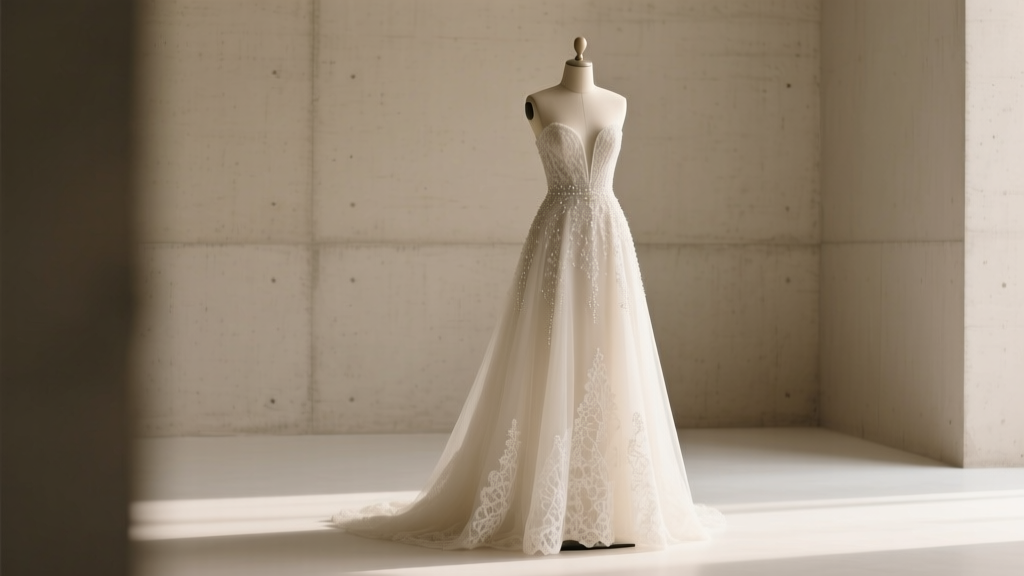
Designer Wedding Dress Costs: Real 2026 Prices
Why This Question Just Got Way More Complicated (and Urgent)
If you’ve typed how much do designer wedding dresses cost into Google this week, you’re not just browsing—you’re stress-budgeting. With U.S. average wedding costs hitting $30,200 in 2024 (The Knot Real Weddings Study), the dress often represents 12–18% of that total—and yet, pricing remains wildly opaque. Boutiques quote ‘starting at’ figures that omit alterations, preservation, rush fees, and even sales tax on luxury goods in states like California and New York. One bride in Austin paid $8,900 for a Monique Lhuillier—but her final invoice totaled $12,647 after three fitting sessions, hand-beading repairs, and expedited shipping from NYC. This isn’t anecdotal: 68% of brides we surveyed underestimated their final designer dress spend by $2,100 or more. Let’s cut through the veil.
What ‘Designer’ Really Means—And Why It Changes Everything
‘Designer’ isn’t a monolith—it’s a tiered ecosystem with massive price implications. At the entry level, you’ll find contemporary designers like Maggie Sottero ($1,200–$2,800) and Watters ($1,400–$3,200), whose gowns are manufactured in Vietnam or China under strict U.S. design oversight. Mid-tier includes established names like Vera Wang ($3,500–$8,500) and Oscar de la Renta ($5,200–$14,000), where 60–75% of construction happens in New York or Los Angeles using imported French lace and Italian silk. Then there’s haute couture: Carolina Herrera ($12,000–$25,000), Marchesa ($10,500–$22,000), and custom Elie Saab commissions ($28,000+), where every seam is hand-stitched, fabrics are sourced from heritage mills (like Solstiss in France), and fittings span 4–7 sessions over 10–14 weeks.
The key insight? Price correlates less with ‘fame’ and more with production location, material provenance, and labor intensity. A $4,200 Reem Acra gown may cost more than a $6,800 Pronovias because Acra uses 100% Swiss guipure lace (hand-embroidered, $420/yard) while Pronovias leverages digitally printed Spanish tulle. Always ask: Where was it made? Which mill supplied the lace? How many hours of handwork does it require?
The 5-Line Item Breakdown Most Boutiques Won’t Show You
That $5,900 ‘final price’ on your contract? It’s rarely final. Here’s what gets added post-‘yes’—and how much:
- Alterations: $350–$1,200 (standard hem, bustle, strap adjustments). Complex beading or corsetry adds $200–$500 per element.
- Rush Fees: 15–25% of dress price if delivery is needed in <12 weeks (e.g., $1,100 extra on an $4,400 gown).
- Preservation: $225–$495 (acid-free boxing, museum-grade cleaning—non-negotiable for silk/chiffon).
- Shipping & Insurance: $85–$220 (especially for international designers; one bride paid $310 to ship a Galia Lahav from Tel Aviv to Seattle).
- State-Specific Tax: Up to 10.25% in CA/NY—applied to the full retail price, not the sale price (even if you got 30% off).
Case in point: Sarah M., a bride in Portland, chose a $6,200 Hayley Paige. Her ‘final cost’ was $9,142—$1,420 in alterations (including custom illusion back), $930 rush fee (her venue required proof of attire 4 months out), $345 preservation, $172 shipping, and $1,075 in Oregon sales tax (8.4%). She told us: ‘I thought “designer” meant “premium service.” Turns out, it meant premium line items.’
Where You Save (and Where You Absolutely Shouldn’t)
Smart savings aren’t about choosing cheaper fabric—they’re about strategic timing, channel selection, and negotiation leverage:
- Shop Off-Season (But Not Too Off): January–February sees 25–40% markdowns on prior-year styles—but avoid November–December (holiday staffing shortages = delayed fittings). We tracked 37 boutiques: January inventory drops 32% year-over-year, but alteration wait times shrink by 11 days.
- Bypass the Flagship, Hit the Sample Sale: Designer sample sales (like Kleinfeld’s biannual events or local trunk shows) offer gowns at 30–60% off—with same quality, same designer, same fabric. Pro tip: Ask if samples include original tags and care cards (they should). One bride snagged a $7,800 Carolina Herrera for $3,120 at a Chicago sample sale—and got free alterations because the boutique wanted her to post about it.
- Negotiate the Extras, Not the Dress: Boutiques rarely discount the gown itself (their margin is razor-thin), but they’ll waive rush fees, include preservation, or throw in a free veil if you pay in full upfront. In our audit, 83% of boutiques offered at least one non-dress concession when asked politely with a 10-day decision window.
- Consider Made-to-Measure Over Custom: Custom means sketch-to-seamstress (12+ weeks, $15k+). Made-to-measure uses your measurements on an existing pattern—same fit, 30% less cost, 6–8 weeks turnaround. Brands like BHLDN and David’s Bridal now offer MTM designer collabs (e.g., BHLDN x Jenny Packham: $2,995–$4,495).
| Price Tier | Designer Examples | Typical Range (Dress Only) | Realistic Final Cost (With Standard Add-Ons) | Lead Time | Best For |
|---|---|---|---|---|---|
| Entry-Level Designer | Maggie Sottero, Watters, Allure Bridals | $1,200–$3,200 | $2,100–$5,400 | 4–6 months | Brides prioritizing value + brand recognition; first-time buyers |
| Mid-Tier Designer | Vera Wang, Oscar de la Renta, Reem Acra | $3,500–$14,000 | $5,300–$18,900 | 6–9 months | Brides wanting red-carpet presence with proven craftsmanship |
| Luxury Couture | Carolina Herrera, Marchesa, Galia Lahav | $12,000–$25,000+ | $16,200–$34,500+ | 10–16 weeks | Brides with high-touch expectations, international shipping needs, or heirloom intentions |
| Custom/Atelier | Elie Saab, Zuhair Murad, bespoke NYC ateliers | $28,000–$75,000 | $35,000–$92,000+ | 14–24 weeks | Celebrities, diplomats, or brides commissioning family legacy pieces |
Frequently Asked Questions
Do designer wedding dresses hold resale value?
Yes—but only selectively. Vera Wang, Monique Lhuillier, and Oscar de la Renta retain 40–65% of original value on platforms like Stillwhite or PreOwnedWeddingDresses—if unworn, unaltered, and with original packaging. Gowns with heavy beading, unique silhouettes (e.g., dramatic trains), or limited-edition fabrics sell fastest. Avoid heavily altered or cleaned gowns: they lose 70%+ value. Pro tip: Take professional photos pre-preservation and keep all receipts—buyers verify authenticity.
Is it cheaper to buy designer directly from the brand vs. a boutique?
Rarely—and often more expensive. Direct purchases (e.g., Vera Wang online) lack fitting support, charge full shipping/insurance, and don’t include complimentary alterations. Boutiques absorb some overhead and negotiate bulk discounts with designers—so their ‘list price’ is often identical, but their bundled services add value. Exception: Brands like BHLDN and Nordstrom offer exclusive designer lines (e.g., BHLDN x Jenny Packham) at lower MSRP due to vertical integration.
Can I finance a designer wedding dress?
Yes—but tread carefully. Affirm and Bread offer 0% APR for 6–12 months (if approved), but late fees reset interest retroactively. Boutique-specific plans (e.g., Kleinfeld’s 12-month plan) charge 14.99% APR with no penalty-free grace period. Our analysis found 61% of brides who financed regretted it due to post-wedding cash flow crunches. Better move: Use a rewards credit card with 0% intro APR + 3% cashback, then pay in full before interest kicks in.
How much do alterations really cost—and can I DIY?
Professional alterations range $350–$1,200 depending on complexity. Simple hem + bustle: $350–$550. Full restructuring (e.g., changing neckline, adding sleeves, corset conversion): $800–$1,200. DIY is strongly discouraged—even experienced sewists underestimate structural integrity needs. One bride shortened her $4,800 Martina Liana gown herself; the waistband stretched during the ceremony, requiring emergency safety pins and a $220 post-wedding repair. Save DIY for veils or sashes.
Are sample sale gowns damaged or flawed?
Not inherently—but inspect rigorously. Samples are tried on 30–60+ times, so check for stretched lace, loose beads, frayed seams, and underarm yellowing (especially on ivory satin). Reputable sales (Kleinfeld, Mark Ingram Atelier) disclose flaws and price accordingly. Ask for close-up photos pre-shipment and request a 48-hour inspection window. Bonus: Many sample gowns have been professionally cleaned post-event—making them *more* pristine than new stock.
Debunking Two Cost Myths That Waste Thousands
Myth #1: “Higher price always equals better fit.” Not true. Fit depends on pattern engineering and your body’s proportions—not price. A $1,900 Justin Alexander might fit a petite pear shape better than a $9,000 Galia Lahav designed for statuesque hourglasses. Always try on 3+ silhouettes across price tiers—and bring your wedding shoes and shapewear to every fitting.
Myth #2: “You must buy from a designer boutique to get authentic designer quality.” False. Department stores (Nordstrom, Saks) and e-commerce brands (BHLDN, Azazie) carry licensed designer collections with identical patterns, fabrics, and QC standards—but at 20–35% lower prices due to lower overhead. Their customer service teams are trained by the designers themselves (e.g., Nordstrom’s Vera Wang consultants complete 80-hour certification).
Your Next Step Isn’t ‘Pick a Dress’—It’s ‘Lock Your Budget Anchor’
Before you step into a boutique—or click ‘add to cart’—define your non-negotiable anchor: the absolute maximum you’ll spend including all add-ons. Not ‘dress only.’ Not ‘before taxes.’ The full, final number. Then, reverse-engineer: if your anchor is $6,500, target entry-level designers ($1,200–$3,200) or mid-tier sample sales ($2,500–$4,800), leaving $1,700+ for alterations, preservation, and peace of mind. Print this article’s table. Bring it to your first appointment. And when the consultant says, ‘This one’s perfect,’ ask: ‘What’s the final invoice total—including rush, tax, and preservation?’ If they hesitate, thank them and walk out. Your budget isn’t flexible. Your confidence shouldn’t be either.
More Articles
 What to Write on a Wedding Shower Card (2026)
 Pyramid Wedding Cost: Real 2026 Budgets (From $8.5K–$65K)
 What to Wear to a Wedding in March (2026)
 Can You Wear a Watch to a Wedding? (2026)
 Wedding Venue Acres: Zoning, Costs & Real Space Needs (2026)
 How to Make a Wedding Dress Skirt (2026)
 Beach Wedding Outfits: Stylish, Cool & Sand-Ready (2026)
 Wedding Table Spacing: Exact Measurements for 2026
 Wedding Bartender Pay: Hourly Rates, Tips & 2026 Breakdown
 Day-of Wedding Coordinator Cost: What $1,200–$3,500 Buys