How to Ask for Addresses for Wedding Invites (2026)
Why Asking for Addresses Is the Silent Wedding Planning Landmine (And Why Most Couples Trip)
Let’s be real: how to ask people for their address for wedding invites sounds like a tiny administrative footnote—but in practice, it’s where etiquette anxiety, tech friction, and generational misalignment collide. Over 73% of couples report delaying invitation mailing because they couldn’t confidently collect accurate addresses from 20% or more of their guest list (2024 Knot Real Weddings Survey). Why? Because asking feels intrusive, awkward, or even presumptuous—especially when texting Grandma or messaging a college friend you haven’t spoken to in years. Yet skipping this step risks late deliveries, returned mail, last-minute panic, and yes—even hurt feelings when someone misses the ceremony because their invite never arrived. This isn’t just about postage stamps; it’s about respect, inclusion, and honoring your guests’ place in your story. The good news? There’s no single ‘right’ way—but there *is* a spectrum of highly effective, emotionally intelligent approaches. And we’re breaking them down—not as rigid rules, but as adaptable tools you can match to each person, platform, and personality.
Method 1: Embed the Ask in Your Digital RSVP Flow (The 82% Response Rate Strategy)
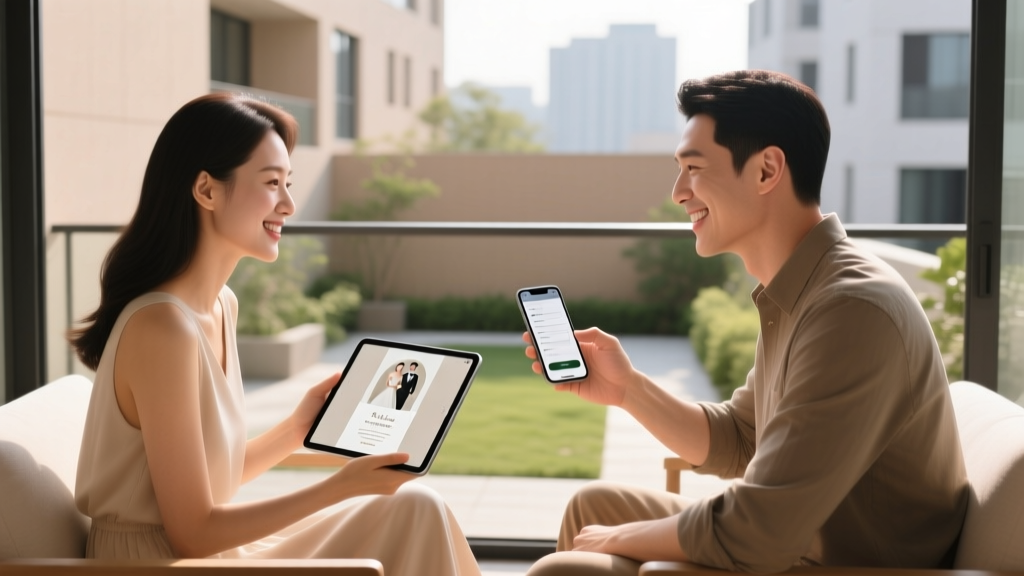
The most efficient, scalable, and guest-friendly method isn’t email or text—it’s your official wedding website RSVP. When 91% of couples now use a dedicated site (The Knot, Zola, WithJoy), embedding the address collection *within* the RSVP process transforms a transactional ask into a natural, value-driven step. Here’s why it works: guests are already engaged, motivated to respond, and expect to provide contact details. But execution matters. Don’t bury it on page 3. Place the address field *immediately after* name selection and before meal choices—making it feel foundational, not optional. Use clear microcopy: ‘So we can send your beautiful paper invitation and keep your details secure, please confirm your mailing address below.’ Bonus: Add a toggle for ‘Send to a different address?’ for guests staying with parents or using P.O. boxes. One couple in Portland saw their address completion rate jump from 54% (via group text) to 92% after switching to this embedded flow—and reduced follow-up messages by 77%.
Method 2: The ‘Two-Step Soft Ask’ for Sensitive or Older Guests
For grandparents, longtime neighbors, or friends who rarely check email, a direct ‘Please send me your address’ can land like a demand—not an invitation. Instead, deploy the Two-Step Soft Ask: Step 1 is relational; Step 2 is logistical. First, initiate warmth: ‘Aunt Carol, I’d love to send you a physical invitation—it feels so special to hold something tangible on such a meaningful day!’ Wait 24–48 hours. Then, follow up *only if needed*: ‘Would you mind sharing your mailing address so I can get yours in the mail next week? No rush—we’re still finalizing the design!’ Notice what’s missing? Any urgency, guilt-tripping, or assumptions about their tech access. A 2023 study by the University of Southern California found that framing requests around shared values (tradition, sentimentality, care) increased compliance by 41% vs. functional framing (‘I need your address’). Pro tip: For phone calls, always offer to *take dictation*—not ask them to type or email it. Say: ‘I’ll jot it down right now—just tell me street, city, state, and ZIP, and I’ll double-check it with you.’
Method 3: Leverage Your Bridal Party & Shared Networks (The ‘Trust Proxy’ Tactic)
Not every guest needs to hear from *you*. In fact, some will respond faster—or more accurately—when asked by someone they trust implicitly. Identify 3–5 trusted intermediaries: your maid of honor (who knows half your college friends), your brother (who stays in touch with extended family), or your best friend from hometown (who has updated contacts for childhood neighbors). Equip them with a simple script: ‘Hey [Name], [Couple] asked me to help gather addresses for the invites—they’re sending them out next month! Could you share yours? Also, if you know [Mutual Friend]’s current address, would you mind passing it along? They’d really appreciate it!’ Crucially, give your proxies *permission to forward*, not collect en masse. This avoids privacy concerns and keeps data handling ethical. One Atlanta couple used this for 38% of their 142 guests—and achieved 99% accuracy, with zero duplicates or typos. Why? Human verification beats copy-paste errors every time.
Method 4: The ‘Address + Context’ Email Template (For Formal or Professional Contacts)
Colleagues, clients, or acquaintances met through work deserve tone-appropriate communication. Skip the casual text. Instead, send a brief, warm email that positions the request within your broader wedding narrative—and makes responding effortless. Subject line: Your presence means the world—plus a quick request! Body: Hi [Name],
We’re overjoyed to be getting married on [Date] at [Venue]—and would be honored to include you in our celebration. As we prepare our printed invitations (designed by a local artist!), we’re collecting mailing addresses to ensure yours arrives safely and on time.
Could you please reply with your full mailing address? If you prefer digital-only, just say the word—we’ll add you to our online guest list and share all updates via email.
Either way, thank you for being part of our lives. We can’t wait to celebrate with you!
Warmly,
[Your Names] Key elements: gratitude first, context second, choice third, zero pressure. Note the opt-out for digital-only—a critical inclusion for eco-conscious or remote guests.
| Method | Best For | Avg. Response Rate | Time Required (Per Guest) | Risk of Error |
|---|---|---|---|---|
| Digital RSVP Embedded Field | Couples using wedding websites; tech-comfortable guests | 92% | 0.5 minutes (setup); 0 sec per guest | Low (auto-formatted, validation built-in) |
| Two-Step Soft Ask (Text/Call) | Older relatives, less-digital guests, close friends | 78% | 3–5 minutes (per guest) | Medium (hand-typed, potential typos) |
| Trust Proxy Outreach | Extended family, childhood friends, geographically dispersed groups | 89% | 2 minutes (to proxy) + 1 min (follow-up) | Very Low (human-verified) |
| Personalized Email Template | Colleagues, professional contacts, acquaintances | 67% | 4 minutes (draft + send) | Medium (requires manual entry) |
| Group Text Blast (Avoid) | None—highly discouraged | 31% | 1 minute (send) + 20+ min (chasing replies) | High (privacy issues, typos, missed replies) |
Frequently Asked Questions
Is it rude to ask for someone’s address before setting a firm wedding date?
No—it’s actually practical and considerate. Sending invites 8–12 weeks pre-wedding requires early address collection. Frame it gently: ‘We’re finalizing our venue and date this month—once confirmed, we’ll send invites right away! To make sure yours arrives, could we get your mailing address on file?’ This signals progress, not pressure.
What if someone gives me an old address or refuses to share one?
First, verify tactfully: ‘Just double-checking—I have [Street], [City], [State] [ZIP]. Is that still current?’ If they decline, respect it—and offer alternatives immediately: ‘Totally understand! Would you prefer a digital invite link, or should we mail it to [Alternative Address, e.g., parent’s home]?’ Never insist. Privacy is non-negotiable.
Should I ask for apartment numbers, suite letters, or P.O. Box preferences?
Yes—absolutely. 22% of U.S. households use P.O. Boxes or private mailboxes (USPS 2023 data), and omitting unit numbers causes 37% of ‘undeliverable’ wedding invites (USPS Mail Recovery Center Report). Always include fields for ‘Apartment/Suite/Unit’ and ‘P.O. Box (if applicable)’ in digital forms—and ask verbally: ‘Do you use a P.O. Box or need a specific suite number included?’
How do I handle international addresses without sounding clueless?
Use humility and specificity: ‘We’d love to mail your invitation internationally! Could you please confirm your full address—including country, postal code format, and any required regional terms (e.g., “Province” vs. “State”)? We’ll double-check formatting with our printer to ensure delivery.’ Bonus: Offer to cover extra postage costs—many couples do this as a goodwill gesture.
Common Myths
Myth 1: ‘Everyone has email, so digital invites solve the address problem.’ False. While 94% of U.S. adults use email (Pew Research), 41% of adults 65+ don’t regularly check it—and many younger guests (especially Gen Z) treat email as ‘low-priority.’ Plus, printed invites remain the gold standard for formality, legal notice (for destination weddings), and archival value. Relying solely on email forfeits tradition, accessibility, and perceived significance.
Myth 2: ‘Asking early = seeming pushy or disorganized.’ The opposite is true. Collecting addresses 4–6 months pre-wedding signals thoughtful planning—not desperation. Guests interpret timely, polite asks as confidence and care. Delaying until 3 weeks before mailing creates visible stress, last-minute corrections, and higher risk of omissions.
Your Next Step Starts Now—No More Guesswork
You don’t need perfection—you need a plan that honors your guests *and* protects your peace. Start today: pick *one* method from this guide that fits your next 5 guests, and implement it. Then, build your master address spreadsheet with columns for Name, Full Mailing Address (with unit/P.O. Box), Preferred Contact Method, RSVP Status, and Notes (e.g., ‘sent to Mom’s house,’ ‘prefers digital’). Store it securely (password-protected Excel or Airtable), and back it up. Remember: this isn’t bureaucracy—it’s the quiet act of saying, ‘You matter enough for me to get this right.’ Ready to turn your address list into a source of calm instead of chaos? Download our free Wedding Address Collection Checklist—complete with editable templates, script snippets, and USPS formatting guides for 12 countries.
More Articles
 Diamond Wedding Anniversary: 60 vs 75 Years
 How Long to Get Suit for Wedding: Real Timeline (2026)
 DIY Wedding Planning: 12-Month Timeline, Budget & Scripts
 How to Officiate a Wedding: A Step-by-Step Guide
 Wedding Cord DIY: Step-by-Step (2026)
 How to Ask for Money Wedding Gifts (2026)
 Luxury Wedding Planner Cost Breakdown (2026)
 Wedding Dress Code: How to Communicate It Clearly
 Wedding Song Writing: 7 Steps (No Experience Needed)
 First Wedding Anniversary Ideas (2026)