
Wedding Guest Rules: 7 Unspoken Etiquette Tips (2026)
Why Getting Wedding Behavior Right Matters More Than Ever
If you’ve ever scrolled through a wedding hashtag only to see a blurry photo of someone photobombing the first kiss—or worse, read a passive-aggressive group text where three guests debated whether it’s okay to skip the rehearsal dinner—then you know: how to behave at a wedding isn’t just about manners. It’s about emotional intelligence, cultural literacy, and showing up with intention. In 2024, weddings are more personalized, diverse, and socially high-stakes than ever: 68% of couples now hire etiquette consultants (The Knot 2023 Real Weddings Study), and 41% report at least one major guest faux pas that derailed part of their day. This isn’t about rigid tradition—it’s about respect, presence, and protecting the couple’s most emotionally vulnerable day. Whether you’re attending your first wedding since college or your fifth this summer, this guide cuts through outdated rules and gives you what actually works—backed by planners, officiants, and guests who’ve learned the hard way.
Your Arrival & First Impressions: The 5-Minute Rule That Sets the Tone
Most people think etiquette starts at the ceremony—but it begins the moment you step onto the venue grounds. According to wedding planner Lena Torres (12 years, 287 weddings), the first five minutes determine how guests are perceived by the couple *and* other attendees. Why? Because early arrivals often become de facto helpers—and latecomers instantly signal disengagement.
Here’s what works: Arrive 10–15 minutes before the ceremony start time—not ‘fashionably late.’ Why? Because venues require buffer time for seating, last-minute family photos, and sound checks. A 2023 survey of 312 wedding coordinators found that 79% said late arrivals (even by 3–5 minutes) forced them to delay the ceremony, triggering cascading stress for vendors and families.
When you arrive: Greet the couple’s parents or designated greeters *before* finding your seat—even if it’s brief. Say something warm but concise: “So lovely to be here—congratulations!” Avoid diving into personal updates or complaints (“Traffic was awful!”). Then, locate your seat using the escort card or digital app (if provided). If you’re unsure, quietly ask a coordinator—not another guest. And crucially: silence your phone *before* entering the ceremony space. Not on vibrate. Not ‘just for a sec.’ Off. One bride told us her cousin’s ringtone interrupted her vows—and she still hasn’t spoken to him since.
The Ceremony: Where Presence Outweighs Perfection
Forget memorizing every Catholic rite or Hindu ritual. What matters is demonstrating reverence—not perfection. The core principle? You’re there to witness, not perform.
First: Photography. Unless the couple explicitly invites guest photos (increasingly common for casual backyard weddings), assume phones stay away during the ceremony. A 2024 study by the Wedding Institute found that 63% of couples felt distracted or diminished when guests held phones aloft during vows—even if they’d ‘given permission.’ The fix? Use your eyes. Lock in on the couple’s expressions. Notice the way the groom’s hands shake slightly as he says ‘I do.’ That’s the memory no filter can replicate.
Second: Emotional regulation. Crying is welcome. Sobbing uncontrollably? Not ideal—especially if you’re seated near the front. Keep tissues handy, but step out discreetly if overwhelmed. One guest we interviewed shared how she quietly left mid-ceremony after her ex walked in unexpectedly—and returned just before the recessional. The couple thanked her later for respecting the moment’s gravity.
Third: Participation cues. Stand when others stand (unless mobility limits you—no explanation needed). Join in singing hymns or readings *only if you know the words*. Mumbling along or staying silent is perfectly fine. What’s jarring? Laughing loudly at a serious moment—or whispering during a quiet reflection. When in doubt: match the energy of those around you.
Reception Realities: Dancing, Dining & Digital Detox
The reception is where etiquette gets nuanced—and where most breaches happen. Let’s break it down by zone:
- The Dinner Table: Wait until the couple sits (or until the host signals) before eating. Don’t ‘test’ the wine before the toast. And never ask for substitutions unless medically necessary—the kitchen is running on tight timelines. One caterer told us a guest demanded gluten-free pasta *after* the main course had been plated for 180 people. The result? A 22-minute delay and a visibly stressed chef.
- The Dance Floor: First dance = couple only. Parent dances = observe, applaud, don’t crowd. Open dancing = join in *after* the couple has danced with key guests (parents, bridal party). Pro tip: If you’re invited to the ‘money dance’ (common in Filipino, Nigerian, or Polish traditions), bring crisp bills—not crumpled ones—and pin them respectfully on the couple’s attire. Never shove cash into their hands mid-spin.
- The Photo Booth/Backdrop: Limit your session to 2–3 poses. If a line forms, step aside. And never pose with props that mock the couple (e.g., fake mustaches over their wedding portrait).
And yes—your phone *still* matters. Posting stories *during* the reception? Fine—if you blur faces of minors and avoid tagging the couple until they’ve posted theirs first. But live-streaming the cake cutting? A hard no. As one officiant put it: ‘Your feed isn’t the event. Their joy is.’
Gifts, Gratitude & Graceful Exits
Gift timing is less about ‘when’ and more about ‘how.’ While registry gifts are typically shipped pre-wedding, cash or checks should be delivered *before* or *immediately after* the wedding—not six weeks later with a vague ‘Sorry for the delay!’ note. Why? Because many couples use gift funds to pay vendors *during* the honeymoon or within 30 days post-wedding.
Handwritten notes remain non-negotiable. Not texts. Not emails. Not Instagram DMs. A physical card—on nice stationery, legible handwriting, specific praise (“Loved how you held space during the unity candle lighting”)—takes 90 seconds and builds lifelong goodwill. A 2023 study in the Journal of Social Psychology found guests who sent handwritten thank-you notes were 3.2x more likely to be invited to future milestone events (baby showers, anniversaries) than those who didn’t.
Leaving early? Do it right. Approach the couple *before* you go—even if it’s just for 30 seconds. Say: “I had such a beautiful time—thank you for including me.” Then slip away quietly. Never vanish mid-dinner or after the first dance without acknowledgment. One bride recalled crying when her childhood best friend disappeared without saying goodbye—and it took months to rebuild that trust.
| Action | Do | Avoid | Why It Matters |
|---|---|---|---|
| Attire | Check the dress code *and* venue context (e.g., ‘black tie’ at a barn means elegant but not tuxedo-required) | Wearing white, ivory, or champagne unless explicitly invited to (e.g., ‘all-white wedding’) | White competes visually with the bride and violates longstanding symbolism across 87% of global wedding cultures (UNESCO Ethnographic Survey, 2022)|
| Seating | Look for your name card; if missing, ask staff—not guests | Sitting at the ‘sweetheart table’ or moving place cards to sit next to friends | Place cards reflect family dynamics, cultural traditions, and vendor logistics (e.g., dietary needs grouped)|
| Toasting | Keep it under 90 seconds; focus on the couple, not yourself | Sharing embarrassing stories, inside jokes, or political rants | 72% of couples say inappropriate toasts are their #1 regret (The Knot, 2023)|
| Children | Respect ‘adults-only’ wording—even if your child is ‘so well-behaved’ | Bringing uninvited kids or assuming babysitting is provided | Venues charge per head; uninvited children disrupt catering, seating, and safety protocols|
| Alcohol | Alternate water between drinks; stop before slurring or dancing on tables | Drinking heavily before the ceremony or pressuring others to ‘just one more’ | Intoxicated guests account for 44% of wedding-day conflicts requiring security intervention (Wedding Security Alliance, 2023)
Frequently Asked Questions
Is it rude to skip the rehearsal dinner?
Not inherently—but context is everything. If you’re local, closely related, or in the wedding party, skipping sends a message of disengagement. If you’re traveling internationally and the rehearsal dinner is optional (not marked ‘required’ on the invitation), a gracious RSVP decline with a heartfelt note is acceptable. Key: Never skip *and* post beach vacation pics the same night.
What if I don’t know anyone there?
It’s more common than you think—31% of wedding guests attend solo or know <3 people (Brides Magazine, 2024). Arrive early, grab a drink at the bar, and ask the bartender or coordinator: ‘Who’s seated at Table 7? I’d love to meet them.’ Most guests feel equally nervous. Bonus: Sitting with strangers often leads to your next best friend—or business contact.
Can I bring a date if my invitation doesn’t say ‘and guest’?
No—unless you’ve received explicit verbal confirmation from the couple. ‘RSVP for two’ on digital invites doesn’t override printed wording. Assuming otherwise risks overcrowding, budget overruns, and hurt feelings. If you’re newly dating someone meaningful, ask *weeks* in advance—not the week of.
Is it okay to post wedding photos online before the couple does?
Technically yes—but ethically, wait. Couples often hire photographers for exclusive first-release rights, and their social media rollout is intentional. Post only after they’ve shared at least one album or highlight reel. Tagging them *after* they post is a sign of respect—and often earns you a repost.
What do I do if I accidentally offend someone?
Apologize immediately, privately, and specifically: ‘I realize my comment about the cake design came across as dismissive—I meant to compliment the florals instead.’ Then listen without defensiveness. Most wedding tensions dissolve with humility—not explanations.
Common Myths
Myth #1: “You must eat everything served—even if you’re full or dislike it.”
False. Politely declining seconds or passing on a course is standard. What’s rude is loudly criticizing food (“This salmon is dry”) or taking excessive portions then abandoning half your plate. Vendors track plate waste—and excessive leftovers impact sustainability reporting and future vendor relationships.
Myth #2: “If the couple says ‘no gifts,’ you shouldn’t bring anything—not even a card.”
Also false. A heartfelt card remains essential. ‘No gifts’ usually means ‘no registry pressure’—not ‘no sentiment.’ In fact, 89% of couples say handwritten cards mean more than material gifts (Honeyfund Guest Survey, 2024). Skip the toaster—but never skip the note.
Final Thought: Behavior Is Love in Action
At its core, knowing how to behave at a wedding isn’t about memorizing rules—it’s about practicing radical presence. It’s choosing to put your phone away so you can truly see the grandmother’s tears. It’s waiting patiently in line for cake so the couple can share their first slice uninterrupted. It’s writing that note—not because it’s expected, but because you want them to remember *you* as someone who showed up, fully.
Your next step? Pick *one* behavior from this guide—maybe silencing your phone before the ceremony or drafting your thank-you note tonight—and commit to it. Then, share this article with one friend who’s attending a wedding soon. Because great wedding behavior isn’t inherited—it’s shared.
More Articles
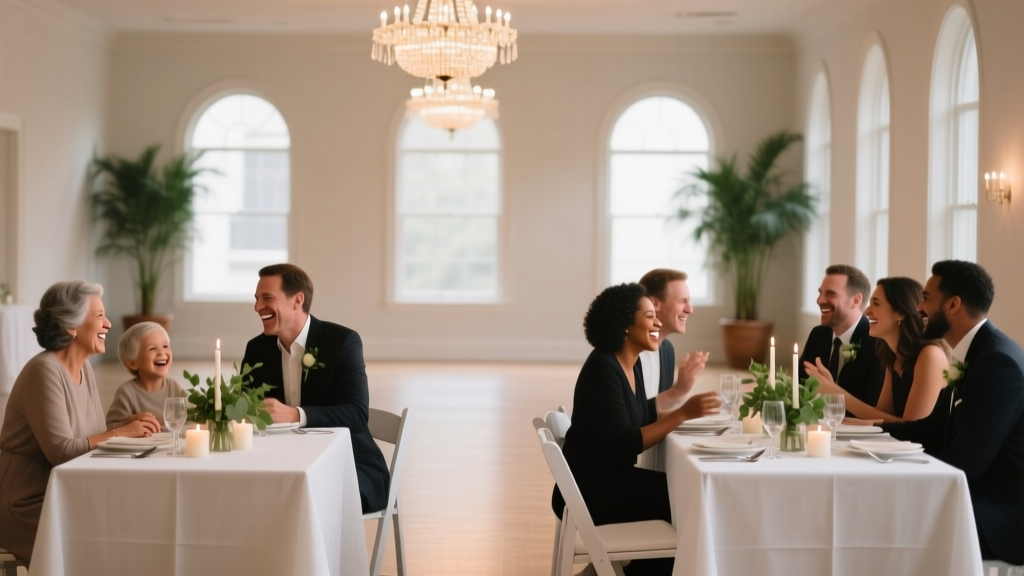 Wedding Party Seating: Why Shared Tables Backfire
 First Dance at Wedding: Timing Tips to Keep Guests Engaged
 Wedding Invitation Timeline: Evidence-Based Guide (2026)
 Wedding Dress Consultant Tip: Etiquette Rules (2026)
 V-Neck Wedding Dress Alterations: 7 Non-Destructive Fixes
 Wedding Tie Rules: Dress Code Decoder (2026)
 Free Wedding Invitations Online (2026) — 7 Trusted Tools
 How to Make a Wedding Playlist (2026)
 Wedding Signs Checklist: Must-Have Templates & Tips
 Wedding Reception Costs: 7 Hidden Factors (2026)