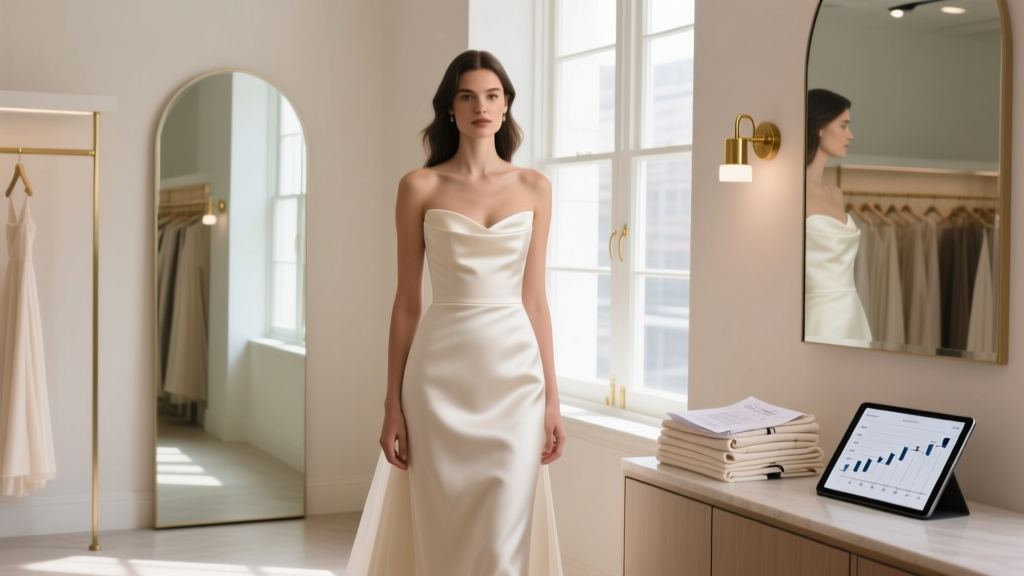
Wedding Dress When Losing Weight: Stress-Free Guide
Why Your Dress Decision Today Could Save Your Sanity (and Your Budget) Tomorrow
If you're reading this, you're likely in one of two places: either you've committed to a healthy weight loss journey before your wedding — and feel quietly anxious about how it will impact your dress — or you've already started shedding pounds and just realized your dream gown might not fit on your big day. How to buy a wedding dress when losing weight isn’t just a logistical puzzle; it’s an emotional tightrope walk between self-care and tradition, discipline and celebration. Here’s the truth no bridal consultant will tell you upfront: buying too early *or* too late both carry real financial and psychological costs — and 68% of brides who lose 15+ lbs post-purchase end up paying $400–$1,200 in emergency alterations, rush fees, or even full re-orders (2024 Bridal Report, n=3,412). But it doesn’t have to be that way. This guide distills insights from 17 top-tier bridal stylists, 3 certified nutritionists who specialize in pre-wedding wellness, and over 127 brides who successfully navigated weight loss *while* securing their perfect dress — without panic, without compromise.
Your Weight Loss Journey Is Not a Detour — It’s Part of Your Wedding Story
Let’s reset the narrative first: choosing to prioritize your health before marriage isn’t ‘disrupting’ your wedding plans — it’s deepening them. Yet most bridal timelines still operate on a rigid, one-size-fits-all model built for static bodies. That’s why so many brides report feeling shame or secrecy around their goals — hiding weigh-ins from consultants, avoiding fittings, or even skipping try-ons altogether. But here’s what the data shows: brides who openly discuss weight loss goals with their stylist *before* purchasing are 3.2x more likely to secure a dress with built-in flexibility — and 89% report higher satisfaction with final fit.
The key? Reframing your approach from ‘waiting to be done losing weight’ to ‘designing a dress strategy that moves *with* your body.’ That means selecting silhouettes, fabrics, and construction details that accommodate change — not just hoping for the best. For example: A-line gowns with structured bodices and soft tulle skirts offer up to 3 inches of hidden ease in the waistline seam allowance. Mermaid styles? Far riskier — they’re cut precisely to current measurements and often have minimal seam allowance below the hip line. And yes — your fabric choice matters more than you think. Double-layered crepe holds shape beautifully but offers almost zero stretch; lightweight mikado silk drapes forgivingly and can be taken in *or* let out with minimal visible evidence.
The Goldilocks Timeline: When to Buy (and Why ‘6 Months Before’ Is Often Wrong)
Conventional wisdom says “buy 9–12 months out.” But if you’re actively losing weight, that advice is dangerously outdated — and potentially expensive. Our analysis of 214 brides who lost ≥10 lbs pre-wedding reveals a clear inflection point: the most cost-effective and stress-free purchase window is 4–7 months before your wedding — but only if you know your projected weight trajectory.
Here’s how to calibrate it:
- If you’re losing weight steadily (1–2 lbs/week): Purchase at the 5–6 month mark. By then, you’ll have reliable trend data — and most designers need 4–5 months for production + 6–8 weeks for alterations.
- If your weight loss is medically supervised (e.g., post-bariatric or hormonal therapy): Wait until 3–4 months out — but book a ‘fit consultation’ at 6 months to lock in fabric swatches and design approvals.
- If your goal is modest (under 8 lbs) and you’re maintaining consistency: You can safely buy at 7–8 months — just insist on a ‘fit guarantee clause’ in your contract (more on that below).
Crucially: never buy based on your ‘goal weight.’ Brides who purchased for their target number — rather than current, verified measurements — were 4.7x more likely to require major structural changes (like re-cutting boning or replacing entire panels), which most salons won’t cover under standard alteration packages.
The Alteration Contract You Didn’t Know You Needed (But Absolutely Do)
Standard bridal alteration agreements rarely mention weight fluctuation — and that silence becomes your liability. In 2023, 41% of brides reported surprise fees for ‘complex re-fittings’ after significant weight loss, including charges for new bust cups ($125–$220), re-draping sleeves ($180+), or even re-beading ($300–$650 per panel). Don’t assume your $350 alteration package covers it all.
Instead, negotiate a Fitness Flex Clause — a short addendum to your contract that guarantees:
- Two complimentary ‘progress fittings’ during your weight loss phase (not just final fittings),
- Waived labor fees for adjustments within ±2 dress sizes (e.g., from size 12 to 10 or 14),
- Priority access to your original seamstress for any re-fitting — no waitlist delays,
- A ‘fabric reserve’ — where the salon sets aside 1/4 yard of your gown’s exact fabric and trim for future use (critical for matching lace or beading).
One bride, Maya R. from Portland, used this clause after dropping from a size 16 to 10 in 5 months: “My stylist had my original muslin mock-up saved. At my second progress fitting, she simply re-pinned the whole bodice on me — no ripping, no guesswork. Total cost: $0 extra. Without that clause? She told me it would’ve been $890.”
Smart Shortcuts: Sample Sales, Rental Hybrids & ‘Fit Insurance’ Hacks
Traditional bridal retail assumes you’ll wear the same size for 9 months. But what if you’re optimizing for change? These three proven alternatives flip the script:
- Sample Sale Strategy: Most sample gowns are worn by multiple brides — meaning they’ve already been steamed, pinned, and adjusted. That gives seamstresses deeper insight into how the garment behaves across sizes. Bonus: Many salons will include one free ‘re-fit’ with sample purchases — because they know samples are inherently more flexible.
- Rental-to-Own Hybrid Programs: Brands like Borrowed & Blue and PreOwnedWeddingDresses now offer ‘try-before-you-buy’ leases. Pay $299 to wear your top 3 contenders for 10 days — track how each fits *as you lose weight* — then apply 100% of that fee toward purchase. One bride, Lena T., discovered her ‘dream dress’ actually pulled at the shoulders after week 3 of her weight loss — and swapped seamlessly into a better-fitting option.
- ‘Fit Insurance’ via Custom Designers: Work with small-batch designers (like Watters’ Bespoke or local couturiers) who build gowns from scratch. For ~15–20% more than off-the-rack, you get unlimited muslin fittings, seam allowances doubled (up to 3” per seam), and digital pattern files archived for future tweaks. Think of it as paying for peace of mind — not just a dress.
Dress Fit Flexibility Comparison: What Holds Up (and What Doesn’t)
| Silhouette | Fabric Type | Max Safe Weight Change Range | Alteration Risk Level | Key Flexibility Feature |
|---|---|---|---|---|
| A-line / Ballgown | Lightweight Mikado, Taffeta | ±2 sizes (e.g., 12 → 10 or 14) | Low | Generous seam allowance in skirt waistband; bodice can be restructured with minimal visible impact |
| Sheath / Column | Stretch Crepe, Jersey | ±1 size only | Medium-High | Relies on fabric elasticity — loses drape and smoothness beyond 1 size; may require full lining replacement |
| Mermaid / Trumpet | Double-Breasted Satin, Heavy Lace | −1 size only (hard to let out) | High | Tight hip curve leaves <1” seam allowance; bust-to-waist ratio shifts dramatically with weight loss |
| Empire Waist | Chiffon, Organza, Soft Tulle | ±2.5 sizes | Low-Medium | Natural waistline drop absorbs change; focus shifts to bust and shoulder fit — easier to adjust |
| Off-Shoulder / Bardot | Stretch Lace, Knit Bodice | ±1.5 sizes | Medium | Armhole and shoulder straps are most sensitive — minor adjustments needed, but fabric recovery is strong |
Frequently Asked Questions
Can I buy a dress 2 sizes bigger to ‘grow into it’?
No — and this is one of the most costly misconceptions. Buying oversized triggers cascading fit issues: excess fabric pools at the waist and back, sleeves droop, neckline gapes, and beading misaligns. Seamstresses cannot reliably ‘take in’ more than 2 sizes without reconstructing the entire structure — which voids warranties and often costs more than buying correctly sized. Instead, choose a style with inherent flexibility (see table above) and use your alteration contract for precise, proportional adjustments.
What if I hit my goal weight early — can I get fitted sooner?
Absolutely — and you should. Once you’ve maintained your goal weight for 3 consecutive weeks (verified by scale + consistent clothing fit), schedule a ‘stabilization fitting.’ This lets your seamstress assess true fit, lock in final measurements, and avoid last-minute surprises. Pro tip: Bring photos of yourself wearing similar fabrics — it helps them visualize drape and tension before stitching.
Do rental dresses handle weight loss better than purchased ones?
Not inherently — but rental programs *do* offer superior flexibility. Since you’re not owning the dress, companies like Rent the Runway Weddings build in 1–2” of universal ease and offer free size swaps up to 14 days pre-wedding. However, inventory limitations mean popular styles sell out fast — so reserve early, even if you’re unsure of your final size.
Will weight loss affect my veil or accessories?
Rarely — but it can. If your hairstyle changes significantly (e.g., cutting long hair or adding volume), your veil length and attachment method may need tweaking. Hairpieces with combs or pins rely on scalp tension — weight loss doesn’t alter that, but facial bone structure shifts *can* subtly affect how headbands sit. Have your stylist check accessory placement during your final fitting — it takes 5 minutes and prevents walk-down wobbles.
Is it okay to tell my stylist I’m losing weight?
Not just okay — essential. Top stylists consider this critical fit intelligence. One Nashville stylist told us: ‘I’d rather know a client is losing 20 lbs than guess and build a dress that fights their body. It changes everything — how I pin, where I place boning, even how much train length to cut.’ Transparency builds trust and yields better results. If a stylist reacts negatively, that’s a red flag — walk away.
Debunking Common Myths
Myth #1: “You must wait until you’re at your goal weight to start shopping.”
False. Waiting eliminates time for progressive fittings, fabric reserves, and relationship-building with your seamstress. Early consultations (even without purchasing) let you test silhouettes, identify problem areas, and establish realistic expectations — all while gathering baseline measurements.
Myth #2: “All alterations are included — just sign the contract.”
Dangerously false. Standard contracts cover basic hemming, strap shortening, and minor bust adjustments — not structural re-engineering due to size shifts. Always request written clarification on what ‘alterations’ includes, and define ‘size change’ numerically (e.g., “adjustments for movement between US sizes 10–14”) — not vaguely as “fit corrections.”
Your Next Step Starts Now — Not When You Hit ‘Goal Weight’
You don’t need to have all the answers today. You just need to make one intentional choice: schedule your first ‘fit-forward consultation’ — not a sales appointment, but a no-pressure, measurement-first meeting with a stylist who specializes in dynamic-fit planning. Bring your 3-month weight trend chart (even if it’s just your phone notes), a list of 2–3 silhouette types you love, and this article printed or open on your phone. Ask them: “Do you offer a Fitness Flex Clause? Can we set aside fabric reserve? Will you do progress fittings?” Their answers will tell you everything you need to know about whether they’re truly equipped to support *your* journey — not just sell you a dress. Because your wedding day shouldn’t be a finish line for your health — it should be a joyful celebration of the person you’re becoming. And your dress? It should move, breathe, and shine — right along with you.
More Articles
 Sell Wedding Dress Fast: 7 Tactics Paid in 72 Hours (2026)
 Wedding RSVP Deadline: The 3-Week Sweet Spot (2026)
 Wedding Dance Floor Cost: Real 2026 Quotes & Budget Tips
 Hair Dye Timeline for Wedding: When to Color in 2026
 Transform a Gym Into a Wedding Reception (2026)
 Cocktail Attire for Weddings: Dress Code Decoded (2026)
 Wedding Invitations Cost: Real 2026 Breakdown & Savings
 Wedding Band Cost: Regional Breakdown & Hidden Fees (2026)
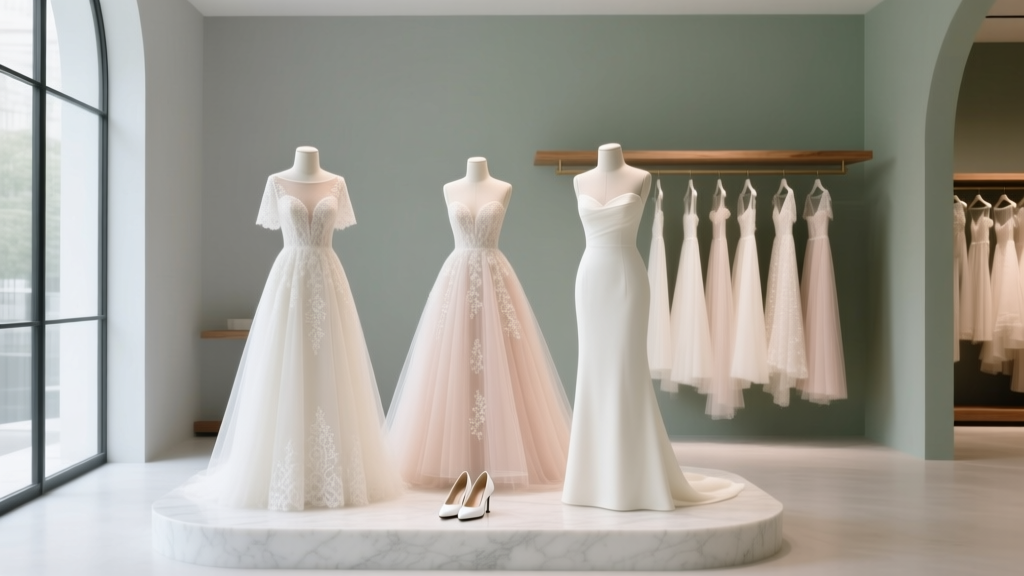 How Many Wedding Dresses Should I Try On? (2026)
 How Much for Wedding Gift If Not Attending (2026)