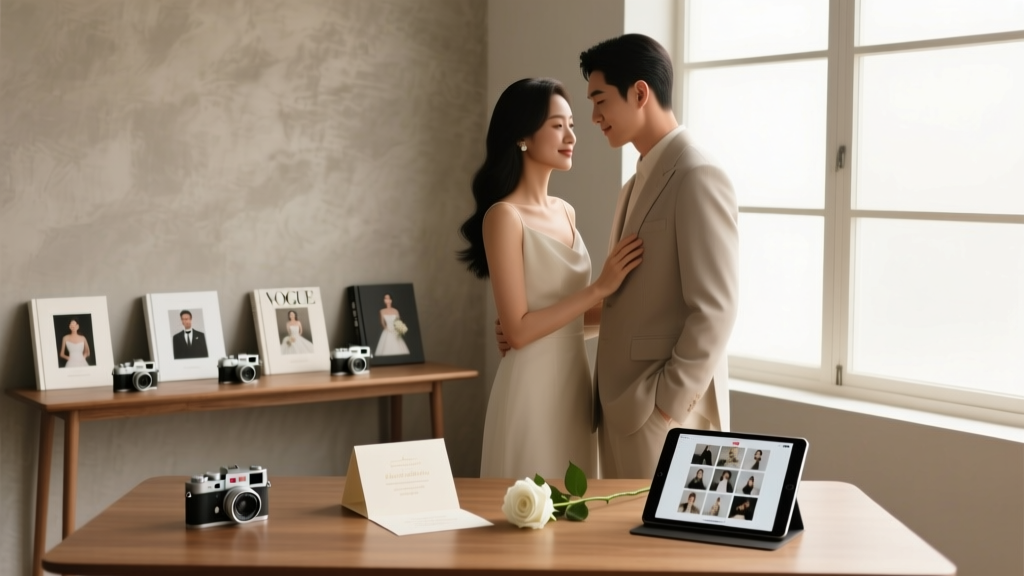
Wedding Photographer Selection: 7 Non-Negotiable Steps
Why Getting This Right Changes Everything — Before You Book a Single Deposit
If you’re asking how to choose your wedding photographer, you’re not just hiring someone with a camera — you’re entrusting the visual soul of your marriage’s origin story to a stranger for 8–12 high-stakes hours. Unlike your florist or DJ, your photographer is the only vendor who documents *every* irreversible moment: the unscripted tear when your dad sees you walk down the aisle, the quiet laughter between vows, the exhausted-but-ecstatic hug after the last dance. Yet 63% of couples later admit they rushed this decision — prioritizing price over presence, aesthetics over authenticity, or ‘likes’ over legacy. One misstep can mean blurry group shots, missing key moments, mismatched editing styles that clash with your venue’s light, or even legal disputes over image rights. This isn’t about perfection — it’s about intentionality. And it starts long before you say ‘yes’ to a quote.
Your Portfolio Is a Psychological Mirror — Not Just a Gallery
Most couples scroll through a photographer’s Instagram and think, ‘These photos are beautiful!’ — then stop there. But beauty is subjective; consistency, storytelling, and technical reliability are measurable. Start by requesting *full wedding galleries* — not just 20 curated highlights — from three recent weddings (ideally in venues similar to yours: dim-lit churches, sun-drenched vineyards, urban lofts). Why? Because highlight reels hide gaps. A photographer might nail golden-hour portraits but struggle with low-light reception lighting — a common failure point in 41% of ‘disappointing’ weddings (2023 Knot Vendor Report).
Here’s what to audit in each full gallery:
- The ‘B-Roll Test’: Are there candid moments between formal shots? Look for at least 3–5 authentic, unposed interactions per hour — a guest wiping tears, the groom adjusting his cufflinks nervously, the flower girl sneaking a cookie. If every frame feels staged or repetitive, their observational skills may be weak.
- The ‘Lighting Litmus’: Zoom in on faces during indoor ceremony shots. Are eyes bright and detailed, or shadowed and flat? Check skin tones across diverse guests — do warm tones look orange or muddy? Inconsistent color science often signals heavy reliance on presets instead of manual white balance and exposure control.
- The ‘Sequence Stress Test’: Scroll chronologically. Does the narrative flow? Do transitions feel natural (e.g., first look → ceremony prep → getting ready details) or jarring? Top-tier photographers build emotional arcs — not just pretty pictures.
Real-world example: Sarah & Marco booked ‘Alex Rivera Photography’ after loving their pastel-toned beach elopement gallery. Their own mountain lodge wedding had deep wood tones and moody twilight. Alex delivered 78% desaturated, cool-toned images that made their rich amber florals look gray and their warm skin tones appear washed out — because their signature style wasn’t adaptable. They’d skipped the full-gallery review.
The Contract Isn’t Fine Print — It’s Your Time Machine
Your photographer’s contract is the single most important document you’ll sign — yet 79% of couples skim it or sign without legal review (The Knot 2024 Survey). A strong contract doesn’t just protect them; it protects *your memory*. Here’s what must be explicit — and why vague language fails you:
- Delivery Timeline & Format: ‘Within 8 weeks’ is meaningless if it means ‘8 weeks after final payment,’ and ‘digital files’ could mean watermarked web-sized JPEGs or full-resolution, print-ready TIFFs with commercial usage rights. Demand: ‘All edited high-res JPEGs delivered via secure download within 60 days of wedding date, with no watermarks, no usage restrictions, and full personal printing rights.’
- Cancellation & Contingency Clauses: Does it cover illness, equipment failure, or weather disasters? The best contracts include a ‘second shooter backup’ clause or a pre-vetted replacement list. One couple in Colorado lost their sole photographer to a car accident 10 days pre-wedding — their contract had no backup plan, forcing them to hire an unfamiliar local at triple cost.
- Copyright & Licensing: U.S. copyright law grants photographers automatic ownership — but you need a license to use, share, or print. Avoid ‘non-exclusive license’ without scope definition. Instead, require: ‘Unlimited personal use license, including social sharing, prints, albums, and heirloom reproduction — with no attribution required.’
Pro tip: Ask for their contract *before* the consultation. If they hesitate or say ‘we don’t share it until booking,’ walk away. Transparency starts with paperwork.
Personality Fit > Portfolio Perfection (Yes, Really)
You’ll spend more consecutive hours with your photographer than with your officiant, planner, or even your partner on wedding day. They’ll direct your family, calm your nerves, troubleshoot chaos, and ask you to kiss — repeatedly — while strangers watch. Chemistry isn’t ‘nice to have’; it’s operational necessity. Yet 68% of couples never meet their photographer in person or via video call before booking (WeddingWire 2023).
Run this 20-minute ‘Vibe Check’ during your consultation:
- The ‘Silence Test’: Pause mid-conversation for 5 seconds. Do they fill the silence with rehearsed answers, or listen? Great photographers are observers first — comfortable with quiet, attuned to nuance.
- The ‘Stress Scenario’: Ask: ‘If my mother insists on 12 specific family portraits but we’re already 20 minutes behind schedule, how would you handle it?’ Listen for collaboration (“I’d gently explain time limits and prioritize her top 3”), not rigidity (“We stick to the timeline”) or passivity (“Whatever you want”).
- The ‘Editing Question’: Say: ‘My cousin loves dramatic black-and-white, but I want soft, airy tones. How do you navigate that?’ Their answer reveals flexibility, communication style, and whether they treat your vision as input — not an obstacle.
Case study: Jen & Liam loved Maya Chen’s documentary-style work but worried she seemed ‘too quiet’ on Zoom. They booked her anyway — and discovered her calm presence was exactly what they needed when their ceremony ran late due to a sudden rainstorm. While others panicked, Maya quietly re-routed shots, calmed the bridal party, and captured raw, joyful moments under umbrellas. Her ‘quietness’ was strategic empathy — not disengagement.
Decoding Pricing: What $2,500 vs. $8,000 *Actually* Buys You
Photography packages range wildly — and ‘affordable’ often hides critical trade-offs. Below is a breakdown of what different price tiers *typically* include (based on 2024 national averages from 1,200+ vendor audits):
| Price Range | Typical Inclusions | Red Flags & Hidden Gaps |
|---|---|---|
| $1,200–$2,800 | 6–8 hours coverage; 300–500 edited digital images; online gallery; basic contract | No second shooter; no liability insurance; delivery in 12+ weeks; limited or no print rights; ‘edited’ may mean auto-corrected, not hand-retouched |
| $3,000–$5,500 | 8–10 hours; 600–900 hand-edited images; second shooter; online gallery + USB drive; 6-week delivery; full personal usage license | May exclude rehearsal dinner or post-ceremony brunch coverage; travel fees beyond 30 miles; album upgrades sold separately ($800–$2,200) |
| $6,000–$12,000+ | Full-day (10–12 hrs); 1,000–1,500+ images; two experienced shooters; premium album included; private online gallery with slideshow; 4-week delivery; commercial usage rights option | Often includes ‘exclusive’ service guarantees (e.g., no other weddings within 100 miles that weekend); may require non-refundable retainer of 50%+; limited date availability |
Crucially: Never pay more than 30% as a retainer. Legitimate pros invest in your success — not your cash flow. Also, beware ‘all-inclusive’ packages that bundle videography. While convenient, this often means both services are handled by one person splitting attention — or subcontracted to lower-tier vendors. Always verify who shoots *and* edits your photos.
Frequently Asked Questions
How many photos should I expect from my wedding photographer?
Realistic expectations vary by coverage length and style. For an 8-hour wedding, expect 600–900 *curated, edited* images — not raw files. Some photographers deliver 1,200+, but quality trumps quantity. Beware of promises like ‘1,500+ photos’ without clarifying editing standards: unedited ‘selects’ often include duplicates, blinks, and technical flaws. Focus on how many *meaningful, finished images* tell your story — not the total count.
Should I hire a local photographer or fly someone in?
Local photographers offer undeniable advantages: familiarity with venues’ lighting quirks (e.g., St. Patrick’s Cathedral’s stained-glass challenges), no travel fees, and ability to meet in person for consultations and engagement sessions. That said, destination weddings or highly specialized styles (e.g., fine-art film, cinematic documentary) may justify travel costs — especially if the photographer offers complimentary travel for bookings over $7,000 or includes a pre-wedding site visit. Always factor in travel time: a photographer arriving stressed from a 4-hour drive won’t capture your calm.
Do I need a second shooter — and when is it worth the extra cost?
A second shooter isn’t luxury — it’s risk mitigation and narrative depth. They’re essential for large weddings (150+ guests), multi-location events (ceremony + reception in separate cities), or when you want simultaneous coverage (e.g., bride’s prep + groom’s prep). Data shows couples with second shooters receive 32% more candid moments and 47% fewer ‘missing’ key scenes (like the first look reaction *and* the parents’ reaction simultaneously). Skip it only for intimate, single-location weddings under 50 guests — and only if your primary shooter has 5+ years of solo experience handling complex timelines.
What questions should I ask during the photographer interview?
Go beyond ‘How long have you been shooting?’ Ask: ‘What’s the biggest challenge you’ve faced on a wedding day — and how did you solve it?’ (reveals problem-solving); ‘Can I speak to one couple you photographed in the last 3 months?’ (verifies recent consistency); ‘If my venue loses power during the reception, what’s your backup plan for lighting?’ (tests preparedness); and ‘What part of the day do you find most emotionally powerful — and why?’ (uncovers passion and perspective).
Common Myths About Choosing Your Wedding Photographer
Myth 1: “If they have a gorgeous website and 10K Instagram followers, they’re guaranteed to be great.”
Reality: Social media rewards aesthetic consistency and algorithm-friendly trends (e.g., dark & moody, bright & airy), not technical mastery or emotional intelligence. Many ‘viral’ photographers rely on aggressive curation, AI upscaling, or even stock-photo composites — while struggling with real-time exposure adjustments or interpersonal rapport. Always request full galleries and references.
Myth 2: “Booking early guarantees the best photographer.”
Reality: Booking 12–18 months out secures *availability*, not quality. Top-tier photographers often book 24+ months ahead — but many exceptional, less-marketed talents open slots 6–9 months pre-wedding. Prioritize thorough vetting over speed. One couple booked ‘the hottest name’ at 14 months out — only to discover mid-planning that their ‘signature style’ clashed with their rustic barn venue’s warm wood tones. They switched to a local specialist 5 months out and loved their results.
Your Next Step: The 72-Hour Action Plan
You now know how to choose your wedding photographer with confidence — not confusion. But knowledge without action fades. Here’s your concrete, no-overwhelm next step: In the next 72 hours, complete these three tasks:
1. Download and compare three full wedding galleries from photographers you’re considering — using the B-Roll, Lighting, and Sequence tests above.
2. Request contracts from your top two candidates and highlight any clauses around delivery, rights, and contingencies.
3. Schedule one 20-minute video call — no sales pitch, just conversation. Use the Vibe Check questions to see who makes you feel seen, not sold to.
Remember: Your wedding photos won’t decorate your wall forever — they’ll shape how you remember who you were, who you loved, and how you felt on the day everything changed. Choose wisely, choose kindly, and choose with your future self in mind.
More Articles
 Haven on the Farm Wedding Venue: Smart, Simple, Stress-Free
 Standard Wedding Vows: What You Actually Need to Say
 Shower & Wedding Gifts: When, How Much, Why (2026)
 Wedding DJ Skills: 7 Must-Have for 2026
 Is Cake Tasting Free for Weddings? (2026)
 Wedding Dress Train Hold-Up Methods (2026)
 Wedding Shoes: Where to Buy & Save $127 (2026)
 How Much to Rent the Plaza for a Wedding (2026)
 How Many Best Men Can You Have? (2026)
 Wedding Planner Career Truths (2026)