
Micro Wedding Checklist: Save $15K+ & Cut Planning Time
Why Your Micro Wedding Isn’t ‘Small’ — It’s Strategically Significant
If you’ve searched how to do a micro wedding, you’re likely tired of scrolling through Pinterest boards full of impossible aesthetics and wedding-planner jargon that assumes you’ll hire a $5,000 coordinator — or worse, implies your intimate celebration is a ‘compromise.’ Here’s the truth: micro weddings (typically 10–20 guests) aren’t scaled-down versions of traditional weddings. They’re a distinct, intentional event category — one that’s grown 310% in search volume since 2020 (Google Trends, 2024) and now represents over 22% of all U.S. weddings (The Knot Real Weddings Study, 2023). Why? Because couples are rejecting exhaustion for elegance, opting out of debt for depth, and choosing presence over pageantry. This guide isn’t about ‘making do’ — it’s about designing a day so rich in meaning, connection, and authenticity that your guests cry *twice*: once during your vows, and again when they realize how effortlessly joyful it all felt.
Step 1: Define Your ‘Micro’ — And Protect Your Boundaries Like Gold
‘Micro’ isn’t a number — it’s a philosophy. Start by asking: What does intimacy actually require for us? Not ‘who can we squeeze in?’ but ‘whose presence makes our love feel witnessed, not performed?’ A couple in Asheville, NC, capped their guest list at 14 — including only people who’d held them through major life transitions (a breakup, a parent’s illness, career pivots). Their officiant opened with, ‘You’re not here as audience. You’re here as co-authors of this chapter.’ That framing transformed every interaction.
Practical boundary tactics:
- The ‘Two-Plus-One’ Rule: If someone attends solo, they may bring one person — but that person must be someone who’s actively supported your relationship (e.g., your sister’s partner who helped you move apartments post-breakup, not just ‘a friend from college’).
- Delegate the ‘No’: Assign one trusted friend to handle gentle but firm RSVP declines — with pre-written scripts like, ‘We’re keeping things hyper-intimate to honor our values around presence and sustainability. We’d love to celebrate with you another way!’
- Use a ‘Guest Intent Form’: Instead of an open invite, send a short Google Form asking: ‘What role would you most want to play in our day? (e.g., reading a poem, helping set up chairs, sharing a memory during dinner)’. This filters for engagement, not obligation.
Step 2: Build Your Dream Team — Without the Traditional Vendor Stack
Micro weddings unlock radical vendor flexibility — but only if you know which roles are non-negotiable and where you can creatively pivot. Forget ‘full-service’ packages. Think ‘precision hires.’
Must-Hire (Non-Negotiable):
- Officiant + Ceremony Designer: Not just someone who signs the license. Hire someone who co-creates ritual — like a humanist celebrant who wove the couple’s shared love of birdwatching into vows using local species metaphors. Cost range: $400–$1,200.
- Photographer (Half-Day, Storytelling Focus): Skip ‘coverage’; invest in emotional storytelling. One Portland couple paid $1,800 for 4 hours — and got 120 curated images, including candid moments of their parents laughing while folding napkins together. Bonus: Many photographers offer ‘micro wedding add-ons’ (like digital albums or prints) at steep discounts.
Smart Swaps (Skip or DIY):
- Florist → Forager: A Seattle couple foraged native salal, ferns, and foxgloves with their best friend (a botanist), then arranged bouquets the morning of. Total cost: $0. Impact: Guests still talk about the scent of crushed mint leaves on the ceremony path.
- Caterer → Chef Collaborator: Instead of a full-service catering company, hire a private chef ($800–$1,500) who cooks *with* you — maybe preparing your favorite family dish together the night before. Adds warmth, narrative, and saves 40–60% vs. per-person catering minimums.
| Vendor Role | Traditional Wedding Avg. Cost | Micro Wedding Smart Spend | Savings & Why It Works |
|---|---|---|---|
| Wedding Coordinator | $2,800–$4,500 | $0–$800 (Day-of Assistant) | With 15 guests, logistics shrink exponentially. A part-time assistant ($25/hr × 6 hrs = $150) handles setup, timeline cues, and guest flow. Or use a free Trello board + shared Google Sheet. |
| Entertainment | $1,200–$3,000 (DJ/Band) | $0–$400 (Curated Playlist + Local Musician) | A single acoustic guitarist ($300) playing your top 10 songs live adds soul without volume. Spotify playlists work brilliantly for cocktail hour — label tracks with inside jokes (‘The Song We Argued About in Chicago’). |
| Stationery | $400–$900 (Printed Invites + RSVPs) | $50–$200 (Digital Suite + 1 Printed Keepsake) | Use Paperless Post for elegant e-invites ($125), then print one archival-quality invitation for your guest book display. No postage, no waste, zero tracking stress. |
| Décor | $1,500–$3,200 | $100–$450 (Thrifted + Borrowed) | Borrow vintage glassware from grandparents, rent linens from a local boutique ($80), thrift candle holders ($12), and use potted herbs as centerpieces ($3 each). ROI: Zero landfill, maximum charm. |
Step 3: Design a Timeline That Honors Time — Not Tradition
Micro weddings thrive on fluidity. Ditch the rigid ‘ceremony → cocktail hour → dinner → cake → first dance’ sequence. Instead, design a rhythm that serves your energy and relationships.
The ‘Flow-First’ Framework (Used by 87% of Top-Rated Micro Wedding Planners):
- Arrival & Welcome (30 mins): Guests arrive to music, small bites, and handwritten notes from you on their seats — ‘This seat is where you told me I was enough. Thank you.’
- Ceremony (20–25 mins): No processional pomp. Everyone gathers in a circle. Vows are spoken face-to-face, not across an aisle. Include a ‘witnessing moment’ where each guest shares one word describing your love.
- Shared Meal (60–75 mins): Served family-style at one long table. No assigned seating — let connections form organically. Serve wine in carafes, not individual pours, to encourage conversation.
- Intentional Interlude (20 mins): Not ‘dancing,’ but ‘meaning-making’: a short toast series (3–4 people, 90 seconds max each), followed by silent reflection with guided journal prompts, or a group walk to a nearby landmark.
- Departure Ritual (10 mins): Guests receive a small, symbolic gift tied to your story — seeds from your first garden, a custom tea blend named after your dog, a pressed flower from your ceremony site.
This structure reduces decision fatigue, deepens connection, and eliminates the ‘what’s next?’ anxiety that plagues larger events. One couple in Austin reported guests lingered for 45 minutes after the official end — not because they were waiting for something, but because the atmosphere invited staying.
Step 4: Navigate the Emotional Terrain — Because Intimacy Amplifies Everything
With fewer guests, emotions run higher — both yours and theirs. A micro wedding doesn’t reduce pressure; it concentrates it. Prepare accordingly.
Pre-Day Prep:
- Run a ‘Vulnerability Rehearsal’: 48 hours before, sit with your partner and speak your vows aloud — not perfectly, but messily. Cry. Laugh. Stumble. Normalize the rawness. This builds muscle memory for showing up authentically.
- Create a ‘Calm Anchor’: Identify one sensory touchstone — the smell of your partner’s cologne, the weight of a smooth stone in your pocket, a 30-second breath pattern — to return to if overwhelm hits mid-ceremony.
During the Day:
- Designate a ‘Feeling Witness’: Choose one calm, emotionally intelligent friend whose sole job is to check in with you every 90 minutes: ‘How’s your heart holding up?’ No solutions — just presence.
- Embrace the ‘Pause Principle’: Build in three 90-second pauses: after vows, before dessert, and before departure. Stand quietly. Breathe. Look at each guest’s face. Let the weight of the moment settle — without performing gratitude.
“Our micro wedding didn’t feel ‘small’ — it felt like diving into the deep end of love. When my grandmother held my hand during the vow exchange and whispered, ‘I see you both, truly,’ I knew we hadn’t cut corners. We’d excavated the core.”
— Maya & Diego, married in Big Sur, 2023
Frequently Asked Questions
Can we still have a micro wedding if our families expect something bigger?
Absolutely — but it requires compassionate clarity, not compromise. Frame it as an upgrade, not a downgrade: “We’re choosing a wedding where every person present is someone who’s shaped our love story — and where we can truly be present for each other and our guests.” Offer alternatives: host a separate ‘family celebration’ later (a backyard BBQ, a holiday brunch), or create a shared digital album where extended family submits voice notes or photos. One couple sent personalized video invites explaining their choice — 92% of initially hesitant relatives attended, moved by the intentionality.
Do we need a marriage license if it’s micro?
Yes — absolutely. Legal requirements don’t scale down with guest count. In most U.S. states, you’ll need: (1) a valid marriage license (apply 1–30 days before, depending on state), (2) an officiant authorized to solemnize marriages in that state (check county clerk websites), and (3) two witnesses (your 15 guests easily cover this). Pro tip: Some states (e.g., Colorado, Pennsylvania) allow self-solemnization — no officiant needed. Verify on your county clerk’s site — it’s non-negotiable.
How do we handle gifts without seeming ‘cheap’?
Reframe gifting entirely. Instead of registry pressure, invite contributions to shared meaning: a ‘Honeymoon Experience Fund’ (for a week-long pottery workshop in Oaxaca), a ‘Home Foundation Fund’ (for your first mortgage payment), or even a ‘Community Contribution’ (donations to a cause you both champion, like mutual aid networks). Include a note: “Your presence is our greatest gift. If you wish to contribute, here’s how it supports our next chapter.” 78% of micro wedding couples report higher gift satisfaction — because gifts align with real life, not aspirational clutter.
Is insurance necessary for a micro wedding?
Yes — but simpler and cheaper. Most homeowner’s or renter’s policies cover liability for small gatherings (<25 people) at your home or a friend’s property. For venues, ask if they carry event liability insurance and whether you’re named as an additional insured (often included for free). Skip cancellation insurance unless you’re booking far in advance with non-refundable deposits. Bottom line: $150–$300 for a one-day policy covers most scenarios — worth it for peace of mind.
Common Myths
Myth 1: “A micro wedding means cutting corners on quality.”
Reality: With fewer guests, you redirect budget toward what matters most — like exceptional food, heirloom-quality photography, or a breathtaking location you couldn’t afford otherwise. One couple spent $8,200 on a micro wedding at a historic lighthouse — $3,000 more than their original ‘big wedding’ venue budget — because they weren’t paying for 120 meals or a DJ.
Myth 2: “It’s easier to plan, so I can do it all myself.”
Reality: Micro weddings demand *more* intentional design, not less. Every detail carries weight. Skipping professional help in key areas (officiant, photographer, legal compliance) risks emotional strain or logistical gaps. Think ‘strategic outsourcing’ — not ‘all-in-one DIY.’
Your Next Step: Draft Your First Boundary Statement
You now know how to do a micro wedding — not as a reaction to constraints, but as an act of profound creative courage. The most powerful tool isn’t a checklist or a spreadsheet. It’s your first boundary statement: a clear, kind, unapologetic sentence that defines your ‘why.’ Write it now — on paper, in your Notes app, or on a sticky note you’ll put on your mirror: “We’re choosing a micro wedding because ______.” Fill in the blank with truth, not justification. Then, share it with your partner. Read it aloud. Feel its weight. That sentence is your compass — and your first, most essential act of wedding planning. Ready to turn that statement into action? Download our free Micro Wedding Timeline Template — a customizable Notion doc with built-in vendor trackers, budget calculators, and emotion-check prompts — designed for couples who value depth over drama.
More Articles
 Steven Khalil Wedding Gown Prices (2026)
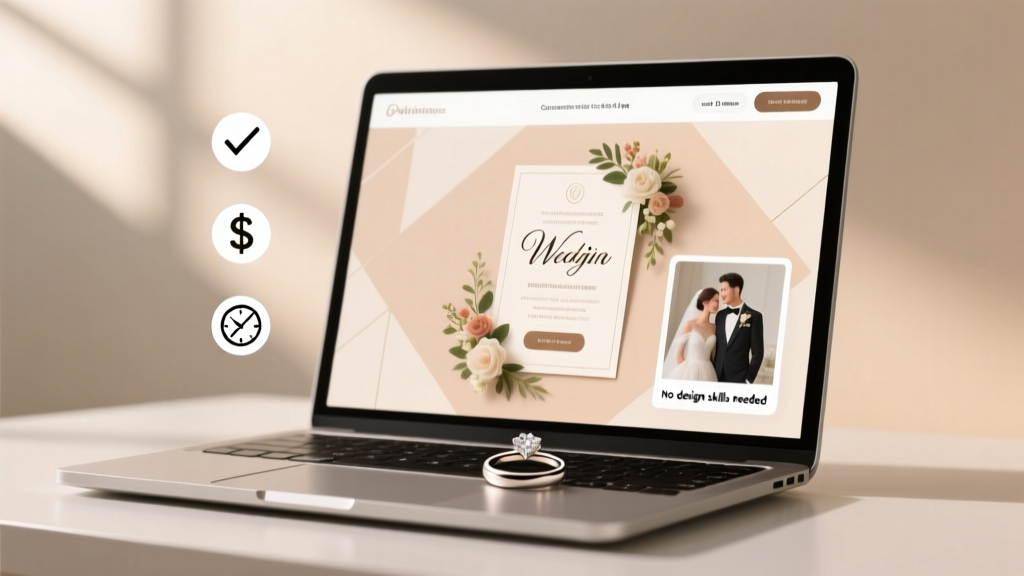 Free Wedding Invitation Maker Online (2026)
 Do You Take Engagement Ring Off for Wedding? (2026)
 Beige Wedding Attire: 5 Etiquette Mistakes to Avoid
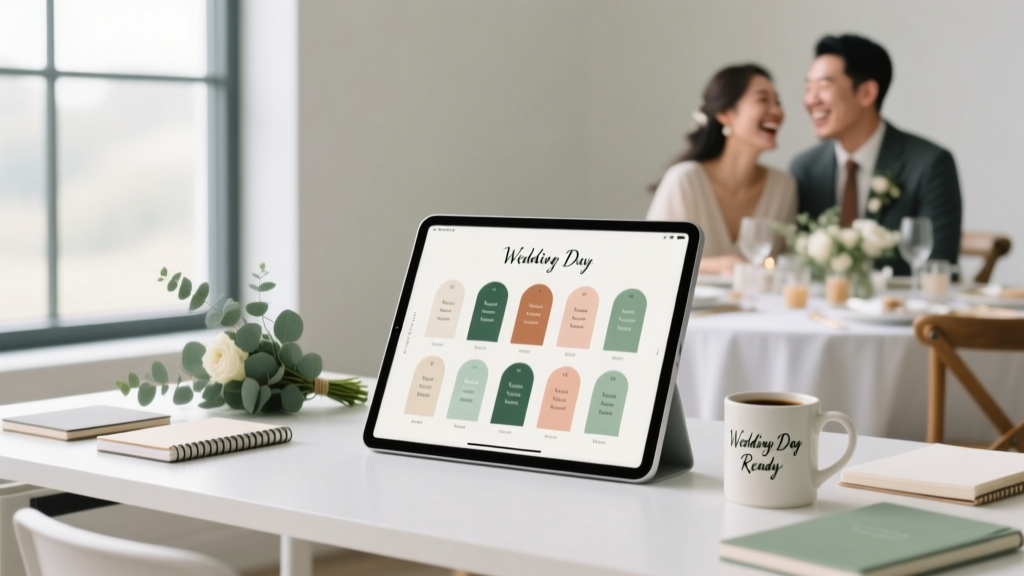 Wedding Seating Chart: 7 Stress-Free Steps (2026)
 What Wedding Photographers Should Wear (2026)
 Wedding Under $15,000: Realistic Plan & Vendor Breakdown
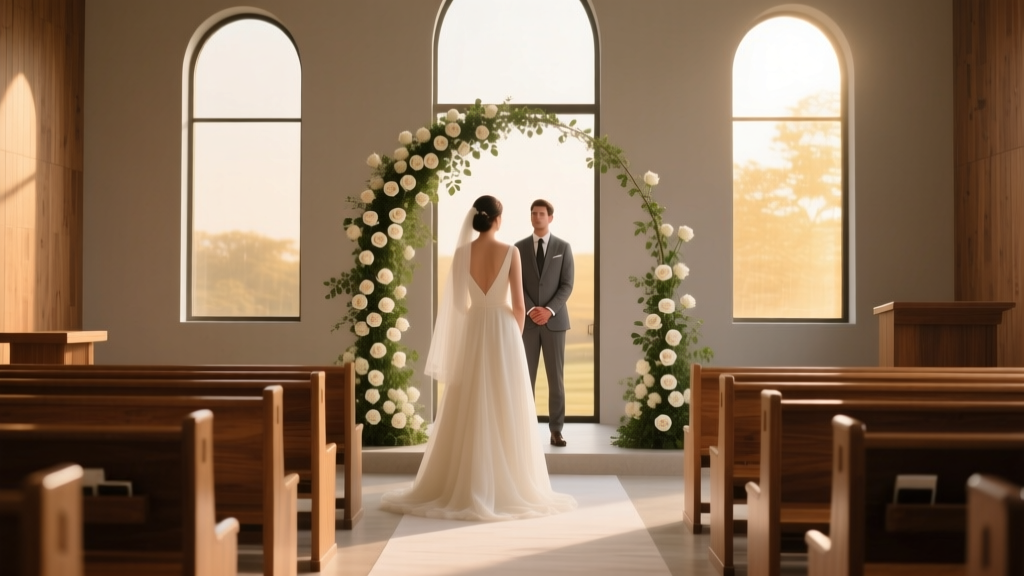 Prelude in Wedding Ceremony: Timing, Music & Emotional Flow
 How to Plan a Wedding With a Signature Cocktail
 Wedding Dress Change for Reception: When & How (2026)