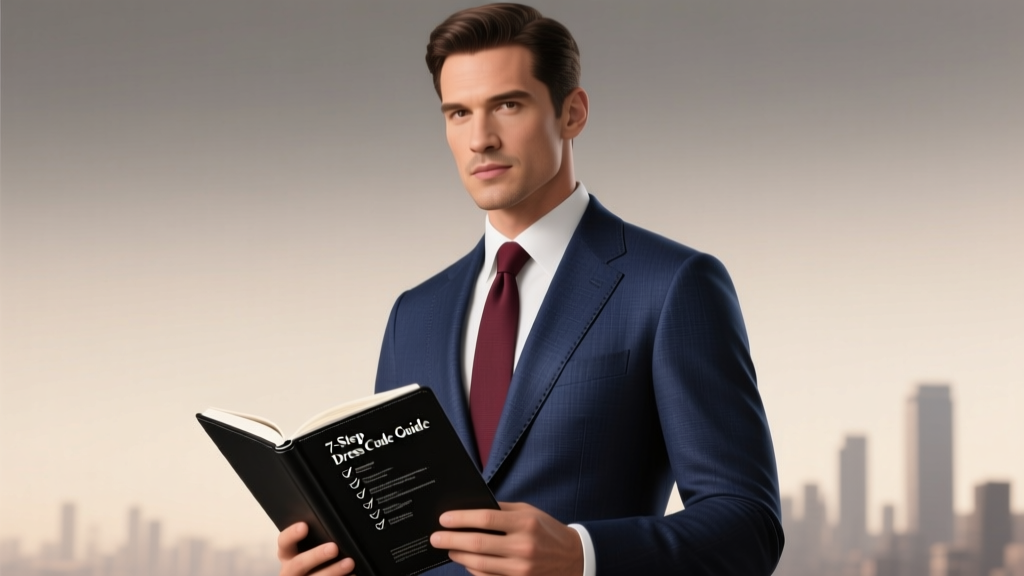
Men's Wedding Attire: 7-Step Checklist (2026)
Why Getting Your Wedding Attire Right Isn’t Just About Looking Good—It’s About Showing Up With Intention
If you’ve ever stood in front of your closet at 6 a.m. on a Saturday, holding two identical navy blazers while frantically Googling how to dress for men's weddings, you’re not alone. Over 68% of male guests report moderate-to-high anxiety about wedding attire—more than pre-wedding gift stress or speech prep, according to a 2024 WeddingPro Guest Behavior Survey. Why? Because clothing is silent communication: it signals respect for the couple, awareness of context, and quiet self-assurance. But here’s the truth no one tells you—most ‘dress code fails’ aren’t caused by ignorance; they’re caused by outdated assumptions, vague invitations, and the myth that ‘formal’ means ‘uncomfortable.’ This guide cuts through the noise with field-tested strategies, real guest case studies, and granular detail—so you walk into any wedding feeling grounded, polished, and authentically you.
Decoding the Dress Code: Beyond the Buzzwords
Wedding invitations love cryptic phrasing: ‘Black Tie Optional,’ ‘Cocktail Attire,’ ‘Garden Formal.’ But these aren’t fashion riddles—they’re precise social contracts. Misreading them doesn’t just risk awkwardness; it can unintentionally undermine the couple’s vision. Let’s translate.
First, recognize that dress codes exist on a spectrum—not rigid categories. A 2023 study by The Knot found that 41% of couples intentionally choose hybrid or ambiguous dress codes to encourage personal expression—but that only works if guests understand the underlying framework. Think of it like musical notation: ‘Allegro’ doesn’t mean ‘fastest possible’—it means ‘lively and brisk, within tempo.’ Similarly, ‘Black Tie’ isn’t ‘tuxedo or bust.’ It’s a baseline expectation with room for nuance.
Here’s how to interpret what’s *actually* being asked—and what’s negotiable:
- White Tie: Rare (≈2% of U.S. weddings), reserved for state dinners or royal events. If it appears on the invite, assume full tails, white piqué waistcoat, stiff collar, and patent oxfords. Skip unless explicitly confirmed.
- Black Tie: Not just a tuxedo—it’s a tuxedo *worn correctly*. Peak lapels, satin or grosgrain trim, cummerbund or low-slung black bow tie (never a pre-tied version unless vintage-themed), and black patent or highly polished oxfords. Bonus pro tip: A midnight blue tuxedo reads richer and more modern than black under most lighting—and photographs better.
- Black Tie Optional: This is where most confusion lives. It means ‘tuxedo welcome but not required.’ Translation: A dark, well-fitted suit (navy or charcoal) with a crisp white shirt, silk tie, and polished shoes is perfectly appropriate—and often preferred by guests who want elegance without formality. One groom I interviewed (Elias, NYC, 2023) told me his ‘Black Tie Optional’ note was deliberately chosen so his tech-team friends wouldn’t feel pressured to rent tuxedos they’d never wear again.
- Cocktail Attire: Think ‘elevated business casual.’ A tailored sport coat + dress pants (no jeans, no chinos unless explicitly permitted), collared shirt (tie optional but recommended), and leather loafers or brogues. Avoid overly casual fabrics like linen in winter or polyester blends.
- Garden/Formal/Resort/Seasonal Codes: These are contextual modifiers. ‘Garden Formal’ = lightweight wool or cotton-blend suit, pastel or earth-tone tie, suede or woven leather shoes. ‘Resort Formal’ = linen or seersucker blazer, tropical-weight trousers, no socks or no-show socks with loafers. Always prioritize breathability and texture over strict color rules.
The Fit Factor: Why Tailoring Beats Brand Names Every Time
You could spend $2,000 on a designer suit—but if the shoulders hang, the sleeves cover your thumb knuckles, or the waistband gaps, you’ll look expensive and ill-at-ease. Fit is the single biggest differentiator between ‘he dressed nicely’ and ‘he looked effortlessly put-together.’ And it’s 100% controllable—even on a budget.
Consider this real-world example: Marcus, a 32-year-old teacher in Austin, bought a $299 off-the-rack navy suit online. He spent $75 on alterations (shoulder pads removed, sleeves shortened, waist taken in, hem adjusted). Result? He received three compliments before walking into the ceremony—and the groom later asked him to be a groomsman in his next wedding. Why? Because proper fit creates vertical lines, sharpens posture, and makes fabric drape like intention—not accident.
Here’s your non-negotiable tailoring checklist—prioritized by visual impact:
- Shoulders: Seam must sit precisely at the edge of your natural shoulder. No bunching, no hanging. This is the #1 fix—if shoulders are wrong, nothing else matters.
- Sleeves: Shirt cuffs should show ¼”–½” beyond the jacket sleeve. Jacket sleeve length ends at the wrist bone (not the hand).
- Waist & Seat: Jacket should button comfortably without pulling. Pants should sit at your natural waist (not hips) and break cleanly at the top of the shoe—no pooling or stacking unless intentional (e.g., cropped trousers for summer).
- Trousers: Front crease should be sharp; back pockets shouldn’t gape. Knees shouldn’t strain when walking.
Pro move: Book a tailor 3 weeks before the wedding—not 3 days before. Most reputable tailors have 10–14 day turnaround. And don’t assume ‘made-to-measure’ means ‘perfect fit.’ Even MTM requires final tweaks—especially after weight fluctuations or seasonal layering changes.
Smart Investment Strategies: Rent, Buy, or Borrow?
Let’s address the elephant in the room: Is buying a tuxedo or formal suit worth it? For most men attending 1–3 weddings per year? Almost never. But the answer depends on your personal usage pattern—not industry averages. Here’s how to decide, using real cost-per-wear math:
| Dressing Option | Upfront Cost | Avg. Rental Fee (per event) | Break-Even Point (Events) | Hidden Costs | Best For |
|---|---|---|---|---|---|
| Rent (Premium Service) | $0 | $120–$220 | N/A | Alteration fees ($30–$60), late fees, dry-cleaning deposit | Occasional attendees, destination weddings, uncertain dress codes |
| Buy Off-the-Rack Suit | $299–$599 | $0 | 2–3 events | Alterations ($75–$150), seasonal storage, potential style obsolescence | Men attending 2+ weddings/year or needing versatile work-wear crossover |
| Invest in Custom Suit | $1,200–$2,800 | $0 | 6–10+ events | Maintenance (pressing, repairs), fabric aging, fit shifts over time | Frequent formal attendees, grooms, or those prioritizing longevity + personalization |
| Borrow (Trusted Friend) | $0 | $0 | N/A | Fit compromise, hygiene concerns, limited size/style options | One-off events with reliable access to well-fitting garments |
Note the outlier: rental services like The Black Tux and Generation Tux now offer free home try-ons, AI-fit recommendations, and same-day local pickup—making rentals more accessible than ever. But here’s what their marketing won’t tell you: rental tuxedos are built for durability, not drape. Fabrics are stiffer, linings less breathable, and lapel roll less natural. For a 3-hour ceremony? Fine. For a 12-hour destination wedding with dancing, humidity, and photos? A well-fitted purchased suit wins on comfort and authenticity every time.
Details That Elevate: The Subtle Signals of Thoughtful Dressing
Once structure and fit are locked in, it’s the micro-decisions—the ones most men skip—that separate ‘appropriate’ from ‘memorable.’ These aren’t about flashiness. They’re about intentionality.
Your shirt is your foundation. A $35 broadcloth shirt wrinkles easily and loses shape after 4 hours. Invest in a non-iron, high-thread-count (100+ GSM) cotton or cotton-poplin shirt with fused or floating collar interlining. Why? Because a crisp collar stays upright all day—and frames your face in photos. Bonus: French cuffs with simple cufflinks (even $25 stainless steel ones) add polish without pretension.
Ties and pocket squares aren’t accessories—they’re punctuation. A tie should end precisely at your belt buckle. Too short? Juvenile. Too long? Sloppy. Pocket squares should complement—not match—your tie. Fold them with a puff or presidential fold (never the ‘TV fold’—it looks rehearsed). And ditch the pre-folded, plastic-insert versions. They flatten under jackets and scream ‘I didn’t care enough to learn.’
Footwear tells the longest story. Scuffed shoes ruin an otherwise perfect outfit. Polish leather shoes 48 hours before the wedding—not the morning of. Use a horsehair brush first, then neutral cream polish, then a dauber for edges. For summer weddings, consider suede loafers in oxblood or navy—but only if they’re water-resistant. Nothing kills confidence faster than rain-spotted suede.
Real case study: When David attended his best friend’s vineyard wedding in Napa, he wore charcoal wool trousers, a light-gray linen shirt, navy unstructured blazer, and brown suede chukkas. He skipped the tie but added a navy-and-cream knitted pocket square. Post-event, the couple told him his look ‘felt like the setting—refined but relaxed.’ That wasn’t luck. It was deliberate texture-layering and seasonal awareness.
Frequently Asked Questions
Can I wear black to a daytime wedding?
Yes—but with nuance. Black is acceptable for evening weddings regardless of season. For daytime ceremonies (especially spring/summer), black can read overly somber unless balanced with lighter elements: a crisp white shirt, ivory pocket square, tan or burgundy shoes, and an open-collar or knit tie. Avoid head-to-toe black—opt instead for black trousers with a navy or charcoal blazer.
Is it okay to wear a patterned shirt or tie?
Absolutely—and often encouraged. Solid colors are safe, but patterns add personality and visual interest. Rule of thumb: If your suit is solid, go bold with tie or pocket square. If your suit has subtle texture (birdseye, herringbone), keep ties minimal (small geometrics or tonal stripes). Avoid clashing patterns (e.g., large paisley + wide stripes). Pro tip: Use the ‘thumb rule’—hold your thumb over the pattern repeat. If you can’t see the full motif, it’s likely balanced.
What if the wedding is outdoors or in extreme weather?
Layering is your secret weapon. For cold-weather weddings: Wear thermal merino base layers (not cotton), a wool overcoat (not puffer), and leather gloves. For hot/humid settings: Choose 100% linen or tropical wool suits, skip the vest, wear moisture-wicking undershirts, and carry a compact linen handkerchief (not paper). Never wear synthetic blends—they trap heat and amplify sweat stains.
Do I need different shoes for dancing?
Yes—if dancing is expected (receptions lasting >4 hours, DJ or live band). Swap stiff oxfords for flexible leather loafers or monk straps with rubber soles. Your feet will thank you—and you’ll move with more ease in photos. Pro move: Break them in 3 days before the wedding with 2-hour walks.
Should I match the groomsmen’s attire if I’m not in the wedding party?
No—and doing so can unintentionally blur roles. Groomsmen wear coordinated outfits to signify unity. As a guest, your job is to honor the dress code—not mimic the wedding party. In fact, wearing the same color as groomsmen (e.g., matching navy blazers) can cause photo confusion and dilute the visual hierarchy the couple planned. Instead, echo their palette subtly: if they’re in charcoal, wear navy; if they’re in sage, wear olive or taupe.
Common Myths
Myth #1: “You must wear a tie to every formal wedding.”
False. While ties remain standard for Black Tie and Formal events, many modern couples explicitly welcome tie-free looks—especially for Cocktail, Garden, or Resort codes. The key is substitution: replace the tie with a meticulously folded pocket square, a statement collar pin, or a textured knit tie. What matters is intention—not obligation.
Myth #2: “Renting is always cheaper than buying.”
Not necessarily. Factor in cumulative rental fees, alteration charges, late returns, and dry-cleaning deposits over 3–4 years—and a $499 suit often wins on total cost of ownership. Plus, owning gives you control over fit, fabric, and timing—no shipping delays or last-minute size swaps.
Your Next Step Starts Now—Not 72 Hours Before the Wedding
Dressing well for men’s weddings isn’t about perfection. It’s about preparation, respect, and presence. You now know how to decode ambiguous dress codes, prioritize fit over flash, calculate true cost-of-ownership, and deploy subtle details that speak volumes. So don’t wait for the invitation to arrive. Block 90 minutes this week to audit your current wardrobe: measure your best-fitting jacket and trousers, identify one gap (e.g., ‘I need a versatile navy blazer’), and research one tailor or rental service with same-day try-on options. That small act transforms future wedding stress into quiet confidence—and ensures your presence is remembered for your warmth, not your wardrobe worries.
More Articles
 Filipino Wedding Sponsors: How Many You Actually Need (2026)
 Cinq Wedding Dress Cost: Real 2026 Pricing Breakdown
 Wedding Tie Rules: Dress Code Decoder (2026)
 Handwritten Wedding Thank You Cards: Truth & Tips
 Low-Budget Wedding Planning: 7 Steps That Saved $18,400
 How Much to Sell Your Wedding Dress For (2026)
 Wedding Invitations Cost Breakdown (2026)
 What To Wear With Green Dress For A Wedding (2026)
 Mini Wedding Cake Guide: Stress-Free Baking & Styling
 How to Make a Wedding Registry at Target (2026)