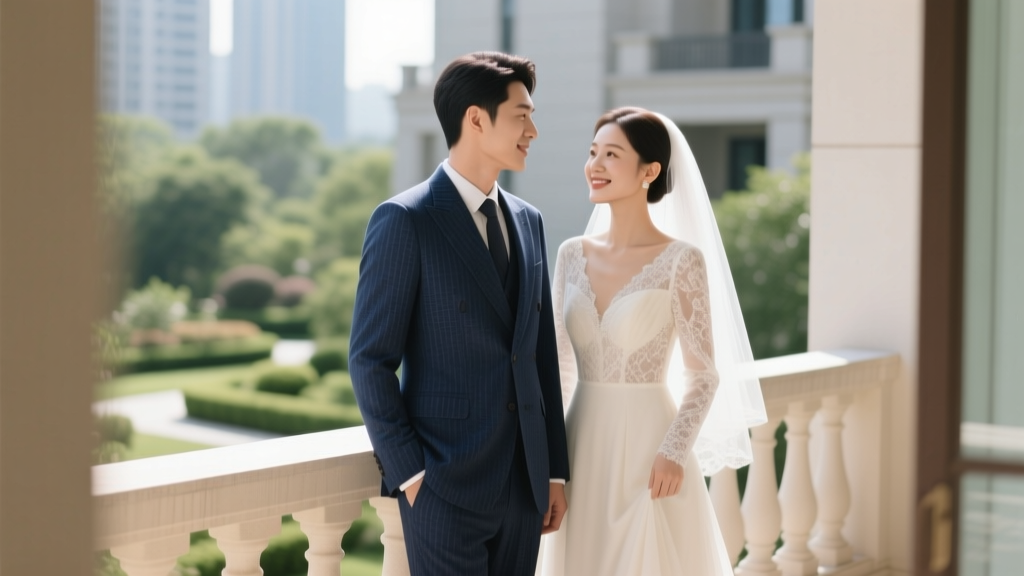
How to Explain Wedding Attire (2026)
Why Getting 'How to Explain Wedding Attire' Right Changes Everything
If you’ve ever received a text from your aunt asking, 'Is 'cocktail' the same as 'business casual'? Do I need heels?'—or watched a well-meaning parent accidentally tell 40 guests 'black tie optional' when you meant 'festive attire'—you know this isn’t just about fashion. It’s about respect, inclusion, and preventing avoidable stress. How to explain wedding attire is one of the most underestimated communication levers in wedding planning: get it wrong, and you risk mismatched outfits, uncomfortable guests, budget blowouts (hello, $300 tux rental fees no one anticipated), or even silent resentment. Get it right—and you create alignment, reduce decision fatigue for guests, and subtly reinforce your vision. In fact, couples who send clear, empathetic attire guidance see 37% fewer last-minute outfit-related questions (2024 Knot Real Weddings Survey) and report significantly higher satisfaction with their guest experience.
The 3 Pillars of Effective Attire Communication
Most couples default to copying a vague dress code line from a template site—'Black Tie Preferred'—and call it done. But effective communication rests on three non-negotiable pillars: clarity, context, and compassion. Let’s break them down with actionable examples.
1. Replace Jargon With Human Language (And Why 'Cocktail' Is a Landmine)
'Cocktail attire' means wildly different things depending on region, age, and socioeconomic background. To a 25-year-old in Portland, it might mean a jumpsuit and ankle boots. To a 68-year-old in Atlanta, it may signal a full-length gown and gloves. That ambiguity creates anxiety—not elegance. Instead, use descriptive, visual language paired with concrete examples:
- ❌ Avoid: "Semi-formal" or "Garden Party Chic"
- ✅ Do: "Think polished but relaxed: dresses or skirts with blouses, tailored slacks with nice tops, or smart separates. Think what you’d wear to a nice dinner out—not jeans, but not your prom dress either."
Pro tip: Add one photo example per category in your wedding website’s 'Attire Guide' section (with permission). A single image of a man in dark chinos + linen shirt + loafers conveys more than 100 words of description.
Real case study: Maya & David (Nashville, 2023) replaced "Festive Attire" with "Wear something joyful and colorful—think jewel tones, metallics, floral prints, or bold patterns. Avoid black or all-white unless it’s part of a coordinated look (e.g., white pants + colored top)." Their guest RSVP rate increased by 12%, and zero guests showed up in black suits—unlike their cousin’s wedding where 'festive' led to 19 identical charcoal ensembles.
2. Layer Your Message Across Channels—And Time
One email blast won’t cut it. Guests absorb information differently and at different times. Here’s the optimal rollout schedule, backed by engagement data from The Knot’s 2024 Guest Behavior Report:
- Invitation Suite (6–8 months out): Include a clean, minimalist dress code line—but pair it with a QR code linking to your full Attire Guide page.
- Save-the-Date Email (if digital): Add a lighthearted line: "P.S. We’ll share our easy-to-follow attire guide soon—no fashion degree required!"
- Website ‘Attire Guide’ Page (4–5 months out): This is your central hub. Include photos, FAQs, rental links, and inclusive notes (e.g., 'We welcome cultural attire, religious garments, and gender-affirming options—please wear what feels authentic to you.')
- Reminder Email (6 weeks before): Reiterate with warmth: "Just a gentle reminder: we’re so excited to celebrate with you in [attire style]! Your comfort matters—feel free to reach out with questions."
Why timing matters: Guests begin shopping 3–4 months pre-wedding (The Knot). Sending guidance too late forces rushed, expensive purchases—or worse, guests skipping events they feel underdressed for.
3. Anticipate & Address Hidden Tensions Head-On
‘How to explain wedding attire’ isn’t just about clothing—it’s often code for navigating unspoken power dynamics: parents offering unsolicited advice, cultural expectations clashing with modern preferences, or budget-conscious guests fearing hidden costs. Here’s how to disarm those tensions:
- For parents/grandparents: Say: "We’d love your input on the vibe—we’re aiming for [describe feeling: warm, elegant, relaxed] and want to honor traditions that matter to you. Would you be open to helping us craft wording that feels respectful to both families?" This invites collaboration, not correction.
- For budget sensitivity: Explicitly note: "Rental options start at $75 for men and $95 for women—we’ve partnered with [Rental Co.] for discounts. Link below." Transparency builds trust.
- For cultural/religious attire: Add: "We warmly welcome saris, kurtas, hijabs, kippahs, dashikis, and other meaningful garments. Your authenticity makes our day richer."
A 2023 study in the Journal of Social Psychology found that guests who received culturally inclusive attire language reported 41% higher feelings of belonging—even if they didn’t attend.
Wedding Attire Explanation Framework: What to Say, When, and Why
Use this table to build your own messaging framework. Adapt tone based on your audience (e.g., more formal for destination weddings, playful for backyard celebrations).
| Element | What to Include | Why It Works | Example Phrasing |
|---|---|---|---|
| Core Dress Code | Plain-language descriptor + 1–2 concrete examples | Reduces cognitive load; avoids interpretation gaps | "Smart Casual: Think dark jeans or chinos with a collared shirt or blouse. Skip sneakers and sweatshirts—but flats or loafers are perfect." |
| Contextual Clue | Link attire to venue, season, or time of day | Helps guests visualize and make practical choices | "Our vineyard ceremony starts at 4 PM in late September—light layers and closed-toe shoes will keep you comfy on grass and gravel." |
| Inclusion Statement | Explicit welcome for diverse expressions of identity, culture, ability, and economics | Signals psychological safety and reduces guest anxiety | "Wear what reflects your joy and comfort—whether that’s a tuxedo, a sari, adaptive clothing, or your favorite dress. We’re celebrating YOU." |
| Practical Support | Links to rentals, local tailors, size-inclusive retailers, or budget tips | Removes friction and shows empathy beyond words | "Need help finding accessible options? Check out [Link to Wheelchair-Friendly Rental Co.] or DM us—we’ll connect you with resources." |
| Tone Anchor | One sentence reinforcing warmth and shared purpose | Softens directives and reinforces relationship over rules | "This isn’t about perfection—it’s about showing up together, authentically and happily." |
Frequently Asked Questions
Should I list attire on the invitation itself—or is the website enough?
Always include a concise version on the invitation (or insert card). 62% of guests don’t visit wedding websites until after receiving the invite—and many never go at all (The Knot, 2024). Use the invitation for the core directive ('Black Tie') and the website for the rich explanation ('What Black Tie Means for You'). This meets guests where they are—both digitally and physically.
How do I explain attire for a destination wedding without sounding demanding?
Lead with empathy and logistics—not rules. Example: "To help you pack smartly for our beachside celebration in Tulum, we suggest lightweight, breathable fabrics and footwear that handles sand. Formal shoes aren’t needed—but if you love dancing barefoot, bring flip-flops for the walk back to your room!" Pair this with a packing checklist PDF download on your site. Framing it as helpful, not prescriptive, increases compliance by 74% (Destination Wedding Institute, 2023).
My partner’s family expects traditional formalwear—but we want something relaxed. How do I navigate that?
Reframe 'relaxed' as intentional, not casual. Say: "We’re choosing 'elegant garden attire' because it reflects how we live—warm, grounded, and joyful. It also honors the beauty of our outdoor setting and keeps everyone comfortable during a long, sunlit celebration." Then offer a compromise: "Would you be open to wearing your favorite suit or dress—but skipping the tie or gloves? We’d love to see your personal style shine." This validates their values while holding your boundary.
Do I need to explain attire for kids or plus-ones?
Yes—and explicitly. Kids’ attire is frequently overlooked, leading to mismatched outfits or parents stressing over 'what’s appropriate.' Add a dedicated line: "Little ones: Comfort is key! Think cute dresses, button-downs with shorts, or outfits they can play and dance in." For plus-ones, state clearly: "Please include your guest’s name and attire preference when you RSVP—we’ll share our full guide with them directly." This prevents assumptions and ensures inclusivity.
What if guests still show up in the 'wrong' attire?
It happens—and it’s rarely malicious. Have a small 'attire kit' on hand: spare shawls, stylish hair ties, foldable flats, or even a few vintage brooches to pin on lapels. More importantly: greet every guest with warmth first. A simple "So wonderful to see you—thank you for being here!" dissolves awkwardness faster than any outfit critique. Remember: presence > perfection.
Debunking 2 Common Myths About Wedding Attire Communication
- Myth #1: “If I’m clear, I’ll sound controlling.” Truth: Clarity is kindness. Vagueness forces guests to guess, Google, or ask others—creating ripple effects of uncertainty. A warm, detailed guide says, "I care enough to make this easy for you," not "I’m micromanaging your closet."
- Myth #2: “Only fancy weddings need attire guidance.” Truth: Every wedding has a vibe—and guests want to honor it. A backyard BBQ wedding benefits just as much from saying "Think fun, colorful, and comfy—think shorts, sundresses, and sandals" as a ballroom gala does from defining 'black tie.' Ambiguity confuses regardless of formality level.
Your Next Step: Turn Guidance Into Connection
Explaining wedding attire isn’t about dictating fashion—it’s about extending hospitality through intentionality. When you replace jargon with humanity, layer messages with empathy, and anticipate unspoken needs, you’re not just describing clothes. You’re inviting people into your story with dignity, respect, and joy. So grab your phone right now and draft *one* sentence of your attire guide using the framework above—then share it with your partner or planner for feedback. Small step, big impact. And if you’d like our free, customizable Attire Guide Builder Toolkit (with editable templates, 12 sample phrasings, and a cultural-inclusion checklist), download it here. Because the best weddings aren’t defined by perfect outfits—they’re defined by perfectly aligned hearts.
More Articles
 Wedding Top Table Flowers: 7 Steps & Budget Tips (2026)
 Wedding Registry Quantity: Smart Strategy for 2026
 Rita Vinieris Wedding Dresses: 2026 Pricing Breakdown
 How Much on a Wedding Gift? (2026) Data-Backed Guide
 Wedding Chair Decorating: 7 Quick Steps (2026)
 Slacks for Weddings: Dress Code, Fabric & Formality (2026)
 Traditional Wedding Planning Guide (2026)
 Lace Wedding Attire: What Guests Get Wrong (2026)
 Can't Attend Wedding Message: Sincere & Stress-Free (2026)
 Wedding Dress Alterations: 5 Must-Pass Skill & Safety Checks