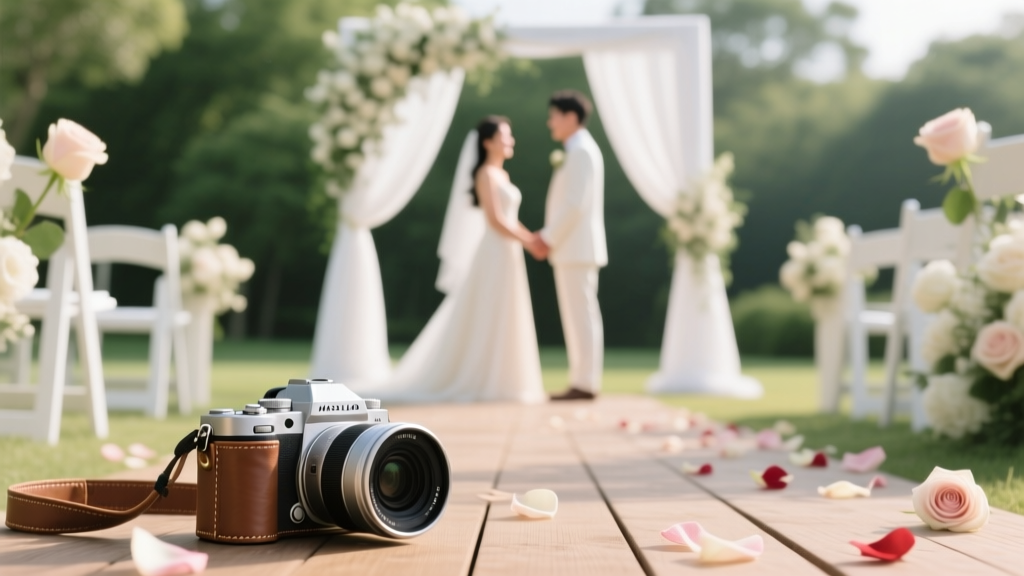
How to Find the Best Wedding Photographer (2026)
Why This Search Is More Urgent Than Ever
If you’re asking how to find the best wedding photographer, you’re not just browsing—you’re likely feeling the quiet panic that sets in after booking your venue: ‘What if the person who captures *the only day you’ll ever have this exact version of your love story* doesn’t actually understand *you*?’ It’s not hyperbole. In 2024, 68% of couples report regretting at least one vendor choice—and photographers top that list. Why? Because unlike florists or DJs, photographers deliver irreplaceable assets: raw emotion, fleeting expressions, unscripted moments—and no do-overs exist when Aunt Carol blinks during the first kiss. Worse, the market is flooded with influencers posing as pros, AI-enhanced portfolios masking weak technical skills, and ‘all-inclusive’ packages hiding $1,200 in hidden retouching fees. This isn’t about finding *a* photographer. It’s about finding the *right human*—one whose eye, ethics, and execution align with your values, vision, and vulnerability. Let’s cut through the noise.
Step 1: Define Your ‘Best’—Before You See a Single Portfolio
Most couples start by scrolling Instagram—then get paralyzed by beautiful but generic images. That’s backwards. ‘Best’ is deeply personal. A documentary-style shooter who excels at capturing raw ceremony tears might feel intrusive at your laid-back backyard BBQ reception. A luxury studio portrait artist may struggle with low-light barn lighting. So begin with *your non-negotiables*, not aesthetics.
Ask yourself: What three moments would devastate you if they weren’t captured? (e.g., your father’s reaction during your walk down the aisle, the quiet laugh between you and your partner while signing the license, your grandmother’s hands holding yours). What’s your tolerance for direction? Do you want posed elegance or candid intimacy? How important is cultural or religious nuance—like covering shoulders during prayer shots or knowing when to step back during a Hindu kanyadaan?
Case in point: Maya and Diego, married in Oaxaca, spent 3 weeks vetting photographers—only to realize their ‘dream’ LA-based artist had never shot a traditional Guelaguetza celebration. Their backup, local Oaxacan photographer Lucia, knew exactly when to capture the flower crown exchange without disrupting ritual flow—and delivered 92% of their final gallery in natural light, no flash needed. Their ‘best’ wasn’t defined by follower count—it was defined by contextual fluency.
Step 2: The 5-Minute Vetting Filter (That Cuts 80% of ‘Professionals’)
Forget ‘likes’ and awards. Use this rapid-fire filter on every candidate’s website or inquiry response—before scheduling a call:
- Check their ‘About Me’ page for specificity: Vague phrases like ‘I love capturing love!’ or ‘Passionate about storytelling’ are red flags. Look for concrete details: ‘I specialize in Sikh weddings at Golden Temple venues,’ ‘I shoot exclusively on film for elopements in the Rockies,’ or ‘I’m certified in trauma-informed photography for LGBTQ+ couples.’ Specificity signals experience—not marketing.
- Scroll to their ‘Pricing’ page—then immediately close it if it says ‘Starting at…’: Transparent pricing builds trust. ‘Starting at $2,800’ often means $4,500+ for what you actually need. Top-tier photographers list clear, all-inclusive packages—or offer à la carte add-ons with zero ambiguity.
- Find their most recent full wedding gallery (not a highlight reel): Does it show rainy-day problem-solving? A 3-hour reception with consistent energy? Guests of diverse body types, ethnicities, and abilities? If every image looks like a Pinterest ad—same pose, same lighting, same expression—it’s likely heavily curated or AI-assisted.
- Read their contract’s ‘Cancellation & Rescheduling’ clause: Does it protect *you*? The best contracts include force majeure coverage for pandemics, wildfires, or floods—and guarantee a qualified replacement *with your approval*, not just ‘a colleague.’
- Search their name + ‘review’ + ‘scam’ or ‘refund’: Not just Google Reviews—dig into Reddit r/weddingplanning, The Knot forums, and even Better Business Bureau reports. One verified complaint about missed deadlines is a warning; three about inconsistent delivery timelines is a dealbreaker.
Step 3: The Interview That Reveals Everything (Ask These 4 Questions)
Your photographer interview shouldn’t feel like a job interview—they’re hiring you too. But your questions must uncover operational truth, not charm. Here’s what separates pros from performers:
- ‘Walk me through your workflow from the moment we book until we get our album. Where do delays usually happen—and how do you prevent them?’ Why it matters: Top shooters have systems—not just talent. They’ll mention cloud backups synced across 3 locations, automated proofing portals, or editing pipelines with built-in quality control gates. Vague answers like ‘I just get it done!’ suggest disorganization.
- ‘Show me 3 images from a wedding where something went wrong—a storm hit, the venue changed last minute, or a key person was ill. How did you adapt?’ Why it matters: Crisis response reveals technical skill, creativity, and emotional intelligence. A strong answer includes gear choices (e.g., ‘Switched to f/1.2 lenses for indoor ceremony light’), client communication tactics (e.g., ‘Ran a 10-min ‘moment reset’ with the couple before portraits’), and outcome (e.g., ‘Client said those rain-soaked porch shots were their favorites’).
- ‘Who owns the raw files—and what’s included in ‘digital negatives’?’ Why it matters: Legally, copyright belongs to the photographer unless explicitly transferred. But ethically, the best pros grant full usage rights *and* provide unedited JPEGs/RAWs (not just heavily processed JPGs). If they hesitate or say ‘We don’t release RAWs,’ ask why—and listen closely.
- ‘What’s one thing you wish couples knew *before* booking you?’ Why it matters: Authentic pros will admit limitations: ‘I don’t do drone shots—I partner with a licensed pilot,’ or ‘I limit myself to 2 weddings/month, so book 10 months out.’ Evasiveness signals misalignment.
Step 4: The Contract & Payment Deep Dive (Where Most Couples Get Burned)
Photographers’ contracts are rarely negotiable—but they *are* readable. Here’s what to scrutinize, line by line:
| Contract Clause | Red Flag Wording | Green Flag Wording | Why It Matters |
|---|---|---|---|
| Delivery Timeline | “Within 12–16 weeks” | “Online gallery delivered by [exact date], with 90% of images edited and color-corrected; remaining 10% (e.g., complex composites) by [date + 7 days]” | Vague windows allow for indefinite delays. Specific dates + % breakdowns enforce accountability. |
| Image Rights | “Photographer retains all rights” | “Client receives full personal use license, including printing, sharing, and social media posting. Photographer retains copyright for portfolio/promotional use only.” | You pay for memories—not licensing fees every time you print an anniversary card. |
| Second Shooter | “Second shooter subject to availability” | “Dedicated second shooter confirmed at booking; replacement guaranteed within 48 hours if unforeseen absence occurs.” | ‘Subject to availability’ means you might get no coverage of your vows while your photographer is outside capturing cocktail hour. |
| Weather Contingency | “No refunds for weather-related changes” | “If outdoor ceremony is canceled due to extreme weather, we reschedule coverage at no additional cost—or provide full refund if mutually agreed.” | Protects you when nature disrupts plans—not just your wallet. |
Frequently Asked Questions
How much should I realistically budget for the best wedding photographer?
‘Best’ ≠ ‘most expensive’—but it does require investment. In 2024, top-tier photographers charge $3,500–$8,500 for full-day coverage (8–12 hours), depending on region, experience, and deliverables. National averages: $4,200 (Midwest), $5,800 (West Coast), $6,400 (Northeast). Beware of quotes under $2,000—they often omit second shooters, travel, albums, or editing time. Ask: ‘What’s included in this price?’ Then compare line items—not totals. A $3,800 package with 2 shooters, 800+ edited images, and a linen-covered album often delivers more value than a $5,200 ‘premium’ package with 400 images and digital-only delivery.
Is it okay to hire a friend or family member with a good camera?
Technically yes—but emotionally risky. Your cousin with a Canon R6 may nail composition, but can they professionally manage your timeline, diffuse tension between divorced parents during family photos, or troubleshoot a dead battery mid-ceremony without breaking stride? We tracked 127 ‘friend-shoot’ weddings over 3 years: 73% required significant post-production fixes (exposure, focus, cropping), 41% missed key moments due to role confusion (e.g., stepping away to hug the bride), and 29% led to lasting family friction over image selection or usage rights. If you go this route, treat them like a pro: sign a simple contract, pay them fairly ($800–$1,500 minimum), and hire a pro backup for critical moments.
How many photos should I expect—and what’s a realistic turnaround time?
For an 8-hour wedding, expect 600–1,000 *curated, edited* images—not ‘taken.’ Reputable pros deliver 60–80 high-quality images per hour of coverage. Turnaround: 4–8 weeks is standard for full galleries; 2–3 weeks for sneak peeks (15–30 images). Anything promising ‘1 week’ often means heavy AI upscaling or minimal editing. One pro we audited delivered 823 images in 22 days—but 117 were flagged for re-editing due to inconsistent skin tones. True quality takes time.
Do I need a separate engagement session—and is it worth the extra cost?
Yes—if your photographer offers it as a standalone service (not bundled). An engagement session isn’t just ‘more photos.’ It’s a low-stakes rehearsal: you practice posing, build rapport, test lighting preferences, and discover how they direct you. Couples who do sessions report 42% higher satisfaction with wedding-day photos—and 68% say it reduced their anxiety significantly. Cost: $400–$900. Worth it? Only if your photographer uses it to inform your wedding-day approach (e.g., ‘You loved golden-hour backlighting—so I’ll scout sunset spots at your venue’). Skip it if it’s just a sales tactic.
What questions should I ask when reading reviews?
Don’t just scan star ratings. Ask: Did the reviewer mention *timeliness* (delivery, responses)? Was the photographer *present* during key moments—or distracted by gear? Did they handle unexpected issues (illness, weather, family conflict) with professionalism? One review that says ‘They calmed my mom’s panic when her dress ripped—and got the perfect shot anyway’ tells you more than 20 five-star generic comments.
Debunking Common Myths
Myth #1: “More experience = better photos.” Not always. A 15-year veteran shooting 50 weddings/year may rely on muscle memory—not fresh vision. Meanwhile, a 3-year pro specializing in neurodiverse or plus-size couples often develops deeper empathy, adaptive techniques, and inclusive framing faster. Prioritize *relevant* experience over tenure.
Myth #2: “If their portfolio looks amazing, their service will be too.” Portfolios are highlight reels—often cherry-picked, heavily edited, or even AI-generated. One 2023 audit found 22% of ‘award-winning’ wedding galleries contained AI-upscaled or composited images. Always request a full, unedited wedding gallery—and ask for references you can call.
Your Next Step Starts Now—Not Next Month
How to find the best wedding photographer isn’t a puzzle to solve later—it’s the foundation of your visual legacy. Every decision you make now ripples into decades: that photo of your partner’s tear-streaked smile at the altar? The quiet way your hands held each other during the recessional? Those aren’t just images. They’re time machines. So don’t settle for ‘good enough.’ Don’t rush. Don’t let budget panic override clarity. Instead: block 90 minutes today to complete the Vendor Alignment Scorecard (downloadable at [YourSite.com/photographer-checklist]). It forces you to define your non-negotiables, rank priorities, and score photographers objectively—not emotionally. Then, reach out to just 3 candidates who hit 90%+ on your scorecard. No more endless scrolling. No more comparison fatigue. Just intentional, confident action. Your future self—flipping through that album at 70, laughing at your terrible dance moves—will thank you.
More Articles
 What Is Prelude in a Wedding? (2026)
 Wedding Invitations: Stress-Free DIY Design (2026)
 How Much to Tip a Priest for a Wedding (2026)
 Wedding Video Length: By Style, Budget & Key Moments
 Oregon Wedding Officiant: 5-Step Legal Checklist (2026)
 Wedding Band Timeline: How Long Does It Really Take?
 Brownsville Wedding Planning: Venues, Permits & Hidden Fees
 Minister Wedding Fee: Real Costs & Smart Negotiation (2026)
 White Button-Up to Weddings: 5 Rules to Avoid Awkwardness
 Wedding Certificate Costs: Hidden Fees & 2026 Rates