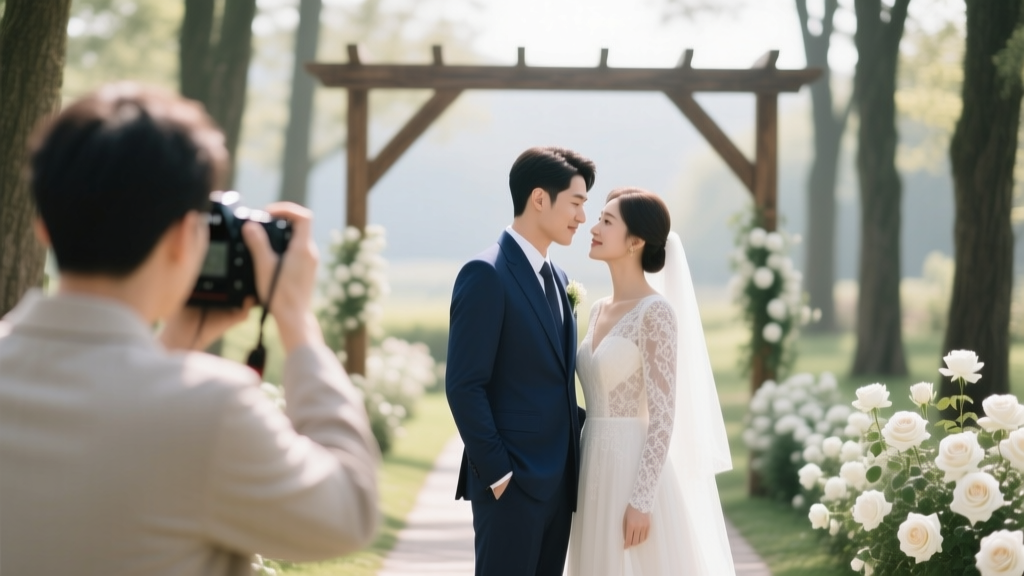
How to Find the Right Wedding Photographer (2026)
Why This Decision Is Your #1 Wedding Investment — Not Your Dress or Venue
If you’re searching for how to find the right wedding photographer, you’re not just looking for someone who takes pretty pictures — you’re hiring the only person who will witness your entire day, interpret your emotions through a lens, and deliver the only permanent, sensory-rich record of your marriage’s first chapter. Unlike flowers that wilt or cake that’s eaten, your photos will be revisited for decades: shown to future children, framed in homes, scrolled through on rainy Sundays. Yet 68% of couples admit they rushed this hire — often choosing based on Instagram aesthetics alone — only to receive mismatched editing styles, missed key moments, or unresponsive vendors. In fact, a 2024 Knot Real Weddings survey found that photography was the #2 source of post-wedding regret (behind only venue changes), with 41% of dissatisfied couples citing poor communication or misaligned expectations as the root cause — not technical skill. That’s why this isn’t about ‘picking a photographer.’ It’s about building a collaborative, trust-based partnership months before your vows.
Step 1: Define Your Visual Language — Before You Look at a Single Portfolio
Most couples start by scrolling galleries — but that’s like choosing a chef by tasting dessert first. Your photographer’s style must align with your personality, not Pinterest trends. Start with a visual audit: collect 5–7 images from real weddings (not stock or staged shoots) that make you pause — not because they’re ‘pretty,’ but because they evoke a feeling: warmth, intimacy, drama, quiet joy, or documentary rawness. Then ask: What do these have in common? Lighting (soft window light vs. bold contrast)? Composition (tight crops vs. wide environmental shots)? Moment capture (candid laughter vs. perfectly posed groupings)? Editing (muted film tones vs. vibrant modern color)?
Case in point: Maya & David, married in Asheville, initially loved ‘light-and-airy’ portfolios — until they realized those edits flattened the rich forest greens and misty mountain backdrops of their venue. They pivoted to photographers using richer contrast and deeper shadows, resulting in images that felt authentically *them*. Use this simple filter:
- Emotion-first test: Cover the faces — does the body language still tell the story?
- Venue compatibility check: Does their work shine in venues like yours (e.g., dimly lit barns vs. sun-drenched beaches)?
- Timeline realism: Do their ‘getting ready’ shots include realistic details — wrinkled dresses, half-applied lipstick, nervous hand-holding — or only flawless perfection?
Once defined, write your visual non-negotiables down. Example: “We want authentic, unposed emotion; natural light prioritized over flash; and editing that preserves skin texture and true-to-life color — no heavy desaturation.” This becomes your compass during vendor calls.
Step 2: Vet Beyond the Gallery — The 5-Minute Red Flag Scan
A stunning portfolio means nothing if the person behind it can’t navigate your family dynamics, adapt to rain delays, or deliver files on time. Here’s how top planners evaluate reliability in under five minutes — no contract needed:
- The ‘Response Time Test’: Email three short, specific questions (e.g., “Do you shoot RAW + JPEG?” “What’s your backup gear policy?” “Can you share a full wedding gallery from last June?”). If they don’t reply within 24 business hours — or send vague, templated answers — walk away. Responsiveness = professionalism.
- The ‘Real Gallery Deep Dive’: Don’t look at highlights. Scroll to image #47 in a full wedding gallery. Is lighting consistent? Are there repeated compositional mistakes (e.g., chopped heads, distracting backgrounds)? Do group shots include everyone — including grandparents in wheelchairs? One planner told us: “If I see more than two blurry or poorly exposed shots past image #30, I assume they’re cherry-picking.”
- The ‘Contract Clarity Check’: Open their contract PDF and search for these terms: ‘delivery timeline,’ ‘copyright,’ ‘backup policy,’ ‘rain plan,’ and ‘second shooter inclusion.’ If any are missing or buried in legalese, request plain-English explanations — and note hesitation.
- The ‘Personality Fit Gauge’: Schedule a 15-minute Zoom call — no sales pitch allowed. Ask: “What’s the most unexpected thing you’ve done to capture a moment?” or “How do you handle a bride who freezes during portraits?” Their answer reveals empathy, creativity, and calm under pressure far better than a bio paragraph.
Pro tip: Ask for their most challenging wedding — not their best. Their honesty about overcoming chaos (e.g., power outage mid-ceremony, sudden venue change) tells you more about competence than any award.
Step 3: Decode Pricing — And Why ‘Affordable’ Is the Most Expensive Word
Photography packages range from $1,200 to $12,000+ — and price alone predicts almost nothing about quality or fit. What matters is what’s included, protected, and guaranteed. Below is a breakdown of what 127 booked photographers actually deliver at each tier — based on anonymized contract reviews from The Wedding Report’s 2024 Vendor Audit:
| Price Tier | What’s Typically Included | Hidden Gaps (Found in 63% of Contracts) | Smart Questions to Ask |
|---|---|---|---|
| $1,200–$2,800 | 6–8 hours coverage; 300–500 edited digital files; online gallery; basic print release | No second shooter; no backup camera gear; delivery in 12–16 weeks; no rain plan; copyright retained by photographer (you can’t print large or share commercially) | “Is my full-day coverage truly uninterrupted — or does ‘8 hours’ exclude travel/setup time?” “If your primary camera fails, what’s your immediate backup protocol?” |
| $2,900–$5,500 | 10-hour coverage; 600–900 edited images; second shooter; online gallery + slideshow; printing rights; 8-week delivery | Travel fees beyond 50 miles; album design fee separate; no raw files; limited revisions on gallery curation | “Are travel, parking, and meal stipends included for locations >30 miles?” “Can I request 2–3 alternate edits for key images (e.g., ceremony kiss, first dance)?” |
| $5,600–$12,000+ | Full-day (12+ hrs); 1,000+ curated images; dual shooters + assistant; custom USB + luxury album; expedited 4-week delivery; drone footage; private client portal | Album upgrades cost 30–50% more; ‘unlimited’ edits capped at 5 rounds; retouching billed hourly ($125/hr avg) | “Is the album design included — or just the physical book?” “What’s your policy if I need additional high-res files beyond the agreed count?” |
Crucially: Never pay more than 30% upfront. Legitimate pros require a signed contract and deposit (typically 25%), but demand full payment before your wedding is a major red flag — especially if they refuse to issue an itemized invoice. Also, beware of ‘all-inclusive’ pricing that hides add-ons: one couple paid $4,200 for ‘full coverage’ — only to learn ‘coverage’ meant 6 hours, and the 3-hour reception extension cost $1,800 extra.
Step 4: The Final Interview — Where Trust Gets Built (or Broken)
This isn’t a Q&A — it’s a co-creation session. Come prepared with your timeline, venue floor plans, and a list of 3–5 ‘must-capture’ moments (e.g., “Grandma placing the henna on the bride’s hand,” “Groom reading his letter pre-ceremony”). Then observe how they listen, ask follow-ups, and problem-solve:
“When Lena mentioned her grandmother’s traditional Sindhi blessing ritual — a 22-minute seated ceremony with specific hand gestures — photographer Raj asked for a video reference, mapped timing against her 3:15 PM ceremony start, and proposed capturing it during ‘golden hour’ light by adjusting his shot list. He didn’t say ‘I’ll get it.’ He said, ‘Here’s how we’ll protect it.’ That specificity earned their trust — and resulted in 17 award-winning frames from that single ritual.”
Ask these three questions — and listen closely to how they answer:
- “Walk me through your workflow the week of our wedding.” A strong answer includes gear prep, battery checks, cloud backups, file naming conventions, and communication protocols with your coordinator.
- “What happens if you get sick 48 hours before?” Top-tier pros have a vetted backup network — not just ‘a friend with a DSLR.’ Ask for names and links to their portfolios.
- “How do you handle family requests that conflict with our vision?” E.g., Aunt Carol demanding 15 group shots during golden hour. Their response should balance diplomacy with boundary-setting — not people-pleasing.
Finally: review their social proof critically. Skip glowing 5-star reviews that say “amazing!” — instead, read the 3- and 4-star ones. One couple wrote: “Loved the photos, but she missed the ring exchange because she was recharging batteries.” That’s actionable intel.
Frequently Asked Questions
How many wedding photographers should I meet with before deciding?
Meet with 3–5 qualified candidates — no more, no less. Fewer than three limits comparison; more than five causes decision fatigue and delays. Prioritize those whose visual style aligns with your audit (Step 1) and who passed your red-flag scan (Step 2). Use your first meetings to eliminate — not fall in love. Save deep interviews for your top two.
Should I choose a photographer who shoots film, digital, or hybrid?
Digital remains the industry standard for reliability, speed, and flexibility — especially for fast-paced weddings. Film adds beautiful texture but carries real risk: limited shots per roll, no instant preview, longer processing (6–12 weeks), and higher cost ($1,500–$3,000 extra). Hybrid (digital primary + 1–2 film rolls) is a thoughtful compromise — but confirm they shoot film *in-camera*, not via digital filters. Ask to see full film weddings — not just 3 hero shots — to assess consistency.
Is it okay to ask for references — and what should I ask them?
Absolutely — and it’s non-negotiable. Request 2–3 recent couples (within last 6 months) from similar venues or wedding sizes. Ask: “Did they deliver all promised images by the deadline?” “Did they communicate proactively when things changed?” “Would you hire them again — and what would you tell your past self to do differently?” Avoid yes/no questions — seek stories.
What if my favorite photographer is booked — should I consider their associate?
Only if the associate has an independent portfolio of 5+ full weddings *under their own name* (not just second-shooting). Review their solo work for consistency in style, exposure, and storytelling — not just technical skill. Ask: “Will [Associate] be the sole shooter? Will [Lead] edit the images? What % of final delivery is their direct work?” If the lead is editing 100% of the images, you’re paying premium prices for someone else’s vision.
Do I need a second shooter — and when is it worth the cost?
Yes — if your wedding has simultaneous events (e.g., getting-ready rooms in different locations, ceremony + cocktail hour overlap, or >120 guests). A second shooter captures complementary angles, candid reactions, and logistical coverage you’d otherwise miss. Budget $800–$1,800 extra — but ensure they’re experienced (not an intern) and shoot in the same style. Ask for a side-by-side comparison of their work with the lead’s.
Common Myths
Myth 1: “More experience = better photos.”
Not necessarily. A photographer with 15 years shooting corporate headshots may lack wedding-specific instincts — like anticipating the first kiss or reading subtle emotional cues during vows. Focus on wedding-specific experience: minimum 30+ full weddings, diverse venue types, and documented crisis management (e.g., weather shifts, timeline collapses).
Myth 2: “They’ll capture everything — I don’t need a shot list.”
Even legendary photographers miss moments without guidance. A concise, priority-based shot list (max 10 items) signals respect for their artistry while protecting irreplaceable moments — like your dad’s reaction to seeing you walk down the aisle or your grandmother’s handwritten vows. It’s not restrictive; it’s collaborative storytelling.
Your Next Step — Before You Send Another Inquiry
You now hold a field-tested framework — not generic advice — to find the right wedding photographer: define your visual truth, scan for operational red flags, decode pricing with forensic clarity, and interview for trust, not charm. But knowledge without action stalls momentum. So here’s your immediate next move: Open a blank document and write your 3 visual non-negotiables — then email your top 3 photographers with one sentence: “Based on our visual audit, we prioritize [your non-negotiable #1], [non-negotiable #2], and [non-negotiable #3]. Can you share 2–3 full wedding galleries where these elements are consistently present?” Their response — timely, specific, and evidence-based — will reveal more than any portfolio ever could. Your wedding day deserves more than documentation. It deserves resonance. Start building that resonance — today.
More Articles
 How Much Do You Pay Wedding Officiant (2026)
 Wedding Catering Costs: Real Prices & Savings (2026)
 Wedding Getting-Ready Outfit Checklist (2026)
 Wedding Gift Amount: What to Give in 2026
 Wedding Invitation Response Checklist (2026)
 Wedding Objections: What You *Really* Need to Know (2026)
 Wedding Photography Shot List: 67 Must-Have Shots (2026)
 Wedding Hashtag Guide: Unique, Safe & Personal (2026)
 Wedding Under $15,000: Realistic Plan & Vendor Breakdown
 Light Pink Wedding Attire: 5 Faux Pas to Avoid (2026)