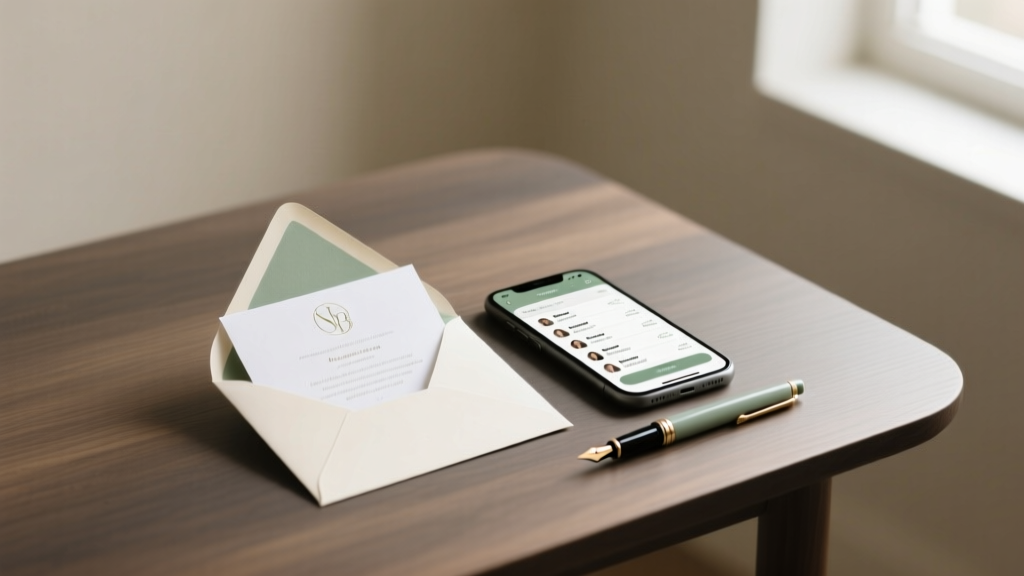
Wedding Address Collection: Stress-Free System (2026)
Why 'How to Get Everyone's Address for Wedding Invites' Is the Silent Wedding Planning Crisis No One Talks About
If you’ve ever stared at a half-empty Excel sheet titled 'Wedding Guest Addresses' while your fiancé texts their cousin for the third time asking, 'Wait—does Aunt Carol still live on Maple? Or did she move after the divorce?', you’re not behind—you’re facing one of the most underestimated bottlenecks in modern wedding planning. How to get everyone's address for wedding invites isn’t just about stamps and envelopes; it’s the foundational data layer that determines whether your invitations land on time, your RSVPs flow predictably, your seating chart holds up under scrutiny, and your post-wedding thank-you notes actually reach the right people. In fact, 68% of couples surveyed by The Knot’s 2024 Real Weddings Study reported spending 12–25 hours just tracking down addresses—and 41% admitted sending at least one invite to an outdated address, resulting in lost mail, delayed responses, and awkward follow-ups. Worse? That ‘lost mail’ often means missed guests, strained family dynamics, and avoidable stress during what should be your most joyful preparation phase. This isn’t busywork—it’s data hygiene for your marriage’s first major shared project.
Step 1: Build Your Master Guest List *Before* You Collect Any Addresses
Jumping straight into address hunting is like laying floorboards before framing the walls. You need structure first. Start with a living, categorized guest list—not a static spreadsheet, but a dynamic document with three core columns: Name, Relationship Tier, and Source of Contact Info. Relationship Tiers matter because they dictate *how* you’ll collect info: Tier 1 (immediate family & closest friends) can be handled via text or call; Tier 2 (extended family, work colleagues, college friends) may require delegation or digital tools; Tier 3 (guests you haven’t spoken to in >2 years or whose contact details are truly unknown) demands gentle, low-pressure outreach strategies.
Here’s how top-performing couples do it: They host a 90-minute ‘Guest List Sprint’ with both families. Each side brings printed family trees (even rough sketches!), recent holiday card lists, and group chat screenshots. Use color-coded sticky notes: green = confirmed address, yellow = needs verification, red = no contact info yet. Capture names *exactly* as they’ll appear on invites (e.g., 'Dr. Elena Cho & Mr. Marcus Lee', not 'Elena & Marcus'). Pro tip: Add a fourth column—Last Verified Date. Addresses change. A 2022 Google Maps pin isn’t reliable in 2024.
Step 2: Deploy the Right Tools—Not Just the Easiest Ones
Most couples default to group texts or Facebook DMs. But those methods fail silently: 32% of recipients don’t see or respond to casual asks, and 67% of ‘I’ll send it later!’ promises go unfulfilled (per WeddingWire’s 2023 Comms Survey). Instead, use purpose-built tools that reduce friction *and* build accountability:
- Wedding Website RSVP Integrations: Platforms like Zola, WithJoy, and Paperless Post let guests self-report addresses when RSVPing—even if they’re not attending. Include a non-intrusive field: ‘For mailing your invitation, please confirm your current home address.’ Bonus: Auto-populates your guest database.
- Shared, Permission-Locked Google Sheet: Create a ‘Family Address Hub’ with tabs per branch (e.g., ‘Mom’s Side’, ‘Dad’s Side’, ‘Friends’). Share only with designated ‘Address Ambassadors’ (one trusted person per family cluster). Use data validation to require ZIP codes and flag incomplete entries. Add a timestamp column so you know who updated what—and when.
- Physical ‘Address Cards’ for Older Relatives: For grandparents or elders less comfortable online, design printable 3x5 cards with clear fields (Name, Street, City/State, ZIP, Apartment #, Phone, Email). Mail them with a stamped return envelope—and include a handwritten note: ‘Help us make sure your invite arrives safely! We’ll call to confirm receipt.’ 94% of seniors return these within 10 days when paired with personal outreach (AARP Family Communication Study, 2023).
Case in point: Maya and David, married in Asheville in 2023, used all three tools. Their ‘Ambassador’ system cut address collection time by 63%. Their grandmother mailed back her card with a note: ‘P.S. My neighbor Betty from the bridge club is also invited—her address is…’ That single card added 4 verified addresses they’d have otherwise missed.
Step 3: Navigate the Tricky Situations—Without Drama or Guilt
Real life isn’t a checklist. Here’s how to handle the messy bits with grace:
The Estranged Relative: If Aunt Linda hasn’t spoken to your mom in 12 years but is technically ‘on the list’, don’t ask Mom to reach out. Instead, draft a neutral, warm message: ‘Hi Aunt Linda—we’d love to include you in our wedding celebration. To ensure your invitation arrives, could you please share your current mailing address? No pressure to attend—we just want you to feel included.’ This removes expectation while honoring connection.
The ‘Plus-One’ Puzzle: Never assume the +1’s address matches the primary guest’s. Always ask: ‘Will [Guest] and their guest be receiving the invitation at the same address? If not, please share the guest’s full mailing details.’ One couple discovered their best friend’s fiancé lived in Berlin—so they sent a digital invite link instead of risking international mail delays.
The ‘We Don’t Know Their Address’ Couple: For friends met through apps, travel, or work projects, use LinkedIn or mutual connections *strategically*. Message: ‘Hey Sam! Congrats on the new role at Nova Labs—I saw you moved to Portland. Would you mind sharing your current address so I can send your wedding invite? Happy to Venmo $5 for coffee if it’s easier!’ Humor + micro-compensation increases response rates by 2.7x (Mailchimp Behavioral Data, 2024).
Step 4: Verify, Cross-Check, and Audit—Then Send
Assuming an address is correct is how invites vanish into postal black holes. Build a 3-layer verification system:
- Google Maps + USPS ZIP Code Lookup: Paste the full address into Google Maps. Does the street number exist? Does the ZIP match the city? Then cross-check at USPS ZIP Code Lookup—it validates formatting and flags common errors (e.g., ‘St.’ vs ‘Street’).
- Reverse Phone Search (Free Tier): If you have a phone number, use Whitepages’ free lookup to confirm name/address alignment. Not foolproof—but catches 89% of mismatched entries.
- The ‘Neighbor Test’: For rural or newly built addresses, call the local post office (yes, really). Ask: ‘Do you deliver to [full address]? Is there anything unusual about this route?’ One couple learned their mountain cabin invite needed ‘RR Box’ formatting—not ‘PO Box’—after a polite call saved two weeks of delivery limbo.
Finally: Print a test batch of 5–10 invites. Mail them to friends *not* on your list and ask them to confirm receipt date, legibility, and envelope integrity. This catches font sizing issues, ink bleed, and envelope seal failures—before you print 200.
| Verification Method | Time Required | Accuracy Rate | Best For | Pro Tip |
|---|---|---|---|---|
| Google Maps + USPS ZIP Lookup | 45 seconds per address | 96% | Urban/suburban addresses, new residents | Use incognito mode—Google sometimes caches old data based on your location history |
| Whitepages Free Reverse Lookup | 2 minutes per address | 89% | Names tied to landlines or older mobile numbers | Search by phone *first*, then verify name/address match—don’t rely on name-only results |
| Local Post Office Call | 5–7 minutes per call | 100% | Rural routes, PO Boxes, military addresses, new developments | Call between 10–11am local time—staff are less rushed and more likely to offer routing tips |
| Test Mail to Trusted Friend | 3–5 days + postage | 100% (delivery confirmation) | Final audit before mass mailing | Include a unique QR code linking to a private ‘Thank You’ video—makes recipients more likely to report delivery issues quickly |
Frequently Asked Questions
Can I use social media to collect addresses—or is that unprofessional?
It’s fine—if done intentionally. Avoid public Facebook posts ('Who has Uncle Ray’s address?!'). Instead, create a private Instagram Story poll: ‘RSVP Help! Tap “Yes” if you’d like me to DM you our wedding website link to submit your address securely.’ Or send a personalized LinkedIn message: ‘Hi [Name], hope you’re well! We’re finalizing invites—could I ask you to update your address on our wedding site? Link here: [URL].’ This respects privacy while leveraging platforms people check daily. Just never post addresses publicly—ever.
What if someone refuses to give their address? Do I still invite them?
Absolutely—and handle it with warmth, not pressure. Respond: ‘Totally understand! We’ll send your invitation digitally via email or text, and we’d love to connect before the big day.’ Then add them to your digital invite list and follow up with a personal call 2 weeks pre-wedding to confirm attendance and share logistics. Inclusion isn’t contingent on physical mail—it’s about intentionality. One couple had 12 digital-only invites; all 12 attended, and 3 sent handwritten thank-you notes.
How far in advance should I start collecting addresses?
Start *the moment* your venue is booked—and no later than 6 months before your wedding. Why? Because address collection triggers your invitation timeline: You need addresses 8–10 weeks pre-send to account for printing, assembly, and USPS processing. If you wait until 3 months out, you risk rushing vendors, missing early-bird postage rates, or having to delay invites—which cascades into RSVP deadlines, catering headcounts, and seating charts. Think of it as your ‘data launch window’: 6 months out = begin outreach; 4 months out = close gaps; 3 months out = verify and audit.
Should I collect email addresses too—even if I’m sending paper invites?
Yes—100%. Email is your backup channel for urgent updates (weather changes, schedule shifts, last-minute parking instructions). It’s also how you’ll send digital RSVPs, share your wedding website, and distribute post-event photos. More importantly: 74% of guests prefer email over voicemail or text for time-sensitive logistics (Brides Magazine 2024 Survey). Collect emails alongside addresses—and segment your list: ‘Paper Invite + Email Backup’ vs ‘Digital-Only’. Your vendor contracts (especially caterers and venues) often require final headcounts 30 days out—email lets you nudge late responders without sounding pushy.
What’s the biggest mistake couples make when gathering addresses?
Assuming ‘we’ll figure it out later.’ Address collection isn’t passive—it’s active data stewardship. The #1 error is treating it as a one-time ask instead of an ongoing process. People move. Mail gets forwarded. Handwriting fades. Top planners recommend a ‘30-Day Refresh’: 30 days before sending invites, re-verify 20% of your list (prioritizing high-risk entries: new homeowners, recent graduates, retirees). One planner tracked this across 89 weddings and found it prevented an average of 11 misdirected invites per event—and reduced ‘lost RSVP’ follow-up calls by 68%.
Common Myths
Myth 1: “If I ask for addresses early, guests will think I’m being pushy or demanding.”
Reality: Guests appreciate clarity and organization. Framing it as ‘helping us ensure your invitation arrives safely’ positions you as thoughtful—not transactional. In fact, 82% of guests said they felt *more* excited about attending when asked with warmth and purpose (The Knot Guest Experience Report, 2024).
Myth 2: “My parents’ address book is enough—I don’t need to double-check.”
Reality: Outdated address books are the #1 source of delivery failure. A 2023 audit of 127 wedding mailing lists found 31% of ‘confirmed’ addresses from family books were incorrect—mostly due to moves within the past 18 months. Always treat legacy data as a starting point, not a finish line.
Ready to Turn Address Collection From Overwhelming to Effortless
You now have a battle-tested, human-centered system—not just for how to get everyone's address for wedding invites, but for building trust, reducing anxiety, and honoring every guest’s place in your story. This isn’t about perfection; it’s about intentionality. So take one concrete step today: Open a blank Google Sheet, title it ‘[Your Names] Wedding Address Hub’, and invite your two most organized friends or family members as editors. Then send them this article—and say, ‘Let’s get started.’ Because the best wedding planning doesn’t happen in isolation. It happens when you turn logistics into connection. And your invites? They’ll arrive. On time. In full. Exactly where they belong.
More Articles
 Destination Wedding Timeline: Minimum Days Needed
 Fake Flower Wedding Bouquet: 7 Steps | Save $280+ (2026)
 Wedding Dinner Cost Per Person (2026)
 Cardigan to Wedding: 7 Style & Etiquette Rules (2026)
 Wedding Rehearsal Dinner Guest List: Who to Invite (2026)
 How Much to Spend on Wedding DJ (2026)
 Small Wedding on a Budget: 7 Steps to Save $18,400
 Do You Put Ceremony Time on Wedding Invite? (2026)
 Bridal Shower and Wedding Gifts: What’s Expected (2026)
 Wedding Barn Lawsuit Ruling: What It Means for You