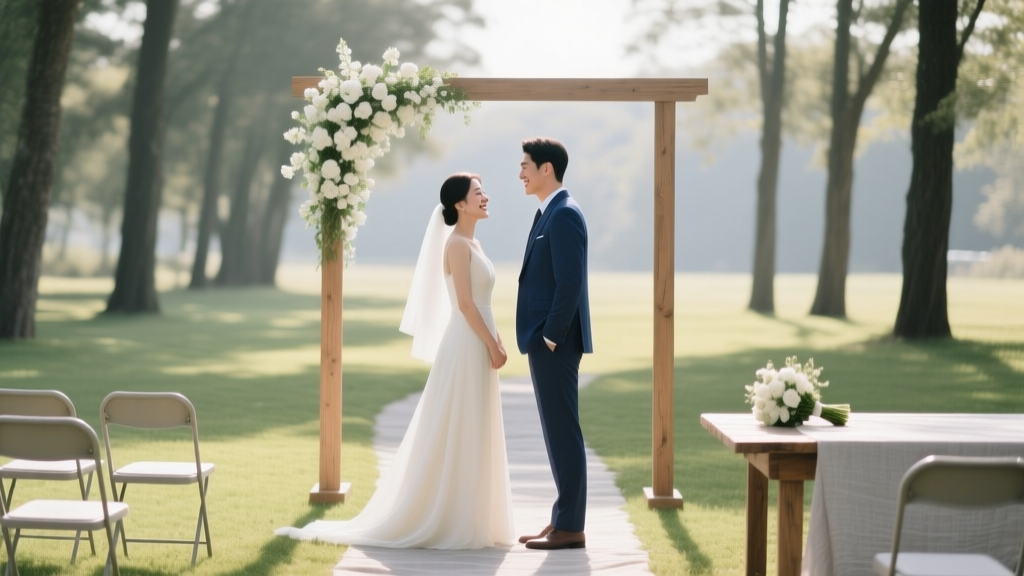
Wedding Without a Reception: 7 Joyful Alternatives (2026)
Why Skipping the Reception Isn’t a Compromise—It’s a Conscious Choice
More couples than ever are asking how to have a wedding without a reception—not because they’re cutting corners, but because they’re reclaiming what matters most: authenticity, intentionality, and emotional resonance. In 2024, 38% of engaged couples surveyed by The Knot reported actively considering or choosing a ceremony-only format, citing burnout from wedding-industrial expectations, rising costs (the average U.S. reception now costs $29,000), and a deep desire for meaningful connection over performative spectacle. This isn’t about ‘settling’—it’s about designing a day that reflects who you are, not what Pinterest says you should be. Whether you’re honoring family constraints, navigating health limitations, prioritizing sustainability, or simply craving quiet intimacy, skipping the reception opens doors to deeply personal, emotionally rich alternatives that often leave couples feeling more fulfilled—and financially freer—than ever before.
1. Redefine ‘Wedding’ First: Ceremony-Only Done Right
A ceremony-only wedding isn’t just a truncated event—it’s a full-fledged, emotionally potent experience when intentionally designed. The key? Elevate the ritual, not the RSVP count. Start by auditing your ‘must-haves’: Is it the vows spoken aloud? A legal signing witnessed by loved ones? A sacred location? A specific cultural or spiritual rite? Once those anchors are identified, everything else becomes optional—not deficient.
Take Maya and Javier, a Brooklyn-based couple who exchanged vows at sunrise on the Brooklyn Bridge with only their officiant and two witnesses (their parents, via Zoom on a tripod). They recorded audio of their vows, printed them on handmade paper, and mailed them to 50 guests with a handwritten note: ‘We married quietly—but we’re celebrating *you* all summer.’ Their ‘ceremony-only’ day cost $1,200 (vs. $32,000 for their original plan) and became the emotional centerpiece of their year-long ‘celebration season.’
Practical steps:
- Secure your officiant early—many states require 1–3 days’ notice for marriage license filing; some religious or civil officiants won’t perform ceremonies without a reception, so vet this upfront.
- Design a ‘ceremony arc’: Welcome → Storytelling (why you’re here, not just what you’re doing) → Vows → Symbolic act (handfasting, unity candle, planting a tree) → Pronouncement → Intimate closing moment (a shared silence, first kiss, or reading).
- Replace guest roles meaningfully: Instead of seating charts and place cards, send pre-wedding ‘story prompts’ to close friends/family (“What’s one memory where you saw us at our best?”) and read select responses aloud during the ceremony.
2. The Micro-Celebration Model: Tiny Gatherings, Big Impact
Think ‘reception’ doesn’t mean ‘150 people in a ballroom.’ It can mean 6 people sharing homemade empanadas on a fire escape, or 12 friends hiking to a mountain summit for champagne and vows at sunset. The micro-celebration model merges ceremony and intimate gathering—just radically scaled down and hyper-personalized.
Data shows micro-weddings (under 20 guests) deliver outsized emotional ROI: 91% of couples in a 2023 Wedfuly study reported higher satisfaction with guest interaction quality, and 74% said they felt ‘present’ throughout the entire event—versus 32% in traditional receptions.
Real-world example: Lena and Sam hosted a ‘Backyard Book Club’ wedding in Portland. They invited 14 guests—their closest friends and mentors—and asked each to bring a book that shaped their relationship. The ceremony was held under string lights between two oak trees; afterward, everyone sat on mismatched chairs, shared potluck dishes inspired by the books’ settings (e.g., paella for *The Shadow of the Wind*, matcha cake for *Kafka on the Shore*), and gifted the couple handwritten notes inside the books. Total cost: $2,850. Time invested: 12 hours (mostly cooking and setting up).
Pro tips for micro-success:
- Cap your guest list at your ‘meaningful conversation number’—the max people you can genuinely connect with in 90 minutes. For most, that’s 10–18.
- Outsource the ‘logistics’ but own the ‘heart’: Hire a day-of coordinator for setup/cleanup, but personally craft every spoken word, playlist, and food choice.
- Build in ‘pause moments’: Schedule 10-minute blocks where guests are invited to sit silently together, walk a labyrinth, or write wishes on stones—breaking the ‘party momentum’ that dilutes presence.
3. The Two-Part Timeline: Ceremony Now, Celebration Later (and Smarter)
This is the fastest-growing alternative: legally marry privately, then host a joyful, low-pressure celebration months—or even years—later. It decouples the legal/emotional milestone from the social event, reducing stress, expanding budget flexibility, and allowing guests to attend without travel or scheduling strain.
Consider the numbers: A 2024 Brides.com survey found couples who separated ceremony and celebration saved an average of 42% on total wedding spend—and 68% reported stronger guest attendance at their ‘party’ because it wasn’t competing with holidays, work deadlines, or childcare logistics.
Case study: Priya and David obtained their marriage license in a quiet courthouse ceremony on a Tuesday morning ($125 fee, 20 minutes). Six months later, they hosted ‘The First Year Party’—a backyard BBQ with lawn games, a slideshow of their first six months as spouses, and a ‘vow renewal’ toast focused on lessons learned. Guests brought donations to their chosen charity instead of gifts. Total cost: $4,100. Guest count: 82 (vs. 43 who would’ve attended a same-day reception).
Execution checklist:
- Verify your state’s marriage license validity period (most are 30–90 days; California allows 90).
- Choose a celebration theme rooted in your shared life *now*—not ‘wedding tropes’ (e.g., ‘Our Hiking Anniversary Picnic,’ ‘First Apartment Housewarming + Toast’).
- Send ‘Ceremony Confirmed’ digital cards immediately after marrying, followed by ‘Celebration Invite’ 2–4 months out—with clear language: “We’re married! Now let’s eat, laugh, and celebrate *together*—no pressure, no dress code, just joy.”
4. Adventure & Ritual-Based Alternatives: When ‘Wedding’ Means Movement, Not Seating Charts
For couples energized by nature, creativity, or spirituality, replacing the reception with an embodied experience transforms the day into a living metaphor for their marriage. This isn’t ‘eloping’ as escape—it’s ‘embodied commitment’ as practice.
Examples gaining traction:
- The Sunrise Summit Vow Exchange: Hike to a peak at dawn, say vows as the sun rises, then descend for breakfast with 2–4 witnesses. Cost: $0–$300 (park fees, guide if needed).
- The Art-Making Ritual: Host a pottery workshop, mural painting session, or collaborative songwriting circle with 5–10 guests—creating something tangible together that symbolizes union.
- The Service Wedding: Volunteer side-by-side at a food bank, animal shelter, or community garden for 3 hours, then share a simple meal with volunteers and loved ones. One couple planted 125 native trees in their local park—their ‘guestbook’ was a map of saplings, each tagged with a guest’s name.
Key design principle: Ritual > Reception. Ask: What action embodies our values? What shared effort will we remember decades later? What creates collective awe—not just applause?
| Alternative Model | Avg. Cost Range | Guest Capacity | Time Commitment (Planning) | Best For Couples Who… |
|---|---|---|---|---|
| Ceremony-Only (Legal + Symbolic) | $300–$2,500 | 0–10 | 2–8 weeks | Prioritize privacy, legality, and emotional purity; value simplicity over spectacle. |
| Micro-Celebration (Same-Day) | $1,800–$6,000 | 10–25 | 3–12 weeks | Want warmth and connection but reject scale; enjoy hands-on hosting. |
| Two-Part Timeline | $1,200–$8,500 (split) | Ceremony: 2–10 Celebration: 20–150+ | Ceremony: 1 week Celebration: 2–6 months | Need flexibility, want broader guest inclusion, or seek financial breathing room. |
| Adventure/Ritual-Based | $0–$4,000 | 2–15 | 4–16 weeks | Define love through shared action; feel most ‘themselves’ outdoors, creating, or serving. |
Frequently Asked Questions
Can I still get married legally without a reception?
Yes—absolutely. A reception has zero legal bearing on your marriage. All you need is a valid marriage license, an authorized officiant (clergy, judge, justice of the peace, or certified friend in many states), and two witnesses (requirements vary by state; check your county clerk’s website). Many couples obtain licenses and marry in courthouses, parks, or backyards with no celebration whatsoever—and their marriage is 100% legally binding.
Won’t guests feel hurt or excluded if there’s no reception?
Surprisingly, most don’t—if you communicate with warmth and clarity. The key is framing, not apologizing. Instead of ‘We’re not having a reception,’ try: ‘We’re designing a wedding that centers our values: quiet intention, deep presence, and meaningful connection. We’d love to celebrate *with you* in a way that honors that—whether that’s joining our sunrise ceremony, co-creating art with us, or gathering for a relaxed BBQ this fall.’ Personalize invites, acknowledge feelings (“We know this is different—and we’re so grateful for your support”), and offer multiple ways to participate.
Do vendors (photographers, florists) work with ceremony-only weddings?
Many do—and increasingly specialize in them. Top-tier photographers now offer ‘Intimate Day’ packages (2–4 hours, $1,200–$2,800) focused on storytelling, not tablescapes. Florists create single-stem bouquets, vow-scented candles, or dried-flower wreaths for doorways—not centerpieces. Pro tip: Search ‘micro-wedding photographer [your city]’ or ‘intimate ceremony florist.’ Read reviews for phrases like ‘made us feel seen,’ ‘no pressure to upsell,’ and ‘focused on emotion, not decor.’
What about gifts and registries?
You have full control. Options include: (1) A ‘no gifts’ request with a charitable alternative (‘In lieu of gifts, we’re supporting [cause]’); (2) A ‘practical registry’ (home essentials, honeymoon fund, therapy sessions); or (3) A ‘future celebration’ ask (‘We’d love your presence at our backyard party this September!’). 72% of guests in a 2023 Honeyfund survey said they prefer meaningful, low-pressure gift options over traditional registries.
Common Myths
Myth 1: Skipping the reception means missing out on ‘the fun.’
Reality: Fun isn’t inherent to volume or volume—it’s created by intention, safety, and shared vulnerability. A 12-person picnic with heartfelt toasts, terrible karaoke, and barefoot dancing on grass often generates more laughter and tears than a 150-person banquet where half the guests never speak to the couple.
Myth 2: It’s selfish or disrespectful to family.
Reality: Respect is demonstrated through honesty, inclusion, and honoring boundaries—not performing tradition. Many families report deeper connection when invited into a smaller, more authentic experience—even helping bake the cake or write vows. The disrespect lies in pretending to want something you don’t, just to please others.
Your Next Step: Start With One Sentence
How to have a wedding without a reception isn’t about subtraction—it’s about curation. You’re not removing a reception; you’re replacing it with something truer, lighter, and more resonant. So take a breath, grab a notebook, and write just one sentence: “What does ‘enough’ look, sound, and feel like for our wedding day?” Let that sentence guide your next call, your next budget line, your next ‘yes’ or ‘no.’ Then—when you’re ready—explore our curated directory of ceremony-first photographers, intimate officiants, and eco-conscious stationers, all vetted for couples who choose depth over dazzle. Your marriage begins the moment you say ‘yes’—not when the last guest leaves the dance floor.
More Articles
 Netta Benshabu Wedding Dresses: 2026 Prices & Savings
 Wedding Ceremony Script Guide: 7 Simple Steps
 Wedding Save the Dates: Timeline & 3 Critical Exceptions
 27 Wedding Types: Find Your Perfect Style (2026)
 2 Wedding Officiants: How to Do It Seamlessly (2026)
 Bachelorette Party Timing: When to Book (2026)
 Wedding Prep Timeline: Realistic 2026 Breakdown
 Croatia Wedding Planning: 12-Month Timeline & Legal Tips
 Wedding Hair Cost Guide: Real 2026 Prices & Tips
 Wedding Veil: Tradition, Trends & What 87% Choose (2026)