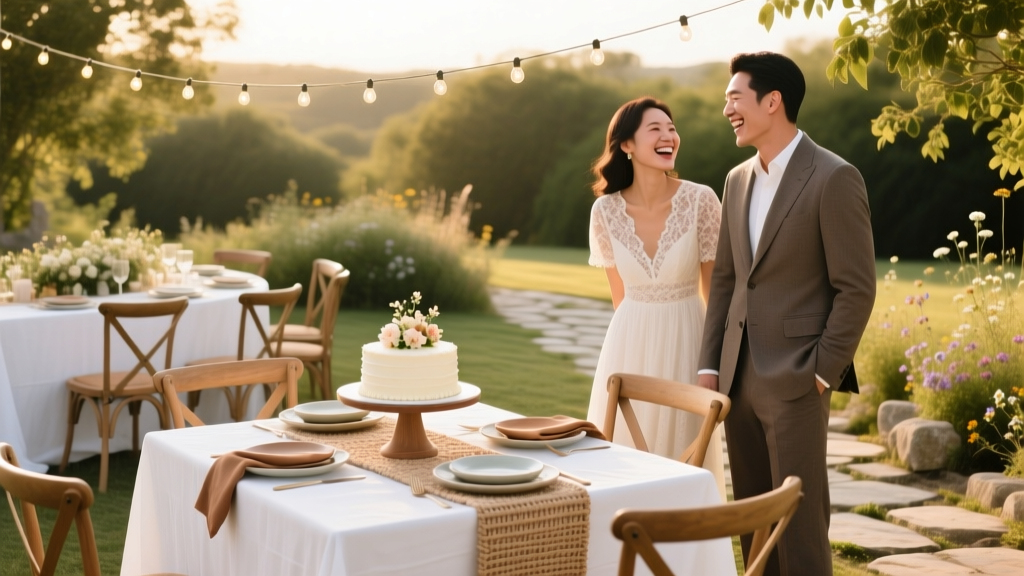
Affordable Wedding Reception Ideas (2026)
Why 'Affordable' Doesn’t Mean 'Compromised'—Especially in 2024
With the national average wedding reception costing $22,500 (The Knot 2023 Real Weddings Study) and inflation pushing catering and venue fees up 18% year-over-year, how to have an affordable wedding reception isn’t just a nice-to-know—it’s a financial necessity for 68% of engaged couples who now cite cost as their top stressor (Brides 2024 Budget Survey). But here’s what most blogs won’t tell you: affordability isn’t about cutting corners—it’s about reallocating intention. The couples who pulled off stunning, emotionally resonant receptions for $6,800–$9,300 didn’t skip the cake or serve punch from a jug. They redesigned the system—choosing timing over tradition, intimacy over scale, and creativity over conformity. In this guide, you’ll get field-tested tactics—not theory—with exact dollar savings, vendor negotiation scripts, and real-time budget tracking tools you can use starting today.
1. Venue Strategy: Ditch the Ballroom, Double Down on Value
Here’s the hard truth: your venue accounts for 42% of your total reception spend (WeddingWire 2023 Vendor Report), making it the single largest lever for affordability. Yet most couples default to Saturday-evening ballrooms without questioning if that space—or that timing—actually serves their vision. Take Maya & Javier, who saved $7,200 by booking a historic library’s sun-drenched reading room on a Friday afternoon. They served brunch-style platters instead of plated dinner, used natural light for ambiance (no uplighting rental), and hosted 45 guests instead of 120—keeping the energy warm and conversational.
Instead of asking “Where do we want to get married?”, ask: “What feeling do we want our guests to leave with—and what space, time, and size best deliver that?” That question unlocks three high-impact alternatives:
- Off-peak days & times: Fridays, Sundays, or weekday evenings cut venue fees by 30–50%. Bonus: many caterers offer package discounts for non-Saturday bookings.
- Non-traditional spaces: Art galleries, community centers, botanical gardens (off-season), even well-maintained backyards—especially when paired with a BYO-alcohol policy—slash costs dramatically. Pro tip: Use Peerspace or Splacer to vet insured, permit-ready locations with built-in amenities.
- Hybrid venue + catering models: Book a restaurant with private dining rooms (e.g., a beloved local bistro) that includes food, service, and tables/chairs in one flat rate—eliminating 3–4 separate vendor contracts and markups.
Remember: A venue isn’t just a backdrop—it’s the foundation of your guest experience. Prioritize acoustics, accessibility, and flow over square footage. One couple transformed a converted warehouse loft using rented string lights, mismatched vintage chairs, and a DIY photo booth backdrop made from thrifted frames—they spent $1,900 on ‘venue’ (including insurance and cleanup) versus the $6,400 quote they’d received for a country club.
2. Food & Beverage: Serve Flavor, Not Formality
Catering eats up 28% of the average reception budget—but it doesn’t have to. The biggest myth? That ‘affordable’ means buffet lines and boxed wine. Reality: smart food strategy focuses on per-guest value, not per-item cost. Consider Lena & Sam, who hosted 62 guests at a family-owned pizzeria with a private garden. Their ‘menu’: three signature wood-fired pizzas (margherita, roasted veggie, spicy soppressata), house salad with lemon-herb vinaigrette, and a build-your-own gelato bar with local toppings. Total food & beverage cost: $2,140 ($34.50/guest)—versus $5,800+ for traditional plated service at the same guest count.
Here’s how to replicate that value:
- Choose format first, menu second. Family-style service cuts labor costs by 35% vs. plated; food trucks add energy and reduce staffing needs; heavy hors d’oeuvres + dessert-only receptions (think elevated cocktail hour) work beautifully for smaller groups or late-night celebrations.
- Negotiate alcohol smartly. Skip open bar guilt—offer a signature cocktail + wine/beer only, or go fully cash bar (with clear, elegant signage: “To keep our celebration joyful and sustainable, we’re offering craft beer, local wine, and two seasonal cocktails—non-alcoholic options always available”). One couple saved $1,850 by serving only local cider and sparkling water with infused fruit.
- Embrace seasonal, regional, and ‘ugly produce’. Work with caterers who source from nearby farms—spring asparagus, summer tomatoes, fall squash. ‘Imperfect’ produce (slightly misshapen heirloom carrots, knobby beets) costs 20–30% less and tastes identical. Bonus: it tells a story guests remember.
And never underestimate dessert-as-experience: Instead of a $1,200 tiered cake, try a donut wall ($280), mini pie station ($320), or gourmet s’mores bar ($190). You’ll get more servings, higher engagement, and Instagram-worthy moments—for less.
3. Timeline & Guest List: The Silent Budget Multipliers
Your guest list size and event duration are stealth budget amplifiers. Each additional guest adds ~$145–$210 in food, seating, rentals, and favors (The Knot Cost Guide). And every extra hour of rental time incurs $150–$400 in overtime fees, staffing, and lighting. Yet 73% of couples grow their lists during planning—often out of obligation, not intention.
Try this values-based filtering exercise: For each invitee, ask: “Will their presence deepen the meaning of this day for us—or simply check a box?” Then apply the ‘Two-Hour Rule’: design your reception to feel full, rich, and complete in under 120 minutes. Shorter doesn’t mean rushed—it means intentional pacing.
Amy & Dev did exactly that. Their 90-minute ‘Sunset Soirée’ featured: 20 mins of mingling with passed appetizers, 35 mins seated dinner (family-style, no speeches), 15 mins first dance + group photos, and 20 mins dancing + dessert. No DJ—just a curated Spotify playlist through high-quality portable speakers ($120 rental). No valet, no coat check, no printed programs. Total savings: $4,300—and guests raved about how ‘present’ and unhurried it felt.
Also consider splitting the celebration: Host a small, legal ceremony + intimate dinner for 20, then a larger, low-cost Sunday brunch or picnic for extended friends/family. You honor relationships without inflating core costs.
4. DIY, Rentals & Vendor Partnerships: Where Smart Effort Pays Off
DIY isn’t about glue guns and Pinterest panic—it’s about strategic delegation. Focus effort where it delivers emotional ROI (your vows, playlist, guest book) and outsource where expertise prevents costly mistakes (tents, lighting, AV).
Start with rentals: Renting linens, glassware, and chairs through companies like Borrowed Blu or Party Rental Ltd. costs 40–60% less than buying—and avoids storage headaches. For décor, rent statement pieces (a floral arch, lounge furniture) and supplement with thrifted vases, dried florals (30% cheaper than fresh), and greenery from local nurseries.
Vendor partnerships are your secret weapon. Tell your photographer: *“We love your storytelling style—and we’d love to explore a ‘mini-session’ package: 2 hours of coverage, digital gallery only, no album.”* Many will offer 20–30% discounts for streamlined offerings. Same for florists: request ‘greenery-forward’ arrangements with 1–2 focal blooms instead of dense roses. One couple reduced floral spend from $2,600 to $890 by using olive branches, eucalyptus, and seasonal scabiosa.
And never underestimate the power of barter: Offer your graphic designer friend free logo design in exchange for custom invitation suite design. Trade your copywriting skills for a baker’s mini-cake tasting. These aren’t ‘cheap’ moves—they’re relationship-building investments that reflect your values.
| Strategy | Typical Cost (Avg. 100-Guest Event) | Affordable Alternative | Real Savings | Key Consideration |
|---|---|---|---|---|
| Venue (Saturday ballroom) | $8,500 | Friday afternoon art gallery rental | $4,200 | Confirm insurance requirements & load-in access |
| Plated dinner catering | $6,200 | Family-style Italian dinner at local trattoria | $2,900 | Verify private room minimums & corkage fees |
| Open bar (4 hrs) | $3,800 | Signature cocktail + wine/beer only | $1,450 | Calculate per-guest beverage consumption (avg. 2.3 drinks) |
| Traditional wedding cake | $1,200 | Gourmet cupcake tower + mini pies | $420 | Include vegan/gluten-free options in base price |
| Full-service DJ + lighting | $2,600 | Curated playlist + premium Bluetooth speaker rental | $320 | Test audio quality in venue space beforehand |
Frequently Asked Questions
Can I really have an affordable wedding reception without sacrificing quality?
Absolutely—and quality often improves. When you redirect funds from generic upgrades (e.g., crystal glassware for 120 people) to meaningful details (handwritten place cards, locally sourced honey favors, a live acoustic duo), guests notice the care—not the cost. Quality lives in intentionality, not line items. Case in point: Rachel & Tom spent $8,900 on their reception and received 17 unsolicited compliments about ‘how personal and warm it felt’—all because they chose a backyard venue with string lights, homemade lemonade stations, and a slideshow of childhood photos playing softly in the background.
What’s the single biggest mistake couples make when trying to save money?
They wait until 3 months before the wedding to negotiate or pivot—and then panic-spend on last-minute ‘discount’ vendors who overpromise and underdeliver. Affordability is built in the first 90 days: lock in your guest count, choose your date/time, define your non-negotiables (e.g., ‘must have great food’ or ‘must feel inclusive for elders’), and then shop vendors against those criteria. Early clarity prevents expensive scope creep.
Are all-inclusive venues actually cheaper?
Not always—and ‘all-inclusive’ often hides upsells. Always request an itemized breakdown: Does ‘tables & chairs’ include linens, setup, and teardown? Is cake cutting fee waived? Is parking included—or $25/guest? Compare line-by-line against à la carte quotes. One couple discovered their ‘all-inclusive’ resort package added $1,800 in mandatory service fees and tax—not disclosed upfront. Transparency beats convenience every time.
How much should I realistically budget for an affordable reception?
‘Affordable’ is deeply personal—but data shows strong emotional resonance begins at $5,000–$7,500 for 40–60 guests (The Knot 2023 Regional Cost Report). Below $4,000, logistics get tight (e.g., no professional catering, limited rentals). Above $10,000, you’re likely adding luxury layers—not core experience. Focus less on the number and more on your ‘joy-per-dollar’ ratio: What $100 investment makes you smile hardest when you picture it?
Common Myths
Myth #1: “You have to feed everyone a full meal.”
Reality: A thoughtfully designed heavy hors d’oeuvres menu (e.g., grilled shrimp skewers, stuffed mushrooms, charcuterie boards, artisanal cheeses) satisfies guests just as well—and costs 35% less than plated dinner. It also encourages mingling and feels more modern and relaxed.
Myth #2: “Affordable means no professional help.”
Reality: Hiring a month-of coordinator ($1,200–$1,800) often saves $3,000+ by preventing vendor no-shows, timeline meltdowns, and last-minute rentals. Think of it as insurance—not expense.
Your Next Step Starts With One Decision
You now know that how to have an affordable wedding reception isn’t about deprivation—it’s about discernment, design, and deliberate joy. You’ve seen how venue timing, food format, guest list rigor, and vendor collaboration compound into real savings—without dimming the magic. So don’t scroll another blog post. Open your notes app *right now* and write down: One thing I can decide today that aligns my budget with my values. Maybe it’s finalizing your guest list cap. Maybe it’s emailing three non-Saturday venues. Maybe it’s drafting your ‘why’ statement to guide every future decision (“We prioritize connection over formality” or “We celebrate community, not consumption”). That single choice is your leverage point. And when you act on it—consistently, kindly, and clearly—you won’t just host an affordable reception. You’ll host the one that feels unmistakably, unforgettably yours.
More Articles
 Wedding Dress When Losing Weight: Stress-Free Guide
 Ugly Carpet Wedding Cover: 7 Budget Fixes (2026)
 Wedding Dance Planning: Stress-Free Framework (2026)
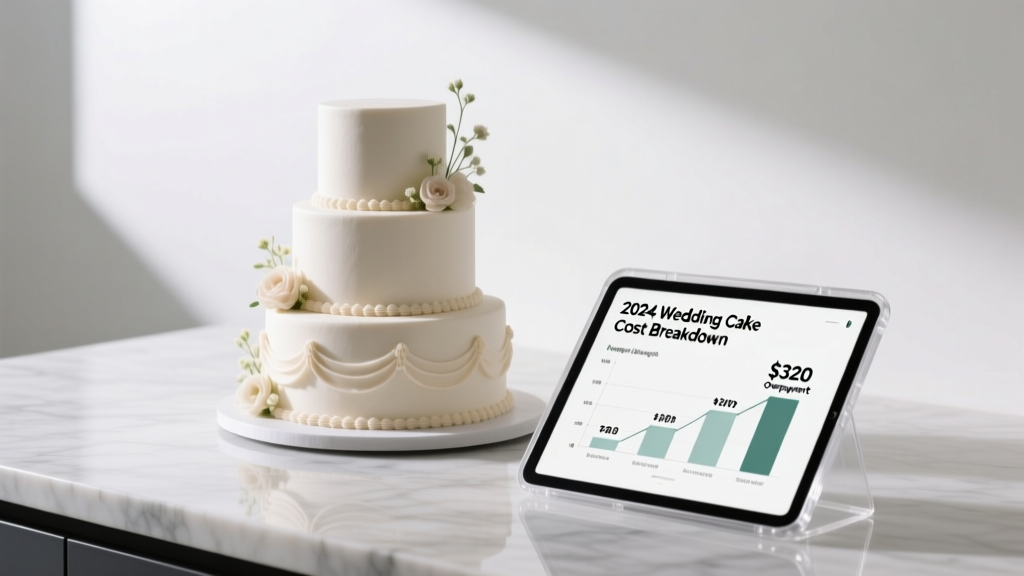 Wedding Cake Cost Breakdown (2026) | Save $320
 How to Create a Wedding Photo Book You Will Treasure Forever
 What to Wear to Wedding After Party (2026)
 Amazon Wedding Registry Public: 5-Step Fix (2026)
 Wedding Reception Cost 2026: Real Data from 1,247 Couples
 How to Plan a Wedding on a Weekday to Save Money
 Beach Formal Wedding Attire: Fabric, Fit & Footwear Rules