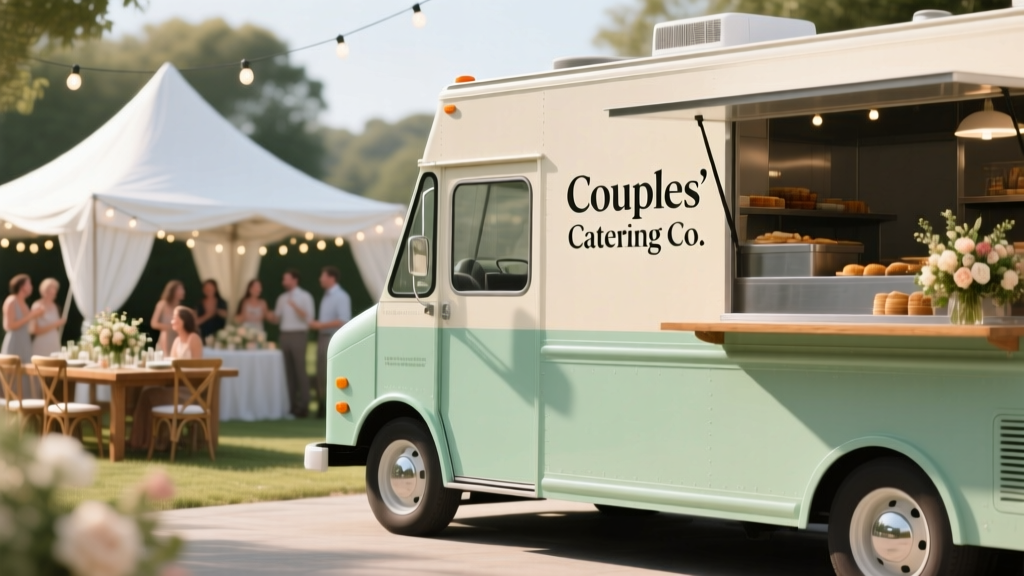
Food Truck Wedding Catering Guide (2026)
Why Food Trucks Are Reshaping Wedding Catering in 2024 (And Why You Might Be Overlooking the Biggest Risk)
If you’ve ever scrolled through Pinterest or watched a friend’s wedding video and thought, “That taco truck looked amazing—and way more fun than a plated dinner”, you’re not alone. In fact, 68% of couples planning weddings in 2024 are seriously considering food trucks—not just as dessert add-ons, but as full-service catering. But here’s what most blogs won’t tell you: how to have food trucks at your wedding isn’t just about booking a cute vintage van. It’s about navigating health department variances, coordinating service windows across 3+ vendors, managing guest flow during peak dining hours, and building in contingency plans for rain, power loss, or a truck breakdown 90 minutes before cocktail hour. This isn’t ‘just catering with wheels’—it’s event logistics disguised as flavor. And the couples who get it right don’t just serve great food—they create the most talked-about moment of their entire wedding day.
Step 1: Align Your Vision With Reality (Before You Even Contact a Single Truck)
Start by asking yourself three non-negotiable questions—not ‘What do I love?’ but ‘What will actually work?’
- Guest count & flow: Food trucks thrive with 50–150 guests. Beyond 175, you’ll need 3+ trucks or hybrid service (e.g., trucks + buffet stations) to avoid 20-minute lines. At 200+ guests, most reputable trucks decline bookings unless paired with a licensed commissary kitchen for prep support.
- Venue compatibility: Not all venues allow food trucks—and those that do often require specific insurance riders, designated parking zones (minimum 20’ x 30’ per truck), and noise waivers. One couple in Asheville lost their $1,200 deposit because their barn venue required a 50-foot buffer from the ceremony site—and the only available spot was on gravel that sank two inches under the truck’s weight.
- Menu cohesion: Avoid ‘taco truck + cupcake van + coffee cart’ unless you’ve intentionally designed a ‘global street food’ theme. Guests remember disjointed experiences. Instead, lean into synergy: a Korean BBQ truck + kimchi slaw bar + soju cocktails; or a Southern smokehouse truck + bourbon tasting station + peach cobbler bike.
Pro tip: Use a ‘truck compatibility scorecard’ (we’ll detail it below) to vet venues and vendors side-by-side—before signing anything.
Step 2: Navigate Permits, Insurance, and Paperwork Like a Pro (Not a Panic-Stricken Bride)
This is where most DIY planners hit the wall. Food trucks operate under layered jurisdiction: city health departments, county fire marshals, state mobile food facility licenses, and often, private venue requirements. The good news? You don’t need to be a lawyer—but you *do* need to know which documents belong to whom.
Here’s the hard truth: Your venue is NOT responsible for verifying your truck’s permits. That liability falls squarely on you—the client. A 2023 survey of 112 wedding planners found that 41% had at least one wedding delayed or disrupted due to expired or mismatched permits.
Required documentation (non-negotiable):
- Mobile Food Facility Permit (issued by county health dept)—valid for 12 months, requires annual inspection.
- Business License & Seller’s Permit (state-level, for collecting sales tax).
- General Liability Insurance ($1M minimum), with your venue named as additional insured.
- Food Handler Cards for all staff serving food (not just the owner).
- Venue-specific rider: Many venues now require a ‘Truck Operations Addendum’ covering waste disposal, generator use, propane storage, and cleanup timelines.
Smart move: Ask vendors to email you PDFs of *all active permits*—then upload them to a shared Google Drive folder labeled “Wedding Truck Compliance.” Cross-check expiration dates against your wedding date. If a permit expires within 60 days, request proof of renewal application.
Step 3: Design a Seamless Guest Experience (Timing, Layout & Flow)
Forget ‘set it and forget it.’ A food truck wedding lives or dies by pacing. Here’s how top-tier planners engineer the experience:
Timing is everything. Unlike traditional catering, trucks can’t hold hot food for hours. Service windows must be tight, intentional, and staggered. Example from a real Lake Tahoe wedding (120 guests):
- Cocktail Hour (4:30–5:30 PM): Two trucks open—gourmet grilled cheese + tomato bisque (comfort), and craft margarita cart (beverage). No lines: pre-ordered ‘tasting tickets’ scanned at window.
- Dinner Window (6:00–7:15 PM): Three trucks rotate 25-minute shifts: Thai street noodles → wood-fired flatbreads → vegan jackfruit birria. Each serves ~40 guests. Staff use QR-coded wristbands so guests scan and choose pickup time.
- Dessert & Late-Night (9:00–11:00 PM): Churro bike + affogato cart. Open until midnight—low-pressure, no lines, high delight.
Layout matters just as much. Trucks need:
- Minimum 10’ clearance from guest pathways
- Level, paved or compacted gravel surface (no grass—trucks sink, generators stall)
- Access to water source (for handwashing, not cooking) OR certified potable water tanks
- Designated trash/recycling/compost zones (vendors rarely haul waste offsite)
Real-world fix: At a Napa vineyard wedding, planners used hay bales and string lights to create a ‘food alley’—separating truck service from dancing and seating, reducing cross-traffic by 70% and cutting average wait time from 12 to 3.5 minutes.
Step 4: Budget Smarter—Not Just Cheaper
Yes, food trucks *can* save money—but only if you negotiate strategically. Average costs (2024 national data from The Knot Vendor Report):
| Service Model | Avg. Cost Per Person | Includes | Hidden Fees to Watch For |
|---|---|---|---|
| Single Truck (Full Dinner) | $24–$38 | Entree + 1 side + basic beverage | Fuel surcharge ($75–$200), staffing overtime ($35/hr after 8 hrs), weekend premium (+15%) |
| Two-Truck Combo | $32–$49 | Entrée A + Entrée B + shared sides/beverages | Coordination fee ($150–$300), dual-truck parking fee ($120 avg) |
| Truck + Station (e.g., truck + salad bar) | $41–$62 | Hot entrée + fresh build-your-own station | Commissary kitchen fee ($200–$500), additional health permit for stationary element |
| Luxury Fleet (3+ trucks, branded signage, custom menus) | $58–$89 | Full service, premium ingredients, dedicated staff, branded napkins/boxes | Branding design fee ($250), extended service window fee ($180/hr), alcohol license add-on ($450–$900) |
The biggest budget leak? Assuming ‘per person’ includes everything. Always ask: ‘Does this quote include staffing, service ware, linens, setup/breakdown labor, and gratuity?’ One couple in Portland paid $1,840 extra because their quote excluded compostable plates and utensils—a $2.10/item upcharge they didn’t see until week-of.
Smart savings hack: Book trucks with shared commissary kitchens. These vendors often offer bundled pricing for multi-truck events (e.g., ‘Taco Trio Package’ at 12% discount) and handle inter-truck coordination internally—saving you 10+ hours of email negotiation.
Frequently Asked Questions
Can food trucks serve alcohol at my wedding?
Yes—but it’s highly regulated and rarely handled by the truck itself. Most food trucks lack liquor licenses. Instead, hire a licensed third-party bartender (TIPS-certified, insured) who sources beer/wine/spirits from a licensed wholesaler and serves from a separate bar station near the truck. Some states (like CA and TX) allow ‘beer/wine only’ endorsements on mobile food permits—but these require separate applications, security plans, and ID-check protocols. Never assume your taco truck can pour margaritas—verify licensing *in writing* before signing.
What if it rains—or the truck breaks down?
Weather and mechanical failure are the top two stressors—and the easiest to mitigate. First, require every truck contract to include a Force Majeure Clause specifying backup options: e.g., ‘Vendor will provide same-menu meals via insulated delivery within 90 minutes of confirmed failure.’ Second, secure a rain plan *with your venue*: heated tents with flooring, indoor staging areas, or adjacent commercial kitchens with prep access. One couple in Seattle booked a backup ‘kitchen trailer’ (a fully equipped, climate-controlled trailer parked onsite) for $495—it sat unused, but gave them full peace of mind.
Do food trucks accommodate dietary restrictions?
Absolutely—and often better than traditional caterers. Because trucks specialize (e.g., vegan soul food, gluten-free wood-fired pizza), they’re built to scale dietary options without cross-contamination. Ask for their allergen matrix: a chart showing which menu items are GF, DF, nut-free, soy-free, etc.—and confirm they use color-coded gloves, separate prep surfaces, and dedicated fryers. Bonus: many trucks offer ‘allergy-safe upgrade’ add-ons (e.g., $3.50 for GF tortillas, $2.75 for seed-based cheese) instead of charging full menu premiums.
How far in advance should I book food trucks?
Book 9–12 months out for peak season (May–October, weekends). Popular trucks in metro areas (LA, NYC, Austin, Denver) book up 14+ months ahead—and many cap at 3–5 weddings per season to maintain quality. Don’t wait for your venue contract to be signed. Start vendor research *before* finalizing your date. Use tools like Roaming Hunger or Truckster to filter by cuisine, capacity, and verified reviews—and message 5–7 trucks simultaneously with your date, guest count, and venue name. Their response speed tells you everything about their responsiveness and availability.
Can I customize the menu—or request signature dishes?
Yes, and you should. Reputable trucks treat weddings as collaborative creative projects—not just another gig. Bring inspiration photos, flavor profiles (‘We love smoky, spicy, and bright citrus notes’), or even family recipes. Most will develop 2–3 custom menu options at no extra cost. One couple in Charleston worked with a Lowcountry boil truck to create ‘Wedding Grits’—stone-ground heirloom grits with shrimp, tasso ham, and pickled okra—served in monogrammed mini cast-iron skillets. That dish became the #1 Instagram tag of their wedding.
Common Myths
Myth 1: “Food trucks are cheaper than traditional catering.”
Reality: They’re *priced differently*, not universally cheaper. While base food costs may be lower, add in staffing, fuel, insurance, permits, rentals, and coordination—and total spend often lands within 5–10% of mid-tier plated catering. The real value isn’t cost—it’s authenticity, flexibility, and guest engagement.
Myth 2: “Any food truck will work—I’ll just pick the cutest one.”
Reality: Aesthetic ≠ operational readiness. That pastel-painted ice cream truck may not have a commercial-grade generator, grease trap, or health permit valid for private events. Always verify operational credentials—not just Instagram aesthetics—before falling in love.
Your Next Step Starts Now—Not 6 Months From Today
You now know how to have food trucks at your wedding—not as a novelty, but as a deeply intentional, well-engineered centerpiece of your celebration. You understand the permits that protect you, the layouts that delight guests, the contracts that prevent chaos, and the questions that separate dreamy ideas from executable plans. So don’t wait for ‘perfect timing.’
Take action today: Open a new note titled ‘Truck Vetting Tracker,’ copy the 7-point checklist below, and reach out to *one* truck that aligns with your vibe—even if your date isn’t locked in. Ask for their 2024 availability calendar and sample contract. That single email starts the real work—and the real magic.
Because the best weddings aren’t the ones with the most trucks… they’re the ones where every bite feels personal, every line moves smoothly, and every guest says, ‘I’ve never tasted anything like this at a wedding.’
More Articles
 Wedding Details Card: 7-Step Stress-Free Template (2026)
 How to Plan a Wedding on a Weekday to Save Money
 How Many Rooms to Block for a Wedding (2026)
 Destination Wedding Guest Stay: Real Duration & Planner
 Macy’s Wedding Dresses: Size, Price & Alteration Tips (2026)
 Wedding Coordinator Cost: What $1,200–$3,800 Buys (2026)
 Dark Blue Wedding Attire: Etiquette & Perfect Shade (2026)
 Wedding Dress Cleaning Cost (2026): $125–$595
 Do You Tip Your Wedding Florist? (2026)
 When To Send Invitations For Wedding (2026)