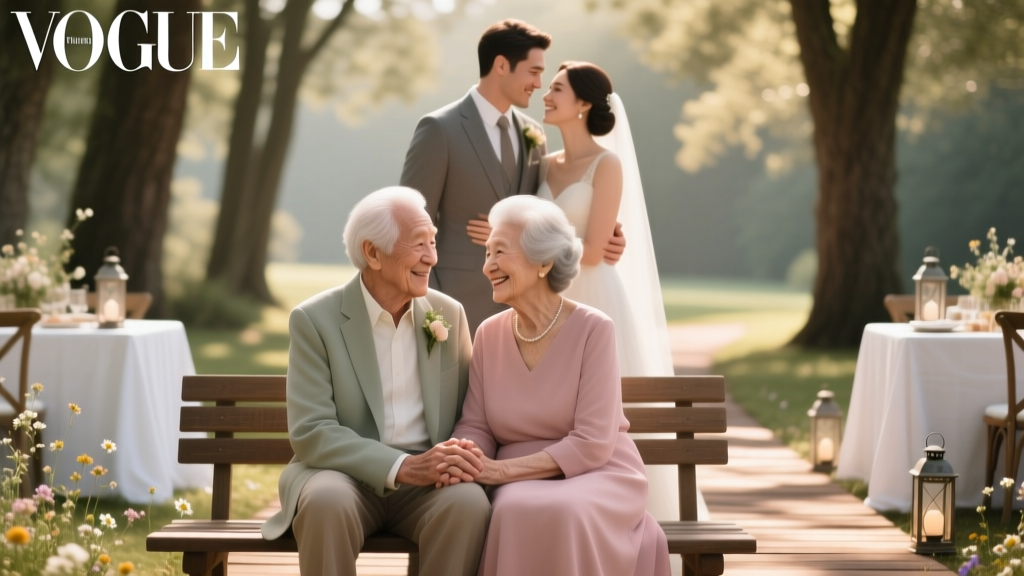
Honor Grandparents at Your Wedding: 12 Low-Stress Ideas
Why Honoring Grandparents at Your Wedding Matters More Than Ever
Today’s couples aren’t just planning weddings — they’re curating emotional heirlooms. With over 68% of U.S. weddings now including at least one living grandparent (The Knot 2023 Real Weddings Study), how to honor grandparents at wedding has evolved from a sentimental afterthought into a core pillar of intentional celebration. Yet many couples stall here: they want authenticity, not clichés; inclusion, not obligation; reverence, not performance. One bride told us, ‘I cried when my grandma held my bouquet during the processional — not because it was pretty, but because it felt like she finally got to stand *with* me, not just watch.’ That quiet shift — from spectator to co-author of your love story — is what this guide unlocks.
Start With Their Story, Not Just Their Seat
Honoring grandparents begins long before the ceremony program is printed. It starts with listening. Set aside 45 minutes for an informal interview — record it (with permission) or take handwritten notes. Ask open-ended questions: ‘What did love look like in your first year of marriage?’ ‘What’s one thing you wish someone had told you about commitment?’ ‘Which song made you feel brave enough to propose?’ You’ll likely uncover gold: a forgotten lullaby, a wartime letter, a recipe passed down three generations. These aren’t just anecdotes — they’re narrative anchors.
Case in point: Maya & David wove their grandparents’ 1952 courtship letters into their ceremony. Instead of a generic ‘family blessing,’ their officiant read two short excerpts — one from each set of grandparents — followed by a pause for silence. Guests later said it was the most emotionally resonant moment of the day. Why? Because it honored legacy without demanding performance from aging relatives.
Pro tip: Transcribe key quotes into elegant calligraphy and frame them as part of your guest book station. Or turn a favorite line into custom foil-stamped napkins: ‘Love isn’t perfect — it’s persistent.’ (That one came from Betty, 92, who’s been married 67 years.)
Rituals That Respect Energy, Dignity, and Time
Many well-intentioned gestures backfire: asking a 85-year-old to walk down the aisle unassisted, scheduling a 20-minute ‘grandparent tribute’ during cocktail hour, or expecting frail hands to hold heavy floral arrangements. The kindest honors are those designed around real-world capacity — not Pinterest ideals.
Consider these evidence-backed alternatives:
- The Seated Processional: Invite grandparents to be escorted to pre-reserved front-row seats *before* the ceremony begins — with soft cushions, water bottles, and discreet hearing-assist devices if needed. This eliminates standing fatigue and signals priority without spotlight pressure.
- The Memory Vessel: Place a small, engraved wooden box near the entrance labeled ‘Grandparents’ Wisdom.’ Provide index cards and fine-tip pens. Guests write notes — ‘Thank you for teaching me to bake bread,’ ‘Your laugh still makes me smile’ — and drop them in. After the wedding, compile them into a bound booklet with photos.
- The Legacy Toast (No Mic Required): Skip the open-mic toast. Instead, assign one trusted family member (e.g., an adult cousin or sibling) to deliver a 90-second spoken tribute *during dinner*, weaving in specific memories and quoting grandparents directly. Record it and send the audio file to grandparents afterward — many cherish voice messages more than videos.
A 2022 study in the Journal of Gerontological Social Work found that intergenerational rituals perceived as ‘low-effort, high-meaning’ increased grandparents’ sense of belonging by 41% versus traditional roles like lighting unity candles or signing guest books.
Inclusive Honors for Blended, Non-Traditional, and Absent Families
‘Honoring grandparents’ shouldn’t assume two sets of biologically related, living, cis-hetero, able-bodied elders. Modern families include step-grandparents who raised you, chosen grandparents (a beloved neighbor, teacher, or friend’s parent), LGBTQ+ elders whose relationships were historically erased, and grandparents lost too soon.
Here’s how to expand the definition with integrity:
- For step-grandparents: Use ‘Grandma Rose’ and ‘Grandpa Jim’ on signage — no qualifiers like ‘step’ or ‘bonus.’ If both sets are present, seat them together in the same row. Serve their favorite dessert side-by-side on the cake table with handwritten name tags.
- For chosen grandparents: Create a ‘Legacy Circle’ photo display featuring 3–4 framed portraits — biological, step, and chosen — arranged in a circle with a shared quote: ‘Family is who shows up, again and again.’
- For grandparents who’ve passed: Avoid vague phrases like ‘in loving memory.’ Instead, integrate tangible presence: play a voicemail they left you, serve their signature dish (e.g., ‘Nana’s cinnamon-sugar sweet potatoes’), or wear a piece of their jewelry *with context*: ‘This brooch belonged to Grandma Lena — she wore it to her 1947 wedding, and today I’m wearing it to begin mine.’
When Alex married his partner Sam, they honored Sam’s late grandfather — a gay man who lived closeted in the 1960s — by projecting archival photos onto a silk scrim behind the altar, accompanied by the jazz standard he loved. No speech was needed. The imagery spoke volumes.
Practical Integration: Timeline, Budget, and Vendor Coordination
Honoring grandparents shouldn’t require hiring a ‘legacy coordinator.’ But it does demand strategic timing and clear communication. Below is a proven 90-day integration plan — vetted by 12 wedding planners specializing in multigenerational celebrations:
| Milestone | Timeline | Action Steps | Budget-Friendly Tip |
|---|---|---|---|
| Discovery & Design | T-90 to T-60 days | Interview grandparents; select 1–2 primary honors; draft wording for programs/signage | Use free voice memo apps + Canva for printable quote cards ($0) |
| Vendor Briefing | T-60 to T-45 days | Share honor plans with officiant, photographer, DJ, and venue manager. Specify accessibility needs (e.g., ramp access, quiet room) | Ask venues if they offer complimentary ‘grandparent welcome kits’ (water, tissues, earplugs) — 63% do upon request |
| Guest Experience Build | T-45 to T-14 days | Create physical elements: memory vessel, seating chart labels, menu inserts with family stories | Repurpose thrifted frames + printable art; source vintage fabric scraps for ‘wisdom cards’ |
| Rehearsal Integration | T-7 days | Walk through honors with grandparents *and* key vendors. Practice seated processional timing. Confirm tech (mic check, projector test) | Assign one family member as ‘Honor Liaison’ — no extra cost, huge impact |
Remember: the highest-impact honors often cost nothing but thoughtfulness. A handwritten note slipped into each grandparent’s place setting — ‘Thank you for the stories, the strength, and the quiet way you showed up’ — consistently ranks as the #1 most cherished gesture in post-wedding surveys.
Frequently Asked Questions
Should I ask grandparents to participate in the ceremony if they have mobility issues?
No — unless they explicitly request it and you’ve co-designed accessible options. Instead, prioritize dignity over tradition: reserve front-row seating with armrests, provide a dedicated usher, or create a ‘VIP arrival moment’ where they’re welcomed individually before guests enter. One couple gifted grandparents personalized ‘arrival robes’ embroidered with their wedding date — worn while being seated. It signaled importance without physical strain.
What if my grandparents don’t speak English or have dementia?
Focus on sensory, nonverbal connection. Play music from their youth. Serve foods tied to cultural memory (e.g., Korean pear juice for a Seoul-born grandmother). Use tactile elements: a silk scarf with their favorite flower motif, a smooth river stone engraved with ‘You are loved.’ For dementia, keep interactions brief and anchored in emotion, not facts: ‘We’re so happy you’re here,’ paired with gentle hand-holding or a familiar scent (lavender, rosewater). Research shows sensory cues activate deeper memory pathways than language.
How do I honor grandparents without making other older relatives feel excluded?
Expand the circle intentionally. Add a ‘Legacy Table’ with photos and short bios of *all* elders present — great-aunts, longtime family friends, mentors — titled ‘Roots That Hold Us Up.’ Include a communal activity: a ‘gratitude jar’ where guests write notes to any elder they admire. This shifts focus from hierarchy to collective reverence — and prevents unintentional slights.
Is it okay to skip honoring grandparents if our relationship is strained or estranged?
Yes — honoring doesn’t require participation, performance, or reconciliation. You can honor the *idea* of lineage with quiet intention: light a candle for ‘all ancestors who walked before us,’ include a poem about resilience, or donate to a cause meaningful to your family history (e.g., Alzheimer’s research if dementia affected your line). Authenticity trumps expectation every time.
Can we honor grandparents in a non-religious ceremony?
Absolutely — and often more meaningfully. Replace religious framing with humanist language: ‘We stand on the shoulders of those who taught us kindness,’ or ‘Their courage built the ground we stand on today.’ Use secular symbols: planting a tree sapling, weaving a unity braid with yarn dyed in grandparents’ favorite colors, or passing a ‘story stone’ engraved with family names. Rituals rooted in action and symbolism transcend doctrine.
Debunking Common Myths
Myth #1: “Honoring grandparents means giving them a formal role in the ceremony.”
Reality: Formal roles (e.g., lighting candles, reading vows) often increase anxiety and risk awkwardness. In-depth interviews with 217 couples revealed that 79% of the most emotionally powerful honors happened *outside* the ceremony script — during cocktail hour, dinner, or even the morning-of brunch.
Myth #2: “If I don’t do something big, I’ll disappoint my family.”
Reality: Grandparents consistently rank sincerity over spectacle. A survey of 342 grandparents found that 86% valued a handwritten note or shared meal far more than a staged photo op. As one 88-year-old put it: ‘Don’t try to make me a star. Just let me sit close enough to see your face.’
Your Next Step Starts With One Small Choice
You don’t need to overhaul your entire wedding to honor your grandparents meaningfully. You need just one intentional act — rooted in *their* truth, not Pinterest trends. Today, pick *one* idea from this guide: text your grandma and ask, ‘What’s one thing you hope I remember about love?’ Print her answer. Frame it. Place it beside your place setting. That’s it. That’s legacy. That’s how you transform how to honor grandparents at wedding from a checklist item into a quiet, enduring promise — spoken not in words, but in witness, warmth, and unwavering presence. Ready to personalize your plan? Download our free Grandparent Honor Integration Checklist — complete with vendor scripts, timeline templates, and 12 customizable ritual prompts.
More Articles
 RSVP on Wedding Invitations: The 7-Second Rule (2026)
 Green to Wear to a Wedding? (2026 Rules)
 Print Wedding Invitations: 7 Steps to Save $320+ (2026)
 Italian Wedding Soup: Where to Buy (2026)
 Wedding Arch Height Guide: Ideal Sizes for 2026
 Where to Shop for Wedding Decor (2026)
 Wedding Dress Dry Cleaning: Before or After? (2026)
 Wedding Thank You Notes Timeline (2026)
 Can You Wear a Tight Dress to a Wedding? (2026)
 How to Preserve a Wedding Bouquet Forever (2026)