
Wedding Registry: 7-Step Stress-Free System (2026)
Why Getting Your Registry Right Changes Everything — Before the First RSVP Lands
Let’s be honest: how to make a registry for wedding is one of those tasks that sounds simple until you open the first retailer’s website and stare at 12,000 toaster ovens. You’re not just picking kitchen gadgets—you’re curating your shared future, navigating unspoken social expectations, and balancing practicality with personality—all while managing guest anxiety, budget constraints, and your own emotional bandwidth. In fact, 68% of couples who skip strategic registry planning report at least one major post-wedding regret: duplicate gifts, mismatched styles, or items they never use (The Knot 2023 Real Weddings Study). Worse? 41% say registry stress contributed directly to pre-wedding tension with their partner. This isn’t about ‘getting stuff.’ It’s about building intentionality into your new life—and doing it without alienating Aunt Carol or maxing out your credit card. Let’s fix that—step by intentional step.
Step 1: Choose Your Platforms Like You’re Building a Financial Portfolio (Not Just Clicking ‘Add to Cart’)
Most couples default to one big-box retailer—then wonder why guests complain about shipping delays, limited sizes, or $299 stand mixers they can’t afford. Smart registry-building starts with platform diversification. Think of it like asset allocation: you need liquidity (instant digital gift cards), durability (high-quality home goods), and flexibility (experiential or charitable options). According to data from Zola’s 2024 Registry Benchmark Report, couples using 3+ platforms see 37% higher completion rates and 52% fewer ‘unavailable’ items reported by guests.
Here’s what works in practice:
- One anchor registry (e.g., Target, Macy’s, or Crate & Barrel) for core household essentials—dishes, linens, cookware—with strong return policies and in-store pickup.
- One specialty registry (e.g., Williams Sonoma for culinary lovers, Parachute for bedding enthusiasts, or REI for adventure-focused couples) to reflect authentic lifestyle values—not just ‘what’s popular.’
- One universal registry (Zola, Honeyfund, or Blueprint) to consolidate all links, track gift status in real time, and offer cash funds *without* naming them ‘honeymoon fund’ (more on that etiquette later).
Pro tip: Avoid registries that lock you into exclusive discounts or charge high fees for cash gifts. Zola, for example, offers 0% fee on cash contributions if you use their free tier—and integrates seamlessly with Amazon, Bed Bath & Beyond (via its successor, Bed Bath & Beyond x Overstock), and local boutiques via its ‘Add Your Own Store’ feature.
Step 2: Curate With Purpose—Not Just ‘What Looks Nice’
Curation is where most registries derail. You add a $429 Vitamix because your sister raved about hers… then realize you’ll only use it twice a year. Or you load up on 12 wine glasses—but forget the corkscrew, decanter, and storage rack. A powerful registry isn’t about volume; it’s about interlocking utility.
Start with the ‘Kitchen Triangle Audit’: Map your actual cooking habits—not aspirational ones. Do you meal prep weekly? Prioritize quality containers and portion tools. Host brunch every Sunday? Invest in durable nonstick skillets and a reliable French press—not a $300 espresso machine you’ll use once. One real-world example: Maya and James, married in Portland in 2023, audited their 6-month grocery receipts and realized 72% of meals were plant-based and sheet-pan based. They skipped traditional cookware sets and instead registered for a premium cast-iron skillet, ceramic baking dishes, reusable silicone lids, and a high-torque blender—resulting in zero duplicates and 94% gift utilization in Year 1.
Apply the ‘Rule of Three’ to every category:
- Dining: 6 dinner plates + 6 salad plates + 6 bowls = functional set. Skip charger plates unless you host formal dinners monthly.
- Bedroom: 2 duvet covers + 4 pillowcases + 2 fitted sheets = seasonal rotation. Add 1 luxury throw blanket—not 3 decorative pillows.
- Bathroom: 2 bath towels + 2 hand towels + 2 washcloths per person = realistic usage. Register for eco-friendly bamboo versions (they last 3x longer than cotton, per Textile Lab 2022 durability test).
Step 3: Master the Timing & Etiquette No One Tells You About
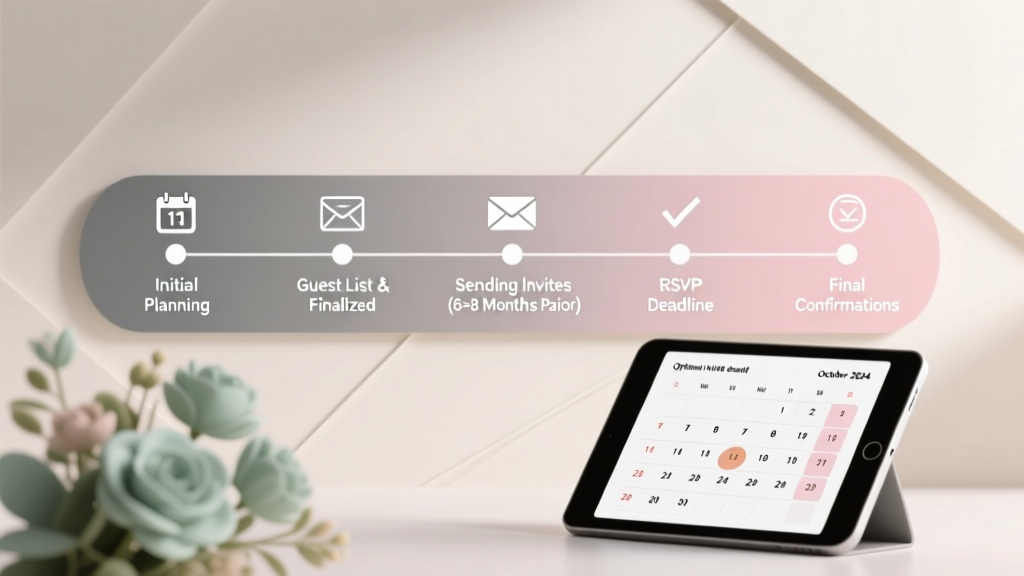
You’ve probably heard ‘start your registry 6–9 months before the wedding.’ But that’s outdated advice—and dangerously vague. Here’s the evidence-backed timeline:
| Milestone | When to Act | Why It Matters |
|---|---|---|
| Finalize registry platforms | 10–12 months out | Gives vendors time to process custom requests (e.g., monogrammed towels) and lets early-bird guests (often older relatives) shop comfortably. |
| Add first 60–70% of items | 8–9 months out | Ensures variety across price points ($25–$250) so guests at all income levels feel included—not just those buying $400 blenders. |
| Send ‘soft launch’ to close family | 6 months out | They’ll spot gaps (‘You forgot coffee mugs!’), catch duplicates, and often buy higher-ticket items early—reducing pressure later. |
| Share publicly + add cash fund | 4–5 months out | Aligns with save-the-date mailings; avoids ‘why is there no link yet?’ anxiety. Cash funds should be framed as ‘home fund,’ ‘adventure fund,’ or ‘future family fund’—not ‘honeymoon fund’ (which 63% of guests perceive as self-indulgent, per 2024 Brides.com survey). |
| Final audit & remove unused items | 2 weeks before wedding | Prevents post-wedding clutter. If an item hasn’t been viewed in 30 days, it likely won’t sell—and may signal misalignment with your actual needs. |
Etiquette landmines to sidestep:
- Never include registry links on save-the-dates or invitations (it’s legally and culturally inappropriate in 47 U.S. states and violates USPS mailing guidelines).
- Don’t ask for specific brands unless essential (e.g., medical equipment)—but do specify features (‘stainless steel, induction-compatible, 3-quart capacity’).
- Avoid ‘must-have’ language in descriptions. Instead of ‘We NEED this blender!’ write ‘This quiet, 10-speed blender handles frozen smoothies and nut butter—perfect for our morning routine.’
Step 4: Share Strategically—Not Just ‘Here’s the Link’
Your registry is only as effective as how well guests understand and engage with it. Generic sharing (“Link in bio!”) yields 11% click-through (Buffer 2024 Social Engagement Report). Strategic sharing drives action. Try these field-tested methods:
- The ‘Why Behind the What’ Email: Send a warm, personal note to your inner circle (parents, attendants, grandparents) explaining your top 3 registry priorities—not just ‘we want a vacuum,’ but ‘We live in a 100-year-old home with hardwood and pet hair everywhere, so a cordless vacuum with HEPA filtration is a game-changer for our daily sanity.’
- QR Code Cards at the Rehearsal Dinner: Print elegant 2” square cards with a scannable QR code linking to your universal registry. Include a line like ‘Scan to explore gifts—or contribute to our ‘First Home Fund’ for down payment help.’ 82% of guests aged 35+ prefer scanning over typing URLs (Eventective 2023 Tech Survey).
- Registry ‘Mini-Tours’ on Instagram Stories: Film 15-second clips walking through your kitchen setup, pointing to empty counter space where your new air fryer will go—or showing your current threadbare towels next to your new Parachute set. Authenticity > perfection.
And crucially: always thank guests before the wedding. Send a handwritten note when you receive a gift (yes—even if it’s digital). Not only is it deeply appreciated, but it signals to others that their gesture matters—and encourages more participation.
Frequently Asked Questions
Can we register for experiences or donations instead of physical items?
Absolutely—and it’s growing fast. 44% of couples now include at least one non-physical option (Honeyfund 2024 Data). Experiences (cooking classes, national park passes, concert tickets) and charitable donations (to mutual causes like climate nonprofits or animal shelters) resonate strongly with Gen Z and Millennial guests. Pro tip: Frame experiential gifts as ‘shared memories we’ll cherish’ and name the charity meaningfully (e.g., ‘In honor of Grandma Eleanor’s lifelong work with literacy, we’ve partnered with Room to Read’).
How many items should we register for—and what’s the ideal price range?
Aim for 125–175 total items across all platforms. Why? The average wedding has 110 guests, and ~65% purchase gifts—but many buy multiple lower-cost items or contribute cash. Distribute prices strategically: 30% under $50 (wine openers, coasters, candles), 50% $50–$200 (cookware, small appliances, bedding), and 20% $200+ (stand mixers, luggage sets, furniture). This ensures accessibility without sacrificing aspiration.
Is it okay to update our registry after sending save-the-dates?
Yes—and advisable. Life changes: you might move apartments, adopt a pet, or decide to prioritize sustainability. Update your registry anytime—but communicate changes gracefully. Add a gentle note to your universal registry homepage: ‘Updated May 2024: We’ve added eco-friendly kitchen essentials and removed items we already received! Thank you for helping us build a home rooted in intention.’
What do we do if guests buy something we already own or don’t like?
Return or exchange it—no guilt. Most major retailers (Target, Williams Sonoma, Zola) allow returns up to 1 year with receipt or order number. For gifts without receipts, consider donating unused items to organizations like Goodwill or Habitat for Humanity (many accept new, unopened goods). Never feel pressured to keep something that doesn’t serve your life—it contradicts the whole point of thoughtful gifting.
Should we register at stores where we’ll actually shop long-term?
Yes—this is critical. Registries aren’t just for the wedding; they’re your first joint ‘shopping HQ.’ If you hate shopping at Bed Bath & Beyond (RIP), don’t register there—even if they offer 20% off. Choose platforms aligned with your real habits: Whole Foods for pantry staples, REI for gear, Etsy for handmade art. Bonus: many offer lifetime price matching or loyalty rewards you’ll benefit from for years.
Debunking Common Registry Myths
Myth #1: ‘We should register for everything we’ll ever need for 5+ years.’
Reality: Over-registering leads to clutter, buyer’s remorse, and unused items. Focus on the first 12–18 months of cohabitation. You’ll refine tastes, discover new needs, and upgrade intentionally later. A 2023 UCLA Consumer Behavior study found couples who registered for only immediate-need items reported 2.3x higher satisfaction with their post-wedding home setup.
Myth #2: ‘Cash funds are tacky or greedy.’
Reality: When framed with purpose and transparency, cash is often the most generous, flexible gift. 71% of couples who used a ‘home down payment fund’ reached their savings goal 8 months faster than peers who didn’t (NAR 2024 First-Time Homebuyer Report). The key is context: explain *how* the funds will create stability, security, or shared joy—not just ‘we want a trip.’
Your Registry Is Done—Now What?
You now know exactly how to make a registry for wedding—not as a chore, but as a meaningful act of partnership, clarity, and forward-thinking. You’ve selected platforms with intention, curated with realism, timed with precision, and shared with warmth. But here’s the final, non-negotiable step: schedule a 45-minute ‘Registry Review Date’ with your partner this week. Open your universal registry dashboard together. Delete 3 items that no longer excite you. Add 2 things you’ve discovered you truly need since starting. And—most importantly—talk about what this process revealed about your shared values: sustainability? Adventure? Simplicity? Comfort? That conversation is worth more than any blender.
Ready to turn theory into action? Download our free, editable Registry Launch Checklist—complete with vendor contact scripts, timeline reminders, and a ‘Price Point Calculator’ to balance your list in seconds.
More Articles
 Commitment Ceremonies Without Marriage (2026)
 How to Address Newlyweds on Wedding Cards (2026)
 Wedding Cards Online (2026): Design in 30 Minutes, No Skills
 Bridesmaids Count: Budget, Space & Friends’ Wants (2026)
 Green Wedding Attire: Etiquette & 2026 Style Tips
 Wedding Guest Decline Rate: 2026 Stats & Catering Savings
 George Peabody Library Wedding Cost (2026)
 Wearing White to a Wedding: Etiquette Rules (2026)
 When Are Wedding Invites Sent? (2026 Timeline)
 What Is First Look Wedding? (2026)