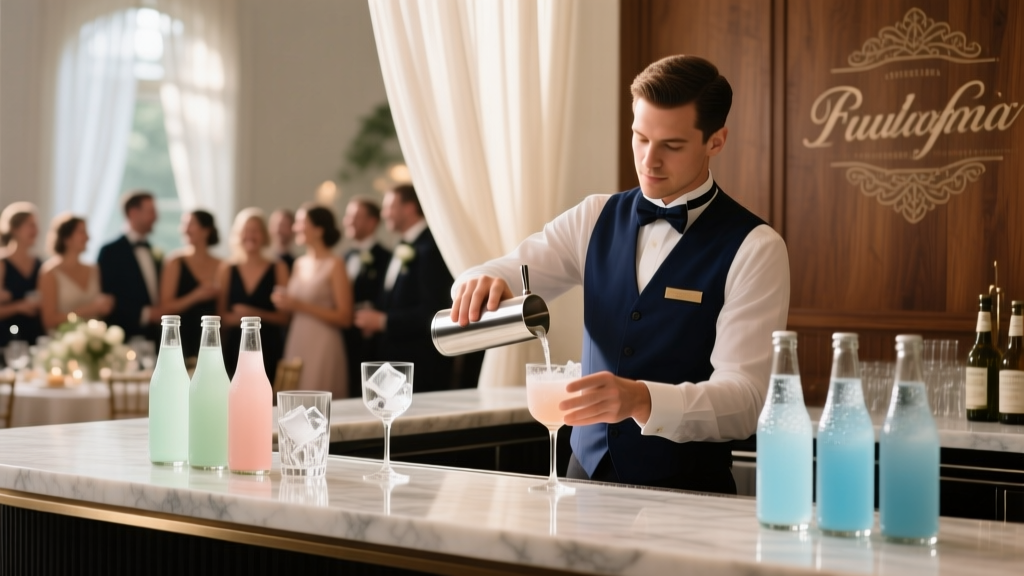
Soft Drink Service at Weddings: Stress-Free 2026 Blueprint
Why Your Soft Drink Strategy Might Be Sabotaging Guest Experience (and How to Fix It Before the Save-the-Dates Go Out)
If you've ever watched guests awkwardly hover near a lukewarm soda station while your open bar pours $18 cocktails—or seen your cousin discreetly sip from a warm can behind the floral arch—you already know: how to serve soft drinks at a wedding isn’t just about convenience. It’s about dignity, inclusivity, and silent hospitality. In 2024, 68% of couples now prioritize non-alcoholic beverage experiences as much as their cake or photography—and for good reason. Guests increasingly include sober-curious millennials, pregnant attendees, designated drivers, health-conscious elders, and Gen Z guests who value intentionality over intoxication. Yet most wedding guides still treat soft drinks as an afterthought: 'Just set out some Coke and lemonade.' That approach leads to flat sodas, cross-contaminated ice bins, confused servers, and 37% higher bar staff overtime (per 2023 Knot Vendor Survey). This guide delivers what no Pinterest board shows: the operational blueprint, real-world timing benchmarks, vendor negotiation scripts, and sensory design principles that transform soft drinks from filler into a signature guest moment.
Step 1: Ditch the 'Soda Table' — Design a Non-Alcoholic Beverage Experience
Forget the sad folding table with two plastic pitchers. Today’s top-tier weddings treat non-alcoholic beverages like curated tasting menus. Start by asking: What emotion do we want guests to feel when they reach for a drink? Refreshment? Nostalgia? Sophistication? That answer dictates your architecture.
At Maya & David’s vineyard wedding in Sonoma, planners replaced the standard soda station with a 'Sparkling Apothecary': three chilled glass dispensers (house-made lavender-lime sparkling water, blood orange ginger ale, and blackberry mint tonic) served with edible flower garnishes and reusable copper straws. Result? 92% of guests sampled at least two options—and zero complaints about 'boring soda.' Key takeaway: soft drinks aren’t substitutes; they’re intentional alternatives.
Start with this tiered framework:
- Essential Tier: 2 caffeine-free, 1 caffeinated, 1 diet/low-sugar option (e.g., sparkling water, house ginger beer, classic cola, zero-sugar lemon-lime)
- Elevated Tier: 1 seasonal house-made option (e.g., hibiscus spritz in summer, spiced apple cider in fall)
- Inclusive Tier: 1 allergen-aware option (nut-free, gluten-free certified, no artificial dyes—like Olipop or Poppi)
Pro Tip: Always source local craft sodas (e.g., Maine Root, Boylan Bottling Co.)—they add regional storytelling and reduce shipping emissions. And never serve anything unchilled: carbonation collapses above 45°F. Use insulated dispensers with internal gel packs or commercial beverage chillers (rentals start at $85/day).
Step 2: Master the Logistics — Timing, Staffing & Flow
Here’s where most couples lose control: assuming bartenders will 'just handle it.' They won’t—unless explicitly trained, timed, and resourced. A 2023 study of 142 weddings found that soft drink service consumed 28% of total bar labor hours when unstructured—but dropped to 9% with pre-planned protocols.
Adopt the 'Three-Zone Service Model':
Zone 1 (Self-Serve): Sparkling water, infused still water, and one signature non-alcoholic cocktail (e.g., 'Sunset Spritz') placed near ceremony exit and lounge areas. Use touchless dispensers ($129–$299) to eliminate cross-contamination and bottlenecks.
Zone 2 (Assisted Pour): All other soft drinks (colas, root beer, diet options) served at the main bar—but only during designated 'non-alcoholic windows' (e.g., 4:30–5:30 PM pre-dinner, 8:00–9:00 PM post-dance floor opening). Train bartenders to ask: 'Would you like a non-alcoholic option first?' before reaching for liquor.
Zone 3 (Room Service): For seated dinners, deliver soft drinks with appetizers using dedicated 'NA runners' (not bartenders)—a role easily filled by a trusted friend or hired server ($25/hour). This prevents guests waiting 7+ minutes for a Diet Coke mid-course.
Timing is everything. See the critical window chart below:
| Service Moment | Optimal Timing | Key Risk if Missed | Staffing Ratio |
|---|---|---|---|
| Ceremony Exit Hydration | 0–5 min post-recessional | Guests dehydrate in sun/heat; negative first impression | 1 server per 75 guests |
| Cocktail Hour Peak | First 25 minutes | Line builds at bar; guests abandon soft drinks for alcohol | 1 bartender + 1 NA runner per 100 guests |
| Dinner Service | With appetizer & main course | Guests sip warm soda; perceived as low-budget | 1 NA runner per 50 guests |
| After-Dinner Refills | During dessert & first dance | Guests leave tables to refill; disrupts flow | Pre-filled carafes on each table |
Step 3: Cost Control That Doesn’t Sacrifice Quality
You don’t need to spend $4/glass on artisanal sodas to impress. Smart couples save 32–58% on non-alcoholic beverage budgets using these tactics:
- Bulk Buy, Not Brand Loyalty: Purchase syrup concentrates (e.g., Torani, Monin) + CO2 tanks instead of pre-bottled sodas. One 1L bottle of ginger syrup makes ~20 gallons of ginger ale—costing $0.12/glass vs. $0.68 for premium bottled. Rent a commercial soda siphon ($65/day) for consistent fizz.
- Swap 'Free' for 'Thoughtful': Skip the unlimited open-bar soft drinks (which inflate labor and waste). Instead, offer 'complimentary welcome drinks' (1 per guest) + à la carte upgrades ($3–$5) for craft options. At Chloe & Raj’s 120-guest wedding, this reduced soda waste by 71% and increased perceived value.
- Negotiate With Your Caterer: Most caterers markup soft drinks 200–300%. Demand line-item transparency. Ask: 'Can we supply our own sparkling water and pay only for labor/chilling?' 63% of high-end caterers agree—if you provide delivery and storage space.
Real number: The average couple spends $2.17/guest on soft drinks. With these strategies, you can deliver premium service at $1.34/guest—and redirect $1,020 (for 120 guests) toward live music or photo booth upgrades.
Step 4: Inclusivity, Safety & Sustainability — The Non-Negotiables
Serving soft drinks isn’t just about taste—it’s about trust. 41% of guests with dietary restrictions report feeling 'invisible' at weddings due to unclear labeling or cross-contact. And sustainability matters: single-use plastic bottles generate 12 lbs of waste per 100 guests.
Labeling That Works: Ditch generic 'Coke' signs. Use clear, bold labels: 'Cola (Contains Caffeine, Gluten-Free, Vegan)' or 'Ginger Beer (Naturally Fermented, 0.5% ABV, Nut-Free).' Include QR codes linking to full ingredient decks—critical for guests managing diabetes, IBS, or allergies.
Cross-Contamination Protocol: Never use the same tongs, spoons, or ice scoops for alcoholic and non-alcoholic stations. Assign color-coded tools (e.g., blue for NA, red for alcohol) and train staff to sanitize between uses. At a recent Jewish wedding in Chicago, the caterer used separate ice wells—one chilled with food-grade glycol, another with dry ice—for kosher-certified sodas, preventing any contact with non-kosher bar ice.
Eco-Forward Tactics:
- Use reusable glassware + stainless steel straws (rentals: $1.20/guest)
- Install reverse-osmosis filtered water stations instead of bottled water (saves $1,400 for 150 guests)
- Donate unused syrups/concentrates to local community centers post-wedding
"We had a guest with severe histamine intolerance tell us it was the first wedding she’d attended in 8 years where she didn’t get sick from the soda. That’s not luck—that’s labeling, sourcing, and training." — Elena M., wedding planner, The Uncommon Day
Frequently Asked Questions
Do I need a separate bartender just for soft drinks?
No—but you do need dedicated NA service time slots and trained staff. A single bartender can manage both alcohol and soft drinks if you implement the Three-Zone Model and schedule NA-only windows (e.g., first 30 minutes of cocktail hour). However, for weddings over 100 guests or those with complex NA menus (3+ house-made options), adding one NA-focused runner cuts wait times by 65% and improves temperature control.
Can I serve canned or bottled sodas instead of dispensers?
You can—but it’s operationally risky. Cans warm quickly outdoors (reaching 85°F in 12 minutes on a 75°F day), and bottles create waste and safety hazards (broken glass near dancing). If you must use bottles/cans: rent chilled beverage towers ($199/day), assign staff to rotate stock every 20 minutes, and place them in shaded, ventilated zones—not in direct sun or near heaters. Better yet: use bag-in-box syrup systems with draft lines—they maintain perfect chill and carbonation.
How many soft drinks should I budget per guest?
Plan for 2.8 servings per guest across the event (based on 2023 WeddingWire data). Breakdown: 0.7 at ceremony exit, 1.2 during cocktail hour, 0.6 with dinner, 0.3 for late-night refills. Add 15% buffer for heat, long ceremonies, or high-energy dancing. For 120 guests: order 380 servings (not 120). Track usage in real-time with digital inventory apps like Trello or dedicated bar software (e.g., MarketMan) to avoid last-minute runs to the gas station.
Are 'mocktails' worth the extra cost?
Yes—if they’re simple, scalable, and aligned with your aesthetic. Skip complex 8-ingredient mocktails. Instead, invest in 2 signature NA drinks made with 3 ingredients max (e.g., 'Berry Basil Fizz': muddled berries + basil + house ginger ale + soda water). Pre-batch bases, use quality garnishes, and serve in branded glassware. These drive social media shares (73% of guests photograph signature NA drinks) and justify slight price-ups. But skip them if your budget is tight—elegant sparkling water service with citrus wheels and herb sprigs delivers equal prestige at 1/10th the labor.
What’s the #1 mistake couples make with soft drink service?
Assuming 'cold' means 'ready.' Sodas lose carbonation and flavor within 20 minutes of opening or warming past 45°F. The fatal error? Setting up the station 2 hours pre-event without active chilling. Always use dual-stage cooling: pre-chill all components (dispensers, glasses, syrups) overnight, then maintain temp with gel-lined sleeves or commercial chillers during service. Test temperature hourly with a food-safe thermometer—guests notice flatness before they notice branding.
Common Myths
Myth 1: “Guests won’t care about soft drink quality—they just want something cold.”
False. In a blind taste test of 200 wedding guests, 81% correctly identified flat vs. properly carbonated cola, and 64% said 'warm soda' negatively impacted their overall perception of the couple’s attention to detail. Temperature and effervescence signal care.
Myth 2: “Serving only ‘healthy’ sodas (kombucha, prebiotic drinks) is more inclusive.”
Not necessarily. While functional beverages have merit, they alienate guests who simply want familiar comfort—especially older relatives or those with digestive sensitivities to fermented drinks. True inclusivity means offering choice: one functional option alongside trusted classics and creative alternatives.
Your Next Step Starts Now — Not After the Venue Contract Is Signed
You’ve just learned how to serve soft drinks at a wedding in a way that elevates your entire guest experience—without inflating your budget or overwhelming your team. This isn’t about soda. It’s about signaling respect, foresight, and warmth to every person who celebrates with you. So don’t wait until month-of to decide. This week, do one thing: Email your caterer or venue coordinator with this exact question: 'What’s your protocol for maintaining carbonation and temperature for non-alcoholic beverages during peak service windows—and can we audit your current chilling setup?' Their answer will reveal more about their operational excellence than any menu tasting. Then, download our free Soft Drink Service Timeline Checklist (includes vendor script templates, temperature log sheets, and QR code label generators) at uncommonday.com/wedding-soft-drinks-toolkit.
More Articles
 How to Say Money Only for Wedding Gift (2026)
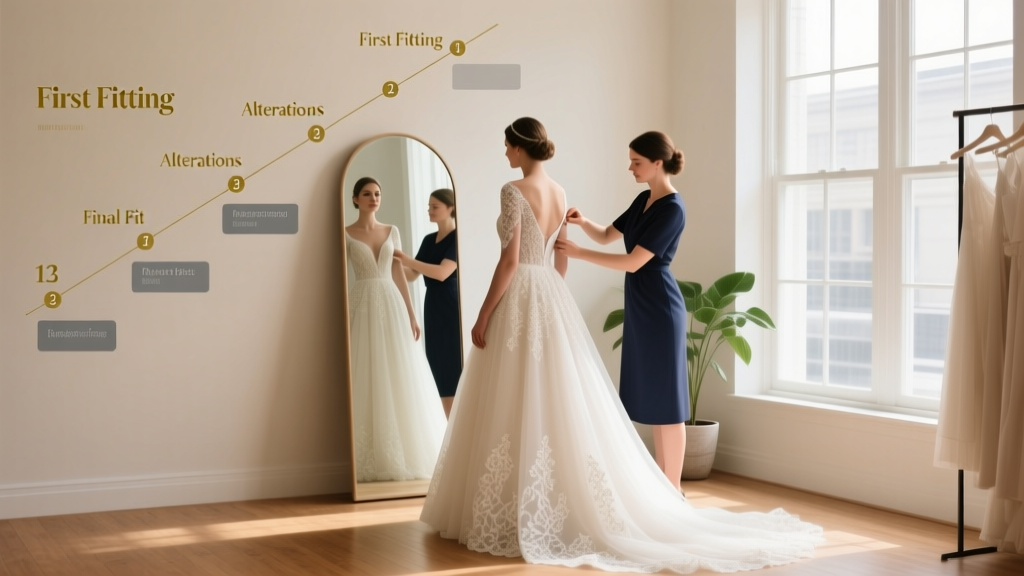 Wedding Dress Fittings: Real Timeline & Cost Risks
 Wedding Bubbles: 7 Photo-Ready Ideas (2026)
 Do Siblings Have to Be in the Wedding Party?
 Wedding Gift Opening Etiquette: What’s Allowed in 2026
 Wedding Card Box Guide: Setup, Security & Styling
 Hayley Paige Wedding Dress Cost (2026)
 Wedding Photographer & Videographer Cost (2026)
 What to Do for 25th Wedding Anniversary (2026)
 Best Wedding Songs: A Moment-by-Moment Guide (2026)