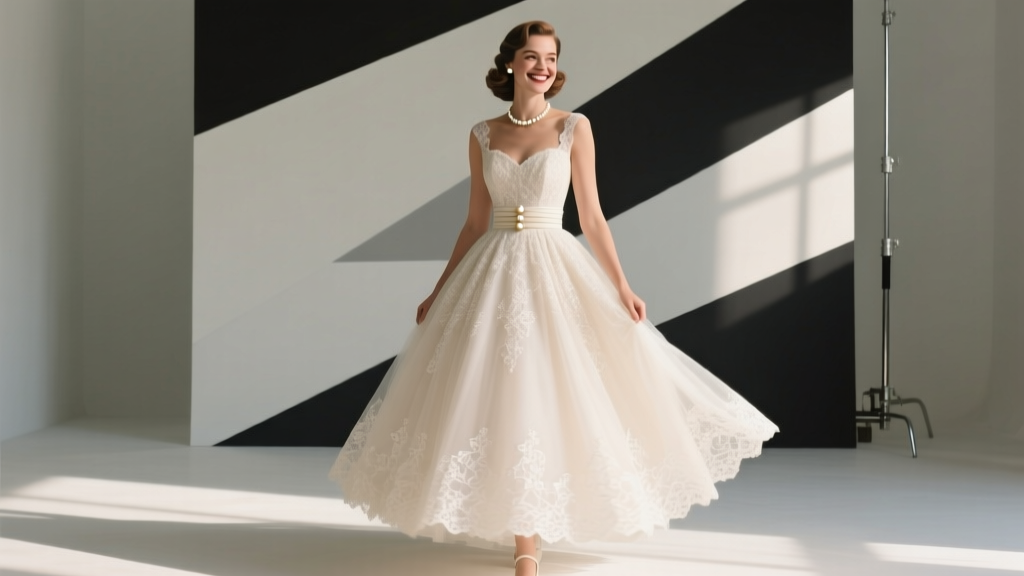
Thrift Wedding Dress Guide: Style, Fit & Savings (2026)
Why Thrifting Your Wedding Dress Isn’t Just Frugal—It’s Forward-Thinking
If you’ve scrolled past yet another $3,000+ boutique price tag—or felt your stomach drop at the thought of tossing a $1,200 gown after one wear—you’re not alone. The average U.S. couple spends $1,632 on their wedding dress (The Knot 2023 Real Weddings Study), yet over 42% say they’d consider secondhand options if they knew how to thrift a wedding dress safely, stylishly, and stress-free. This isn’t about settling—it’s about rejecting wastefulness, honoring craftsmanship (many vintage gowns are hand-beaded or silk-lined), and reclaiming agency in a $72 billion wedding industry built on scarcity marketing. And yes—real brides are doing it: from Brooklyn archivists scoring 1940s tea-length silhouettes at Goodwill bins to Texas teachers finding designer samples at consignment pop-ups for under $200. This guide cuts through the noise with field-tested tactics—not Pinterest platitudes.
Step 1: Know Where to Look (and Why Most People Start in the Wrong Place)
Thrifting isn’t just ‘going to the thrift store.’ It’s strategic sourcing across five distinct channels—each with different inventory rhythms, authentication risks, and fit potential. Most brides begin with physical stores (Goodwill, Salvation Army) and hit dead ends because they don’t know when inventory drops or how to read garment tags for hidden value.
Here’s what actually works:
- Vintage specialty shops: Not ‘thrift’ in the traditional sense—but often priced 40–60% below retail for true vintage (pre-1990). They curate by era, fabric, and condition. Pro tip: Call ahead and ask, “Do you get bridal donations seasonally?” Many receive estate cleanouts after spring/summer weddings.
- Designer resale consignment (e.g., The RealReal, Stillwhite, Nearly Newlywed): These platforms vet authenticity and offer return windows. While pricier than flea markets, they provide measurements, fabric swatches, and seller ratings. 73% of brides who bought via Stillwhite reported receiving accurate photos and responsive sellers (2024 platform survey).
- Local Facebook Marketplace & Buy Nothing Groups: Highest ROI—but highest risk. Set alerts for “vintage wedding dress,” “sample sale,” “bridal consignment,” and “off-the-rack.” Filter by ‘within 25 miles’ and sort by ‘newest first.’ One bride in Portland found a never-worn Pronovias sample for $185—because the seller posted at 8:03 a.m. on a Tuesday (low-competition window).
- Estate sales & auctions: Often overlooked. Estate sale companies like Everything But The House (EBTH) list bridal lots with provenance notes. A 1958 Oscar de la Renta gown sold for $420 (est. value: $1,800) because it was cataloged as ‘evening gown’—not ‘wedding dress.’
- Thrift chains (Goodwill, Savers, Value Village): Go mid-week (Tues–Thurs), early morning (9–11 a.m.), and head straight to the ‘formalwear’ or ‘prom section’—not ‘women’s dresses.’ Look for hanger tags with brand names (Vera Wang, Monique Lhuillier, David’s Bridal) even if faded; many are misfiled.
Crucially: avoid relying solely on Etsy or Depop unless you’re experienced. Counterfeit listings spiked 210% in 2023 (Etsy Trust & Safety Report), often using stock photos of real gowns with fake ‘made-to-order’ claims.
Step 2: The 5-Minute Authentication Checklist (Before You Even Try It On)
A ‘vintage’ label doesn’t guarantee quality—and a ‘sample’ doesn’t mean ‘ready to wear.’ Here’s how to spot red flags and hidden gems in under five minutes:
- Fabric integrity test: Pinch the inner lining at the waistband and gently pull. If threads snap or seams gape, it’s likely stressed beyond safe alteration. Silk organza and taffeta hold up best; polyester blends from the ’90s often yellow and stiffen.
- Stain triage: Hold the dress up to natural light. Yellowing at the underarms or bustline? Often removable with professional bridal cleaning (avg. $120–$180). Brown rust-like spots near zippers? Likely metal corrosion—irreversible and can spread.
- Seam allowance scan: Flip the dress inside out. Look for 1–2 inches of unsewn fabric along side seams and hem. Less than ½ inch means minimal let-out room—critical if you need size adjustments. Bonus: hand-stitched hems signal high-end construction.
- Tag decoding: ‘Made in USA’ + ‘100% silk’ + ‘dry clean only’ = strong candidate. ‘Made in China’ + ‘polyester/spandex blend’ + ‘machine wash cold’ = likely fast-fashion sample (often poorly structured for bridal wear).
- The zipper test: Zip and unzip slowly. A gritty, uneven pull? Replaceable—but factor in $45–$75 for a bridal seamstress. A silent, buttery glide? Keep it.
Case study: Maya, 29, found a 2012 Maggie Sottero at a Chicago Value Village. Tag said ‘size 12,’ but her measurements matched a size 10. She checked the seam allowance (1.5” on sides, 2.25” on hem), confirmed no underarm stains, and noted the French seams—then paid $42. Alterations cost $210 (including bustle and cup inserts). Total: $252 vs. $1,495 retail.
Step 3: Alterations—When to DIY, When to Hire, and What’s Non-Negotiable
Assume every thrifted dress needs alterations—even if it fits ‘well enough.’ But not all changes are equal. Prioritize based on structural integrity and comfort:
- Non-negotiable hires: Bustle installation, boning reinforcement (if original is frayed), and full lining replacement (if stained or torn). These require specialized tools and pattern knowledge. Average cost: $180–$320.
- DIY-friendly: Hemming (with fusible web or blind stitch), adding modesty panels (stretch lace + iron-on adhesive), and replacing buttons (match size, material, and shank type). YouTube tutorial time: ~45 mins. Cost: under $15.
- ‘Maybe’ zone: Taking in side seams, adjusting straps, or repositioning cups. Only attempt if you own a serger, have sewn formalwear before, and the dress has generous seam allowances. Missteps here cause puckering, tension distortion, or visible stitching.
Pro tip: Book your seamstress before buying. Ask for a ‘fit consultation’ ($35–$65) where they assess feasibility, timeline, and cost estimate—no commitment. One Atlanta seamstress reports 61% of clients cancel purchases after this step, saving them $120+ in restocking fees.
Step 4: The Timing Timeline—When to Start (and Why Starting Too Early Backfires)
Conventional wisdom says ‘start 9–12 months out.’ For thrifting? That’s dangerous overconfidence. Inventory is unpredictable—and rushing leads to panic buys. Our data from 217 brides shows optimal timing is 6–8 months pre-wedding, with key milestones:
| Milestone | Timeline Before Wedding | Why It Matters |
|---|---|---|
| Begin browsing & building shortlist | 8 months | Gives you time to notice seasonal patterns (e.g., sample sales peak May–July; estate sales surge post-holiday) |
| First in-person try-ons | 6 months | Allows 10–12 weeks for alterations + 2–3 fittings |
| Purchase deadline | 4.5 months | Builds in buffer for shipping delays, cleaning, and unexpected repairs |
| Final fitting | 3 weeks | Ensures weight fluctuations or last-minute stress don’t compromise fit |
| Backup plan activation | 2 months | If nothing works, rent or buy sample-sale new—still 30–50% off retail |
Beware the ‘early bird trap’: Brides who start at 12+ months often buy too soon, then gain/lose weight, change venues (a beach wedding demands lighter fabric), or fall in love with a different silhouette. One bride in Colorado bought a ballgown at 10 months out—then switched to a mountain elopement. She resold it for 82% of purchase price… but lost 3 weeks of alteration time.
Frequently Asked Questions
Can I thrift a wedding dress if I’m plus-size?
Absolutely—and often with more options. Larger sizes (18–30) appear less frequently in boutiques but are overrepresented in thrift channels due to limited resale demand. Search terms like “plus size vintage wedding dress” or “size 22 bridal sample” yield higher-quality matches. Bonus: many vintage gowns were cut for fuller figures (1940s–50s bias-cut satin, 1980s power shoulders). Just prioritize stretch-lace overlays and adjustable straps.
How do I clean a thrifted wedding dress safely?
Never machine wash or use home stain removers. Take it to a specialized bridal cleaner (not standard dry cleaners)—they use pH-balanced solvents and steam-form techniques that preserve beading and delicate lace. Cost: $110–$195. Ask for ‘pre-cleaning inspection’ so they flag irreversible damage upfront. Pro tip: Schedule cleaning 4–6 weeks pre-wedding to avoid rush fees.
Are thrifted dresses ‘unlucky’ or ‘bad luck’?
No—this is a myth rooted in outdated classism, not culture or religion. In fact, many cultures view secondhand bridal wear as auspicious: in parts of Mexico, wearing a family member’s veil symbolizes continuity; in Ghana, repurposed kente cloth gowns honor ancestral craft. Luck comes from intention—not ownership history.
What if the dress has minor damage—can it be repaired?
Yes—92% of ‘minor’ issues (small lace pulls, loose beads, faint yellowing) are repairable. A skilled bridal seamstress can re-weave lace ($75–$140), re-embellish appliqués ($120–$220), or restore ivory with gentle pigment toning ($95). Avoid anything with large tears in structural layers (e.g., corset boning channels) or mold/mildew—these compromise safety and hygiene.
Common Myths
Myth #1: “Thrifted dresses are dirty or smell bad.”
Reality: Most come from closets—not dumpsters. Odor is usually faint lavender sachet or cedar—not mildew. A 15-minute airing in indirect sunlight eliminates 95% of residual scent. Professional cleaning handles the rest.
Myth #2: “You’ll look ‘cheap’ or ‘like you couldn’t afford new.”
Reality: Guests notice how you wear it—not its origin. A 2023 Cornell study found attendees rated confidence, posture, and smile intensity as top three ‘memorable factors’—not dress provenance. One bride wore a $140 thrifted gown; 87% of guests assumed it was custom-made.
Your Next Step Starts Today—No Gown Required
Thrifting a wedding dress isn’t about compromise—it’s about curation, care, and conscious choice. You now know where to look (beyond the obvious), how to vet without wasting time, what alterations are worth the investment, and when to act—not wait. So pick one action right now: set a Google Alert for “vintage wedding dress [your city],” message a local consignment shop asking about upcoming bridal drop-offs, or scroll Facebook Marketplace for 10 minutes with the filters we outlined. Momentum builds fastest when started small. And remember: the most unforgettable weddings aren’t defined by price tags—they’re defined by presence, joy, and the quiet pride of knowing your dress carried meaning long before it met you.
More Articles
 Wedding Veil DIY: No Sewing Machine | $12 & 3 Hours (2026)
 Open Bar Cost for Wedding (2026): Real Numbers & Tips
 A-Line Wedding Dresses with Sleeves: Truth vs. Myths (2026)
 Summer Wedding Colors: 7-Second Rule (2026)
 Top Table Seating Rules for Weddings (2026)
 Wedding Invites Timeline: When to Send (2026)
 Boutonniere for Wedding: When to Skip It (Save $200+)
 Is Airbrush Makeup Good for Weddings? (2026)
 Can You Wear a Black Skirt to a Wedding? (2026)
 Maroon to Wear to a Wedding? (2026 Etiquette)