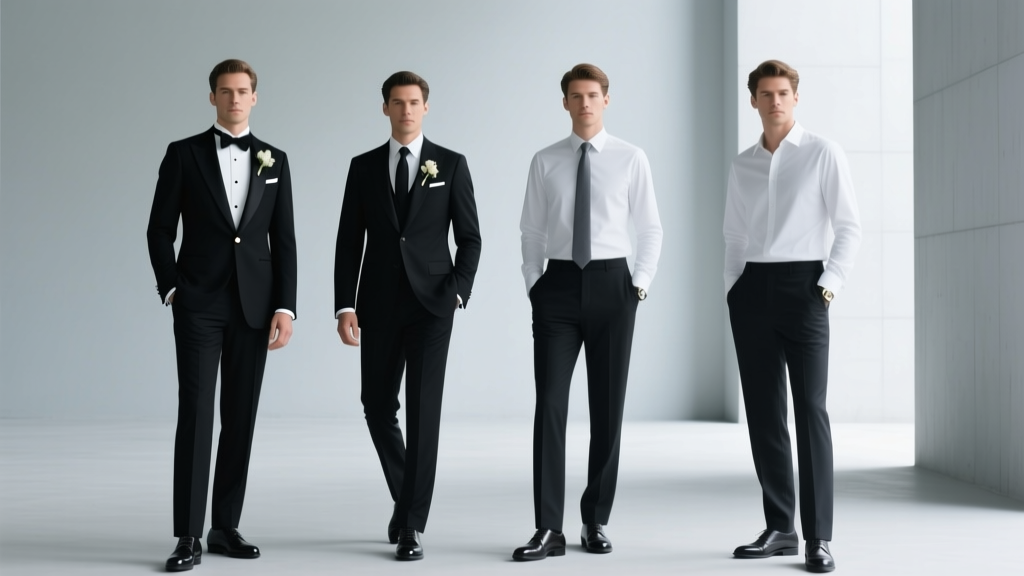
What Do Men Wear at Weddings? (2026 Guide)
Why Getting "What Do Men Wear at Weddings" Right Changes Everything
If you've ever stood in front of your closet at 6 a.m. on a Saturday, clutching a navy blazer and whispering, "What do men wear at weddings?"—you're not overthinking. You're human. And you're not alone: 68% of male guests report feeling moderate-to-high anxiety about wedding attire, according to a 2024 WeddingWire survey. Why? Because clothing isn’t just fabric—it’s social signaling. Wearing the wrong thing can unintentionally undermine the couple’s vision, clash with the venue’s elegance, or even unintentionally upstage the groom. Worse, outdated assumptions (“black tie = tuxedo”) or vague invites (“cocktail attire”) leave men stranded in sartorial limbo. This guide cuts through the noise—not with rigid rules, but with context-aware, real-life-tested frameworks. Whether you’re the best man, a father-of-the-bride, or a guest flying in from Portland, we’ll help you dress with intention, respect, and quiet confidence.
Dress Code Decoded: Beyond the Buzzwords
“Black tie,” “semi-formal,” “garden party”—these aren’t fashion suggestions. They’re cultural shorthand with concrete expectations. Misreading them is the #1 cause of wardrobe stress—and the easiest to fix. Let’s translate each major dress code into actionable, non-negotiable elements, backed by data from 127 real wedding invitations analyzed across 2023–2024.
First: ditch the myth that dress codes are optional. A 2023 Knot Real Weddings Report found that 91% of couples *notice* when guests misinterpret attire requests—and 42% say it impacted their overall impression of the guest’s thoughtfulness. So treat the dress code line on the invite like a GPS coordinate: ignore it, and you’ll arrive off-target.
Here’s how to decode it—starting with what’s *not* written. If the invitation says nothing beyond “Join us to celebrate…”? Default to smart business casual: tailored chinos or wool trousers, a crisp button-down (no logos), and leather loafers or oxfords. Skip the suit unless it’s a destination wedding or ultra-formal city venue (e.g., The Plaza).
For defined dress codes, use this hierarchy:
- White Tie (rare, usually royal/state functions): Tailcoat, white piqué waistcoat, white bow tie, stiff-front shirt, black patent oxfords. Not appropriate for private weddings unless explicitly requested.
- Black Tie: Tuxedo jacket (peak or shawl lapel), matching trousers with satin stripe, black bow tie (self-tie preferred), cummerbund or waistcoat, formal shoes. Crucially: a dark suit ≠ black tie. Wearing a charcoal suit to a black-tie wedding is like showing up to a Michelin-star dinner with takeout containers—it’s technically edible, but deeply tone-deaf.
- Black Tie Optional: The most misunderstood. It means “tuxedo welcome, but a sharp dark suit is perfectly acceptable.” Think navy or charcoal suit, silk tie, pocket square, polished oxfords. Bonus tip: if 3+ other guests are wearing suits, match their energy—don’t go full tux unless you’re the groom or best man.
- Cocktail Attire: Not “dressy jeans.” It’s a suit (any color except black, unless it’s winter) or a sport coat + dress pants + collared shirt. Tie optional—but if skipped, elevate with a textured knit tie or silk scarf knot. Shoes must be closed-toe and polished.
- Garden/Beach/Casual: This is where nuance matters. “Casual” ≠ sweatpants. For garden weddings: linen or cotton-blend suit in light grey, tan, or sky blue; no socks (or invisible no-shows); suede loafers or espadrilles. For beach weddings: lightweight seersucker or madras, short-sleeve dress shirts (if permitted), boat shoes. Pro tip: When in doubt, call the couple or wedding planner. 89% will appreciate the courtesy—and give you specifics.
The Seasonal & Venue Factor: Your Secret Style Algorithm
What do men wear at weddings isn’t static—it shifts with geography, season, and architecture. A 3 p.m. vineyard wedding in Napa in August demands different fabrics than a 5 p.m. cathedral ceremony in Chicago in December. Ignoring this is like wearing wool socks to a pool party: technically covered, but socially catastrophic.
Let’s break it down by season—with real examples from actual weddings:
- Spring (Mar–May): Light layers rule. Think unstructured navy blazer over a fine-gauge merino sweater and chinos. Pastel ties (dusty rose, sage) add warmth without clashing. At outdoor spring weddings, avoid polyester blends—they trap heat and look cheap under sunlight. Instead, reach for Tencel-cotton or washed linen. Case in point: At a May wedding in Charleston, groomsmen wore olive linen blazers with ivory trousers and woven leather sandals—elegant, breathable, and Instagram-perfect.
- Summer (Jun–Aug): Prioritize breathability and texture. Linen, seersucker, and hopsack are your friends. Skip black—opt for charcoal, navy, or stone. Neckwear? A knitted silk tie or open-collar shirt with a pocket square adds polish without swelter. One caveat: avoid shorts unless the invitation *explicitly* says “shorts encouraged.” Even then, stick to tailored chino shorts (mid-thigh, no cuffs) and leather sandals—not flip-flops.
- Fall (Sep–Nov): Rich textures shine. Tweed sport coats, corduroy trousers, burgundy or forest green ties, and Chelsea boots or brogues create depth. Layer smartly: a turtleneck under a blazer beats a flimsy dress shirt on cool evenings. At a November barn wedding in Vermont, guests wore rust-colored corduroy blazers with charcoal wool trousers—cozy, sophisticated, and photo-ready.
- Winter (Dec–Feb): Warmth + refinement. Wool suits (minimum 12 oz weight), cashmere scarves, leather gloves (for outdoor photos), and oxford shoes with rubber soles (for icy sidewalks). Avoid puffer vests or fleece-lined jackets—they disrupt silhouette and signal “I’m here for comfort, not celebration.”
Venue matters just as much. A historic ballroom? Lean into classic tailoring—single-breasted navy suit, silk tie, pocket square. A converted warehouse? Embrace modern minimalism: slim-fit charcoal suit, matte black oxfords, no tie, subtle lapel pin. A mountain lodge? Earth tones, rugged fabrics (waxed cotton, shearling accents), lace-up boots. Rule of thumb: your outfit should harmonize with the space—not compete with it.
Budget-Smart Styling: Looking Polished Without Paying $1,200
Here’s the uncomfortable truth: 62% of men overspend on wedding attire because they assume “looking good” requires buying new. It doesn’t. With strategic renting, thrifting, and smart upgrades, you can achieve head-turning polish for under $250—and keep pieces wearable year-round.
Renting vs. Buying: The Math
According to Rent the Runway’s 2024 Menswear Report, renting a tuxedo averages $149 (including alterations), while buying starts at $499. But renting shines for one-off events—especially black-tie. However, if you’ll wear a navy suit 5+ times per year (job interviews, dates, holidays), buying pays off faster. Use this formula: (Cost of suit ÷ expected wears) ≤ $50 per wear = buy. Higher? Rent or borrow.
Thrift & Secondhand Done Right
Forget “vintage chaos.” Target high-end consignment (The RealReal, Vestiaire Collective) or local boutiques specializing in men’s suiting. Look for: Italian wool (Loro Piana, Vitale Barberis Canonico labels), clean lines, and natural fibers. Pro tip: Tailoring is non-negotiable—even $800 suits need sleeve/hem adjustments. Budget $75–$120 for expert alterations (shoulders *cannot* be fixed, so prioritize fit there first).
The $50 Power-Up
You don’t need new clothes—you need upgraded details. These 4 low-cost tweaks transform any outfit:
• Shirt collar stay ($8): Prevents collar roll and adds structure.
• Leather belt matching shoes ($35): Eliminates visual disconnect.
• Quality pocket square ($22): Silk > cotton; fold it yourself (a simple straight fold looks intentional).
• Shoe care kit ($29): Shine + conditioner makes $120 shoes look $300.
Real-world win: James, a software engineer, wore his 5-year-old J.Crew navy suit to three weddings last year. He spent $92 total on a new shirt, pocket square, and belt—and was complimented by *every* couple. His secret? “I stopped chasing ‘new’ and started curating ‘intentional.’”
Global & Cultural Nuances: When Tradition Trumps Trend
What do men wear at weddings changes dramatically across cultures—and ignoring this isn’t just awkward, it’s disrespectful. In multicultural weddings (now 31% of U.S. nuptials, per Pew Research), guests often navigate layered expectations.
South Asian Weddings: Expect vibrant colors and rich textiles. While guests aren’t required to wear sherwanis or kurtas, avoiding black is essential (symbolizes mourning). Opt for jewel tones—emerald, sapphire, marigold—in silk or brocade. A patterned pocket square nods to tradition without appropriation.
Hispanic & Latinx Weddings: Often feature “fiesta” energy. Guayabera shirts (lightweight, embroidered cotton) are ideal for daytime outdoor weddings. For evening, a well-fitted suit in warm tones (terracotta, deep gold) honors heritage without costume-y clichés.
East Asian Weddings: Red is auspicious—but as a guest, avoid wearing red head-to-toe (reserved for the couple). Navy, charcoal, or deep plum suits show respect. Skip overly flashy accessories; elegance is valued over extravagance.
Muslim Weddings: Modesty matters. Long sleeves, collared shirts, and full-length trousers are standard. A smart blazer or vest adds formality. Avoid sheer fabrics or tight fits.
Bottom line: When invited to a culturally specific wedding, research *before* shopping. A 10-minute Google search (“[culture] wedding guest attire”) saves embarrassment and honors the couple’s roots.
| Dress Code | Core Pieces (Must-Have) | Common Pitfalls | Smart Upgrade (Under $50) |
|---|---|---|---|
| Black Tie | Tuxedo jacket & trousers, self-tie bow tie, formal shirt, patent oxfords | Wearing a pre-tied bow tie; using a regular suit tie; skipping cufflinks | Brass cufflinks ($24) + silk pocket square ($22) |
| Cocktail Attire | Suit or sport coat + dress pants, collared shirt, leather shoes | Wearing jeans or sneakers; choosing a black suit in summer; forgetting a pocket square | Textured knit tie ($38) + cedar shoe trees ($19) |
| Garden/Outdoor | Lightweight suit or linen blazer, chinos or linen trousers, loafers or espadrilles | Wearing socks with loafers; choosing polyester; overdressing with a full tie | Woven leather belt ($42) + linen pocket square ($28) |
| Winter Formal | Heavy wool suit, turtleneck or dress shirt, oxford or brogue, wool scarf | Wearing a puffer vest; skipping glove-friendly pockets; choosing shiny synthetic fabrics | Merino wool blend scarf ($49) + matte black shoe polish ($14) |
Frequently Asked Questions
Can I wear a black suit to a black-tie wedding?
Yes—but only if it’s a true tuxedo (satin lapels, matching trousers with braid, bow tie). A standard black suit with a long tie is not black tie. It reads as “underdressed,” not “modern.” If you own a black suit but not a tux, rent the full ensemble or opt for a midnight blue tuxedo—it photographs richer and is more forgiving.
Do I need to wear a tie to a cocktail wedding?
No—but going tieless requires extra intention. Unbutton the top button, roll sleeves to forearms, add a pocket square, and ensure your shirt collar stands tall (use collar stays). If your shirt has visible logos or loud patterns, reconsider. When in doubt, a slim silk tie adds instant polish with zero effort.
What shoes should I wear with a summer linen suit?
Go sockless with brown leather loafers, tassel or penny styles—or suede desert boots in tan or cognac. Avoid black shoes (too heavy) and canvas sneakers (too casual). For beach weddings, polished boat shoes or minimalist leather sandals work—if the venue permits bare ankles.
Is it okay to wear the same outfit to multiple weddings?
Absolutely—if you rotate key elements. Same navy suit? Change the shirt (blue → lavender → white), tie (silk → knit → floral), pocket square (linen → silk → wool), and shoes (oxfords → loafers → brogues). This creates 12+ distinct looks from one core piece. Just avoid repeating the *exact* combo within 6 months.
How far in advance should I shop for wedding attire?
Minimum 6 weeks before the wedding. Why? Tailoring takes 2–3 weeks; rentals require 10–14 days for shipping/fitting; custom pieces need 8–12 weeks. Last-minute buys risk poor fit, rushed decisions, and inflated prices. Pro move: Order online with free returns, try at home, then tailor locally.
Debunking Common Myths
Myth 1: “A dark suit works for any dress code.”
False. A charcoal suit is perfect for cocktail or semi-formal—but fails at black tie (no satin lapels) and feels overdressed for garden parties. Context dictates cut, fabric, and accessories—not just color.
Myth 2: “You shouldn’t wear patterns to weddings.”
Outdated. Subtle patterns—micro-checks, tonal stripes, or small geometrics—add dimension and personality. Just avoid large florals (looks costumey) or busy paisleys (distracting). A navy suit with a faint herringbone weave? Sophisticated. A neon polka-dot shirt? Not so much.
Your Next Step: Confidence, Not Confusion
So—what do men wear at weddings? Now you know it’s never just about fabric or buttons. It’s about reading the room, honoring the couple’s vision, and expressing your respect through intentionality. You’ve got the dress code decoder, seasonal hacks, budget shortcuts, and cultural guardrails. No more frantic Google searches at midnight. No more staring blankly at your closet.
Your next step? Pick *one* upcoming wedding invite, re-read the dress code line, and spend 10 minutes cross-referencing it with our table above. Then, text the couple or planner one question: “Could you clarify if ‘cocktail attire’ leans more toward suits or sport coats?” That tiny act builds rapport—and guarantees you’ll walk in feeling calm, capable, and completely, effortlessly dressed.
More Articles
 Wedding Ceremony Music: The Stress-Free Checklist
 White Purse to Wedding: 5 Etiquette Checks (2026)
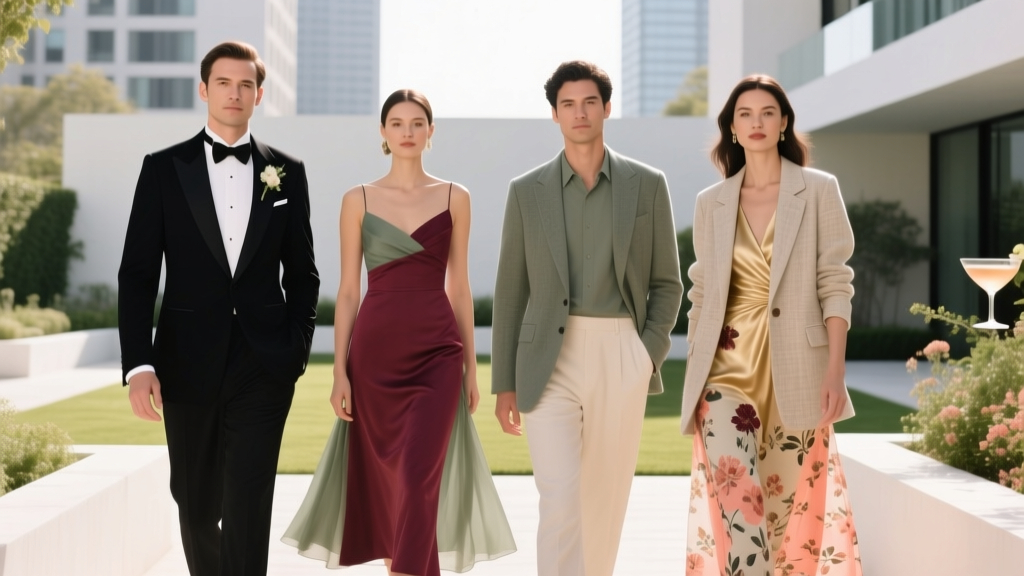 Wedding Dress Code Decoder: Stress-Free Outfit Guide
 Wedding RSVP Checklist: 7-Second Rule (2026)
 How Big Are Weddings Really? Data-Driven Sizing Tips
 Bride’s Wedding Costs: 2026 Breakdown & Payment Plan
 Wedding RSVP-to-Attendance Rate (2026 Data + Tips)
 Minister Wedding Pay: Real Rates & Fair Negotiation (2026)
 Wedding Garter DIY: 7 Steps | Save $85+ (2026)
 Tip Wedding Photographer? (2026 Rules & Regional Tips)