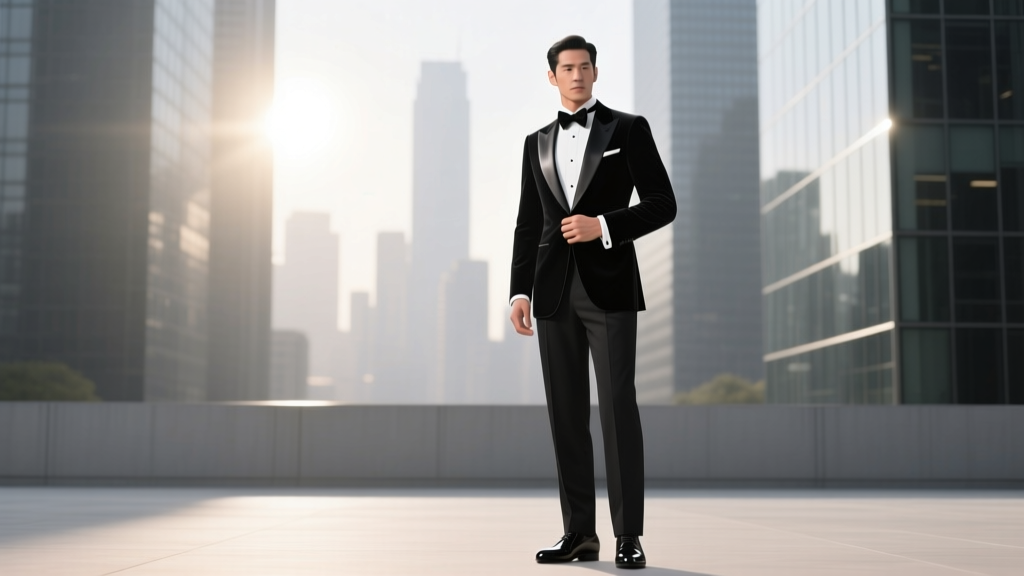
Black Tie Wedding Attire: No-Stress 2026 Checklist
Why Getting Black Tie Right Matters More Than Ever
What is black tie attire for a wedding isn’t just about looking polished — it’s about honoring the couple’s vision, respecting cultural and generational expectations, and avoiding the silent social penalty of standing out for the wrong reasons. In 2024, weddings are increasingly hybrid: think rooftop venues with Michelin-starred catering, historic ballrooms hosting LGBTQ+ ceremonies, or destination celebrations where dress codes blur across time zones and traditions. A recent Knot Real Weddings survey found that 68% of couples now specify black tie *with intentional nuance* — e.g., 'black tie optional,' 'creative black tie,' or 'black tie preferred' — yet 41% of guests still misinterpret the expectation. That mismatch leads to everything from uncomfortable last-minute shopping sprees to being quietly seated away from the head table. This isn’t fashion pedantry; it’s emotional intelligence in fabric form.
The Uncompromising Standard: What ‘True’ Black Tie Actually Requires
Let’s start with the non-negotiable baseline — the formal standard codified by the U.S. Custom Tailors Association and upheld by etiquette authorities like Emily Post Institute and Debrett’s. True black tie is not ‘fancy dress’ or ‘dressy cocktail.’ It’s a precise uniform with historical roots in late-19th-century British aristocracy and American Gilded Age refinement. Deviation isn’t inherently rude — but knowing the rule lets you choose when and how to bend it intentionally.
For men, this means a tuxedo jacket with satin or grosgrain lapels (peak or shawl, never notch), matching trousers with a single satin stripe, a white formal shirt with French cuffs and pleats or marcella front, a black self-tie bow tie (never pre-tied unless medically necessary), black patent leather oxfords, and optional but recommended cummerbund or waistcoat. The jacket must be black or midnight blue — charcoal, navy, or patterned jackets fall outside strict black tie. Crucially, the bow tie and lapel fabric must match *exactly* in sheen and color.
For women, true black tie means a floor-length gown — not just ‘long,’ but *full* length, brushing the floor when standing naturally. Strapless, halter, one-shoulder, and sleeveless styles are all acceptable, but the silhouette must convey formality: think structured bodices, luxe fabrics (silk satin, velvet, heavy crepe), and minimal daytime-inspired details (no florals, no sequins-as-primary-texture, no bare midriffs). Cocktail dresses — even elegant ones — are categorically insufficient unless the invitation explicitly states ‘black tie optional.’
Here’s where context shifts everything: A black tie wedding at The Plaza in New York carries different unspoken weight than one at a vineyard in Sonoma. Urban venues often expect stricter adherence; destination or outdoor settings may invite ‘elevated interpretation’ — but only if signaled by the couple. Never assume. When in doubt, call the couple’s planner or a trusted wedding party member. One bride we interviewed (Sarah, NYC, 2023) shared: ‘When three guests showed up in dark suits instead of tuxes, we didn’t say anything — but it changed how we framed our photos. We moved group shots to the library, away from the grand staircase, because the visual dissonance was jarring on film.’
Decoding the Invitation: Beyond the Words
The phrase ‘black tie’ on an invitation is just the headline — the real instruction manual lives in the subtext. Here’s how to read between the lines:
- ‘Black Tie’ alone: Full adherence expected. No exceptions.
- ‘Black Tie Optional’: Tuxedo or formal dark suit acceptable for men; floor-length gown or sophisticated cocktail dress (knee- or tea-length, luxe fabric, elevated styling) for women. Note: ‘Optional’ doesn’t mean ‘casual’ — it means the couple trusts your judgment to choose appropriately.
- ‘Creative Black Tie’: A deliberate invitation to personalize — think bold color in bow ties or cummerbunds, textured blazers over tuxedo trousers, or gowns with unexpected cutouts, metallic embroidery, or modern silhouettes (e.g., column dresses with architectural draping). Still requires formal foundation: no jeans, no sneakers, no short hemlines.
- ‘Festive Attire’ or ‘Glamorous Casual’: Not black tie — these are red flags signaling relaxed expectations. Confirm before assuming.
A powerful real-world example: At a 2023 Napa Valley wedding labeled ‘Black Tie Inspired,’ the couple provided a private Instagram gallery showing their vision — including a groom in a midnight-blue tux with burgundy silk lapels and a bride in a sculptural ivory gown with detachable cape. Guests who referenced the gallery arrived aligned; those who Googled ‘black tie’ showed up in traditional black tuxes and long gowns — perfectly correct, but visually disconnected from the couple’s aesthetic. The takeaway? When ambiguity exists, seek primary sources — not search results.
Your Practical Toolkit: Rent, Buy, or Borrow?
Cost, fit, and sustainability drive today’s decisions — and black tie is no exception. Let’s break down your options with hard numbers and real trade-offs.
| Option | Upfront Cost (Men) | Upfront Cost (Women) | Fits Well? | Eco-Impact | Best For |
|---|---|---|---|---|---|
| Rent (e.g., Generation Tux, The Black Tux) | $120–$220 | $180–$350 | ✅ High (tailoring add-ons available) | 🟢 Low (shared inventory, reusable) | One-time events, tight budgets, uncertain sizing |
| Buy Off-the-Rack | $450–$900 | $600–$2,200+ | ⚠️ Medium (often needs alterations) | 🔴 Medium-High (single-use potential) | Future formal events, frequent attendees, investment mindset |
| Custom Tailored | $1,200–$3,500+ | $2,000–$8,000+ | ✅ Exceptional (3+ fittings) | 🟡 Medium (long lifespan offsets impact) | Lifetime wardrobe, body confidence, heirloom value |
| Borrow/Loan | $0–$50 (cleaning) | $0–$100 (cleaning) | ⚠️ Variable (depends on lender’s size) | 🟢 Very Low | Close-knit groups, sustainability-first guests, budget constraints |
Note: Rental services now offer ‘try-at-home’ kits with multiple sizes — a game-changer for fit anxiety. One groom, Marcus (Chicago), used The Black Tux’s program and discovered his usual 40R was actually a 42L in tuxedo cut — saving him $120 in rush alterations. For women, brands like Azazie and David’s Bridal offer sample gowns for home try-ons, while platforms like Rent the Runway Premium include black tie–appropriate eveningwear in subscription tiers.
Pro tip: If buying, prioritize the jacket and trousers — they’re harder to alter than shirts or accessories. And always factor in alteration costs: $75–$150 for tuxedo trousers, $100–$200 for full gown hemming and strap adjustments. A $799 gown becomes $999 fast — budget accordingly.
Gender-Inclusive & Nonbinary Guidance: Moving Past Binary Assumptions
Modern black tie is evolving — and it must. Over 27% of couples now include pronouns on invitations (The Knot 2023), and 1 in 5 wedding guests identify outside the gender binary (GLAAD Media Reference Guide). Strict ‘men/women’ rules exclude real people. Here’s how to navigate with dignity and style:
First: Ditch the assumption that tuxedos = male and gowns = female. A nonbinary guest might feel most authentic in a tailored tuxedo with a silk camisole and wide-leg satin trousers. Another may choose a floor-length, structured jumpsuit in matte black crepe — fully compliant with black tie’s formality requirement. The core principle isn’t gender; it’s intentional formality.
Key inclusive strategies:
- Focus on silhouette and fabric, not labels: Look for pieces with clean lines, luxurious textures, and refined construction — regardless of departmental placement.
- Embrace tailoring as empowerment: A well-fitted blazer-and-trouser combo in wool-silk blend reads as powerfully formal as any gown. Add a statement cufflink or brooch for individuality.
- Ask, don’t assume: If you’re part of the wedding party, ask the couple: ‘How do you envision black tie expressed across identities?’ Their answer shapes your guidance to other guests.
- Support inclusive brands: Indochino offers gender-neutral tuxedo customization; Sotela makes size-inclusive, trans-affirming formal jumpsuits; and Reformation’s evening collection includes fluid, non-binary-friendly silhouettes with formal-grade fabrication.
Real case study: Jamie (they/them), invited to a Boston black tie wedding, chose a custom midnight-blue tuxedo jacket with satin lapels paired with high-waisted, wide-leg charcoal trousers and a deep-emerald silk blouse. They skipped the bow tie for a hand-tied silk scarf in coordinating tones. No one questioned it — because Jamie wore it with the quiet authority of someone who understood the code and chose to speak it in their own dialect.
Frequently Asked Questions
Can I wear a colored bow tie with black tie?
Yes — but with caveats. A black self-tie bow tie is the gold standard. However, deep jewel tones (burgundy, emerald, navy) are widely accepted, especially with ‘creative black tie’ or modern interpretations. Avoid pastels, neon, or patterns unless the couple explicitly encourages them. Pro tip: Match your bow tie to your pocket square or boutonniere for cohesion — never to your date’s dress.
Is a tuxedo shirt with studs required?
Studs and cufflinks are strongly recommended for authenticity and polish — but not mandatory. A high-quality formal shirt with French cuffs and a pleated or marcella front is the baseline. If you lack studs, use elegant mother-of-pearl or onyx cufflinks. Avoid plastic or novelty buttons. For women: No equivalent requirement — but pearl or diamond studs are classic and timeless.
What shoes should I wear with black tie?
Men: Patent leather oxfords are ideal. Cap-toes and plain-toe oxfords in high-gloss calf are acceptable alternatives. Loafers, derbies, monk straps, or suede are not black tie — no exceptions. Women: Strappy stilettos, elegant pumps, or embellished sandals are fine — but avoid open-toe styles with visible toes if the venue is ultra-formal (e.g., opera house). Heel height is personal, but 3–4 inches provides balance and posture for long receptions.
Can I wear black tie to a daytime wedding?
Rarely — and only if the invitation says so. Traditional black tie is an evening code. Daytime weddings typically call for ‘formal’ or ‘cocktail’ attire. If a 3 p.m. wedding specifies black tie, confirm with the couple: they may mean ‘black tie inspired’ or have a specific aesthetic reason (e.g., a gothic garden ceremony). Default to morning-appropriate formality — think light-colored tuxedos (ivory, pale grey) or luxe midi dresses — unless verified.
Do children need black tie attire?
Yes — if they’re attending the main reception. Boys ages 5+ wear miniature tuxedos (not ‘suit-like’ outfits); girls wear formal dresses at or near floor-length. Skip the bow tie for toddlers — a simple black bow on a dress or suspenders on pants suffices. Etiquette expert Lizzie Post advises: ‘Dress kids to reflect the event’s gravity — not to mimic adult stress. Comfort and mobility matter, but so does respect.’
Common Myths
Myth #1: “A dark suit + black tie = black tie.”
False. A charcoal or navy suit lacks the tuxedo’s defining elements: satin lapels, matching trousers with braid, formal shirt, and bow tie. Wearing this to a strict black tie wedding signals either ignorance or disregard — both socially costly. Reserve the suit for ‘black tie optional’ or ‘festive attire’ invites.
Myth #2: “Black tie means ‘no color allowed’ — everything must be black.”
Outdated. Midnight blue tuxedos are not only acceptable — they’re often preferred under indoor lighting (they photograph richer than black). Women’s gowns span ivory, champagne, deep plum, and emerald — as long as fabric and silhouette scream formality. Even men can add personality via pocket squares, boutonnieres, or subtle cufflink color.
Your Next Step Starts Now
You now know exactly what black tie attire for a wedding demands — not as rigid dogma, but as a living language of respect, intention, and shared celebration. You’ve seen how to decode invitations, weigh rental vs. purchase, honor gender diversity, and avoid the top three missteps that haunt wedding albums. But knowledge without action stays theoretical. So here’s your immediate next step: Open your inbox right now and re-read the wedding invitation. Circle the dress code line. Then, spend 90 seconds checking one resource: If it says ‘black tie,’ visit The Black Tux’s free fit guide or Rent the Runway’s eveningwear size chart. If it says ‘black tie optional,’ pull up Pinterest and search ‘black tie optional men’ or ‘black tie optional women’ — then save *three* looks that resonate with your style and budget. Don’t overthink. Just anchor yourself in clarity — so when you walk into that reception, you won’t scan the room wondering, ‘Am I dressed right?’ You’ll smile, make eye contact, and step fully into the joy of the moment. That’s the real power of getting black tie right.
More Articles
 Bachelor Party Timing: 3–4 Weeks Before Wedding (2026)
 Wedding Invitation Layering: 7-Step No-Stress Assembly
 Print Wedding Envelopes: 7 Foolproof Steps (2026)
 Thank Parents for Wedding Money: 7 Meaningful Ways (2026)
 How Much to Give for a Wedding (2026 Guide)
 Peonies for Weddings: 2026 Cost Breakdown
 Preserve Wedding Invitations: 7 Archivist-Approved Methods
 Wedding Planning Timeline: Book Venue & Vendors (2026)
 Wedding Cancellation Announcement: Compassionate Checklist
 Hydrangeas for Weddings: Cost Breakdown & Savings (2026)