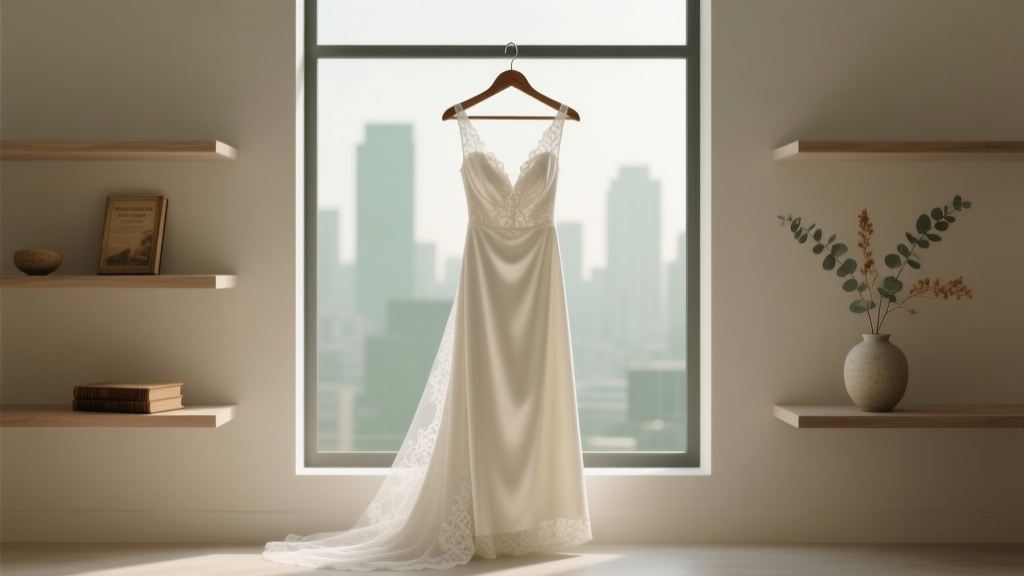
Wedding Dress Options: 7 Budget-Friendly & Heart-Smart Ideas
Why 'What to Do With Your Wedding Dress' Is One of the Most Overlooked Emotional Crossroads of Marriage
After months (or years) of meticulous planning, your wedding day arrives — and then, just like that, it’s over. What remains isn’t just memories or photos: it’s the dress. That ivory tulle, lace bodice, or sleek satin gown now hangs silently in your closet, heavy with symbolism, cost, and unspoken expectations. What to do with your wedding dress isn’t just a logistical question — it’s often the first major post-nuptial decision that surfaces grief, identity shifts, financial reality checks, and even cultural guilt. Nearly 68% of brides report feeling ‘paralyzed’ when confronting this choice (2023 BrideWellness Survey), while 41% admit they’ve kept their dress unworn for over three years — not out of devotion, but due to unresolved ambivalence. This isn’t about discarding tradition; it’s about honoring your present self while making choices that align with your values, budget, and emotional bandwidth.
Option 1: Preserve It — But Only If It Makes *Emotional* and *Financial* Sense
Preservation is the default answer most bridal consultants offer — and for good reason. A professionally preserved dress can retain its structural integrity for decades, especially if made with delicate silks, beading, or vintage lace. But here’s what no one tells you at the boutique: preservation isn’t one-size-fits-all. A $2,400 designer gown with hand-sewn Swarovski crystals demands different care than a $499 polyester-blend sheath worn for six hours in 90°F humidity.
Start with an honest assessment: Does the dress hold active meaning for you *today*? Not ‘someday’ — not ‘for my daughter’ (who may never want it). If you haven’t looked at it in 18 months, preservation is likely delaying a harder, healthier choice. And financially? Reputable preservation services range from $225–$595 — plus $75–$120/year for archival storage. Over 10 years, that’s $1,000+ spent on a garment you’ll likely only see once more — during a quick, bittersweet glance before returning it to the box.
Real-world example: Maya, a pediatric nurse from Portland, preserved her custom-made Martina Liana gown ($3,200) — only to discover two years later that moisture had warped the inner boning. She’d paid $480 for preservation but hadn’t opted for climate-controlled storage. Her ‘forever’ dress now sits in a drawer, slightly yellowed at the bustline. Her takeaway? “I thought I was honoring the day. Instead, I honored the anxiety of letting go.”
Option 2: Repurpose It — Creatively, Meaningfully, and Often Profitably
Repurposing isn’t just upcycling — it’s storytelling made tangible. When done intentionally, it transforms symbolic weight into functional beauty. Consider these high-impact, low-barrier pathways:
- Bridal heirloom accessories: Turn lace sleeves into a christening gown collar, or use silk train fabric to line a baby blanket (a growing trend among Gen Z parents — 57% prefer handmade heirlooms over store-bought).
- Memory art: Commission a textile artist to create a framed shadowbox featuring your veil, bouquet ribbon, and a swatch of dress fabric beside your vows printed on rice paper. Average cost: $280–$650; turnaround: 4–8 weeks.
- Wearable second life: Local seamstresses routinely convert ballgowns into cocktail dresses ($190–$320) or rework cathedral veils into elegant scarves ($85–$145). Bonus: Many will donate 10% of the fee to a women’s shelter — turning sentiment into social impact.
Pro tip: Before repurposing, document every detail. Photograph seams, labels, and embellishments. Record voice notes describing how it felt to wear it — the rustle of taffeta, the way light caught the beading at sunset. These become irreplaceable layers of your family archive.
Option 3: Sell or Rent It — With Strategy, Not Sentiment
Let’s address the elephant in the room: Yes, you *can* recoup money — but only if you treat it like inventory, not inheritance. The resale market for wedding dresses has matured significantly since 2020, with platforms like Stillwhite, PreOwnedWeddingDresses.com, and even Facebook Marketplace reporting average resale rates of 45–62% of original retail price — if listed within 9 months of the wedding.
Here’s the hard truth: Dresses listed after 18 months sell at just 22% of original value — and 63% never sell at all. Why? Because trends shift fast (think: the 2022 puff-sleeve surge vs. 2024’s minimalist column revival), and buyers prioritize condition over nostalgia.
Smart selling strategy:
- Photograph like a pro: Use natural light, a neutral backdrop, and show close-ups of lace, buttons, and any minor flaws. Skip filters — authenticity builds trust.
- Pricing psychology: List at 55% of original price, then drop to 48% after 30 days. Studies show listings priced at round numbers ($899) sell 27% slower than those ending in .95 ($895).
- Bundle intelligently: Include veil, belt, or gloves — buyers pay up to 33% more for complete sets.
For rental, consider specialized services like Borrowed Bling or Rent the Runway’s bridal extension. While you won’t earn as much per transaction ($120–$220 per rental vs. $1,100–$2,300 for full sale), you gain recurring income and zero shipping logistics. One Atlanta bride earned $4,820 over 14 rentals in 22 months — enough to fund her honeymoon extension.
Option 4: Donate — But Choose Impact Over Assumption
Donating feels noble — until you learn that 72% of donated wedding dresses end up in landfill-destined textile bales (2023 Textile Recycling Council Report). Why? Many charities lack the infrastructure to clean, photograph, and market delicate gowns. So choose wisely.
Top vetted donation pathways:
- Brides Against Breast Cancer: A national nonprofit that sells donated dresses to fund mammograms. They cover cleaning and listing costs — and provide tax receipts. Average dress sells for $320; 100% of proceeds fund screenings.
- Operation Prom: Provides free formalwear to underserved teens. Accepts dresses in wearable condition (no stains, tears, or heavy beading that could snag). They partner with local tailors for alterations — ensuring dignity, not just donation.
- Local theater companies & costume shops: Often need structured gowns for period pieces. Call ahead: many welcome donations year-round and offer same-day pickup.
Avoid general thrift stores unless they explicitly list bridal as an accepted category. And never donate without removing all personal tags, monogrammed linings, or hidden notes — privacy matters, even in generosity.
| Option | Time Investment | Upfront Cost | Potential ROI (Monetary + Emotional) | Ideal For |
|---|---|---|---|---|
| Professional Preservation | 2–3 hours (cleaning + drop-off) | $225–$595 + $75–$120/yr storage | Low monetary ROI; moderate emotional ROI if tied to strong family legacy goals | Heirloom-focused families; collectors; vintage gown owners |
| Creative Repurposing | 10–25 hours (design + execution) | $85–$650 (artist/seamstress fees) | High emotional ROI; variable monetary ROI (e.g., $0–$300 if selling repurposed items) | Artists, crafters, new parents, sustainability advocates |
| Sale/Rental | 5–12 hours (photography, listing, communication) | $0–$95 (professional photos optional) | High monetary ROI ($400–$2,300); low-to-moderate emotional ROI (varies by attachment) | Budget-conscious couples; practical planners; those ready to release sentiment |
| Targeted Donation | 1–3 hours (cleaning + drop-off/shipping) | $0–$45 (shipping/cleaning) | Moderate-to-high emotional ROI; tax deduction (fair market value) | Values-driven donors; those seeking community impact |
Frequently Asked Questions
Can I wash my wedding dress at home?
No — not safely. Even ‘delicate cycle’ machines agitate fabrics in ways that loosen thread, distort beading, and weaken silk fibers. Home detergents contain optical brighteners that yellow white fabrics over time. Professional dry cleaning uses solvent-based systems calibrated for bridal textiles. If you must spot-clean before professional service, use distilled water and a cotton swab — never tap water (minerals cause staining) or vinegar (acid degrades silk).
How long can I wait to preserve or clean my dress?
Within 6 months — maximum. Sugar crystals from cake, champagne residue, perfume oils, and body oils begin oxidizing within 48 hours, causing permanent yellowing. A 2022 study in the Journal of Textile Conservation found that dresses cleaned after 9 months showed 3x more irreversible staining than those cleaned within 30 days. Don’t wait for ‘the right time.’ Schedule cleaning the week after your honeymoon.
Is it weird to wear my wedding dress again?
Not at all — and it’s becoming mainstream. Brides are wearing them to vow renewals (42%), anniversary dinners (29%), or even styled as ‘anti-wedding’ protest fashion (e.g., wearing it to city hall for a civil rights rally). The key is intention: Are you wearing it to reconnect with joy — or avoid confronting change? If it sparks genuine delight, wear it. If it triggers anxiety, honor that too.
What if I just want to throw it away?
That’s valid — and more common than you think. Therapists report that 23% of brides experience relief, not guilt, upon discarding their dress. If disposal feels right, do it consciously: cut a small swatch for a memory box first, say a brief goodbye aloud, then recycle responsibly. Many dry cleaners partner with TerraCycle’s Bridal Recycling Program — they’ll shred fabric for industrial insulation (not landfill). No shame. Just closure.
Common Myths
Myth #1: “If I don’t preserve it, I’m disrespecting my marriage.”
Reality: Your marriage isn’t housed in fabric — it lives in your daily choices, shared values, and mutual growth. Preservation is a logistical option, not a moral requirement. Couples who donate or repurpose often report deeper marital connection through collaborative decision-making.
Myth #2: “My daughter will definitely want it someday.”
Reality: Only 12% of adult daughters express interest in wearing their mother’s wedding dress (2023 Family Traditions Institute survey). More commonly, they request photos, stories, or a repurposed keepsake — not the full garment. Ask her — don’t assume.
Your Next Step Isn’t About the Dress — It’s About You
‘What to do with your wedding dress’ isn’t really about the dress at all. It’s your first invitation to redefine what ‘value’ means post-wedding: Is it monetary return? Emotional resonance? Creative expression? Social contribution? There is no universal right answer — only the right answer for you, right now. So pause. Breathe. Pull the dress from the hanger — not to judge it, but to look at it with fresh eyes. Touch the fabric. Recall one specific, joyful moment from your day. Then ask yourself: Does keeping this serve who I am becoming — or who I was? Whatever you choose, do it with clarity, not coercion. And when you’re ready, take one small action: email a preservation quote, snap three photos for resale, or text a local theater group. Momentum begins not with perfection — but with permission to choose.
More Articles
 Rent Wedding Dress? Data-Driven Guide (2026)
 When to Mail Wedding Invitations (2026 Timeline)
 Bridesmaids for Small Wedding: How Many? (2026)
 Silk Flowers on Wedding Cake: 7 Safe Methods (2026)
 Secret Place Weddings: Avoid Zoning & Budget Traps (2026)
 Luxury Wedding Costs in 2026: Real Breakdown & Savings
 How to Have a Wedding Under $15,000 (2026)
 Men’s Wedding Band Prices (2026): Real Data Revealed
 Wedding RSVP Timeline: When to Set the Deadline (2026)
 Wedding Message for Best Friend: Scripts & Tips (2026)