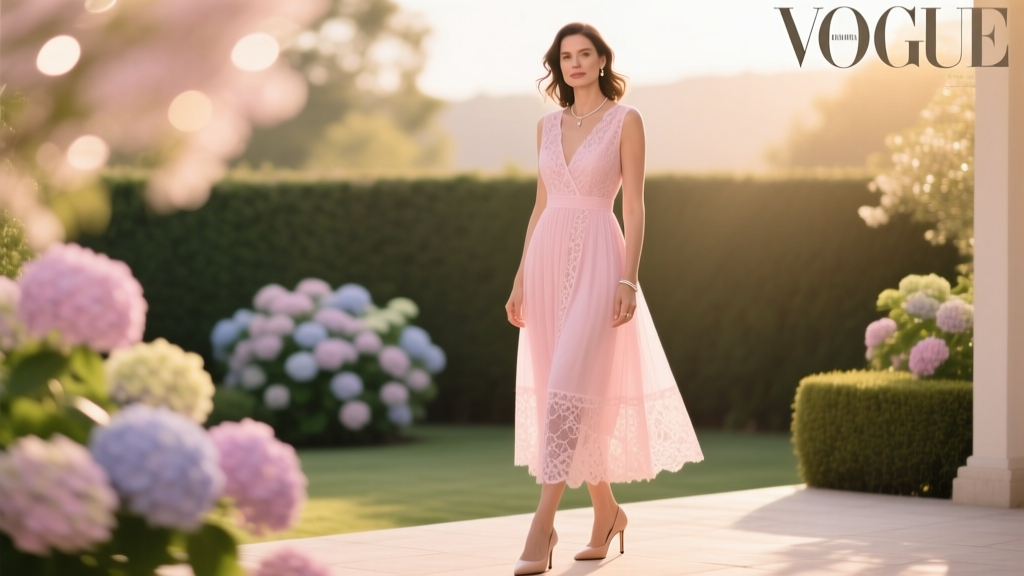
What to Wear to a Spring Wedding (2026)
Why 'What to Wear to a Spring Wedding' Is the #1 Style Stressor This Season
If you’ve recently received a pastel-hued invitation with blooming florals and a May date, you’re not alone in pausing mid-scroll—wondering whether your navy blazer is too heavy, if that floral midi dress reads ‘bride’s sister’ instead of ‘guest,’ or whether ‘cocktail attire’ means heels or wedges. What to wear to a spring wedding isn’t just about aesthetics—it’s a high-stakes micro-decision layered with unspoken social codes, unpredictable weather shifts, and the quiet pressure to honor both the couple’s vision and your own authenticity. With over 68% of U.S. weddings now held between March and June (The Knot 2024 Real Weddings Study), this question isn’t niche—it’s urgent. And unlike winter galas or black-tie affairs, spring weddings straddle a stylistic tightrope: too formal feels stiff; too casual risks disrespect; too seasonal can veer into costume territory. Let’s cut through the confusion—not with rigid rules, but with context-aware, climate-intelligent, confidence-building strategy.
Your Spring Wedding Attire Must-Have: Fabric First, Color Second
Most guests start with color—and immediately hit a wall. But seasoned stylists and bridal consultants agree: fabric choice is the silent foundation of every successful spring outfit. Why? Because spring’s defining trait isn’t just blossoms—it’s volatility. One hour: 62°F and breezy; the next: 78°F and humid. A wool crepe suit may photograph beautifully at ceremony time—but by cocktail hour, you’ll be fanning yourself with your program. Prioritize natural, breathable weaves with intelligent structure:
- Linen-blends (70% linen / 30% cotton or Tencel): Offers drape and breathability without excessive wrinkling—ideal for garden ceremonies and outdoor receptions.
- Lightweight wool suiting (under 250g/m²): Surprisingly versatile for early-spring events (March–early April) when mornings chill but afternoons warm.
- Chambray, seersucker, or double-gauze cotton: Textural interest + airflow—perfect for daytime or semi-formal settings.
- Avoid: Polyester blends (traps heat), heavy satin (looks overly formal or bridal-adjacent), and thick knits (even lightweight ones often lack ventilation).
Real-world example: Sarah, a guest at a 4 p.m. vineyard wedding in Sonoma last April, chose a sage green double-gauze jumpsuit. She layered a cropped ivory linen blazer for the ceremony, then shed it as golden hour hit—staying cool, polished, and photo-ready all evening. Her secret? She tested the fabric’s breathability by holding it to her cheek for 10 seconds before buying. If it felt clammy or staticky, she passed.
The Color Code: What’s In, What’s Taboo (and Why It’s Not Just About White)
Yes, avoid pure white, ivory, and champagne—but the real nuance lies deeper. Spring color psychology matters: soft hues signal harmony with nature, while saturated tones command attention (sometimes unintentionally). According to Pantone’s 2024 Spring Color Report, top guest-friendly palettes include Apricot Crush, Blue Atoll, and Green Sheen—all low-saturation, high-wearability shades that complement floral backdrops without competing.
Here’s how to navigate it intelligently:
- Bridesmaids’ colors? Don’t mirror them—even in different silhouettes. If the bridesmaids wear dusty rose, choose terracotta or olive instead of blush.
- Florals on your outfit? Yes—but keep scale intentional. A bold botanical print reads festive; a tiny, dense floral can look dated or overly literal. Opt for one dominant bloom motif (e.g., magnolia or ranunculus) in a modern cut.
- Neutrals aren’t boring—they’re strategic. Think oatmeal, stone grey, or warm taupe—especially in textured fabrics. They anchor brighter accessories and photograph flawlessly in dappled light.
Case study: At a Hudson Valley barn wedding last May, three guests wore variations of ‘mint.’ One chose a solid mint silk skirt + ivory lace top (elegant), another wore a mint-and-navy gingham dress (playful), and the third wore head-to-toe neon mint polyester (distracting). The first two were praised in multiple guest photos; the third was edited out of the couple’s shared album. Context—and material—changed everything.
Venue & Time-of-Day Decoding: Your Personalized Dress Code Translator
‘Cocktail attire’ means something radically different at a 3 p.m. botanical garden ceremony versus an 8 p.m. rooftop reception in Atlanta. Rather than memorizing definitions, use this real-time decoder:
| Venue + Timing | Smart Interpretation | Outfit Example (Women) | Outfit Example (Men) |
|---|---|---|---|
| Garden ceremony, 2–4 p.m. | Polished garden party: covered shoulders optional, hemlines knee-to-mid-calf, footwear stable | Linen wrap dress + low block heels + woven clutch | Light tan chino suit + pale blue oxford cloth shirt + suede loafers |
| Beachfront resort, 5 p.m. sunset ceremony | Effortless elegance: bare shoulders OK, fabrics must resist salt air & wind | Weighted silk slip dress + wide-brim straw hat + leather sandals | Linen-linen blend suit (no tie) + short-sleeve knit polo + espadrilles |
| Historic hotel ballroom, 6:30 p.m. dinner | Cocktail refined: structure matters, shine is welcome, heels expected | Structured crepe sheath dress + crystal drop earrings + pointed-toe pumps | Midnight blue tuxedo jacket + charcoal slim trousers + satin bow tie |
| Rustic barn, 4 p.m. + dancing outdoors | Comfort-forward chic: prioritize movement, grip, and wrinkle resistance | A-line eyelet cotton dress + low-heeled ankle boots + denim jacket | Dark selvedge jeans + tailored corduroy blazer + Chelsea boots |
Note the pattern: time-of-day affects formality expectations more than stated dress code. A 2 p.m. event—even at a luxury venue—leans relaxed; an 8 p.m. affair—even in a backyard—demands polish. Also: always assume grass, gravel, or cobblestone unless confirmed otherwise. That $295 pair of stilettos? Reserve them for marble floors only.
Accessories & Practicalities: The Unseen 20% That Makes or Breaks Your Look
You could nail the dress and suit—but forget one key detail, and your entire ensemble unravels. These are the non-negotiables most guests overlook:
- Footwear science: Bring two pairs. Pack supportive flats or foldable ballet slippers for dancing or uneven terrain—and wear your statement shoes for photos. Brands like Tieks and Rothy’s now offer machine-washable, arch-supported options under $150.
- Weather insurance: A compact, lined trench (not a raincoat) works for drizzle and breeze. For sunny venues, UV-protective wide-brim hats (with secure ties) double as style anchors and sun shields.
- Bag logic: Skip oversized totes. You’ll need hands-free access for cake, champagne, and phone photos. Crossbody bags under 8” x 6” (like the Cuyana Classic or Everlane Day Market) hold lipstick, ID, cash, and a mini handkerchief—nothing more, nothing less.
- Layering math: Spring layers should weigh ≤ 12 oz total. A lightweight merino cardigan (4 oz), silk scarf (2 oz), and unlined blazer (6 oz) = perfect adaptability. Anything heavier defeats the purpose.
Pro tip from stylist Lena Torres (who preps 200+ wedding guests annually): “I tell clients to do the ‘3-Minute Test’ before finalizing: Put on your full outfit—including shoes and bag—and walk briskly around your block for three minutes. If you adjust your straps, tug your waistband, or feel overheated—swap one element. Comfort isn’t compromise. It’s longevity.”
Frequently Asked Questions
Can I wear white or ivory if it’s not my dress?
Absolutely—if it’s not a full head-to-toe monochrome look. A white blazer over navy pants, ivory sandals with a coral dress, or a cream silk scarf are all perfectly acceptable. The taboo targets outfits that visually echo the bride’s gown: no off-white lace dresses, no ivory satin slips peeking from under skirts, and never a white belt with a white top and white bottom. When in doubt, introduce contrast: add gold hardware, a pop of color, or texture variation.
Is it okay to wear black to a spring wedding?
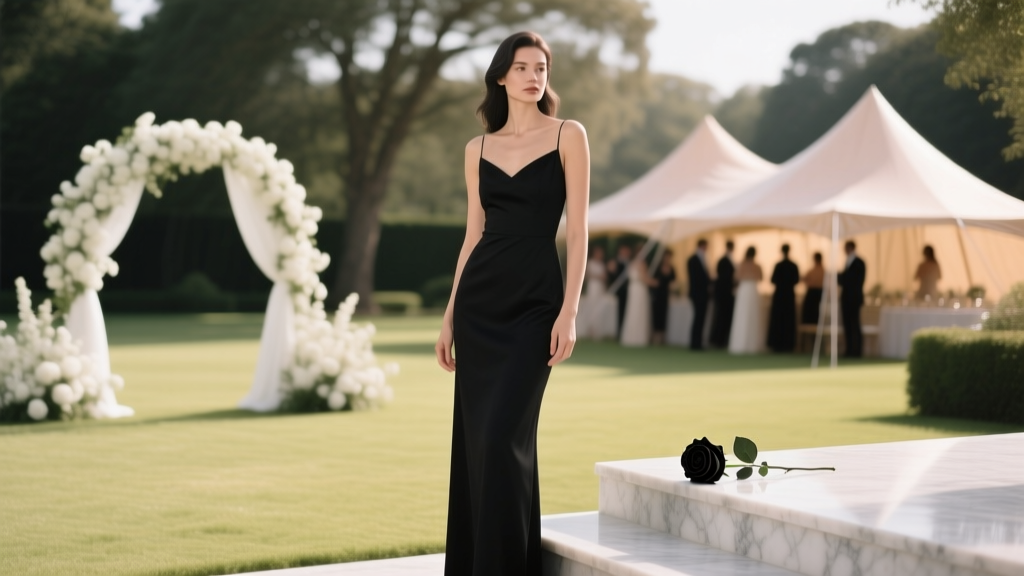
Yes—when styled intentionally. Black reads sophisticated, not somber, in spring if balanced with warmth and lightness: pair black wide-leg trousers with a butter-yellow silk blouse and wooden bangles; wear a black lace midi dress with nude block heels and a woven straw bag. Avoid matte black separates in dull lighting (e.g., indoor evening events)—opt instead for black with subtle sheen (crêpe, ribbed knit, or hammered silk) to reflect ambient light.
What should kids wear to a spring wedding?
Think ‘miniature adult elegance’—not costumes. Girls: cotton-blend smocked dresses in sage, sky blue, or lavender; avoid excessive tulle or glitter. Boys: tailored shorts (knee-length) with a short-sleeve button-down and boat shoes—or chino pants with a polo and low-top sneakers for rustic venues. Always prioritize comfort: tagless seams, stretch waistbands, and breathable cotton > polyester. Pro tip: pack one extra set of clothes in the car—spring weather surprises happen.
Do I need to match my partner’s outfit?
No—but cohesion elevates both looks. Aim for complementary palettes (e.g., her terracotta dress + his rust linen shirt) or tonal harmony (her slate blue jumpsuit + his charcoal trousers + navy pocket square). Avoid identical colors (she wears navy, he wears navy) unless intentionally coordinated like a duo—most couples find it distracting. Instead, share one accent: same metal tone (gold jewelry/watch strap), same shoe material (both in suede), or same botanical motif (her dress has eucalyptus print; his pocket square features the same leaf).
Are jumpsuits or pantsuits appropriate for women?
Not just appropriate—they’re often the smartest choice. Modern jumpsuits (wide-leg, tailored, with defined waist) read elevated and effortless. Pantsuits in spring-weight fabrics (linen, crepe, lightweight wool) project confidence without overheating. Key fit notes: ensure the shoulder line hits precisely at your natural shoulder bone, and the pant break grazes the top of your shoe—not pooling or hovering. Bonus: they eliminate ‘slip dress anxiety’ and allow full mobility during dancing.
Common Myths
Myth 1: “Pastels are mandatory for spring weddings.”
Reality: Pastels are popular—but not required. Deep jewel tones (emerald, sapphire, amethyst) photograph stunningly against spring greenery and convey richness without heaviness. A burgundy wrap dress at a May garden wedding drew compliments all night—not because it was expected, but because it was intentional and well-executed.
Myth 2: “You must spend $300+ to look appropriate.”
Reality: Value lives in fabrication and fit—not price tags. A $89 Reformation linen-blend dress, altered for $45, outperformed a $420 fast-fashion piece that wrinkled within an hour. Renting (via Armoire or Nuuly) or borrowing from a stylish friend is equally valid—and sustainable. Focus budget on shoes and outerwear: those items see daily wear beyond the wedding.
Your Next Step Starts With One Smart Choice
Choosing what to wear to a spring wedding isn’t about perfection—it’s about presence. It’s wearing fabric that lets you breathe, color that makes you feel grounded, and shoes that let you dance until midnight—without Googling ‘how to remove grass stains’ at 1 a.m. You now have a framework, not a formula: fabric first, venue second, personal joy third. So open your closet—not to panic, but to curate. Pull one piece you love. Ask: Does it breathe? Does it move with me? Does it reflect who I am—not who I think I should be? Then build around it, using the table above as your compass. And if you’re still uncertain? Take a photo in natural light and text it to the couple’s wedding planner (not the bride—respect their bandwidth). Most will reply within 24 hours with genuine, venue-specific feedback. Your outfit isn’t just clothing. It’s your quiet RSVP to joy.
More Articles
 Wedding Invitation Time Format: The 7-Second Rule (2026)
 Wedding Invitation Checklist: 7 Steps to Avoid Panic
 When to Send Wedding Invites: Stop Stressing About Timing
 Black to a Wedding? 2026 Etiquette Rules
 A-Line Scoop Wedding Dress: Confidence & Fit Tips (2026)
 Wedding Dress Timeline: When to Order (2026)
 All-Inclusive Wedding Venues: When They Save Money (2026)
 How to Introduce a Poem at a Wedding (2026)
 Wedding Venue Deposit: Real Costs & Protection Tips
 How to Small Wedding: A Realistic 2026 Guide