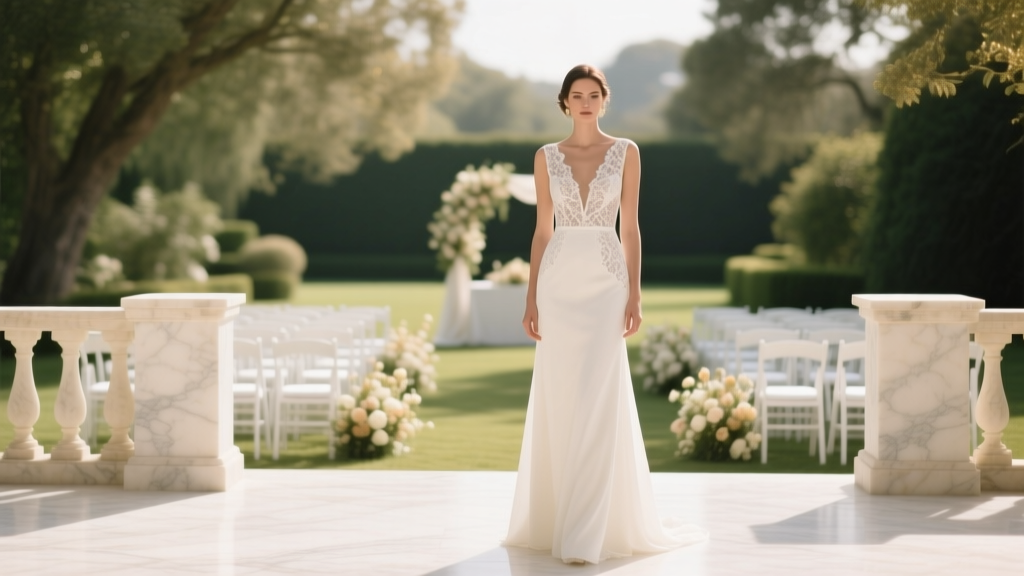
Can You Wear a White Dress as a Wedding Guest
Can You Wear a White Dress as a Wedding Guest?
If you’ve ever stood in front of your closet holding a beautiful white dress and wondered, “Is this allowed at a wedding?” you’re not alone. The “no white” rule is one of the most talked-about pieces of wedding guest etiquette—yet modern weddings have made it feel less clear than it used to be.
This question matters because weddings are emotionally charged, photo-heavy, and full of symbolism. What you wear as a guest can unintentionally pull focus, create awkwardness, or—on the flip side—fit perfectly with a couple’s vision. Couples planning their wedding also benefit from understanding the etiquette so they can guide guests (and avoid day-of stress).
Quick Answer: Should a Wedding Guest Wear White?
Usually, no—don’t wear a white dress to a wedding as a guest unless the couple explicitly says white is welcome. If you’re unsure, choose another color. It’s the easiest way to respect tradition, avoid confusing photos, and keep the attention where it belongs.
Why Wearing White Can Be a Big Deal (Even If You Mean Well)
The classic reason is simple: in many cultures (especially in the U.S., Canada, and much of Europe), white is reserved for the bride. Even if the bride isn’t wearing a traditional gown, white still signals “wedding lead” in a way that can feel competitive or attention-grabbing.
Wedding planner Maya Reynolds of Reynolds Events puts it plainly: Most dress-code issues I handle could have been avoided if guests skipped white, ivory, and anything that photographs bridal. It’s rarely worth the risk.
There’s also a practical angle. Many weddings include:
- Portrait-style photos where guests might appear next to the couple
- Getting-ready and reception candid shots where a white dress pops visually
- Dim lighting where light colors can read as white even when they aren’t
Even a “simple” white sundress can stand out in group photos—and that’s typically the opposite of what couples want from guest attire.
Modern Wedding Etiquette: When the Rules Get Flexible
Today’s weddings are more personalized than ever. Couples may skip the traditional gown, wear color, choose a nonbinary wedding look, or request guests wear specific colors as part of a theme. That’s where the white-dress question starts to have exceptions.
Here are real-world scenarios where wearing white might be fine:
1) The couple requests an “all-white” dress code
All-white weddings are a current trend, especially for summer celebrations, beachfront ceremonies, and chic city receptions. If the invitation, wedding website, or couple says “wear white”—then yes, wear white.
We asked everyone to wear white or cream for our rooftop wedding because we wanted that clean, editorial look in photos,
says Jordan, a recent groom. It made the whole night feel cohesive—and we loved not being the only ones in light tones.
2) A cultural wedding where white isn’t “bridal”
Not every culture treats white the same way. In some traditions, white is associated with mourning; in others, brides wear red, gold, or bright colors. If you’re attending a wedding with traditions different from your own, it’s smart to ask someone close to the couple (or check their wedding website) about expectations.
3) The outfit isn’t “bridal” even if it includes white
There’s a difference between a white dress and a dress that has some white. A floral dress with a white background, a navy dress with white polka dots, or a patterned jumpsuit with white accents is often acceptable—though it depends on how “white” it reads from a distance and in photos.
Stylist Elena Park shares a helpful rule: If someone could describe your outfit as ‘a white dress,’ don’t wear it. If they’d describe it as ‘a blue floral dress,’ you’re probably okay.
Traditional vs. Modern Approaches: What Couples and Guests Actually Expect
Traditional viewpoint
In more traditional circles, any white, ivory, cream, champagne, or very pale blush can be considered off-limits. Guests are expected to avoid anything that could be mistaken for bridal, including white lace, white satin, or formal light-toned gowns.
Modern viewpoint
In more relaxed settings, the rule becomes: don’t look like the bride. That might mean a short white casual dress is still not okay, but a patterned outfit with white is fine. Some couples truly don’t care—yet many still appreciate guests choosing another color as a sign of respect.
The challenge is that you can’t always tell which viewpoint the couple holds. When in doubt, err on the traditional side—it’s the safest etiquette.
Actionable Tips: How to Decide Without Stress
1) Check the invitation and wedding website for dress code clues
Look for wording like “garden formal,” “black tie,” “coastal chic,” or a color palette. If the couple has a Pinterest-worthy vibe and a specific palette, white might be intentionally reserved—or intentionally included.
2) Consider how it will photograph
A dress that’s “light blue” in person may read white in bright sunlight or flash photography. If it’s close, skip it.
3) Avoid bridal fabrics and silhouettes
Even if the color is slightly off-white, certain details can make it feel wedding-like:
- Lace overlays
- Tulle skirts
- Corset bodices
- Floor-length, structured gowns in pale tones
4) Ask—briefly and thoughtfully
If you’re truly stuck, ask the couple (or a close family member) one simple question: My dress has a white base with colorful florals—would that fit your dress code?
Keep it easy to answer, and be ready to pick something else if they hesitate.
5) Offer alternatives if you’re the couple planning the wedding
Engaged couples can prevent confusion by adding one line to the FAQ on the wedding website:
- “We kindly ask guests to avoid white/ivory/cream so the bride can shine.”
- “We’re having an all-white celebration—please wear white, cream, or beige!”
- “Our palette is jewel tones; feel free to wear patterns, but avoid solid white.”
Related Questions and Edge Cases Couples Wonder About
Is it okay to wear a dress with a white background and flowers?
Often yes—if the pattern is bold enough that the dress reads as floral or colorful overall. If the dress looks mostly white in photos, choose a different option.
What about ivory, cream, champagne, or very pale blush?
These shades are frequently used for bridal looks, especially for modern minimalist gowns. As a guest, it’s best to avoid them unless the couple says otherwise.
Can a guest wear a white blazer, white pants, or a white shirt?
A white shirt with a suit is generally fine (especially for men’s attire), but a head-to-toe white suit or white jumpsuit can feel attention-grabbing. White pants or a white blazer can be okay if the overall outfit doesn’t read bridal and the wedding is casual, but it’s still safer to choose another color if you have one.
What if the bride isn’t wearing white?
Even if the bride chooses a colorful gown, many guests still assume white is reserved. Unless the couple explicitly encourages guests to wear white, treat the “no white dress” rule as still in play.
What if a guest already bought a white dress?
If you’re the guest: add a colored wrap, bold jacket, or statement accessories only if the dress no longer reads as a “white dress”—but be careful, because accessories don’t always change the overall impression in photos. If you’re the couple: decide whether it’s worth addressing. Many couples let it go unless the outfit looks extremely bridal.
Conclusion: The Kindest Choice Is the One That Avoids Doubt
Most of the time, wearing a white dress as a wedding guest isn’t worth the risk—especially when there are so many beautiful guest-appropriate colors and prints. If the couple invites white, enjoy it. If they don’t, choose something else and feel confident you’re honoring both tradition and the couple’s moment.
More Articles
 Wedding Band Before Wedding: Truth, Tradition & Real Stories
 Pearls at Weddings: 7 Rules You Must Follow
 Wedding Night Sex: What 12,400 Newlyweds Actually Did
 What Is Wedding Stationery? Everything Couples Need to Know
 When to Confirm Your Honeymoon Reservations
 “A Wedding in Cherokee County” Lyrics: Who Sang It?
 Ruby Wedding Anniversary: What It Means at 40 Years
 Wedding Bands: Which Hand to Wear (2026)
 When Should You Write Your Wedding Vows
 Jeff Bezos Wedding Cost: The Real Number (2026)