## You Don't Need 200 Guests to Have the Wedding of Your Dreams
The average American wedding now costs over $30,000—and much of that goes toward feeding and entertaining people you barely know. More couples are discovering that a small wedding (typically 20–50 guests) isn't a compromise. It's a choice. An intimate celebration lets you be fully present, spend meaningfully, and create memories that actually last. Here's exactly how to do a small wedding the right way.
---
## 1. Define "Small" and Set Your Guest List First
Before you book a venue or pick a dress, lock in your guest list. This single decision shapes every other choice.
**Steps to build your intimate guest list:**
- Start with your non-negotiables: immediate family and closest friends only
- Use the "1-year rule": if you haven't spoken to someone in the past year, they likely don't need to be there
- Aim for 20–50 guests for a true micro wedding feel; under 20 is an elopement
- Communicate early and kindly—most people understand and respect the decision
A tight guest list immediately reduces catering costs (often $80–$150 per head), venue size requirements, and logistical complexity.
---
## 2. Choose a Venue That Fits the Vibe, Not the Crowd
Small weddings unlock venue options that large weddings simply can't use.
**Best small wedding venue ideas:**
- **Private home or backyard**: low cost, deeply personal, full control
- **Restaurant private dining room**: built-in catering, ambiance, no rentals needed
- **Boutique hotel suite or rooftop**: elegant without the ballroom price tag
- **State park or botanical garden**: stunning backdrops for a fraction of event-hall costs
- **Art gallery or library**: unique, intimate, often surprisingly affordable
For 30 guests, you don't need a 5,000 sq ft ballroom. A well-chosen small space feels curated, not cramped.
**Pro tip:** Many venues charge a flat rental fee regardless of guest count. With fewer guests, your per-person venue cost drops dramatically.
---
## 3. Redesign Your Budget Around What Actually Matters
A small wedding budget should be redistributed, not just reduced.
| Category | Large Wedding (150 guests) | Small Wedding (30 guests) |
|---|---|---|
| Catering | $15,000+ | $3,000–$5,000 |
| Venue | $5,000–$10,000 | $500–$2,500 |
| Photography | $3,000–$5,000 | $2,500–$4,000 |
| Flowers | $3,000+ | $800–$1,500 |
Notice that photography costs stay relatively similar—because great photos matter just as much at 30 guests as at 300. Redirect your savings toward a better photographer, a chef's tasting menu, or a honeymoon upgrade.
**Actionable steps:**
- Allocate 30–40% of your budget to food and drink (it's what guests remember most)
- Don't cut the photographer—this is your only visual record
- Skip the wedding favors, elaborate centerpieces, and printed programs
---
## 4. Make Intimacy Your Biggest Feature
The secret advantage of a small wedding is depth of experience. Lean into it.
**Ways to make your small wedding feel special:**
- **Assigned seating at one long table**: creates a dinner-party atmosphere, encourages conversation
- **Personalized place cards or menus**: small touches that feel intentional
- **Live acoustic music**: a single guitarist costs $300–$600 and transforms the atmosphere
- **Interactive elements**: a cocktail-making station, a photo corner, a guest book with prompts
- **Longer ceremony**: with fewer guests, you can include personal vows, readings, and rituals without losing the room
Couple case study: Sarah and James hosted 28 guests at a farm-to-table restaurant in Vermont. Total cost: $12,000. Every guest sat at one table. The couple spent 10+ minutes talking with each person. "It felt like the best dinner party of our lives," Sarah said. "We actually remember our wedding day."
---
## Common Myths About Small Weddings
**Myth #1: "A small wedding means you're not close to your family."**
False. A small wedding means you're prioritizing depth over breadth. Many couples with large families simply host a separate celebration dinner for extended relatives—a relaxed, low-cost gathering that feels more personal than a formal reception anyway.
**Myth #2: "Small weddings are only for couples with a tight budget."**
Also false. Many high-income couples choose intimate weddings deliberately. A small wedding lets you upgrade every element—better food, better venue, better photographer—while spending the same or less than a large wedding with compromises everywhere.
---
## Your Next Step
Learning how to do a small wedding comes down to one reframe: stop thinking about who to cut, and start thinking about who truly belongs in the room when you make the most important promise of your life.
**Start here:** Write down 20 names. No negotiating yet—just 20 people whose presence would make the day feel complete. That list is your foundation. Everything else—venue, budget, timeline—flows from it.
A small wedding done well isn't a lesser wedding. It's a better one.
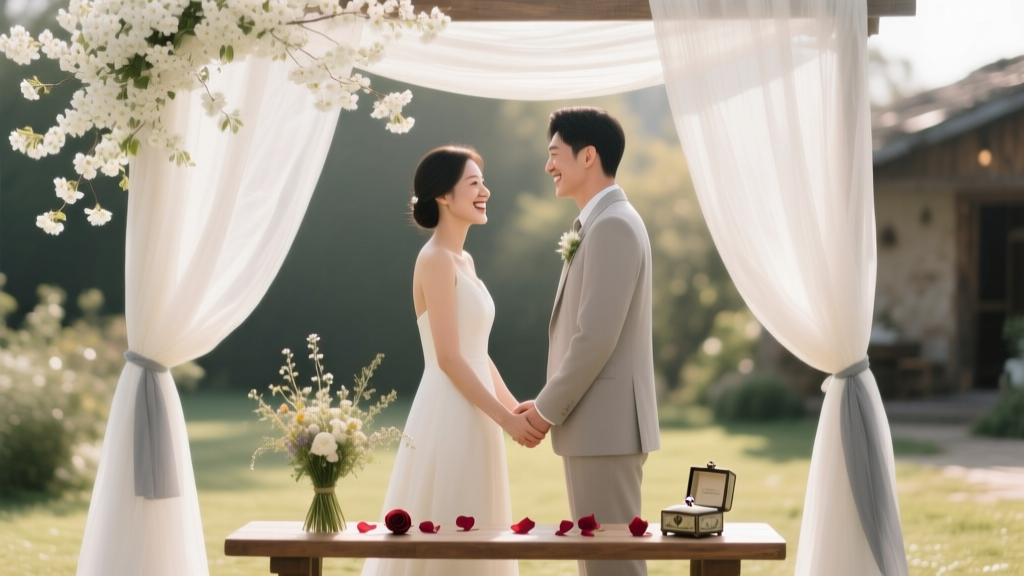
 Wedding DJ Selection Guide: 7 Essential Steps
 Love Is Blind Weddings: Who Pays for Rings, Venue, Catering?
 Diamond Wedding Bands for Men (2026)
 Wedding Band Hand: The 2026 Tradition Truth
 What to Do When Someone Declines Your Wedding Invitation
 Wedding Congratulations: 7 Science-Backed Phrases (2026)
 Wedding Band Placement: Above or Below Engagement Ring?
 Do Jehovah’s Witnesses Wear Wedding Rings? (2026)
 Josh Invite Drake to Wedding? Truth Behind Viral Rumor
 Beth and Rip’s Wedding: Real or TV Fiction? (2026)