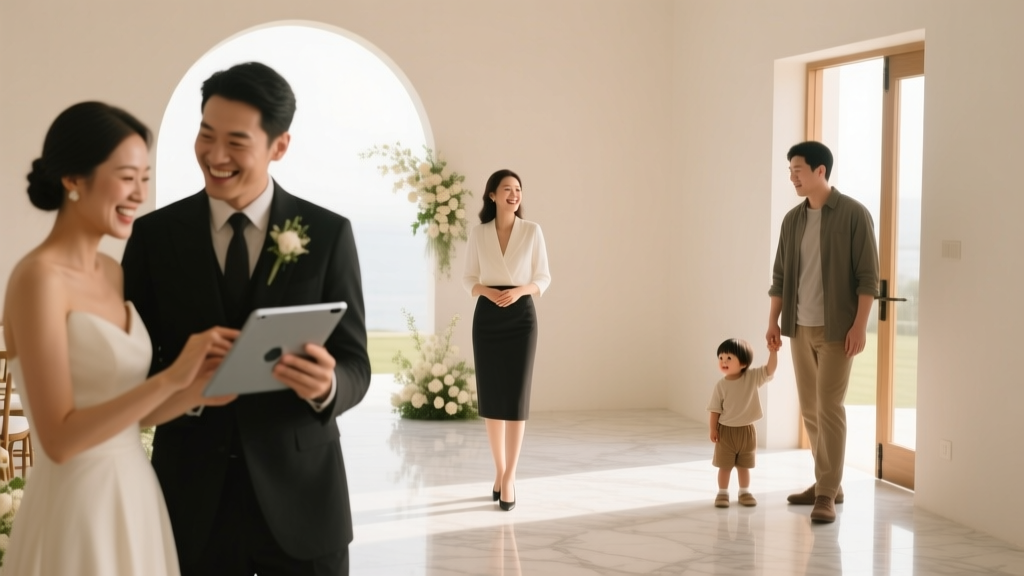
How to Handle a Wedding Guest Who Brings Children Uninvited
How to Handle a Wedding Guest Who Brings Children Uninvited
You’ve planned your guest list carefully, balanced your budget, and made thoughtful decisions about your wedding vibe—then the unexpected happens: a guest arrives (or hints they’re arriving) with children who weren’t invited. It can feel awkward fast, especially if you’re aiming for an adults-only celebration or you simply don’t have the space or catering count to accommodate extras.
This question matters because it’s not just about etiquette—it’s about your boundaries, your budget, and your ability to enjoy your own wedding day. The good news: you can handle it kindly and confidently without creating long-term family drama.
Quick answer: What should you do if a guest brings uninvited children?
Stay calm, be gracious in the moment, and stick to your plan. If the kids show up on the wedding day, enlist a trusted point person (planner, coordinator, or a firm-but-kind family member) to handle it privately. If you hear about it ahead of time, address it immediately with a warm but clear message: “We’re keeping the wedding adults-only, and we’re not able to accommodate additional guests.” Then offer a practical option—childcare suggestions, a local sitter list, or helping them adjust their RSVP.
Why this happens (and why it’s not always malicious)
Most guests aren’t trying to disrespect you. More commonly, they:
- Assume children are automatically included (especially if you’re inviting families in other cases).
- Misread the invitation (“The Smith Family” can be interpreted loosely).
- Struggle with childcare, travel logistics, or breastfeeding needs.
- Come from a more traditional background where weddings are community events and kids are expected.
“I’ve seen this happen even with very clear invitations,” says Mara Lin, wedding planner and owner of Blue Ridge Weddings. “People get overwhelmed and focus on the date and location. They don’t always absorb the details—especially boundaries like ‘adults-only.’”
Modern etiquette: adults-only weddings are normal
Adults-only weddings are one of the most common wedding trends couples choose right now, especially with rising catering costs and couples prioritizing a certain atmosphere (cocktail-style receptions, late-night dancing, smaller venues). It’s also increasingly common to see “limited seating,” “intimate wedding,” or “we’re unable to accommodate children” language on wedding websites.
That said, modern etiquette is a two-way street:
- Couples should communicate clearly and consistently (invitation, RSVP, wedding website, and word-of-mouth).
- Guests should respect the invitation as written—and ask if they’re unsure rather than assume.
Scenario 1: You find out before the wedding (best-case timing)
If you learn ahead of time that a guest plans to bring children uninvited, handle it directly and promptly. Waiting tends to make it messier.
What to say (simple and friendly):
“I’m so excited you’re coming! Quick note: we’re keeping the wedding adults-only and can’t accommodate kids. I totally understand if that changes your plans—just let us know what you decide.”
If you’re worried about sounding harsh, add help:
“If it helps, I can share a couple local sitter recommendations near the hotel.”
Real-couple experience (fictional but realistic): “My cousin texted that she was bringing her two kids because ‘they love weddings,’” says Danielle, married in 2024. “I panicked, but I sent a kind message saying we couldn’t accommodate extra guests and offered two babysitter contacts from our venue. She ended up coming solo and we’re totally fine now.”
Scenario 2: The children arrive on the wedding day (the tricky one)
If the kids show up at the ceremony or reception, you have two goals: protect your peace and avoid a public confrontation. This is not a moment for you—the couple—to manage personally.
Assign a “gatekeeper” in advance. This can be:
- Your wedding planner/coordinator
- A venue manager
- A trusted bridesmaid/groomsman
- A calm, respected relative who won’t cave under pressure
What your point person can say privately:
“Hi! I’m so sorry—today is adults-only and we don’t have seats or meals for children. We can help you call a sitter or arrange a ride back to the hotel if needed.”
If your venue has security or a front desk, they can discreetly help, especially for smaller venues with capacity limits or plated dinners with assigned seating.
“Couples worry this will look rude, but it’s actually more uncomfortable for everyone if it becomes a scene,” says Jon Alvarez, venue coordinator. “A calm private conversation solves most cases in under five minutes.”
Traditional vs. modern approaches: choosing what fits your values
More traditional perspective: Some families genuinely view weddings as family-wide gatherings. If you’re getting pressure from older relatives—“Kids belong at weddings!”—you can still set a boundary while acknowledging the sentiment. Consider whether you want to invite only immediate family children (flower girl/ring bearer, nieces/nephews) and keep it adults-only otherwise.
More modern perspective: Many couples treat the wedding like a hosted event with a curated guest list, similar to a dinner party. Under this approach, bringing uninvited children is the same as bringing any uninvited guest. It’s okay to be firm: you planned for a specific headcount.
Middle-ground option: Some couples choose a “kids at ceremony, adults at reception” plan, or provide on-site childcare in a separate room. These are more common now for destination weddings or when many guests are traveling with children.
Actionable tips to prevent uninvited children (and reduce awkwardness)
- Be crystal clear on invitations: Address the envelope to the invited adult(s) by name. Avoid “The Smith Family” unless you mean it.
- Use RSVP controls: If you’re using online RSVPs, set it so guests can only RSVP for the names invited. This is one of the most helpful modern wedding planning tools.
- Add a gentle line on your wedding website: “We love your little ones, but our celebration will be adults-only.”
- Spread the message through VIPs: Ask parents, siblings, and your wedding party to help reinforce the policy if questions come up.
- Offer resources, not negotiations: A sitter list, childcare agency, or hotel babysitting service info can make guests feel supported.
- Plan seating and meals with a cushion (if you can): If your budget allows, a couple extra meals can reduce stress for genuine mishaps. This doesn’t mean you have to accept boundary-pushers—just that you won’t be derailed by one surprise.
What if you feel guilty? (A lot of couples do.)
It’s normal to worry you’re being “mean” by having an adults-only wedding or enforcing the guest list. But a wedding isn’t a public event—it’s hosted. You’re not judging anyone’s parenting or family. You’re making a practical decision based on budget, venue capacity, and the kind of celebration you want.
A helpful reframe: “We’re not excluding your kids; we’re choosing the experience we can host well.”
Related questions couples often ask
What if the guest says they can’t come without their children?
Respect it. Respond kindly: “We completely understand. We’ll miss you, but we appreciate you letting us know.” Do not get pulled into long debates. If they decline, it’s better than resentment on either side.
What if it’s a breastfeeding infant or a “babes-in-arms” situation?
This is a common exception even at adults-only weddings. If you’re comfortable, you can allow infants who are exclusively nursing. If you’re not, you can still say no—but be compassionate and clear. Consider offering a quiet space for feeding if you do allow it.
What if your wedding party member wants to bring kids?
Handle it early, and don’t assume they know the rules apply to them too. Say: “Because of space and budget, we’re not including kids—even for the wedding party.” If you’re making an exception for one person, decide whether you can live with the ripple effect.
What if the guest writes in extra people on the RSVP card?
Call or text promptly: “We received your RSVP—so excited! Just confirming we have seats reserved for [names invited].” If needed: “We’re unable to accommodate additional guests.”
What if it’s a destination wedding and guests are traveling with kids?
Destination weddings increase childcare challenges, so you’ll get this more often. Consider providing a vetted childcare list, hosting a family-friendly welcome event, or recommending a trusted nanny service through the resort/hotel.
Conclusion: firm can still be kind
A guest bringing children uninvited is stressful, but it doesn’t have to ruin your celebration. Clear communication, a calm boundary, and a designated point person on the wedding day will solve most situations quickly and discreetly. You’re allowed to host the wedding you planned—whether that’s adults-only, family-friendly, or something in between—and the right guests will respect it.
More Articles
 Can a Wedding Officiant Marry Themselves? (2026)
 Post Wedding Blues: 7 Science-Backed Ways to Cope
 How to Say Wedding in 12 Languages (2026)
 Nick Jonas Wedding Cost: $30–$50M Breakdown
 How Much Do Wedding Bands Make in 2026
 Madea Destination Wedding on Netflix: Release Date (2026)
 Sims Mobile Wedding Quest: Step-by-Step Guide (2026)
 “Are You Wedding?” Is a Red Flag (2026)
 Wedding Ring Superstitions: Truth vs. Tradition (2026)
 Sell Used Wedding Dress: 7 Real Options That Pay (2026)