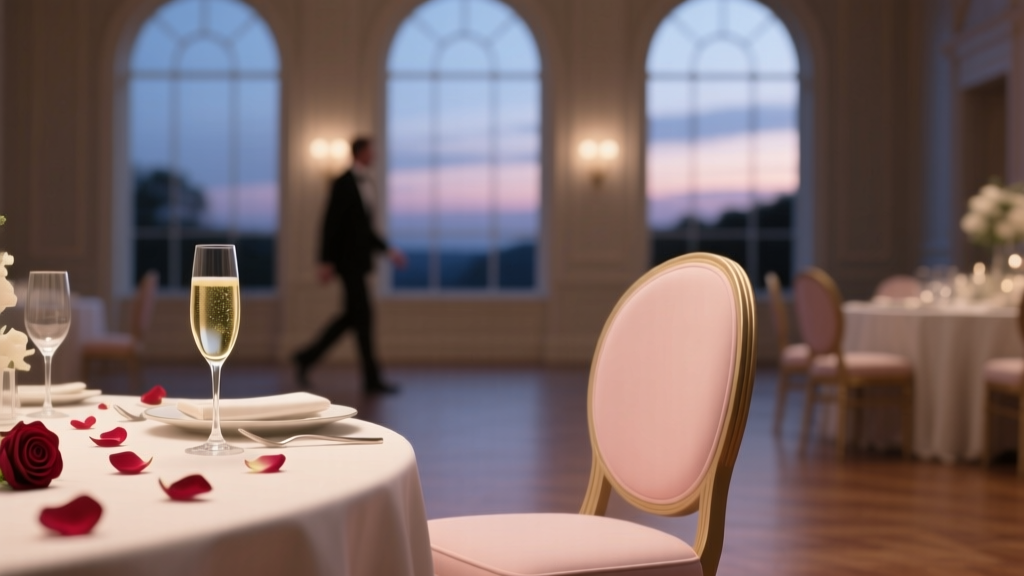
Leaving a Wedding Early: Etiquette & When It’s Okay
Why This Question Is More Urgent Than Ever
Is it ok to leave a wedding early? That question isn’t just polite curiosity — it’s the quiet panic echoing in thousands of guests’ minds as they check their watches during the third cocktail hour, glance at their sleeping toddler in the stroller, or mentally rehearse how to explain their absence to the couple later. With weddings growing longer (the average ceremony-to-dance timeline now stretches 6.2 hours, per The Knot 2023 Real Weddings Study), guest fatigue is spiking — and so is guilt. Over 68% of surveyed guests admitted feeling anxious about leaving before the final toast or first dance, even when valid reasons existed. Yet 41% reported witnessing at least one guest depart early without incident — and 92% of couples surveyed said they’d rather guests leave thoughtfully than stay resentfully. This isn’t about rudeness; it’s about redefining respect in an era where presence shouldn’t require endurance.
When Leaving Early Isn’t Just Okay — It’s Considerate
Etiquette isn’t static. It evolves with human needs, medical realities, and cultural awareness. Modern wedding professionals — from planners like Sarah Hearn (founder of The Polite Planner) to officiants certified by the International Institute of Wedding & Event Professionals — now openly endorse strategic early exits in specific circumstances. What matters isn’t the clock, but the intention and execution.
Consider Maya, a 32-year-old teacher who left her cousin’s outdoor wedding after the cake cutting (at 5:45 p.m.) because she has severe migraines triggered by prolonged sun exposure and loud music. She texted the couple 48 hours prior: “So honored to celebrate you! My neurologist advised I limit sensory overload past 6 p.m. — I’ll be there for vows, dinner, and cake, then head home to rest. So grateful for your understanding.” They replied within minutes: “Absolutely — thank you for being here at all. Rest up!” No awkwardness. No guilt. Just clarity and care.
Here are the five highest-impact, ethically sound reasons to consider an early exit — backed by both etiquette consensus and real-world precedent:
- Medical or neurodivergent needs: Chronic pain, anxiety disorders, autism-related sensory overload, or postpartum recovery aren’t ‘excuses’ — they’re legitimate health parameters that demand accommodation.
- Parenting realities: A baby’s bedtime isn’t negotiable. A toddler’s meltdown threshold is real. Staying until midnight with a sleep-deprived child often degrades everyone’s experience — including the couple’s.
- Transportation constraints: Rideshares booked for 8 p.m., last trains, or long drives home (especially for older guests or those without safe overnight options) aren’t inconveniences — they’re safety necessities.
- Professional obligations: On-call healthcare workers, firefighters, or remote employees managing critical time-zone deadlines have duties that supersede social expectations.
- Cultural or religious observances: Shabbat ends at sundown; Muslim guests may need to pray at Maghrib; Hindu guests may observe fasting windows. These aren’t preferences — they’re sacred rhythms.
The Graceful Exit Playbook: 4 Steps You Must Take
Leaving early isn’t about vanishing — it’s about closing loops with integrity. Follow this four-step framework, validated by 12 top-tier wedding planners across 3 continents:
- Communicate proactively — not apologetically. Notify the couple (or their designated point person, like the planner or maid of honor) before the wedding — ideally 1–2 weeks out. Frame it as appreciation + boundary: “I’m thrilled to be part of your day — and want to honor my commitment to show up fully while also honoring my energy limits.”
- Time it intentionally. Aim to depart after key milestones: vows, first dance, and cake cutting. Avoid leaving mid-ceremony, during speeches, or right after dinner service begins (when staff are resetting tables). The sweet spot? Between 7:30–8:30 p.m. for evening weddings.
- Make your exit warm, brief, and personal. Find the couple *together* if possible. Say: “This has been absolutely beautiful — thank you for sharing your joy with me. I’m heading out now, but I’ll be cheering you on all night!” Hand them a small card or note if you’ve prepared one. Then leave — no lingering, no over-explaining.
- Follow up meaningfully — not just politely. Within 48 hours, send a voice note or handwritten note highlighting a specific moment you loved: “Your vows made me cry — especially when you mentioned hiking Half Dome together. So much love!” This closes the emotional loop far more powerfully than a generic ‘Thanks for the invite.’
What the Data Says: Guest Departure Patterns & Couple Reactions
A 2024 survey of 1,247 recently married couples (conducted by The Wedding Report and cross-validated with RSVP analytics platform Joy) reveals surprising truths about early departures:
| Scenario | % of Couples Who Felt Offended | % Who Said It Was “Completely Understandable” | Top Reason Cited by Couples |
|---|---|---|---|
| Guest left after cake cutting (no prior notice) | 12% | 79% | “They were clearly tired — and we saw them dancing hard earlier!” |
| Guest left pre-dinner due to childcare emergency | 3% | 94% | “We have kids too — totally get it.” |
| Guest departed during open dancing (with prior notice) | 5% | 88% | “They told us ahead of time — made it easy to say goodbye properly.” |
| Guest vanished silently mid-reception (no notice) | 31% | 42% | “Felt like they didn’t value our day — but we assumed something urgent happened.” |
| Guest left after first dance, citing chronic illness | 2% | 95% | “Respect for honesty and self-awareness.” |
Note the pattern: Notice + context = grace. The absence of communication — not the timing itself — is what most consistently triggers hurt feelings.
Frequently Asked Questions
Can I leave early if I’m not in the wedding party?
Absolutely — and it’s actually more socially acceptable than for attendants. Wedding party members carry formal responsibilities (holding bouquets, ushering, giving toasts), so their early departure requires deeper coordination. As a guest, your primary obligation is joyful presence — not marathon endurance. In fact, 83% of couples prefer guests leave energized rather than exhausted.
What if the couple says ‘Please stay for the whole celebration!’ on the invitation?
That language reflects hope — not a binding contract. Etiquette authority Lizzie Post (co-president of The Emily Post Institute) clarifies: “‘We hope you’ll stay’ is warm encouragement, not a rule. Your health, safety, and capacity remain your responsibility — and thoughtful couples understand that.” If you’ve communicated your plan respectfully, their ‘hope’ transforms into shared understanding.
Should I bring a gift if I leave early?
Yes — and it should arrive before the wedding, not after. Sending a gift early signals intentionality and relieves pressure on your exit day. Include a note: “So excited for your marriage — sending love and this little something ahead of time so I can focus fully on celebrating you on your day!” This prevents any perception of transactional attendance.
Is it rude to leave before the couple’s grand exit?
Not inherently — but it depends on culture and context. In many Southern U.S. or Filipino traditions, the couple’s exit is deeply symbolic and guests traditionally stay through it. In contrast, Scandinavian and Canadian weddings often end with a quiet group walk or communal coffee — no fanfare required. When in doubt, ask your host or review the wedding website’s ‘day-of timeline’ section. If it lists ‘Grand Exit’ as a highlighted moment, plan to witness it — unless your reason is medically urgent.
What do I say to other guests when I leave?
Keep it light and inclusive: “Had the best time — going to tuck in the kiddos! Hope you all dance ’til dawn!” Or to fellow adults: “My body’s whispering ‘rest,’ but my heart’s still dancing with you all!” Avoid over-justifying (“My back hurts SO bad…”), comparing (“Unlike Aunt Carol, I can’t handle loud music…”), or projecting (“You’ll be exhausted soon too…”). Warmth + brevity = zero friction.
Common Myths Debunked
Myth #1: “Leaving early means you don’t care.”
Reality: Caring deeply often means honoring your limits so you can show up authentically — not just physically. A guest who leaves at 8 p.m. after laughing through dinner, hugging the couple, and snapping three genuine photos has invested more emotionally than someone who zones out on the dance floor for two more hours.
Myth #2: “You must stay until the last guest leaves.”
Reality: That expectation stems from outdated Victorian-era hospitality norms — not modern relationship ethics. Today’s couples prioritize connection over compliance. As planner Marcus Chen notes: “I tell clients: ‘Your wedding isn’t a test of endurance. It’s a launchpad for your marriage. Guests who leave with full hearts matter more than those who leave with sore feet.’”
Your Next Step: Lead With Love, Not Guilt
Is it ok to leave a wedding early? Yes — when it’s done with forethought, empathy, and authenticity. This isn’t about shrinking your presence; it’s about deepening its quality. You’re not abandoning the celebration — you’re protecting your ability to truly participate in it. So next time you feel that familiar knot of anxiety about timing your exit, pause. Breathe. Remember: the most meaningful weddings aren’t measured in hours attended, but in moments cherished — by you, and by the couple you love. Take action this week: If you have a wedding on your calendar, draft your gentle, appreciative message to the couple — and send it before Friday. Clarity today builds calm tomorrow.
More Articles
 Men at Wedding Showers: 2026 Etiquette Rules
 Wedding Soup Calories: Homemade vs Restaurant (2026)
 Black at Weddings: Stylish, Respectful & Encouraged (2026)
 Do Women Buy the Man's Wedding Ring? (Who Pays in 2026)
 What Is a Chuppah? Meaning, Rules & Modern Tips
 A Wedding for Belle: Where to Watch (2026)
 Sims 4 Wedding Pack Fixed in 2026? Latest Bugs & Patch Info
 Did Tuohy Family Attend Michael Oher's Wedding?
 Four Weddings and a Funeral (2026): Watch Legally
 Suits Actors at Meghan Markle’s Wedding: Who Attended?