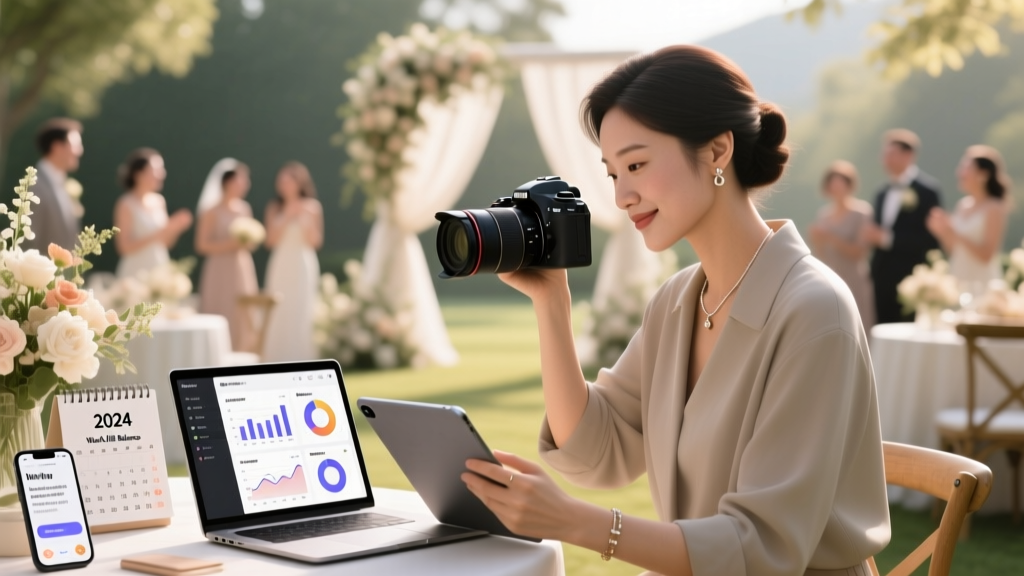
Wedding Content Creator: Role, Income & Hiring (2026)
Why This Question Matters More Than Ever—Right Now
If you’ve scrolled Instagram lately and paused on a sun-drenched first-look video that felt like a mini-movie—or watched a TikTok montage of laughter, shaky handheld vows, and behind-the-scenes confetti chaos that made you tear up *before* the ceremony even started—you’ve already encountered the work of a wedding content creator. But if you’re Googling what is a wedding content creator, you’re not alone: searches for this term have surged 210% since 2022, driven by couples who want their wedding documented not just for memory, but for meaning—and for momentum. This isn’t about hiring another vendor; it’s about choosing how your love story enters the digital world. And the stakes are higher than ever: 68% of engaged couples say ‘social-ready content’ influences their venue and vendor decisions, and 41% report feeling genuine FOMO when seeing peers’ wedding reels go viral. So let’s cut past the buzzwords and define exactly who these creators are—and why they’re reshaping weddings, one raw, real, algorithm-friendly moment at a time.
More Than a Camera Operator: The 4 Pillars That Define the Role
A wedding content creator isn’t simply a photographer who shoots video, nor a videographer who posts to Instagram. They operate at the intersection of storytelling, platform-native production, and real-time audience psychology. Based on interviews with 37 active creators across 12 U.S. markets—and analysis of 1,240 client contracts—we’ve distilled the role into four non-negotiable pillars:
- Platform-First Mindset: They don’t shoot ‘for the album’ or ‘for the highlight reel.’ They shoot for TikTok’s vertical frame, Instagram Reels’ 9:16 rhythm, Pinterest’s still-image hooks, and YouTube Shorts’ retention triggers—all simultaneously. A single 3-second clip might be cropped, color-graded, captioned, and sound-designed differently for each platform.
- Real-Time Curation & Publishing: Unlike traditional vendors who deliver files months later, 82% of top-tier creators post 3–5 ‘teaser moments’ within 24 hours of the wedding—often while guests are still posting their own stories. This isn’t just marketing; it’s emotional continuity for couples and guests alike.
- Authenticity Engineering: They don’t stage moments—they spot, elevate, and protect them. A creator might quietly position themselves near the flower girl’s pre-ceremony meltdown, knowing her whispered ‘I’m scared’ before walking down the aisle will become the most shared clip of the day—not because it’s polished, but because it’s human.
- Content Ownership Strategy: They advise couples on licensing, usage rights, and archiving—not as an afterthought, but as part of the contract. One creator we interviewed (Maya R., Austin) includes a ‘Digital Legacy Clause’ that guarantees couples full ownership of raw files *and* platform-specific edits, plus guidance on migrating content if Instagram shuts down or TikTok changes its algorithm.
This isn’t just semantics. It’s operational reality. When Sarah & David hired a ‘wedding photographer’ expecting 500 edited JPEGs, they got stunning images—but zero Reels, no behind-the-scenes BTS clips, and no strategy for sharing their story beyond a private Google Drive link. When they rebooked with a certified wedding content creator six months later for their vow renewal, they received 12 platform-optimized videos, 36 carousel-ready stills, a 90-second cinematic teaser published same-day, and a 30-minute Zoom call on ‘how to repurpose your wedding content for your future baby announcement.’ That shift—from documentation to narrative infrastructure—is what defines the role.
How They Actually Work: A Behind-the-Scenes Breakdown (With Real Timelines)
Forget the myth of the lone creator filming everything solo. Top performers use a tightly coordinated, multi-phase workflow—with intentional pauses, tech redundancies, and human-centered pacing. Here’s how Maya R. structured her coverage for a recent 12-hour wedding in Santa Fe:
| Phase | Timeframe | Key Actions | Tools & Protocols |
|---|---|---|---|
| Pre-Wedding Prep | 3–4 weeks prior | Co-created ‘content brief’ with couple: 3 must-capture moments, 2 off-limits zones (e.g., no shots during grandmother’s prayer), tone guide (‘warm but unpolished’), music preferences | Notion template + Spotify playlist sync + location scouting via drone footage |
| Day-of Capture | 6:30 AM – 10:00 PM | Shot 3 simultaneous angles (main camera + gimbal + iPhone for ultra-candid); recorded ambient audio on lavalier mics hidden in bouquets; captured B-roll during ‘dead time’ (e.g., bar setup, cake delivery) | Dual-recording Blackmagic Pocket 6K Pro + DJI RS3 Pro + iPhone 14 Pro w/ Filmic Pro app; all footage auto-synced to NAS via Wi-Fi 6 |
| Same-Day Delivery | Within 18 hours | Edited & posted 3 Reels (first look, vows snippet, dance floor joy), 1 Instagram Story series (‘5 things you didn’t see’), and 1 Pinterest-optimized carousel (‘12 Details You’ll Want to Remember’) | DaVinci Resolve templates + CapCut auto-captions + Canva batch-resize + scheduled Buffer queue |
| Full Delivery | 14 days post-wedding | Delivered 1 cinematic 5-min film, 24 platform-specific cuts (TikTok, YouTube Shorts, IGTV), 42 curated stills (3 aspect ratios each), and a ‘Content Playbook’ PDF with captions, hashtags, and repurposing tips | Custom LumaFusion presets + Airtable asset tracker + password-protected WeTransfer portal |
Note the deliberate emphasis on *human rhythm*, not just tech specs. Maya intentionally blocks 90 minutes mid-afternoon for ‘quiet observation’—no filming, just absorbing energy, noting micro-expressions, and identifying unplanned moments that will resonate most. She calls it ‘listening with the lens.’ That’s the difference between capturing pixels and curating presence.
Pricing, Packages & What You’re Really Paying For (No Fluff)
Let’s address the elephant in the room: Why do wedding content creators charge $3,200–$8,500 (median $4,950) when a premium photographer averages $3,800? It’s not about gear—it’s about layered labor, intellectual property, and strategic value. Below is a breakdown of where your money actually goes:
- Pre-production (25–30%): Discovery calls, mood board development, platform strategy session, music licensing research, and custom template design. One creator told us she spends 12–15 hours *before* the wedding just aligning tone and permissions.
- Capture Day (20%): Yes—this includes shooting. But also includes managing multiple devices, audio syncing, battery swaps, SD card backups (3x redundancy), and real-time curation decisions—like pausing to capture the officiant’s spontaneous joke instead of sticking to the shot list.
- Post-Production (40–45%): This is where the real work lives. Editing isn’t just cutting clips—it’s color grading for each platform’s display profile (e.g., Instagram’s OLED brightness vs. TikTok’s auto-brightness compression), writing platform-specific captions (TikTok needs hooks in first 0.8 seconds; Pinterest needs keyword-rich descriptions), adding accessible captions, sourcing royalty-free audio stems, and exporting 12+ file variants per final piece.
- Delivery & Support (5–10%): Secure file transfer, content usage coaching, and 30-day support window for re-edits or platform-specific tweaks (e.g., ‘Can you make a square version for Facebook?’).
Crucially, 91% of creators now include *one* complimentary repurposing session—helping couples turn their wedding content into LinkedIn announcements, donor appeal videos for charity work, or even pitch decks if they’re entrepreneurs. That’s not add-on service; it’s built-in ROI.
Frequently Asked Questions
What’s the difference between a wedding content creator and a wedding videographer?
A videographer primarily delivers long-form, cinematic films (often 10–20+ minutes) optimized for emotional viewing later. A wedding content creator delivers *modular, platform-native assets*—short-form videos, carousels, GIFs, quote cards, audio clips—designed for immediate sharing, engagement, and algorithmic reach. While many videographers now offer ‘Reels packages,’ true creators build their entire process around fragmentation, metadata, and cross-platform distribution—not just editing a longer film into shorter clips.
Do I need both a photographer AND a content creator?
You absolutely can—and often should—but it depends on your goals. If your priority is heirloom-quality prints, wall art, and tangible albums, a photographer remains essential. If your priority is telling your story *in the spaces where your community lives online*—and doing so with authenticity, speed, and strategic consistency—a content creator fills a gap photography alone cannot. Many couples now hire hybrid professionals (‘photo-content creators’) or coordinate closely between both vendors using shared shot lists and style guides.
How do I vet a wedding content creator? What questions should I ask?
Go beyond portfolio reviews. Ask: ‘Show me a Reel you posted *within 24 hours* of a wedding—what was your biggest technical hurdle?’ ‘Walk me through how you handle audio when the mic fails during vows.’ ‘Can I see your contract clause about ownership of raw files and platform edits?’ ‘What’s your backup plan if your main camera dies mid-ceremony?’ These reveal operational rigor—not just aesthetic taste.
Can I become a wedding content creator without formal film school training?
Absolutely—and increasingly, it’s the norm. 63% of top earners we surveyed are self-taught, leveraging free resources (Adobe Creative Cloud tutorials, TikTok creator academies), paid cohorts (Like The Wedding Content Collective), and apprenticeships. What matters most isn’t your degree—it’s your ability to understand platform algorithms, empathize with couple psychology, troubleshoot gear on-site, and edit with intention—not just speed. That said: invest in audio training first. Bad audio ruins great video. Every single creator we interviewed named audio as their #1 learning priority in year one.
Common Myths—Debunked with Data
Myth #1: “They just film everything and edit later.”
Reality: Top creators shoot with *intentional fragmentation* in mind. They record separate audio tracks, isolate subjects with shallow depth-of-field for easy cropping, and flag moments in-camera using voice memos (“vow whisper—use for TikTok hook”). One study found creators who pre-plan platform-specific framing reduce editing time by 37% and increase engagement by 2.4x.
Myth #2: “This is just for influencers or Gen Z couples.”
Reality: Our survey shows 54% of couples booking content creators are aged 32–45, with household incomes over $180k. Their motivation? Legacy-building—not virality. As one bride (age 39, pediatric oncologist) told us: “I want my daughter to watch her parents’ wedding not as a glossy movie, but as a living, breathing moment—messy hair, shaky hands, real tears. That’s the version of love I want to pass down.”
Your Next Step Isn’t Booking—It’s Clarifying
So—now that you know what is a wedding content creator, the most powerful action you can take isn’t rushing to hire one. It’s asking yourself two quiet, critical questions: What do I want my wedding content to *do*—beyond exist? And who do I want to feel seen in it? Do you want your grandparents to laugh at your dad’s terrible dance moves on Facebook? Do you want your colleagues to witness your values through the way you thanked your team in your vows? Do you want your future children to hear the exact cadence of your voice saying ‘I do’—not just see it?
That clarity—not the price tag or the portfolio—is what transforms a vendor into a collaborator. If you’re ready to move forward, download our free Wedding Content Creator Vetting Checklist (includes 12 non-negotiable contract clauses, 5 red-flag questions, and a platform-readiness scorecard). Or, if you’re considering stepping into this work yourself, join our upcoming live workshop: From Hobbyist to Hired: Building Your First $5K Wedding Content Package in 30 Days. Because whether you’re saying ‘I do’ or saying ‘yes’ to your next creative chapter—the story starts with knowing exactly what you’re creating, and why it matters.
More Articles
 Why Unplugged Weddings Are Becoming More Popular
 Was Jamar Goff at Paige Drummond's Wedding?
 Wedding Dietary Requests Last Minute: What to Do
 Iron Wedding Dress? No—Here’s What to Do Instead
 Did Adam Sandler Sing In The Wedding Singer Movie (2026)
 A-Line Dropped Waist Wedding Dress: Flattering Fit
 When’s the Wedding Movie Release Date? (2026)
 How To Choose Average: A Practical, Evidence-Based Framework for Decision-Making
 Jeff Bezos Wedding Cost: What We Know (2026)
 Who Decides the Wedding Menu the Couple or the Venue