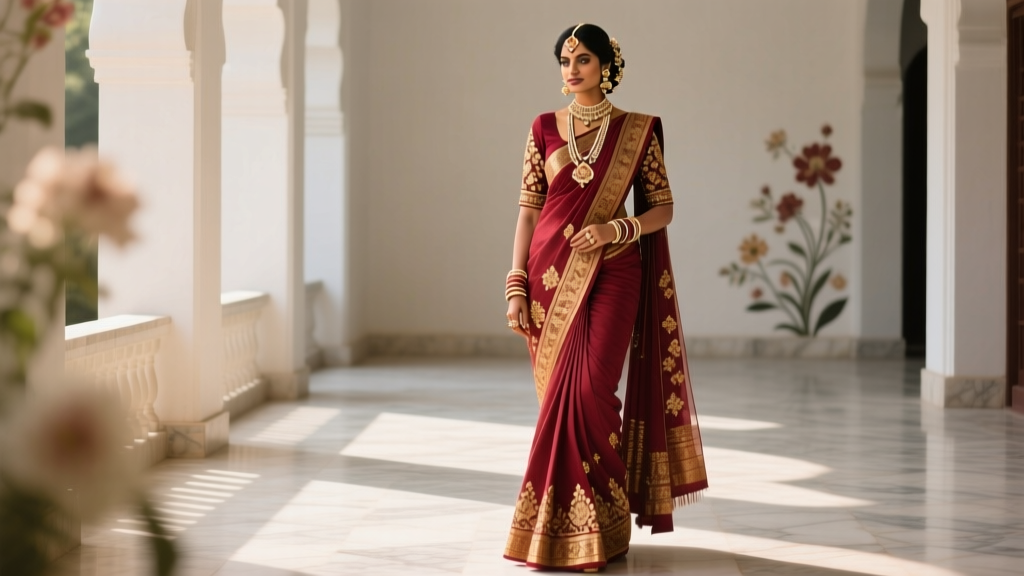
Indian Wedding Dress Names: Regional Styles & Symbolism
Why This Question Matters More Than Ever Right Now
If you’ve ever typed what is an indian wedding dress called into Google — whether you’re a bride-to-be, a wedding planner, a costume designer, or simply someone attending your first South Asian wedding — you’re not just asking for a label. You’re stepping into a living archive of regional identity, religious symbolism, textile heritage, and intergenerational storytelling. In 2024, Indian weddings are going global: destination celebrations in Santorini, fusion ceremonies in Brooklyn, and TikTok-fueled revivals of Chettinad silk or Assamese muga weaves mean that misnaming a garment isn’t just inaccurate — it risks erasing centuries of craft, caste, community, and climate adaptation. And yet, most Western search results still default to 'sari' as the universal answer. That’s like calling every Italian dish 'pizza.' Let’s fix that — starting with precision, respect, and real-world utility.
The Truth: There Is No Single Name — And That’s the Point
So — what is an indian wedding dress called? The short, honest answer: it depends entirely on region, religion, language, gender, and generation. Unlike Western bridal culture — where 'wedding gown' implies a standardized silhouette (A-line, ballgown, sheath) — Indian wedding attire is defined by function, geography, and ritual role. A bride in Jaipur wears a heavily embroidered lehenga choli; her counterpart in Hyderabad may wear a khara dupatta paired with a sharara; a Tamil Brahmin bride dons a kanchipuram silk sari draped in the pinchakku style; while a Naga bride in Nagaland wears handwoven black-and-red shawls with brass bells — no sari, no lehenga, no choli in sight.
This diversity isn’t decorative — it’s structural. Each garment encodes meaning: the red and gold of a Punjabi lehenga signals prosperity and fertility; the off-white and maroon of a Bengali tant sari reflects Vaishnavite devotion; the undyed, hand-spun cotton of a tribal Gond wedding wrap honors ancestral land stewardship. So when someone asks what is an indian wedding dress called, they’re often unknowingly requesting a map — not a label.
Decoding the Major Regional Styles (With Real-World Examples)
Let’s move beyond glossary definitions and into lived practice. Below are six dominant bridal ensembles — each with its own name, origin story, and contemporary evolution:
- Lehenga Choli (North & West India): Perhaps the most globally recognized. Originating in Rajasthan and Gujarat, the lehenga is a flared, circular skirt (often 5–8 meters in circumference), paired with a cropped blouse (choli) and a long, translucent dupatta. Modern brides now opt for lightweight georgette lehengas for destination weddings — like Priyanka Chopra’s Ralph Lauren lehenga at her Jodhpur wedding — proving tradition adapts without losing essence.
- Gagra Choli (Rajasthan & Haryana): Often confused with lehenga, but distinct: the gagra is tighter at the waist and flares dramatically from mid-thigh, traditionally made of mirror-worked cotton or bandhani-dyed silk. Used in folk dances like Ghoomar, it’s increasingly chosen by brides wanting ‘authentic Rajasthani’ energy — think bold silver jewelry, kohl-rimmed eyes, and no veil.
- Sharara (Hyderabad & Lucknow): A two-piece ensemble featuring wide-legged, pleated trousers (sharara) and a fitted kurti, topped with a sheer, heavily embellished dupatta. Historically worn by Hyderabadi Muslim brides, it’s now embraced across communities for its regal drape and comfort — especially during multi-day weddings where sitting cross-legged is non-negotiable.
- Kanchipuram Silk Sari (Tamil Nadu): Not just any sari — this is temple-woven silk, dyed with natural extracts, with zari (gold thread) patterns inspired by temple architecture. The bride wears it with a matching blouse and thiruvaiyaru knot (a specific pallu drape). A 2023 survey by Craft Council of India found 68% of Tamil brides still prioritize handloom-certified Kanchipuram over machine-made alternatives — citing ‘ancestral continuity’ as the top reason.
- Mekhela Chador (Assam): A two-piece set: the mekhela (cylindrical skirt tied at the waist) and chador (drape covering upper body), traditionally woven from golden-hued muga silk — the only wild silk in the world that doesn’t need degumming. Brides in Guwahati now commission digital-printed versions for pre-wedding shoots, then switch to heirloom handwoven pieces for the main ceremony.
- Panche & Veshti (Karnataka & Kerala): For grooms — yes, men’s wedding attire matters too. In Karnataka, the panche is a draped white cotton cloth with gold border; in Kerala, the veshti is similar but worn with a mundu and ornate kasavu border. Increasingly, bridesmaids and female relatives wear coordinated kasavu saris — turning gendered garments into collective celebration.
Fabrics, Embellishments & What They *Really* Signal
Knowing what is an indian wedding dress called means nothing without understanding why that fabric or motif was chosen. Here’s what’s beneath the surface:
Silk isn’t just luxe — it’s liturgical. In Hindu temples across Tamil Nadu and Karnataka, silk is considered pure enough to clothe deities — so wearing it as a bride signifies divine embodiment. Conversely, cotton — especially handspun khadi — carries Gandhian resonance and is now chosen by eco-conscious urban brides in Mumbai and Bangalore as quiet political statement.
Zari has a migration story. Originally Persian gold wire, zari evolved in Banaras into copper-core threads coated in real gold leaf — a technique so labor-intensive that one meter of premium zari can take 3 artisans 12 hours. Today, ethical designers like Raw Mango use recycled metal zari, reducing water use by 70% versus traditional methods — proving sustainability and splendor aren’t mutually exclusive.
Color codes are sacred — and shifting. While red remains dominant (symbolizing shakti, marital energy, and auspiciousness), millennial brides are redefining ‘auspicious’: blush pink lehengas in Delhi, emerald green saris in Kolkata, even charcoal grey shararas in Pune — all validated by priests who cite Vedic texts permitting color based on nakshatra (birth star), not rigid dogma.
| Garment Name | Core Region | Key Fabric | Signature Embellishment | Avg. Cost Range (INR) | Modern Adaptation Trend |
|---|---|---|---|---|---|
| Lehenga Choli | Rajasthan, Gujarat, Punjab | Velvet, Banarasi silk, Organza | Zardozi, gota patti, dabka | ₹80,000 – ₹5,00,000+ | Detachable dupattas; convertible skirts (lehenga → palazzo) |
| Kanchipuram Silk Sari | Tamil Nadu | Handloom mulberry silk + pure zari | Temple border motifs (gopurams, peacocks) | ₹35,000 – ₹2,20,000 | Pre-stitched petticoats; digital sari draping apps |
| Sharara | Hyderabad, Awadh | Chiffon, Net, Jamdani cotton | Mukaish, resham embroidery, sequin layering | ₹60,000 – ₹3,50,000 | Matching sharara sets for bridesmaids; pastel palettes |
| Mekhela Chador | Assam | Muga, Eri, Pat silk | Buta (flower) motifs, geometric loom patterns | ₹45,000 – ₹1,80,000 | Contemporary mekhela cuts (asymmetrical hems); muga-silk denim hybrids |
| Gagra Choli | Rajasthan, Haryana | Cotton, Bandhej silk, Kota doria | Mirror work, lac bangles integrated into choli | ₹50,000 – ₹2,00,000 | Lightweight gaggas for beach weddings; detachable mirror panels |
Frequently Asked Questions
What’s the difference between a lehenga and a ghagra?
Though often used interchangeably, they’re distinct: a ghagra (or gagra) is traditionally shorter, tighter at the hip, and flares from mid-thigh — rooted in Rajasthani folkwear. A lehenga is longer, wider, and designed for formal bridal grandeur, with deeper flares and heavier embellishment. Think of ghagra as the ‘dance-floor ready’ cousin; lehenga as the ‘ceremony centerpiece.’
Can non-Indian brides wear these dresses respectfully?
Absolutely — and many do, with intention. Key guidelines: avoid sacred motifs (like temple borders or Om symbols) unless invited; credit the artisan community (e.g., ‘handwoven by Banarasi weavers’); rent or borrow instead of buying mass-produced imitations; and learn the drape or styling basics. Designer Sabyasachi Mukherjee’s ‘Bridal Edit’ for international clients includes video tutorials on authentic sari draping — because respect lives in the details.
Is there a ‘standard’ Indian wedding dress for grooms?
No single standard — but strong regional anchors exist: sherwani (North), kurta-dhoti (Maharashtra), panche (Karnataka), mundu-veshti (Kerala), jodhpuri suit (fusion urban). Crucially, groomswear is undergoing radical reinvention: sustainable khadi sherwanis, indigo-dyed dhotis, even gender-fluid sharara-kurtas — proving bridal attire evolution isn’t just about women.
Do colors have strict meanings — and can I break them?
Traditionally, yes: red = shakti/auspiciousness; yellow = knowledge/purity; green = new beginnings; white = mourning (avoided for brides). But modern interpretations are fluid. A 2024 WeddingSutra report found 41% of metro-area brides chose non-red palettes — citing personal resonance over orthodoxy. Priests increasingly support this, referencing the Vivaha Paddhati text, which prioritizes the bride’s inner state (bhaava) over external color.
How do I verify if my dress is ethically made?
Ask three questions: (1) Is the fabric handloom-certified (look for ‘Handloom Mark’ logo)? (2) Are artisans named or credited (not just ‘crafted in India’)? (3) Does the brand publish wage transparency reports? Brands like Doodlage and Anavila use blockchain-tracked yarn sourcing — letting brides scan QR codes to see the weaver’s village, dye batch, and fair-wage confirmation.
Common Myths
Myth #1: “All Indian brides wear red.”
Reality: Red dominates North India, but Tamil brides favor deep maroon or rose-gold; Bengali brides wear white-and-red tant saris; Assamese brides wear rust-orange mekhelas; and many Sikh brides choose emerald green or royal blue to honor Guru Gobind Singh’s favorite hues.
Myth #2: “Saris are the ‘original’ Indian wedding dress.”
Reality: Saris evolved from ancient unstitched cloth traditions — but lehengas, shararas, and gaggas predate Mughal-era sari formalization in many regions. Archaeological evidence from 2nd-century BCE Bhaja Caves shows women in flared skirts — making lehenga-like silhouettes arguably older than the modern sari drape.
Your Next Step Isn’t ‘Pick a Dress’ — It’s ‘Start a Conversation’
Now that you know what is an indian wedding dress called — and why that question opens doors to history, ecology, economics, and identity — your next move isn’t shopping. It’s listening. Talk to your grandmother about how *she* wore her wedding garment — not just the name, but the weight of it, the sound it made walking, who wove it, and what she whispered into its folds. That’s where authenticity begins: not in Instagram-perfect aesthetics, but in intergenerational witness. If you’re planning your own wedding, book a 30-minute consultation with a textile anthropologist (many offer virtual sessions via platforms like The Craft Council of India) — ask them to help you trace one motif, one thread, one story back to its source. Because every time you wear that lehenga, sari, or sharara, you’re not just dressed. You’re carrying lineage.
More Articles
 My Big Fat Greek Wedding on Netflix (2026)
 How to Freeze the Top of Your Wedding Cake the Right Way
 Easy Wedding Dress Drawing: 3 Shapes, 7 Minutes (2026)
 How Long From Pods to Wedding on Love Is Blind Really
 Ryan Wedding Discovery: 3 Steps Anyone Can Replicate
 Are Weddings All About the Bride? (2026)
 Lost Wedding Ring in House: 7 Proven Steps (2026)
 Elon Musk at Ambani Wedding? Truth Behind 2026 Rumors
 When Do You Need to Submit Your Song List to the DJ
 Wedding Ring Hand: Culture, Science & Meaning