# Black Tie Wedding Attire for Women: Exactly What to Wear (and What to Skip)
You received a wedding invitation stamped "black tie" and now you're staring at your closet wondering if your little black dress will cut it. It won't—but don't panic. Black tie is one of the most elegant dress codes, and once you understand the rules, dressing for it becomes genuinely enjoyable. Here's everything you need to know.
## What Does Black Tie Actually Mean for Women?
Black tie is a formal dress code that sits just below "white tie" (the most formal) on the formality scale. For women, it signals floor-length gowns as the gold standard, though sophisticated midi or tea-length dresses in luxurious fabrics can work depending on the venue and season.
The key markers of black tie attire for women:
- **Length**: Floor-length gowns are ideal; midi-length (below the knee) in silk, satin, or velvet can be acceptable
- **Fabric**: Silk, chiffon, satin, velvet, lace, or crepe—nothing casual like cotton or jersey
- **Silhouette**: Column, A-line, ballgown, or draped styles all work beautifully
- **Color**: Any color is appropriate; you are not restricted to black despite the name
## Choosing the Right Gown
Your gown is the centerpiece of your black tie look. Consider these factors:
**Venue and Season**
- Ballroom or estate venue: A full ballgown or structured column gown fits perfectly
- Outdoor summer wedding: Lightweight chiffon or georgette in a flowing silhouette keeps you comfortable
- Winter wedding: Velvet, heavy satin, or a gown with long sleeves reads appropriately luxurious
**Body and Comfort**
- Choose a silhouette you can move and sit in for 4–6 hours
- If you're between sizes, prioritize fit over label—alterations are worth every dollar
- A well-fitted midi gown in silk always outperforms an ill-fitting floor-length one
**Color Strategy**
- Deep jewel tones (emerald, sapphire, burgundy) photograph beautifully and feel appropriately formal
- Metallics (gold, silver, champagne) are a classic black tie choice
- Avoid white, ivory, or champagne tones that could read as bridal
- Pastels work well for daytime or garden black tie events
## Accessories, Shoes, and Hair
Black tie dressing extends well beyond the gown itself.
**Shoes**
- Strappy heeled sandals, classic pumps, or embellished mules are all appropriate
- Comfort matters: if you'll be on your feet for hours, a block heel or low kitten heel is smarter than a stiletto
- Metallic or neutral shoes are the most versatile; a bold color can be a fun statement
**Jewelry**
- Black tie calls for real or fine costume jewelry—statement earrings, a delicate necklace, or a cuff bracelet
- Less is often more: one focal piece (chandelier earrings or a bold necklace) rather than layering everything at once
- Avoid overly casual pieces like friendship bracelets or chunky plastic jewelry
**Bag**
- A small clutch or minaudière is the standard—structured, elegant, and just large enough for your phone, cards, and lipstick
- Avoid crossbody bags or anything with visible logos
**Hair and Makeup**
- Polished updos, sleek blowouts, or elegant waves all suit black tie
- Makeup should be intentional and finished—this is not the occasion for a bare-faced look
## Common Mistakes (And the Myths Behind Them)
**Myth 1: "Black tie means I have to wear black."**
This is the most common misconception. The "black" in black tie refers to the men's dress code (black tuxedo), not a color requirement for women. Wearing a vibrant emerald gown or a blush silk dress is entirely appropriate—and often more memorable. The only color to genuinely avoid is white or near-white, which is traditionally reserved for the bride.
**Myth 2: "A cocktail dress is fine if it's fancy enough."**
A cocktail dress—even a very expensive one—typically falls above the knee and reads as semi-formal, not black tie. Unless the invitation says "black tie optional" or "festive attire," a cocktail dress will leave you underdressed. If you don't own a floor-length gown, a sophisticated midi dress in a luxurious fabric (silk, velvet, or heavy crepe) is a better substitute than a short dress, regardless of price.
## Conclusion
Black tie dressing for women comes down to three things: length, fabric, and intention. A floor-length gown in a rich fabric with polished accessories will never steer you wrong. When in doubt, go longer and more formal—you can always remove a wrap or tone down jewelry, but you can't add length to a short dress.
Ready to shop? Search for "black tie gowns" at retailers like Nordstrom, BHLDN, Rent the Runway, or Net-a-Porter. Renting is a smart option if you attend formal events infrequently—you'll get a designer gown at a fraction of the cost and skip the storage problem entirely.
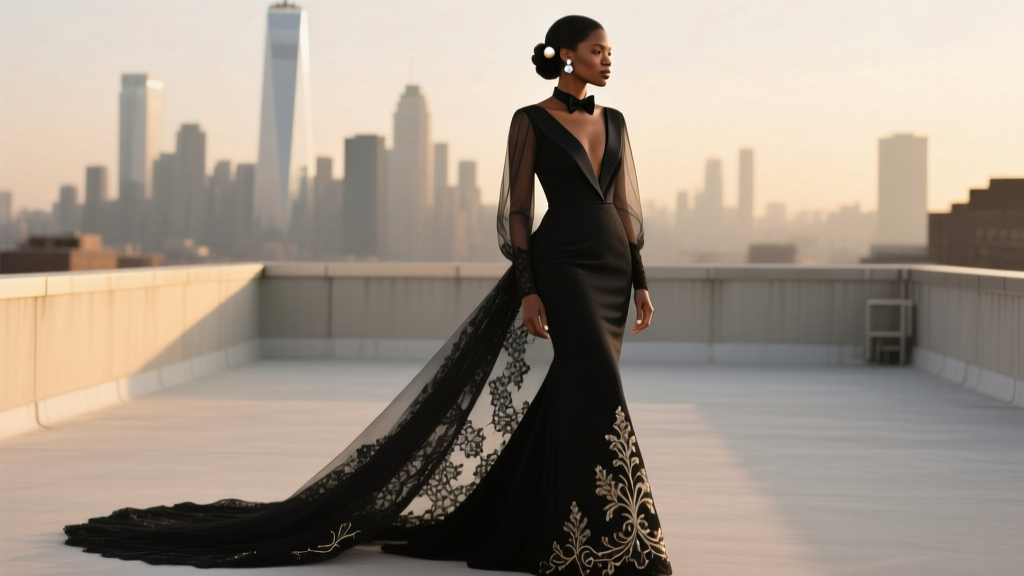
 Wedding Cake Batter: Moist 72-Hour Recipe (2026)
 A Thousand Years' Twilight Wedding Ideas
 Men's Wedding Ring Hand: Global Customs (2026)
 Why Do Nuns Wear Wedding Rings? Spiritual Meaning
 Chris Stapleton Weddings: What His Team Says (2026)
 Who Chooses the Wedding Colors Bride Groom or Together
 Jeff Bezos Wedding Guests: The Real Number (2026)
 What Is the Proper Way to Handle Wedding Gift Returns
 Nikkah: Wedding or Engagement? (2026)
 Is My Wedding Tax Deductible? (2026)