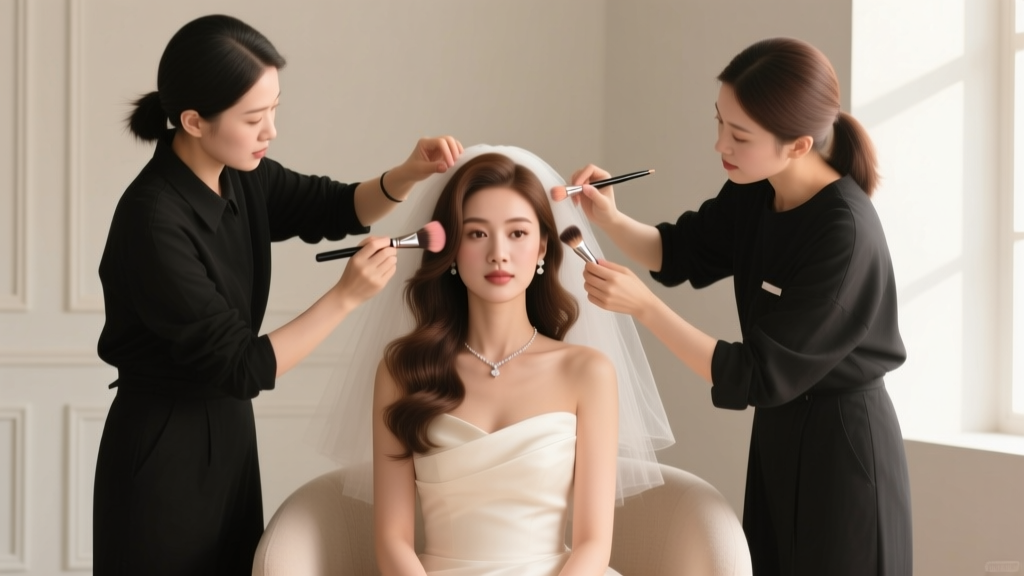
What Is the Proper Timeline for Wedding Hair and Makeup
What Is the Proper Timeline for Wedding Hair and Makeup?
Wedding morning can feel like a thrilling mix of butterflies, happy chaos, and a million tiny decisions. One of the biggest stress-savers is having a clear wedding hair and makeup timeline—because when glam runs late, everything else (photos, getting dressed, transportation, even the ceremony start time) can domino.
If you’re wondering what the “proper” schedule is, you’re not alone. Couples ask this all the time because there’s a lot riding on it: you want everyone to feel beautiful, un-rushed, and camera-ready—without turning the morning into a marathon.
The Direct Answer: A Proper Wedding Hair and Makeup Timeline
For most weddings, the proper timeline is to finish the bride’s hair and makeup at least 45–60 minutes before the time you need to be fully dressed and ready for photos or departure. That typically means starting hair and makeup services 4–6 hours before the “ready by” time, depending on the size of the wedding party and how many artists you have.
A common (and very workable) rule of thumb:
- Bride: 90 minutes for makeup + 60–90 minutes for hair (2.5–3 hours total)
- Each attendant: 45–60 minutes per service (hair and/or makeup)
- Buffer time: 30–60 minutes built into the schedule
If you’re doing first look photos, factor in travel time and build your “ready by” time earlier than you think you need.
Q: What does a real-world wedding hair and makeup schedule look like?
A: Here’s a sample timeline for a wedding with a 4:30 p.m. ceremony, a 2:30 p.m. first look, and on-site getting ready. Assume one hair stylist and one makeup artist, servicing the bride + 4 attendants + one mother.
- 8:30 a.m. Hair + makeup team arrives, sets up
- 8:45 a.m. First services begin (often moms first)
- 8:45–12:45 p.m. Wedding party hair/makeup in rotations
- 12:45 p.m. Bride begins hair (or makeup), depending on preference
- 12:45–3:00 p.m. Bride hair + makeup (with breaks for touch-ups/photos)
- 3:00 p.m. Everyone fully done; touch-ups and lip color applied
- 3:10 p.m. Get dressed (bride often needs 20–30 minutes)
- 3:40 p.m. Buffer + detail photos (dress, shoes, invitation suite)
- 4:00 p.m. Leave for ceremony or final pre-ceremony photos
“My biggest advice is to schedule hair and makeup to finish earlier than you think you need,” says Marisol V., bridal makeup artist. “You never regret having extra time. You always regret trying to squeeze in ‘just one more thing’ when the photographer arrives.”
Q: Why do pros recommend finishing the bride early instead of last?
A: You’ll hear mixed opinions—some teams like finishing the bride last so her look is the freshest. Others prefer finishing the bride earlier to reduce stress and allow time for dressing, portraits, and touch-ups.
Modern etiquette and current wedding trends lean toward a hybrid approach: the bride’s base makeup may be done earlier, with final finishing touches (lip color, powder, a quick curl refresh) right before photos. That gives you the best of both worlds: calm pacing and a fresh finish.
“I did my hair second-to-last, then my makeup last,” says Jordan, married in 2024. “But I still built in a full hour of buffer time. That buffer was the reason I wasn’t panicking when my veil needed steaming again.”
Q: How do wedding trends affect the hair and makeup timeline?
A: A few current trends can change your schedule:
- Skin-focused “soft glam” makeup: Often requires more skin prep time (hydration, color correction, layered complexion). It can take longer than it looks.
- Hollywood waves and extensions: Glam waves, clip-in extensions, and textured updos can add 15–45 minutes per person, especially if hair is thick or very long.
- Getting-ready content creation: If you have a content creator, you’ll want extra time for staged moments—robe shots, pajama photos, gift exchanges—without cutting into glam.
- Destination weddings and off-site venues: Travel time and limited setup space can require an earlier start.
If you’re aiming for a natural bridal look, don’t assume it’s “quick.” Natural-looking makeup is often the most detailed.
Q: What are the main scenarios couples should plan for?
A: The “proper” wedding hair and makeup timeline depends on your specific setup. Here are common scenarios and how they change things.
Scenario 1: Traditional timeline (ceremony first, photos after)
If you’re doing most portraits after the ceremony, you can finish hair and makeup a bit closer to ceremony time—but still keep that 45–60 minute cushion before getting dressed. You’ll want to look fresh walking down the aisle, and you’ll likely be greeting guests right after.
Scenario 2: Modern timeline (first look + photos before ceremony)
This is where timelines often get tight. If your first look is at 2:30 p.m., you may need everyone photo-ready by 2:00 p.m.—not 4:00 p.m. The earlier your first look, the earlier glam needs to start.
Scenario 3: Small wedding or elopement
If it’s just you (and maybe one person) getting services, you can often start 2.5–3.5 hours before you need to be dressed. Still: build buffer time. Even elopements have surprise delays—parking, weather, a missing earring back.
Scenario 4: Large wedding party
With 8–12 people getting hair and makeup, you’ll either need:
- an earlier start time (yes, sometimes before sunrise), or
- additional artists (second hairstylist and/or second makeup artist)
If you’re unsure, ask your HMUA team to recommend staffing based on your party size and desired “ready by” time.
Q: What practical tips make the wedding morning run smoothly?
A: These are the timeline-friendly habits that make a big difference:
- Create a “ready by” time, not a start time. Decide when you must be finished (dressed, touch-ups done), then build backward.
- Book enough artists. One artist can’t comfortably do 10 full faces in a short window. More pros = less stress.
- Ask for a written schedule. Most bridal hair and makeup teams will create a service timeline. Share it with your wedding party.
- Keep hair clean—but follow your stylist’s guidance. Many styles work best with day-old hair; others prefer freshly washed and dried. Confirm at your trial.
- Be on time to your own appointments. Late arrivals force the whole schedule to shift, and the bride usually pays for it in lost buffer time.
- Feed everyone early. Plan breakfast and light lunch that won’t smear lipstick (think: protein, fruit, sandwiches cut small).
- Wear a button-down or robe. Avoid pulling clothes over your head after hair and makeup.
- Prep the space. Good lighting, enough outlets, a clear table, and chairs at the right height save minutes all morning.
“The best wedding mornings are the ones where nobody is sprinting,” says Elle R., wedding planner. “When the hair and makeup timeline includes real buffer time, the whole day feels calmer—like you have room to breathe.”
Related Questions Couples Ask (and Helpful Answers)
Q: How early should hair and makeup start for a morning wedding?
A: If your ceremony is at 11:00 a.m. and you want photos beforehand, you may need to start as early as 5:30–6:30 a.m., especially with a group. Consider adding artists or trimming services (for example, makeup for everyone, hair for fewer people) to avoid an exhausting start.
Q: What if someone in the wedding party doesn’t want professional hair and makeup?
A: Totally fine. The key is clarity: let them know the photo-ready time and where they need to be. If they’re doing their own, build in a little extra time for them to finish and join group photos—without disrupting the pros’ schedule.
Q: Do I need touch-ups scheduled?
A: At minimum, plan 10–15 minutes at the end for final lip, blush, powder, and pin checks. If you’re hiring your artist to stay through photos or reception, schedule touch-ups before ceremony, after family photos, and before grand entrance.
Q: What if hair and makeup are at a salon instead of on-site?
A: Add travel time, parking, and the time it takes to load everything back up. You’ll also want to protect finished hair and makeup during the ride (seatbelt positioning, avoiding tight collars). Salon schedules usually need a bigger buffer than on-site services.
Q: Should moms be scheduled first?
A: Often, yes—especially if they need to leave early for their own photos or to help with setup. But if a mom is anxious about timing, schedule her mid-morning so she isn’t sitting in full glam for hours.
Conclusion: The Timeline That Feels Calm Is the “Proper” One
The proper wedding hair and makeup timeline is the one that gets you photo-ready early, includes buffer time, and matches your real plan for first look, travel, and portraits. If you finish 45–60 minutes before you need to be dressed—and build your schedule backward with enough artists—you’ll protect the best part of the day: feeling present, confident, and excited to get married.
More Articles
 Can You Wear a Wedding Dress to Prom? (2026)
 Where to Watch 4 Weddings (2026) | Region-Specific
 Why Katie LaSalle Isn’t Wearing Her Wedding Ring (2026)
 Are Destination Weddings Rude? (2026 Survey Data)
 Do Muslims Wear Wedding Rings? Scholar-Vetted Truth
 Dreaming of Wedding: 7 Psychological Truths (2026)
 Unity Ceremony: Meaning & Popular Options
 A Christmas Wedding Date": Real Movie? (2026)
 How to Get Blood Out of Wedding Dress Before It Sets
 Watch Madea's Destination Wedding (2026): 3 Legal Ways