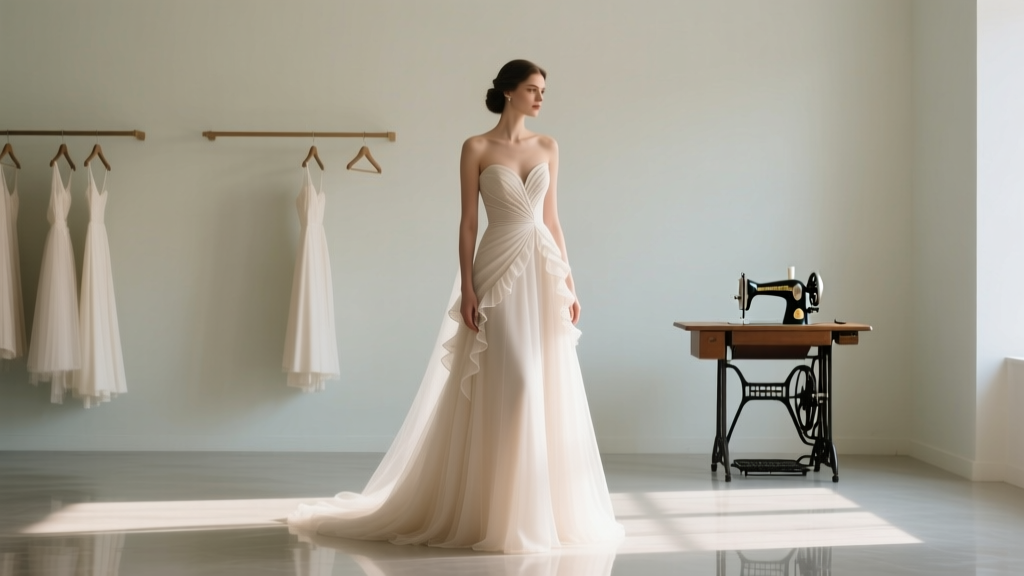
What Is the Proper Way to Handle Wedding Dress Alterations
What Is the Proper Way to Handle Wedding Dress Alterations?
Wedding dress alterations can feel strangely high-stakes: you’ve already chosen “the one,” and now you’re trusting someone to adjust it without changing what you loved about it. Add timelines, weight fluctuations, family opinions, and budget pressure, and it’s easy to wonder what the proper way is to handle all of it.
The good news: there’s a clear, respectful, modern approach that keeps you comfortable, confident, and in control—while also setting your seamstress (and your wedding party) up for success.
The direct answer
The proper way to handle wedding dress alterations is to book them early with a reputable bridal tailor, arrive to fittings with the right undergarments and shoes, plan for 2–3 fittings (sometimes more), communicate clearly about comfort and movement, and build in time and budget for adjustments—especially if your wedding dress needs hemming, a bustle, or bodice work. Don’t wait until the last minute, and don’t rely on a friend’s “quick fix” unless they’re a proven professional.
Q: When should I schedule wedding dress alterations?
A: Most brides start alterations about 8–12 weeks before the wedding. If your gown needs major resizing, custom sleeves, or intricate lace work, start earlier—closer to 3–4 months out.
Bridal shops often quote this timeline because it matches real workroom capacity and the way bodies naturally fluctuate. A common schedule looks like this:
- First fitting (8–12 weeks out): Pinning for hem, bodice, straps, and bustle planning.
- Second fitting (4–6 weeks out): Confirm shape and comfort; refine details; begin bustle practice.
- Final fitting (1–2 weeks out): Final tweaks; pick-up; learn how to bustle and handle the train.
“The biggest mistake I see is a bride calling three weeks before the wedding expecting a full bodice rebuild,” says Maya L., a fictional but realistic bridal seamstress in Chicago. “We can sometimes do it, but it limits options and adds stress. Early appointments protect your peace.”
Q: Who should do the alterations—my bridal salon, an independent seamstress, or a local tailor?
A: Any of the three can be appropriate, as long as they have proven bridal experience. Wedding gown tailoring is specialized: layers of tulle, boning, lace appliqués, delicate beadwork, and structured bodices aren’t the same as hemming everyday clothes.
Here’s how couples typically decide:
- Bridal salon alterations: Convenient and often experienced with the designer’s construction. May cost more; schedules can be tight during peak wedding season.
- Independent bridal seamstress: Often the best balance of skill, flexibility, and personalized service. Look for photos, reviews, and bustle know-how.
- General local tailor: Can be great for simple hems or minimal adjustments, but ask directly about bridal gowns and request examples.
Modern etiquette note: It’s completely acceptable to take your dress elsewhere for alterations, even if you bought it at a salon. If a salon pressures you, a polite response is: “Thank you—your team seems wonderful. I’m already booked with a bridal seamstress who’s close to home.”
Q: What should I bring to dress fittings?
A: Bring the exact shoes (or same heel height), your wedding undergarments, and any shapewear or bra cups you plan to wear. Also bring your veil or accessories if you’re debating placement or neckline adjustments.
Think of alterations as engineering, not guesswork. Hem length changes with heel height. Bodice fit changes with different bras. Even the weight of a heavy veil can affect how the dress sits at the shoulders.
Real-couple experience (fictional): “I brought a different pair of heels to my first fitting and my actual wedding shoes to my second,” says Janelle, married in Sonoma. “The hem was suddenly off. My seamstress was kind about it, but I learned fast: bring the real shoes every time.”
Q: How many fittings will I need?
A: Most gowns take 2–3 fittings, but plan for more if your dress has heavy beading, a corset back, dramatic sleeves, or major resizing.
Fittings aren’t just about snugness—they’re about movement and comfort. You should be able to:
- Sit without the bodice painfully digging in
- Walk without stepping on the hem
- Raise your arms (hello, first-dance spins and hugs)
- Breathe and eat
“I always ask brides to do a full ‘wedding motion test’—sit, sway, and pretend to hug someone,” says Alina R., a fictional bridal stylist. “Your dress shouldn’t just photograph well. It should live well.”
Q: What alterations are most common (and what do they cost)?
A: Common wedding dress alterations include hemming, taking in the bodice, adjusting straps, adding bra cups, and creating a bustle. Costs vary by region and complexity, but many brides spend a few hundred dollars, and intricate gowns can reach higher.
Common alterations:
- Hem: Especially with lace or multiple layers.
- Bodice adjustments: Taking in at sides, waist, or bust; reshaping cups.
- Straps/sleeves: Shortening straps, tightening sleeves, adding off-the-shoulder straps.
- Bustle: Essential for many trains; ask to practice it.
- Neckline tweaks: Adding modesty panels or raising a plunge.
Wedding trend watch: Detachable sleeves, overskirts, and statement bows are popular right now—and they often require extra fittings. If you’re adding a removable piece for ceremony-to-reception versatility, mention it at the first appointment so everything lines up properly.
Q: What’s the proper etiquette for weight changes or body fluctuations?
A: Be honest with your seamstress and aim to fit the dress to your body—not force your body to match the dress.
Traditional advice sometimes pushes brides to “hold steady” until the wedding. Modern etiquette is kinder: your comfort and health come first. A skilled seamstress can plan strategically—leaving seam allowance where possible, adjusting closer to the date, and choosing solutions like corset conversions if needed.
Scenario: If you’re actively postpartum, managing a medical condition, or intentionally changing your fitness routine, tell your alterations expert at the first fitting. You’re not “complicated”—you’re giving them information that helps them help you.
Q: Traditional vs. modern approaches—does it matter?
A: The “proper” approach depends on your priorities, but the best practice is always: expert tailoring, clear communication, and enough time.
- Traditional approach: Buy your gown closer to standard sizing; minimal changes; classic bustle; focus on preserving original design.
- Modern approach: Personalize freely—add sleeves, lower a back, add sparkle, convert to a corset, or create a reception-ready second look. Customization is common and widely accepted.
If a family member worries alterations will “ruin” the dress, reassure them with specifics: “I’m working with a bridal seamstress who specializes in this fabric, and we’re keeping the original silhouette.”
Actionable tips for handling wedding gown alterations smoothly
- Book early: Popular bridal tailors fill up, especially during spring and fall wedding season.
- Ask bustle questions upfront: American bustle vs. French bustle; which works best for your venue and train length?
- Bring a support person (optional): Choose someone calm who understands your style. Too many opinions can derail decisions.
- Request a written estimate: Alterations pricing can change if scope changes—clarity reduces surprises.
- Do a comfort check: Your dress should allow breathing, sitting, and dancing. Speak up if anything pinches.
- Plan for transportation: Ask how to store the gown post-alterations and how to pack it for travel weddings.
- Practice the bustle: Have your seamstress record a short video on your phone so your day-of helper can replicate it.
Related questions and edge cases couples ask
Q: What if I bought my dress online or secondhand?
A: Alterations are still totally doable—just start earlier. Online and pre-owned dresses often need more adjustments (and sometimes repairs). Bring any listing photos and be honest about what you paid; your seamstress can help prioritize changes that make the biggest difference.
Q: Can I alter a dress more than two sizes?
A: Sometimes, but it depends on construction and fabric. A talented bridal tailor can do impressive resizing, but at a certain point it can be more cost-effective to find a gown closer to your size or choose a redesign approach (like a corset back).
Q: Who pays for wedding dress alterations?
A: Typically the person wearing the dress pays—often the bride. But every family handles budgets differently. If a parent is purchasing the gown, ask early whether alterations are included in what they’re gifting. A simple script: “I’m budgeting for alterations—did you want me to cover that, or include it in the dress budget?”
Q: What if my seamstress suggests something I don’t want?
A: You’re the client. Ask for options. Try: “I hear you. Can we explore a version that keeps the neckline lower but feels secure?” Most concerns can be solved with better structure, cups, strap placement, or discreet mesh.
Conclusion
The proper way to handle wedding dress alterations is simple: give yourself time, choose a true bridal professional, and treat fittings as a collaboration focused on comfort and confidence. Your gown doesn’t need to be “perfect” on a hanger—it needs to fit you beautifully on your wedding day.
More Articles
 Is Four Weddings on Hulu? Everything You Need to Know
 Wedding Finger: Which Hand Is Correct? (2026)
 Wedding Veil Symbolism: What Historians & Brides Say
 Taylor Swift Wedding Rumors 2026: Facts & Trends
 Wedding Ring Hand: Global Traditions vs. Your Choice
 Wedding Ring vs. Engagement Ring: What Couples Choose (2026)
 Scarlett Johansson & Four Weddings: Sister Truth?
 What to Do If Your Dream Venue Is Over Budget
 Ryan Wedding Found: The Shocking Truth (2026)
 Who Played Linda in The Wedding Singer? (2026)